Installing an asphalt driveway or parking lot is a long-term investment that requires proper planning and execution. Whether you’re a homeowner or managing a commercial project, ensuring the quality of the asphalt and the paving process is crucial. Here are the top 5 tips to achieve a flawless asphalt surface.
1. Start with Accurate Measurements for your Asphalt Driveway
Accurate measurements of your project area are the foundation for your asphalt driveay
Use a measuring tape or a laser measuring tool to get the length and width of your asphalt driveway or parking lot.
For irregular shapes, divide the area into sections like rectangles or triangles and calculate the total square footage.
Pro Tip: Use an asphalt calculator to determine the amount of asphalt you’ll need based on your measurements and desired thickness.
2. Choose the Right Thickness for your Asphalt Driveway
The thickness of the asphalt layer depends on the purpose of the project:
Residential Driveways: 2-3 inches.
Parking Lots (Light Traffic): 4-5 inches.
Heavy-Duty Areas (e.g., truck lots): 6-8 inches.
Why It Matters:
Thicker asphalt layers provide greater durability but increase costs. Always balance thickness with your specific needs and traffic levels.
3. Prepare the Base Properly for your asphalt driveway
A strong and stable base is critical for the longevity of your asphalt driveway surface.
Excavate the area to the proper depth.
Lay a compacted gravel base to support the asphalt and prevent shifting.
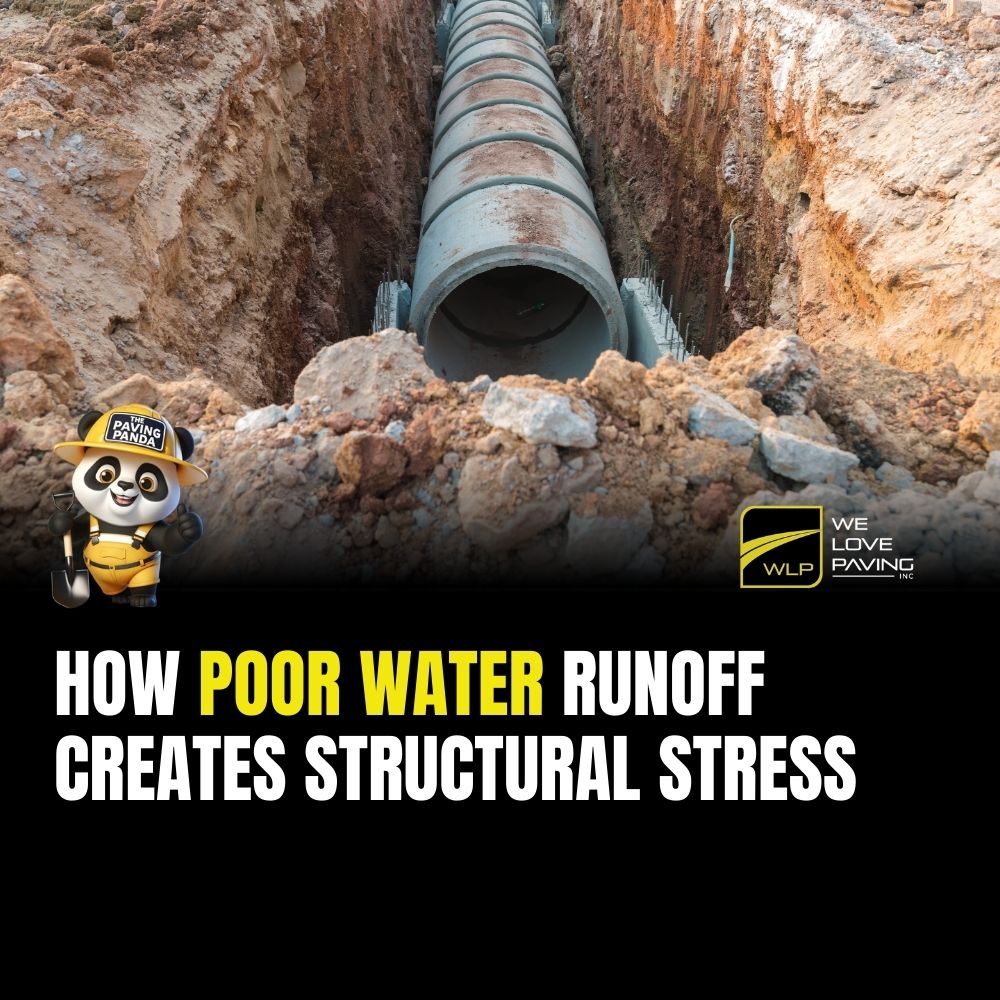
Ensure proper drainage to avoid water pooling, which can weaken the base over time.
Pro Tip: Work with experienced contractors who can identify potential issues like soil instability or drainage problems before paving begins.
4. Use High-Quality Asphalt
Not all asphalt mixes are created equal. Selecting a high-quality asphalt mix tailored to your project ensures durability and longevity.
Types of Asphalt:
Hot Mix Asphalt (HMA): Ideal for driveways and parking lots due to its strength.
Warm Mix Asphalt (WMA): Environmentally friendly and works well in colder temperatures.
Consult with your contractor to choose the right type of asphalt for your location and project.
5. Perform Regular Maintenance
Even the best-paved surfaces require regular upkeep to stay in excellent condition.
Sealcoating: Protects the asphalt from UV rays, water damage, and chemicals. Apply every 2-3 years.
Crack Filling: Address small cracks immediately to prevent them from spreading.
Sweeping and Cleaning: Remove debris regularly to avoid clogging drainage systems.
Long-Term Benefits:
Routine maintenance extends the lifespan of your asphalt surface, saving you money on major repairs or repaving.
Bonus Tip: Work with Professionals
A professionally paved asphalt surface not only looks great but also lasts longer. Experienced contractors will ensure:
Proper measurements and base preparation.
Use of the right asphalt mix.
Smooth application and finishing.
Plan Your Asphalt Project with Confidence
With these tips in mind, you’re ready to take on your next asphalt project like a pro. Need help getting started? Try our free asphalt calculator to estimate materials, or contact us for expert paving services tailored to your needs.
Get Started Today!