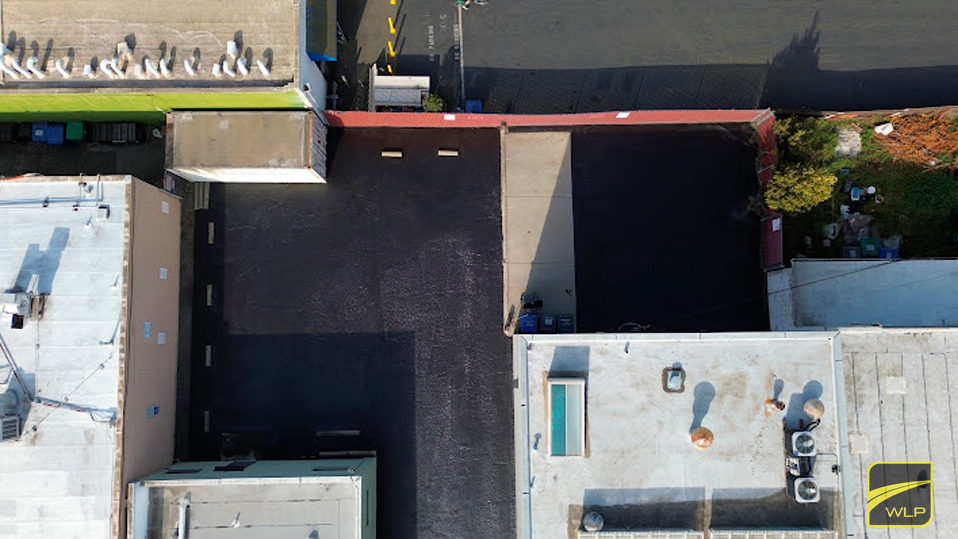
When it comes to constructing roads, one of the critical factors that influence durability and performance is the depth of the road base. This is particularly important in regions like San Mateo, California, where specific geological and environmental conditions can impact road stability. This article investigates the ideal road base depth for San Mateo, incorporating local guidelines, environmental factors, and best practices.
Understanding Road Base
The road base is the layer of material between the native subgrade (soil) and the asphalt surface. It serves several key functions:
- Support: Distributes the load from traffic to prevent excessive stress on the underlying soil.
- Drainage: Facilitates proper drainage to prevent water accumulation, which can weaken the road structure.
- Stability: Provides a stable foundation for the asphalt or concrete surface layer.
Local Regulations and Standards
In California, road construction standards are governed by the California Department of Transportation (Caltrans). While state guidelines provide a general framework, local municipalities like San Mateo may have specific requirements tailored to local conditions.
According to Caltrans standards, the typical road base depth can range from 4 to 12 inches, depending on factors such as traffic load and soil conditions. For instance, residential streets with lighter traffic loads might require a base of 4 to 6 inches, while major arterial roads could need 8 to 12 inches.
Environmental and Geotechnical Considerations
San Mateo’s location within the San Francisco Peninsula presents unique environmental and geotechnical challenges. Key considerations include:
- Seismic Activity: San Mateo lies in a seismically active region, necessitating robust road bases that can withstand ground movement. This often means a thicker base to enhance structural integrity.
- Soil Type: The area’s soil composition varies, with some regions having clayey soils that expand and contract with moisture changes. Such soils may require additional stabilization and a deeper road base to prevent cracking and settlement.
- Rainfall and Drainage: Adequate drainage is critical in preventing water-related damage. A deeper base with proper drainage layers helps mitigate risks associated with heavy rainfall.
Best Practices in Road Base Construction
Incorporating best practices ensures that road bases are built to last. Here are some key recommendations for constructing road bases in San Mateo:
- Soil Testing and Analysis: Conduct thorough geotechnical investigations to understand soil properties and determine the appropriate base depth and materials.
- Material Selection: Use high-quality materials such as crushed stone, gravel, or recycled concrete aggregate. These materials offer good compaction and drainage properties.
- Compaction: Proper compaction of the base material is crucial. Compacted layers should meet specified density requirements to ensure stability.
- Layering: Construct the road base in multiple layers if needed. This technique, known as “layered construction,” enhances load distribution and reduces the risk of settlement.
- Drainage Systems: Implement efficient drainage systems, including sub-base drainage layers and side ditches, to manage water flow and prevent waterlogging.
Case Study: San Mateo Road Projects
Examining past and ongoing road projects in San Mateo provides practical insights into road base depth requirements and construction techniques.
- El Camino Real Improvement Project: A major arterial road, El Camino Real, underwent significant upgrades, including road base enhancements. The project involved increasing the base depth to 10 inches to accommodate high traffic volumes and improve durability.
- Residential Street Upgrades: Several residential streets in San Mateo were upgraded with a focus on sustainability. These projects typically involved a 6-inch base depth, utilizing recycled materials to reduce environmental impact.
- Seismic Retrofit Projects: Given the region’s seismic risk, some road projects included special measures such as reinforced bases and flexible pavement designs to enhance earthquake resilience.
Future Trends and Innovations
The field of road construction is continuously evolving, with innovations aimed at improving longevity and sustainability. Some emerging trends relevant to San Mateo include:
- Permeable Pavements: These pavements allow water to pass through, reducing runoff and improving drainage. While not yet widespread, they could be an effective solution for areas with high rainfall.
- Recycled Materials: Increasing use of recycled materials in road base construction not only reduces environmental impact but also enhances material properties. Research into advanced recycling techniques continues to progress.
- Smart Road Technologies: Incorporating sensors and monitoring systems into road bases can provide real-time data on structural health, enabling proactive maintenance and reducing lifecycle costs.
Conclusion
Determining the appropriate road base depth in San Mateo, California, requires a careful balance of regulatory standards, environmental considerations, and best construction practices. By adhering to local guidelines and incorporating innovative techniques, road builders can ensure that roads in San Mateo are durable, safe, and sustainable. Whether for residential streets or major highways, a well-constructed road base is the foundation of long-lasting infrastructure.