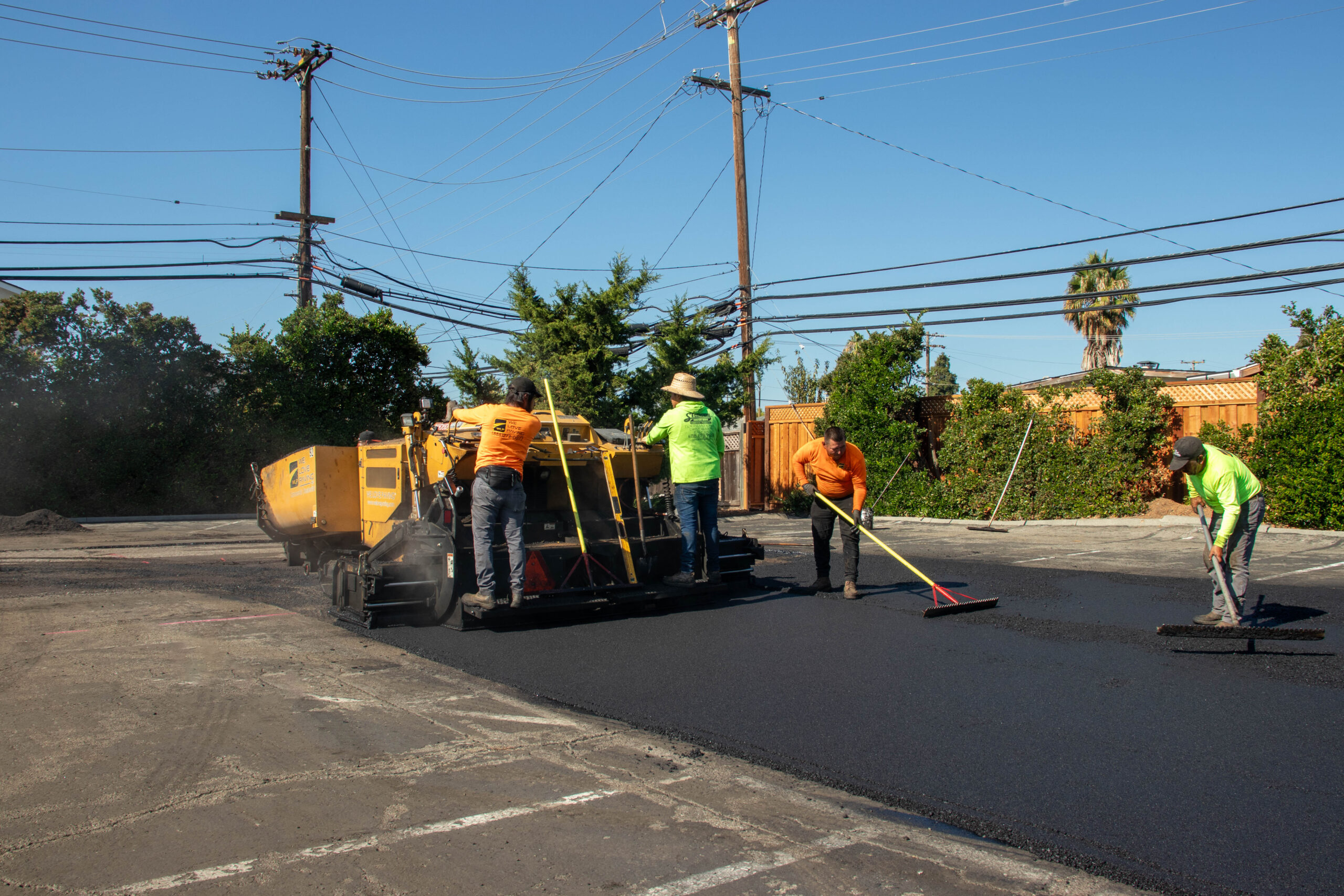
In the picturesque city of San Mateo, California, maintaining and developing infrastructure is vital to support a growing community and enhance the quality of life. When it comes to road construction, asphalt emerges as the material of choice, offering a blend of practicality, sustainability, and performance. This article explores why asphalt is favored in San Mateo, delving into its benefits, local suitability, and how it aligns with the city’s values and future vision.
Technical Material Specifications: Understanding Class 2 Aggregate Base (AB) In Northern California, when engineers and paving contractors discuss road base depth, they are almost exclusively referring to Class 2 Aggregate Base (widely known in the industry as Class 2 AB, Virgin AB, or ¾-inch base rock). But what exactly is this material, and why does it dictate excavation depth? Class 2 base is a carefully engineered blend composed of ¾-inch crushed stone, sand, and rock dust (fines). This specific composition is critical: the angular stones provide high-strength load-bearing support, while the sand and fines act as a binder that tightly locks the matrix into place when compacted to a strict 95% density.
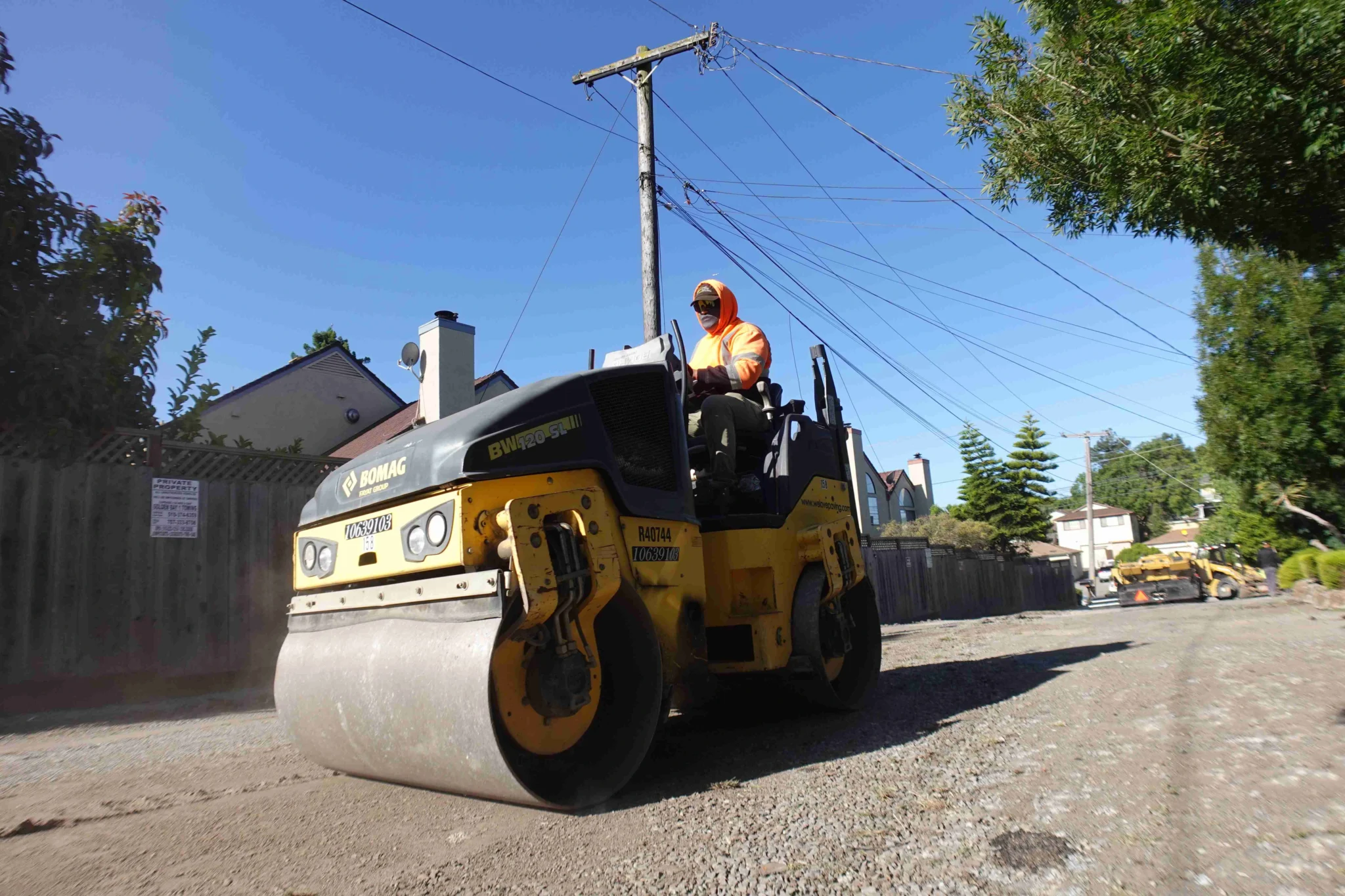
For the clay-heavy and bay mud soils characteristic of San Mateo, reaching the correct depth with the right material isn’t enough; the installation technique is everything. The base must be systematically installed in 2 to 3-inch layers (lifts), thoroughly compacting each one with vibratory equipment to prevent future settling. Furthermore, placing a geotextile fabric barrier between the native subgrade and the first lift of Class 2 AB is a standard engineering practice in this region. This critical step prevents expansive clay from contaminating the clean rock, ensuring that your carefully calculated base depth maintains its structural integrity and vital drainage capabilities for decades.
Asphalt: A Road Material for the Community
San Mateo is a city that values sustainability, efficiency, and community well-being. Asphalt, with its myriad of benefits, perfectly complements these values:
- Long-Lasting Durability: Asphalt pavements are celebrated for their durability. The material’s flexibility allows it to absorb the stresses from heavy traffic and minor ground movements, significantly reducing the risk of cracking. This ensures that San Mateo’s roads remain in excellent condition for many years, providing a smooth and safe driving experience for residents and visitors alike.
- Cost-Efficient Solutions: Managing municipal budgets effectively is crucial for any city. Asphalt’s lower initial costs and ease of maintenance make it a cost-effective choice for San Mateo’s road construction projects. This allows the city to allocate resources efficiently and invest in other community-enhancing projects.
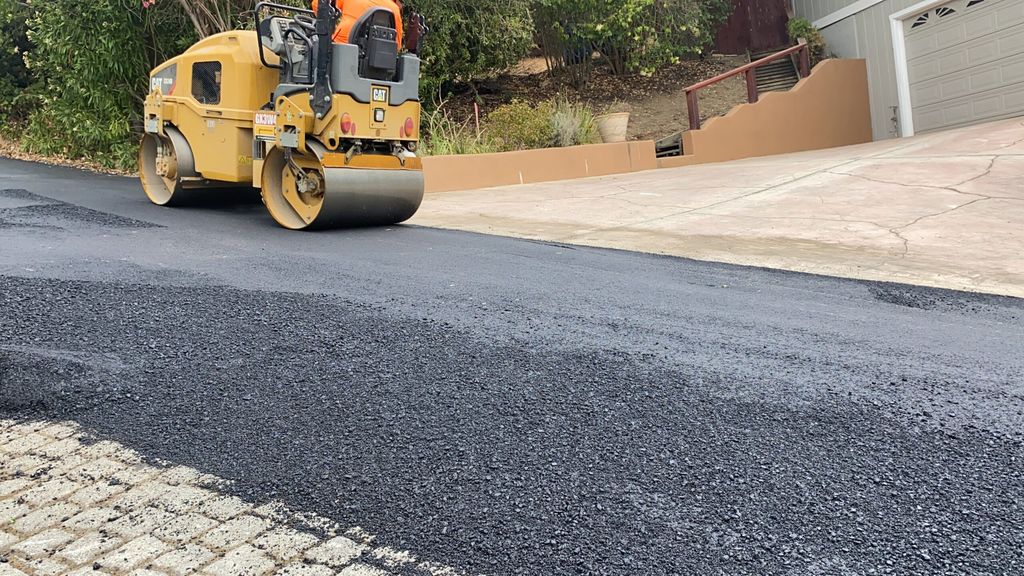
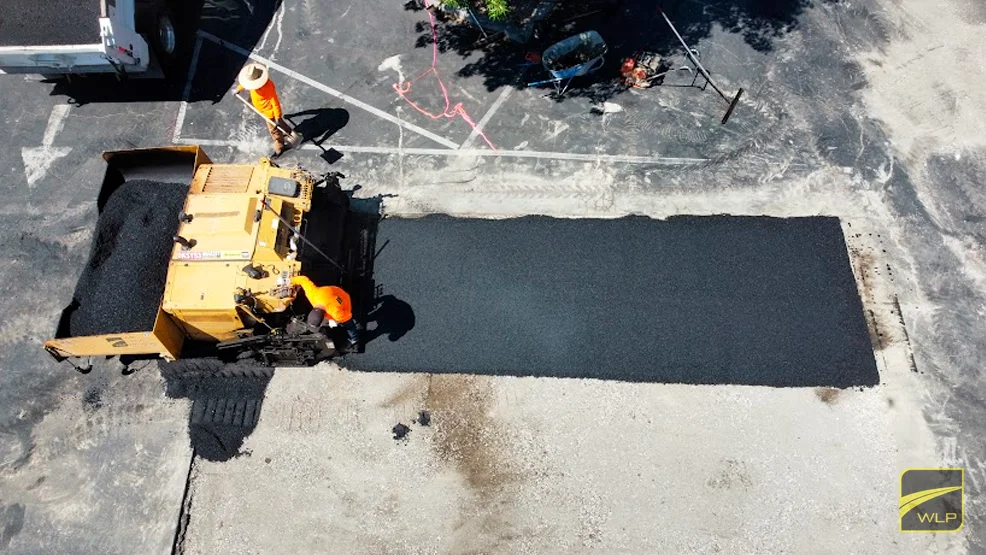
- Rapid Installation and Repair: Time is of the essence in road construction, particularly in a bustling city like San Mateo. Asphalt can be installed and cured quickly, minimizing road closure times and reducing inconvenience to the community. Moreover, asphalt repairs are straightforward and swift, ensuring that roadways are promptly restored to optimal condition after damage.
- Quiet and Comfortable Rides: Asphalt’s smooth surface provides a quiet ride, reducing noise pollution in residential and urban areas. This enhances the overall quality of life, making neighborhoods more peaceful and enjoyable.
- Eco-Friendly Recycling: San Mateo is committed to sustainability, and asphalt aligns perfectly with this commitment. Asphalt is 100% recyclable, and reclaimed asphalt pavement (RAP) can be reused in new asphalt mixtures. This recycling process reduces the need for virgin materials, conserves natural resources, and minimizes environmental impact.
Tailored to San Mateo’s Climate
San Mateo’s climate, characterized by mild, wet winters and warm, dry summers, requires a road material that can adapt to these conditions. Asphalt meets this challenge effectively:
- Heat Adaptability: Asphalt’s ability to expand and contract with temperature changes makes it ideal for San Mateo’s warm summer climate. Unlike other materials that might crack or deform, asphalt maintains its integrity under high temperatures.
- Effective Drainage: During the rainy season, proper water management is crucial. Asphalt pavements are designed to provide excellent drainage, preventing water accumulation and reducing the risk of water-related damage such as potholes and erosion.
- Winter Resilience: In the wetter months, asphalt’s quick repair capabilities are advantageous. Any damage caused by water infiltration can be swiftly addressed, ensuring roads remain safe and functional throughout the winter.
Enhancing Performance and Sustainability
Asphalt not only meets current needs but also sets the stage for future improvements in road construction:
- Advanced Asphalt Mixes: Recent advancements in asphalt technology have led to high-performance mixes that offer enhanced durability and resistance to rutting and cracking. These mixes are particularly useful for roads with high traffic volumes and heavy loads, ensuring they remain in top condition.
- Sustainable Practices: The use of RAP in new asphalt mixes exemplifies San Mateo’s dedication to sustainability. By reducing the need for new materials and lowering greenhouse gas emissions, the city can build and maintain roads that are both environmentally friendly and cost-effective.
- Energy-Efficient Technologies: Warm-mix asphalt (WMA) technologies allow asphalt to be produced and laid at lower temperatures, reducing energy consumption and emissions during construction. This aligns with San Mateo’s goal of minimizing its carbon footprint.
Success Stories in San Mateo
Real-life examples of asphalt projects in San Mateo illustrate its effectiveness and benefits:
- El Camino Real Revitalization: The iconic El Camino Real has been rejuvenated with asphalt, improving its durability and ride quality. This project not only enhances a major thoroughfare but also reflects San Mateo’s commitment to maintaining essential infrastructure with minimal disruption to traffic.
- Residential Street Improvements: Asphalt has been the material of choice for upgrading numerous residential streets across San Mateo. These projects focus on providing smoother, quieter roads that enhance the livability of neighborhoods, showcasing asphalt’s role in fostering community well-being.
- Bayfront Expressway Upgrades: The busy Bayfront Expressway has benefited from asphalt enhancements, accommodating heavy commuter traffic while ensuring a smooth and reliable driving surface. This project underscores asphalt’s ability to support San Mateo’s transportation network efficiently.
Future Innovations and Trends
Looking ahead, several emerging trends promise to further enhance asphalt’s role in San Mateo’s road infrastructure:
- Permeable Asphalt Solutions: Permeable asphalt, which allows water to pass through, is gaining attention for its ability to reduce runoff and improve stormwater management. This innovation could be particularly beneficial in urban areas prone to flooding.
- Smart Pavements: The integration of smart technologies, such as sensors embedded in asphalt, can provide real-time data on pavement conditions. This proactive approach enables timely maintenance and enhances road safety by detecting and addressing issues early.
- Eco-Friendly Materials: Ongoing research into incorporating sustainable materials like bio-binders and recycled plastic into asphalt mixes aims to further reduce the environmental impact of road construction and maintenance.
The Smart Choice for San Mateo’s Infrastructure
Choosing asphalt for road construction on the Peninsula is more than just a logistical decision; it’s a strategic investment in the durability and efficiency of our community. By combining rapid installation with Caltrans standards for sustainability and weather resistance, asphalt stands as the undisputed leader for road projects in San Mateo County. At We Love Paving, we understand that every paved mile contributes to California’s growth and safety. We are ready to apply our technical expertise to ensure your road infrastructure is resilient, safe, and low-maintenance, guaranteeing a superior return on investment from day one.
Sustainability and Circular Economy in San Mateo
Beyond its structural strength, asphalt is the most recycled material in the world, making it the most environmentally responsible choice. Modern paving operations in California extensively utilize Reclaimed Asphalt Pavement (RAP), promoting a circular economy within San Mateo County. By reusing milled asphalt in new mixes, the extraction of virgin raw materials is drastically reduced, and carbon emissions decrease significantly. This sustainable technology ensures that commercial and residential projects on the Peninsula not only comply with the state’s strict environmental regulations but also shrink their carbon footprint without ever compromising the quality of the roadway.