Sealcoating: The Secret to Extending the Life of Your Asphalt

Asphalt surfaces endure a lot—harsh weather, heavy traffic, and constant wear and tear. Over time, without proper maintenance, asphalt can crack, fade, and become susceptible to costly damage. Sealcoating is the most cost-effective way to protect and preserve your driveway, parking lot, or roadway while maintaining its appearance and functionality.


What Is Sealcoating?

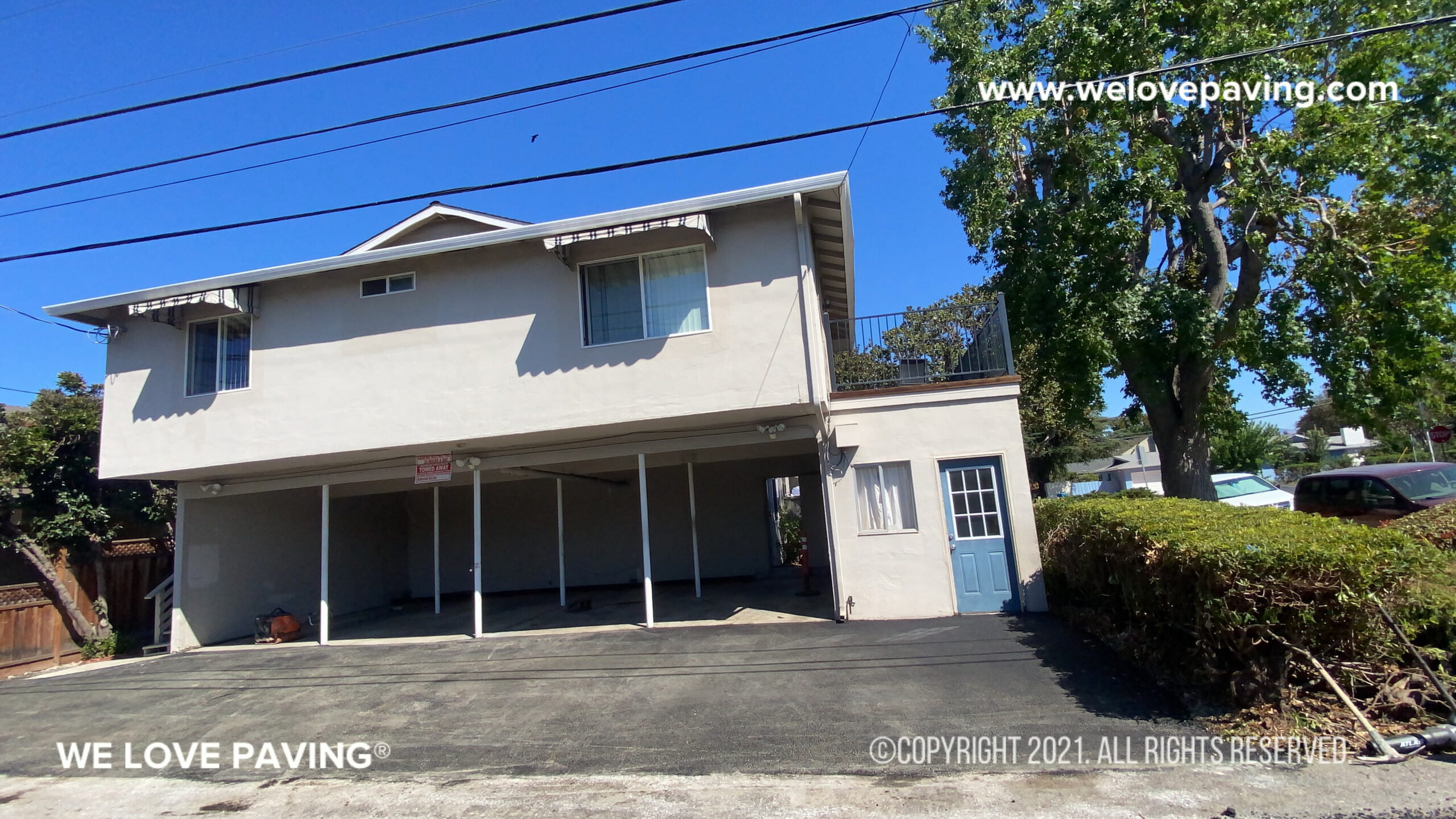
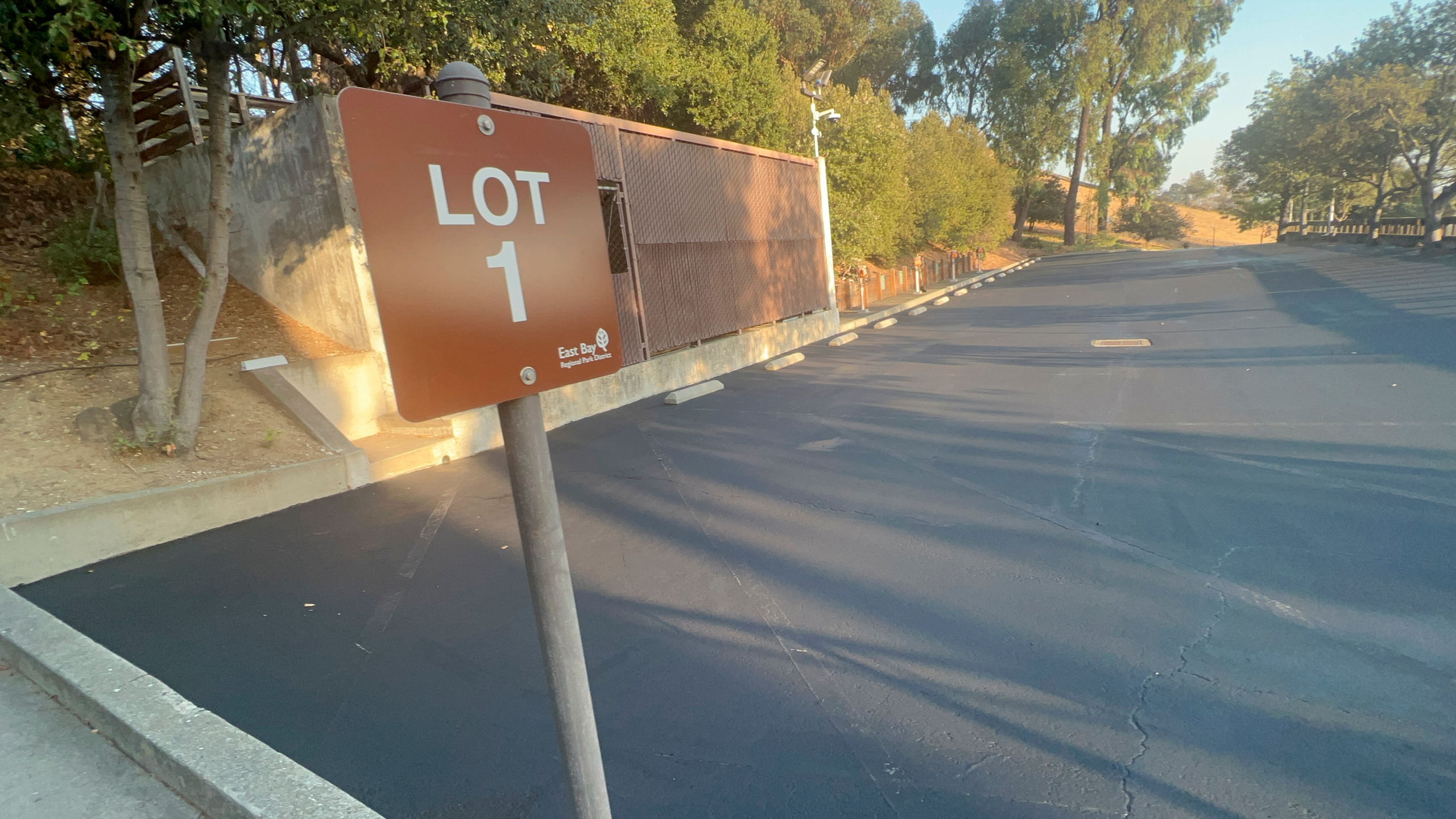
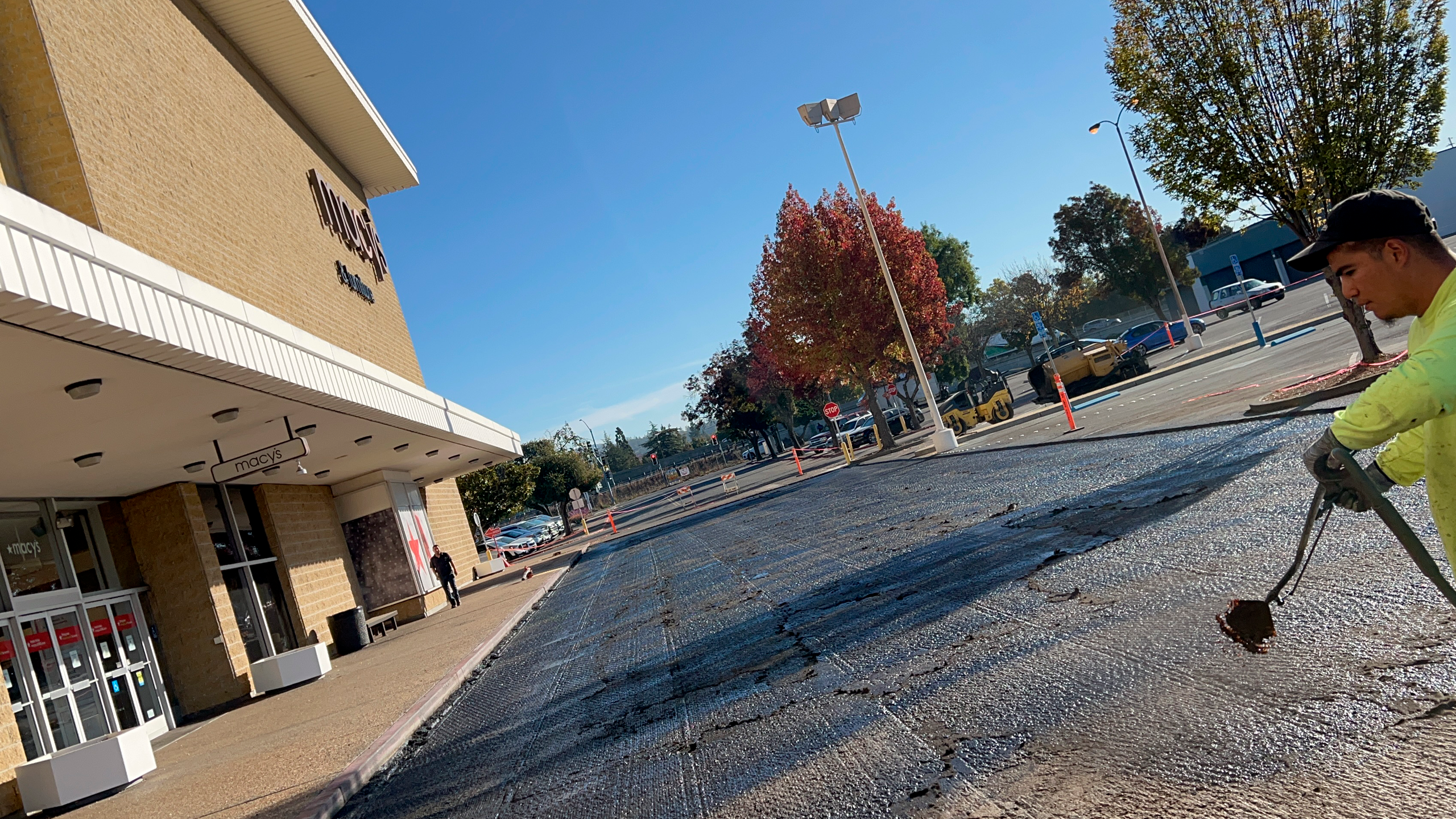
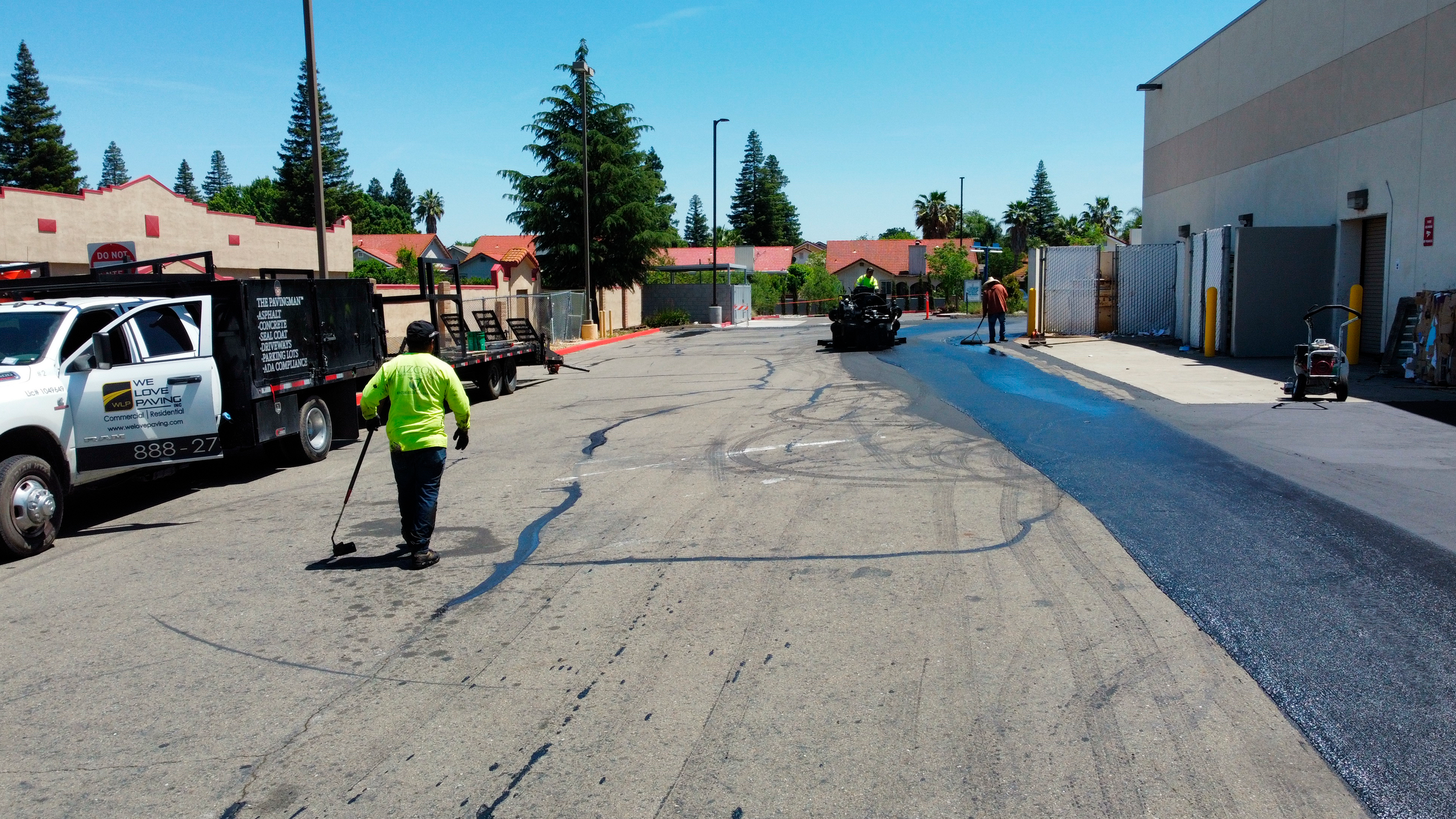
Sealcoating is the process of applying a protective layer over an asphalt surface. This layer acts as a barrier, shielding the asphalt from harmful elements like UV rays, moisture, and chemicals such as oil and gasoline. It’s not just about protection—it also restores the deep black color of asphalt, giving it a freshly paved look.


Why Sealcoating Is Essential

  1. Protection Against Weather

    • UV Rays: Prolonged exposure to the sun can weaken asphalt, causing it to crack and crumble.
    • Water: Moisture seeps into small cracks, leading to potholes when it freezes and expands. Sealcoating prevents this by repelling water.
  2. Resistance to Chemicals
    Gasoline, oil, and other automotive fluids can break down asphalt over time. Sealcoating creates a chemical-resistant barrier that extends the surface’s lifespan.

  3. Improved Durability
    Regular sealcoating helps asphalt withstand the pressure of heavy vehicles and high traffic, reducing the likelihood of cracks and potholes.

  4. Enhanced Appearance
    Sealcoating gives your asphalt a like-new, jet-black finish, instantly boosting your property’s curb appeal.

  5. Cost Savings
    Investing in sealcoating now saves you from costly repairs and repaving later. It’s an affordable way to extend the life of your asphalt by years.


When Should You Sealcoat?

  • New Asphalt: Wait 6–12 months after installation to allow proper curing before applying sealcoat.
  • Existing Asphalt: Ideally, sealcoat every 2–3 years, depending on usage and weather conditions in your area.

The Sealcoating Process

  1. Surface Preparation

    • Clean the asphalt thoroughly to remove dirt, debris, and oil stains.
    • Repair any cracks or potholes before sealcoating to ensure a smooth surface.
  2. Application

    • A high-quality sealant is evenly applied in layers using spray or squeegee methods.
    • Drying time is typically 24–48 hours, depending on weather conditions.
  3. Final Touches

    • Repaint lines and markings (if necessary) to restore the surface’s functionality.

How We Can Help

At We Love Paving, we specialize in professional sealcoating services that protect and beautify your asphalt surfaces. Whether it’s a small driveway or a large commercial parking lot, our team uses high-quality materials and proven techniques to deliver long-lasting results.


Sealcoating FAQs

1. Can sealcoating fix cracks or potholes?
Sealcoating is a protective measure, not a repair solution. Cracks and potholes should be repaired beforehand for the best results.

2. How long does sealcoating last?
With proper maintenance, a sealcoat can last up to three years, depending on traffic and environmental conditions.

3. Can I sealcoat my asphalt myself?
While DIY kits are available, professional application ensures even coverage, durability, and a polished finish.


Protect Your Investment Today

Don’t wait until cracks and damage become expensive problems. Sealcoating is a simple yet effective way to extend the life of your asphalt and keep it looking its best.

Contact We Love Paving today to schedule your free consultation and learn how sealcoating can save you time and money. Let us help you protect your asphalt investment with expert care and attention to detail!

Share

WHO IS FRED?

Fred, Regional Operations Manager, comes from a family of immigrant roots and a story built on sacrifice, discipline, and hard work. Growing up, Fred watched his parents work long hours and weekends to create a better future teaching him the values of perseverance, determination, and doing things the right way every single time.
We Love Paving began with Fred’s father, who started doing what he knew best: paving. Over the years, he built experience alongside respected professionals in the industry, refining his methods and developing a reputation for quality work that speaks for itself. As his clientele grew, so did the vision one built not only on skill, but on integrity and pride in every job.

Posts that might interest you

What is the Best Quality Asphalt for Driveways?

What is the Best Quality Asphalt for Driveways?

June 28, 2024

Choosing the best quality asphalt for your driveway is essential to ensure durability, aesthetic appeal, and cost-effectiveness. This guide explores the types of asphalt, their benefits, and how to select the best option for your driveway needs. Understanding Asphalt Factors to Consider When Choosing Asphalt Types of Asphalt for Driveways Comparing Asphalt to Other Materials

How Thick Should Asphalt Paving Be?

How Thick Should Asphalt Paving Be?

June 28, 2024

Choosing the right thickness for asphalt paving is crucial for the longevity and durability of the surface, whether it’s a driveway, parking lot, or roadway. The thickness of asphalt paving affects its ability to withstand traffic loads, weather conditions, and overall wear and tear. This article will explore the factors influencing asphalt thickness and provide

How Close to My Property Line Can I Pour Concrete?

How Close to My Property Line Can I Pour Concrete?

June 28, 2024

Pouring concrete close to your property line is a common issue for homeowners looking to enhance their outdoor spaces. Whether it’s for a driveway, patio, or walkway, understanding the legal and practical considerations is crucial to avoid disputes with neighbors and comply with local regulations. This guide explores the key factors influencing how close you

How to Fix a Crumbling Concrete Driveway: The Ultimate Repair Guide

How to Fix a Crumbling Concrete Driveway: The Ultimate Repair Guide

June 27, 2024

When a concrete driveway starts to crumble, it’s more than a cosmetic issue—it’s a warning sign that the surface is losing its structural integrity. Left untreated, it can lead to major damage, higher repair costs, and safety hazards. Whether you’re a homeowner or manage a commercial property, this guide will show you how to restore

Do You Need a Permit to Replace a Driveway? A Comprehensive Guide

Do You Need a Permit to Replace a Driveway? A Comprehensive Guide

June 25, 2024

Replacing a driveway is a significant home improvement project that can enhance curb appeal, increase property value, and improve functionality. However, before you start tearing up your old driveway and pouring new concrete or laying pavers, it’s crucial to understand the legal and regulatory requirements involved. One of the most common questions homeowners have is

Steps Involved in Asphalt Paving

Steps Involved in Asphalt Paving

June 25, 2024

Asphalt paving is a necessary part of the construction industry. It’s a versatile material used to build roads, parking lots, and driveways. Understanding the steps involved in asphalt paving will help you choose the right pavement for your needs. Asphalt is an extremely durable material that withstands traffic and the elements. It is also environmentally

The Cost of Asphalt Cutting Per Linear Foot: What to Expect

The Cost of Asphalt Cutting Per Linear Foot: What to Expect

June 24, 2024

When it comes to construction and repair projects, asphalt cutting is often a necessary task, whether for roadworks, driveways, or other paved surfaces. Understanding the cost involved in asphalt cutting per linear foot can help you budget more accurately for your project. This article will break down the factors affecting these costs and provide a

The Best Base for an Asphalt Driveway: A Comprehensive Guide

The Best Base for an Asphalt Driveway: A Comprehensive Guide

June 24, 2024

What Do You Lay Under Asphalt?

What Do You Lay Under Asphalt?

June 24, 2024

The Process of Asphalt Paving

The Process of Asphalt Paving

June 19, 2024

Asphalt Paving is a complex process that involves numerous stages. A good paving contractor will be willing to walk you through their work processes and answer any questions. Inquire about an asphalt paving contractor’s license, worker’s compensation, and liability insurance. Ask them to provide references and project examples. Also, ask about their education and training.

Previous Next