Sealcoating Explained in Simple Terms

When it comes to maintaining asphalt pavement, one of the most effective and affordable steps property managers can take is sealcoating. But what exactly is sealcoating, and why is it so important? Let’s break it down in simple terms.

Asphalt is a strong and flexible material, but it is constantly exposed to elements that wear it down. Sunlight, rain, oil, and daily traffic all weaken the surface layer over time. Left unprotected, asphalt begins to crack, fade, and eventually break apart. This is where sealcoating comes in. Think of it as sunscreen for your pavement. Just as sunscreen protects your skin from UV rays, sealcoating protects asphalt from weather, water, and chemicals.

Sealcoating is a thin layer of protective coating applied to the surface of your parking lot or driveway. It restores the deep black color of asphalt, which immediately improves curb appeal, but more importantly, it seals small cracks and creates a barrier that slows down damage. This barrier helps prevent water from seeping into the base of the pavement, where it can cause potholes and costly structural issues.

Property managers often ask how often they should sealcoat. While every property is different, the general recommendation is every two to three years, depending on traffic levels and weather conditions. Skipping sealcoating for too long usually means spending much more on repairs later, since cracks and potholes spread quickly once the surface is unprotected.

Another benefit of sealcoating is cost savings. Compared to resurfacing or full reconstruction, sealcoating is relatively inexpensive and extends the lifespan of your pavement significantly. It is a classic example of preventive maintenance: a small investment today that saves you from big expenses tomorrow.

Sealcoating is one of the simplest yet most powerful ways to protect your property’s pavement. It keeps asphalt strong, attractive, and safe while helping you avoid unnecessary repair costs. For property managers, it is not just maintenance — it is smart business.

At We Love Paving, we help property managers like you keep their pavements safe, compliant, and looking their best. Whether you need professional sealcoating, crack repairs, or a full parking lot restoration, our team is ready to assist.

📞 Call us today at (888) 273-0077 to schedule a free assessment and get expert recommendations tailored to your property.

Share

WHO IS FRED?

Fred, Regional Operations Manager, comes from a family of immigrant roots and a story built on sacrifice, discipline, and hard work. Growing up, Fred watched his parents work long hours and weekends to create a better future teaching him the values of perseverance, determination, and doing things the right way every single time.
We Love Paving began with Fred’s father, who started doing what he knew best: paving. Over the years, he built experience alongside respected professionals in the industry, refining his methods and developing a reputation for quality work that speaks for itself. As his clientele grew, so did the vision one built not only on skill, but on integrity and pride in every job.

Posts that might interest you

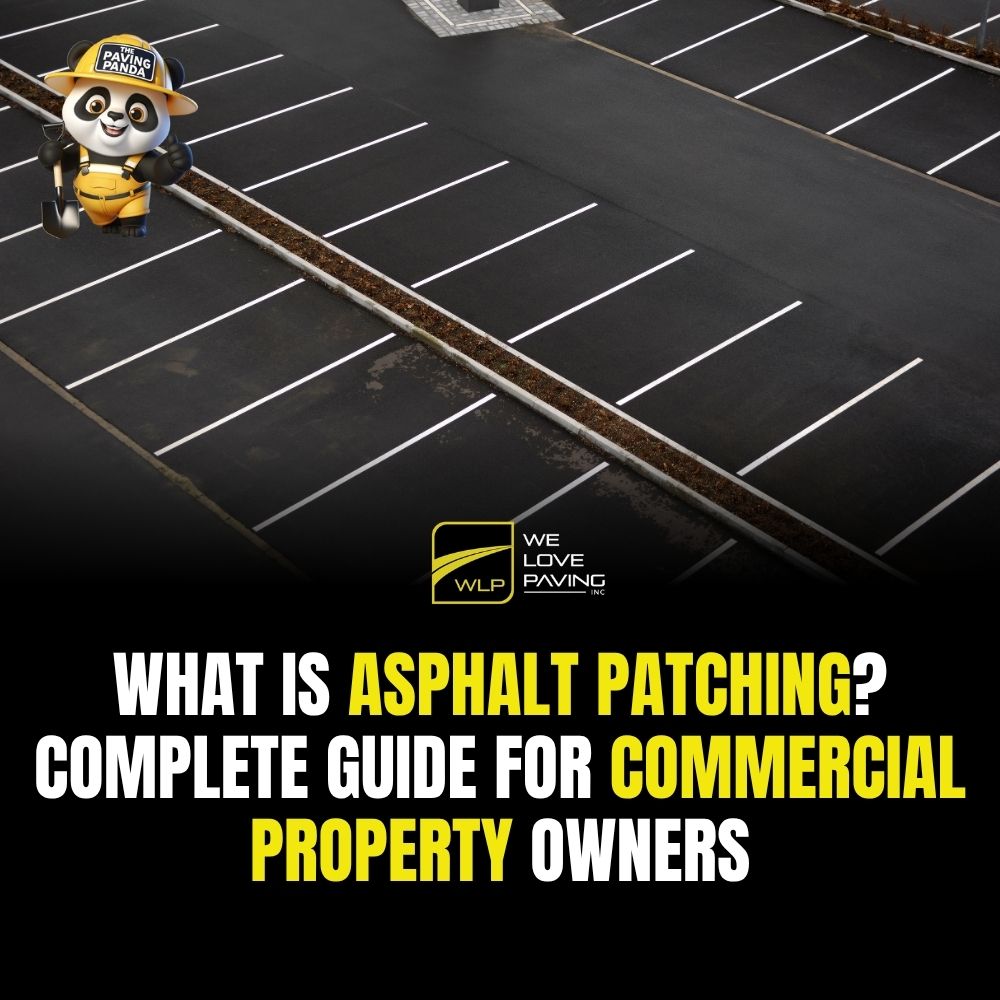
What Is Asphalt Patching? Complete Guide for Commercial Property Owners

What Is Asphalt Patching? Complete Guide for Commercial Property Owners

November 11, 2025

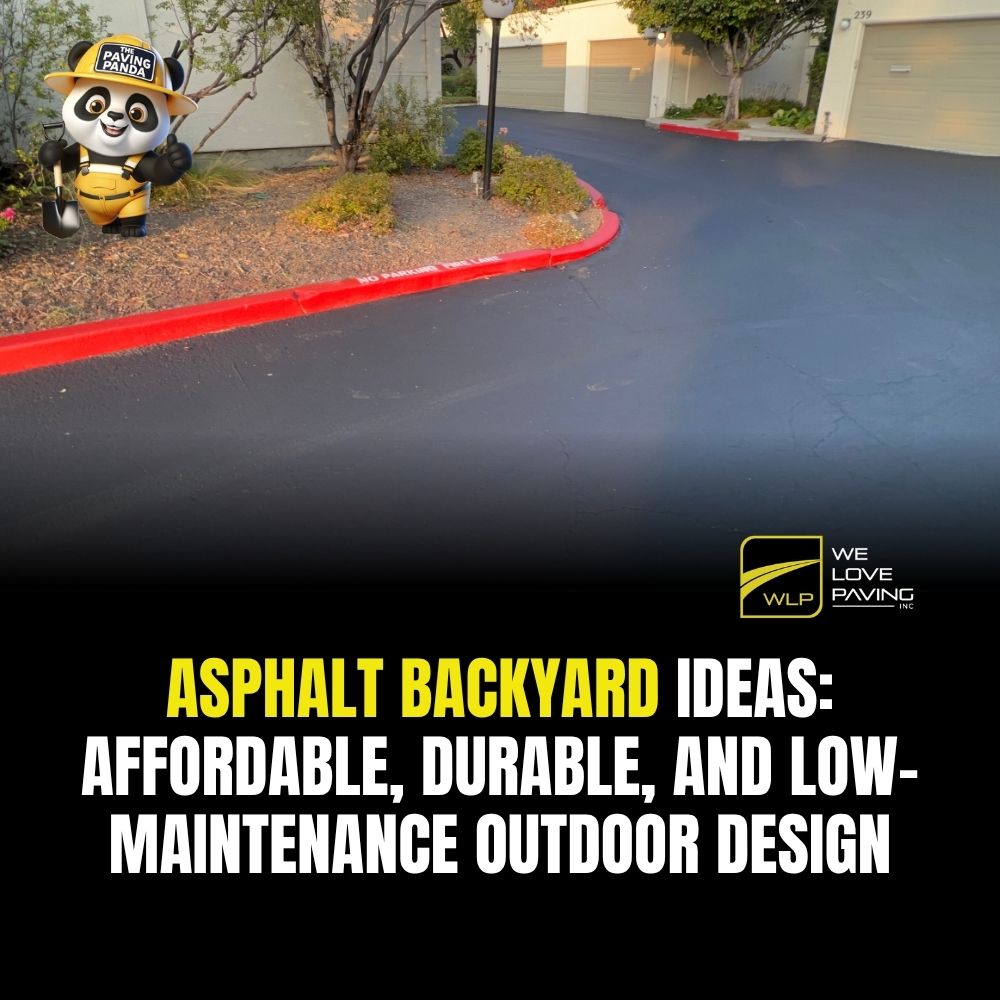
Asphalt Backyard Ideas: Affordable, Durable, and Low-Maintenance Outdoor Design

Asphalt Backyard Ideas: Affordable, Durable, and Low-Maintenance Outdoor Design

November 5, 2025

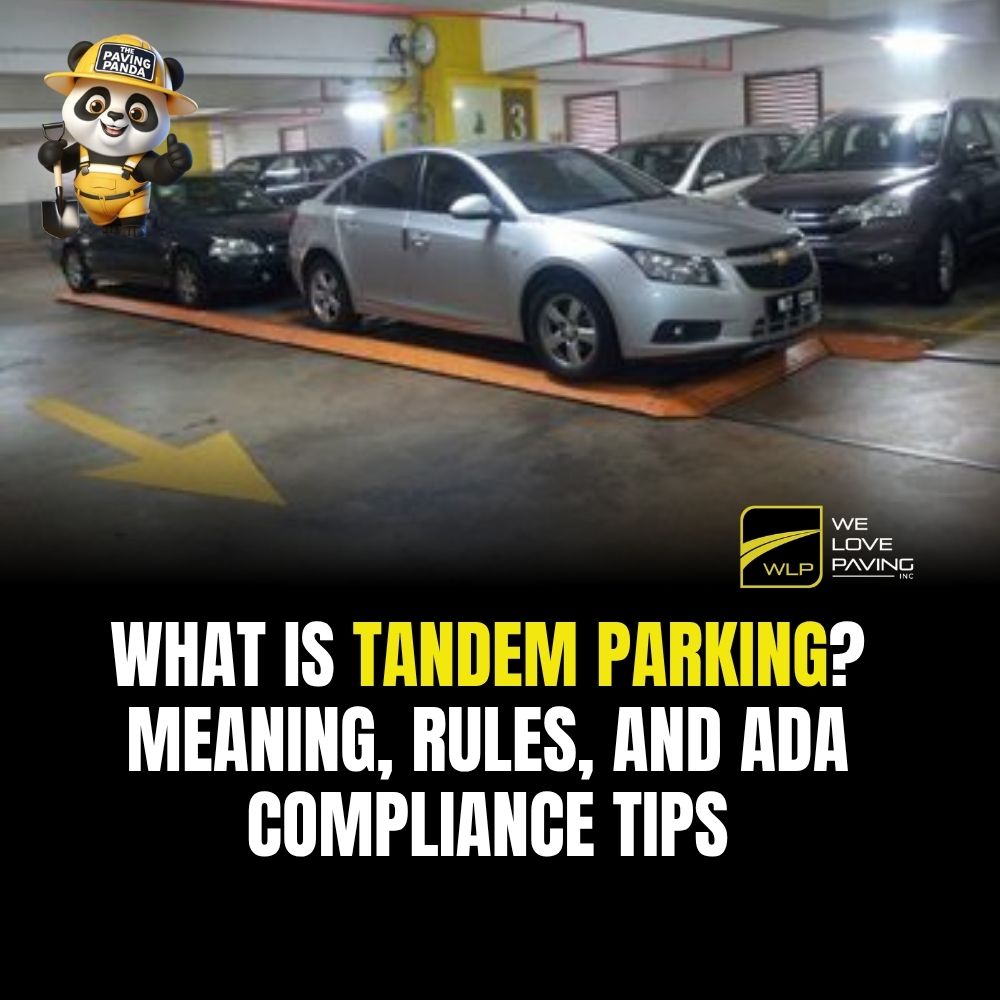
What Is Tandem Parking? Meaning, Rules, and ADA Compliance Tips

What Is Tandem Parking? Meaning, Rules, and ADA Compliance Tips

November 5, 2025

What Is Tandem Parking? Tandem parking refers to two or more vehicles parked end-to-end within a single elongated parking space. In this setup, one car must move to let the other exit, similar to cars sharing a narrow driveway. It’s a design solution often used in space-limited properties, such as multi-family buildings, apartment complexes, or

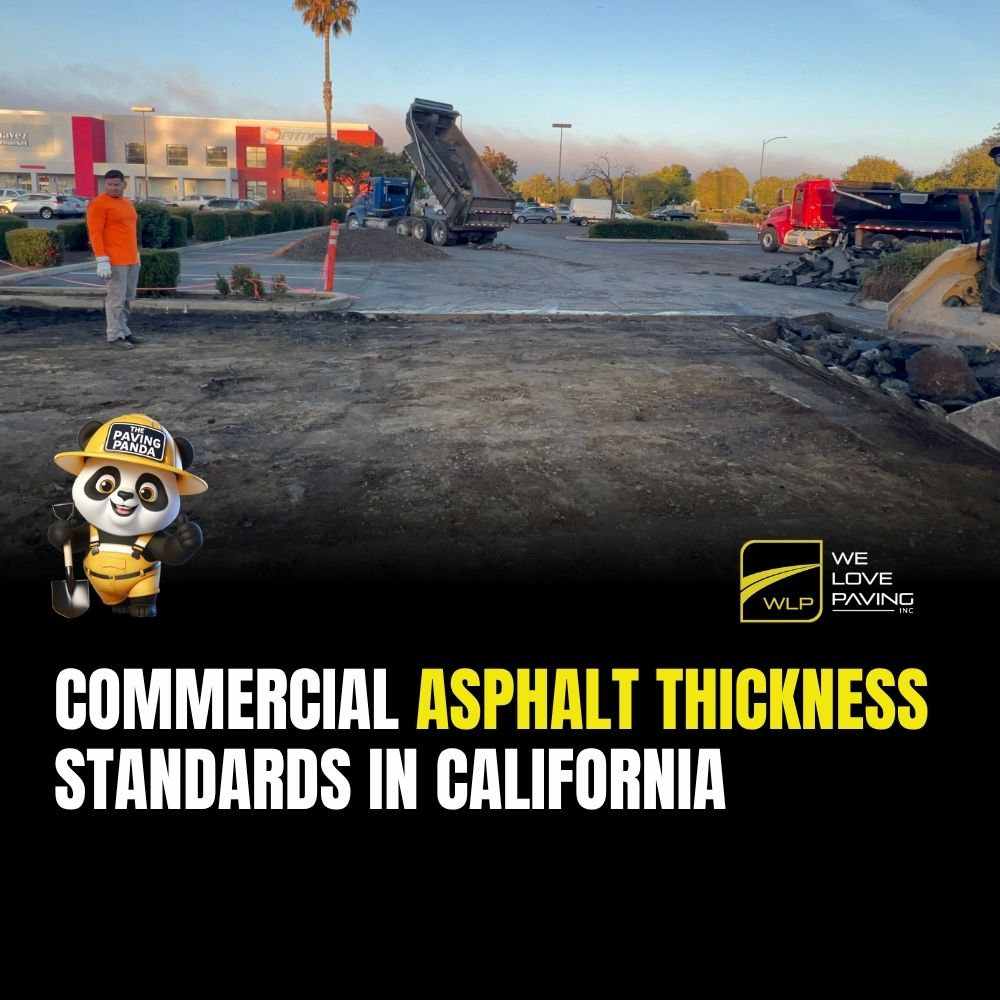
Commercial Asphalt Thickness Standards in California

Commercial Asphalt Thickness Standards in California

November 4, 2025

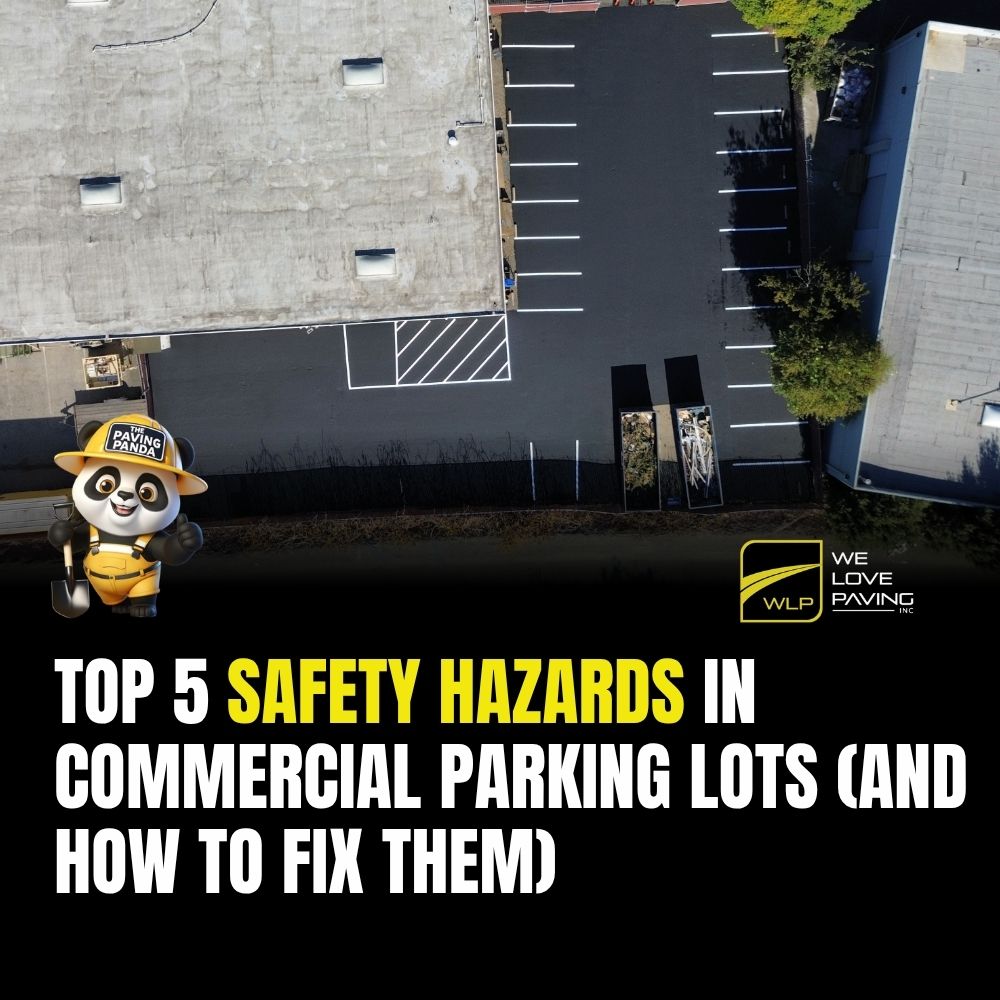
Top 5 Safety Hazards in Commercial Parking Lots (and How to Fix Them)

Top 5 Safety Hazards in Commercial Parking Lots (and How to Fix Them)

November 1, 2025

Your parking lot is more than a place to park — it’s the first and last part of your property that every visitor experiences.And if it’s not maintained properly, it can quickly become a liability nightmare. From trip hazards to poor visibility, these seemingly small issues can lead to accidents, lawsuits, and damaged reputations.Here are

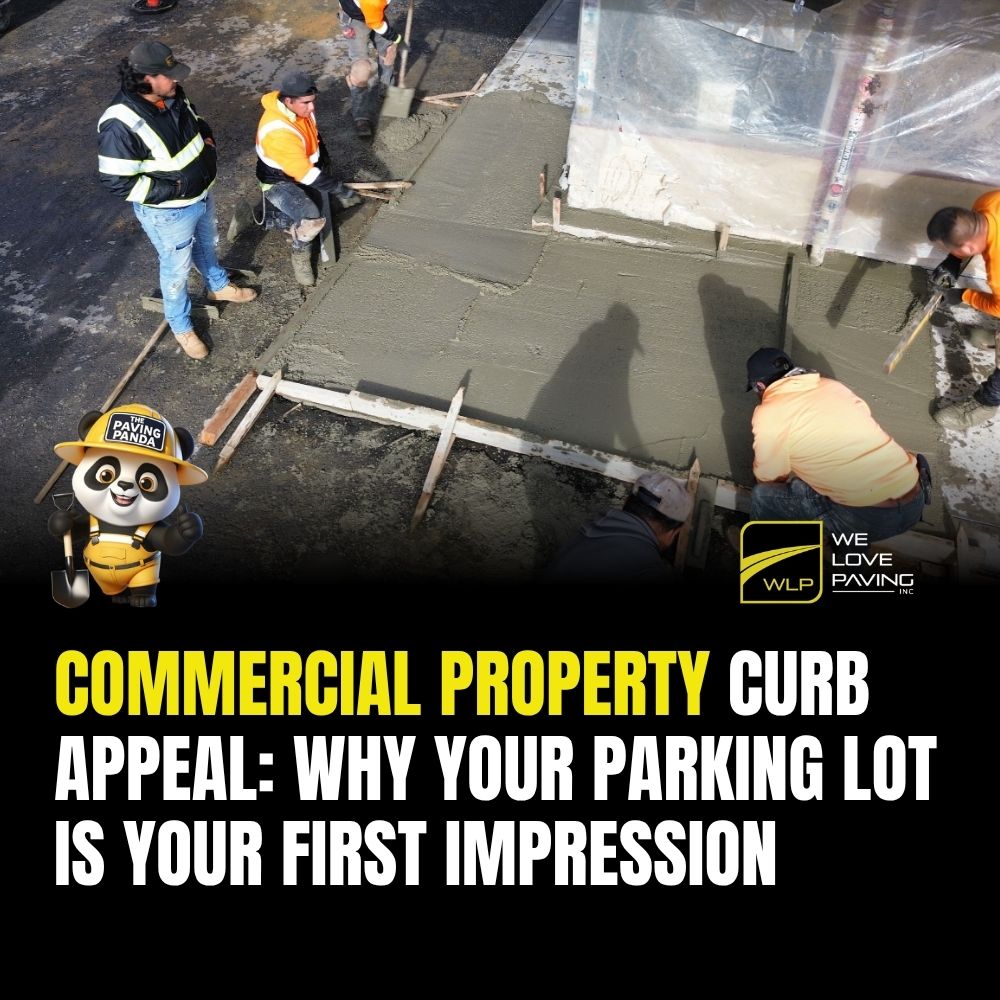
Commercial Property Curb Appeal: Why Your Parking Lot Is Your First Impression

Commercial Property Curb Appeal: Why Your Parking Lot Is Your First Impression

November 1, 2025

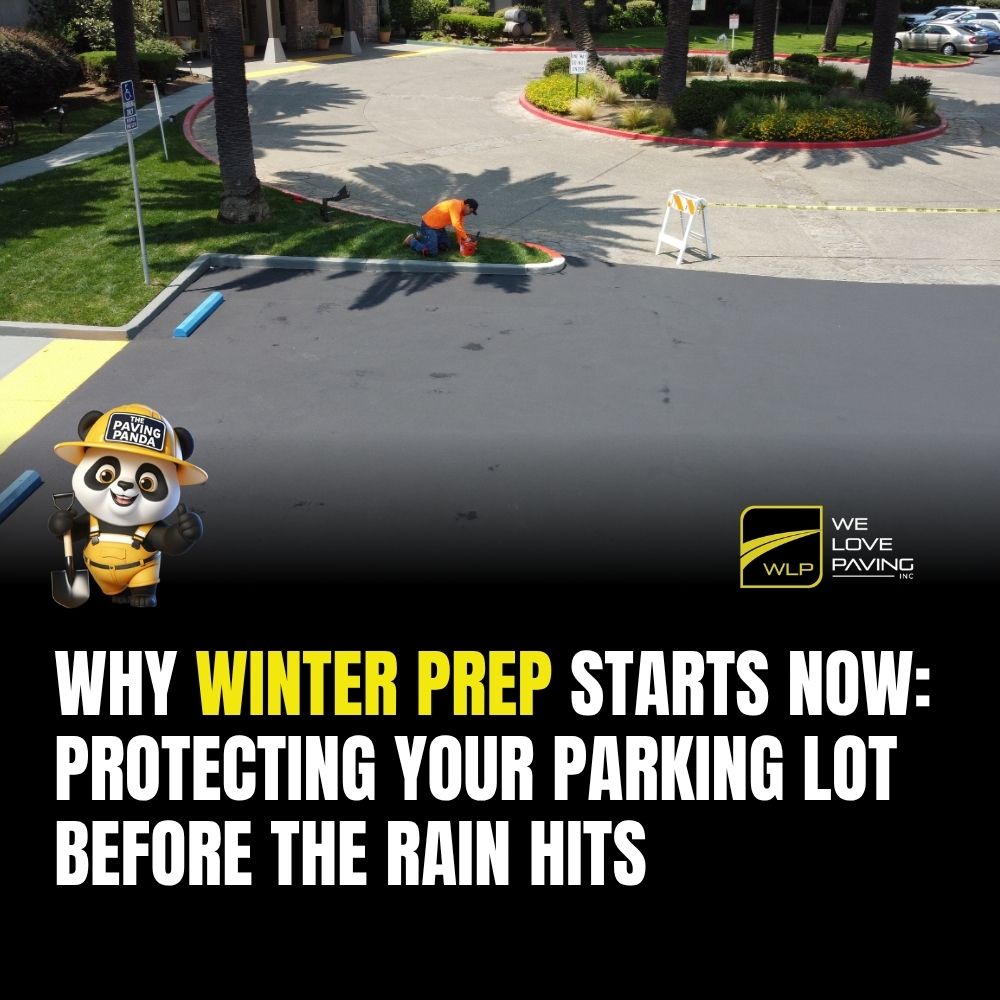
Why Winter Prep Starts Now: Protecting Your Parking Lot Before the Rain Hits

Why Winter Prep Starts Now: Protecting Your Parking Lot Before the Rain Hits

November 1, 2025

Pavement Density Testing: Why Compaction Is the #1 Factor in Asphalt Longevity

October 30, 2025

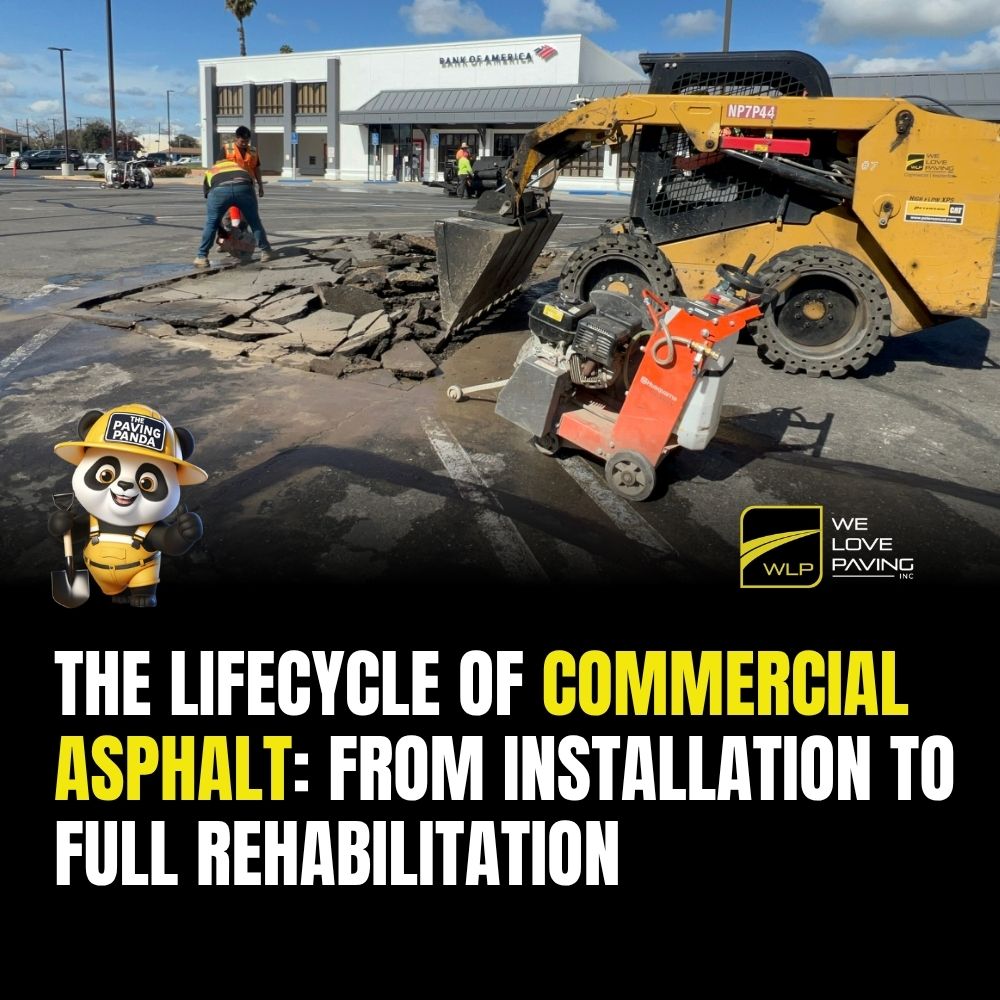
The Lifecycle of Commercial Asphalt: From Installation to Full Rehabilitation

The Lifecycle of Commercial Asphalt: From Installation to Full Rehabilitation

October 30, 2025

Why Understanding Pavement Lifecycle Matters Every parking lot and roadway has a lifespan — but how long it lasts depends on how it’s designed, installed, and maintained.For property owners and facility managers, understanding the lifecycle of asphalt pavement is key to planning budgets, extending surface life, and avoiding costly full replacements. At We Love Paving,

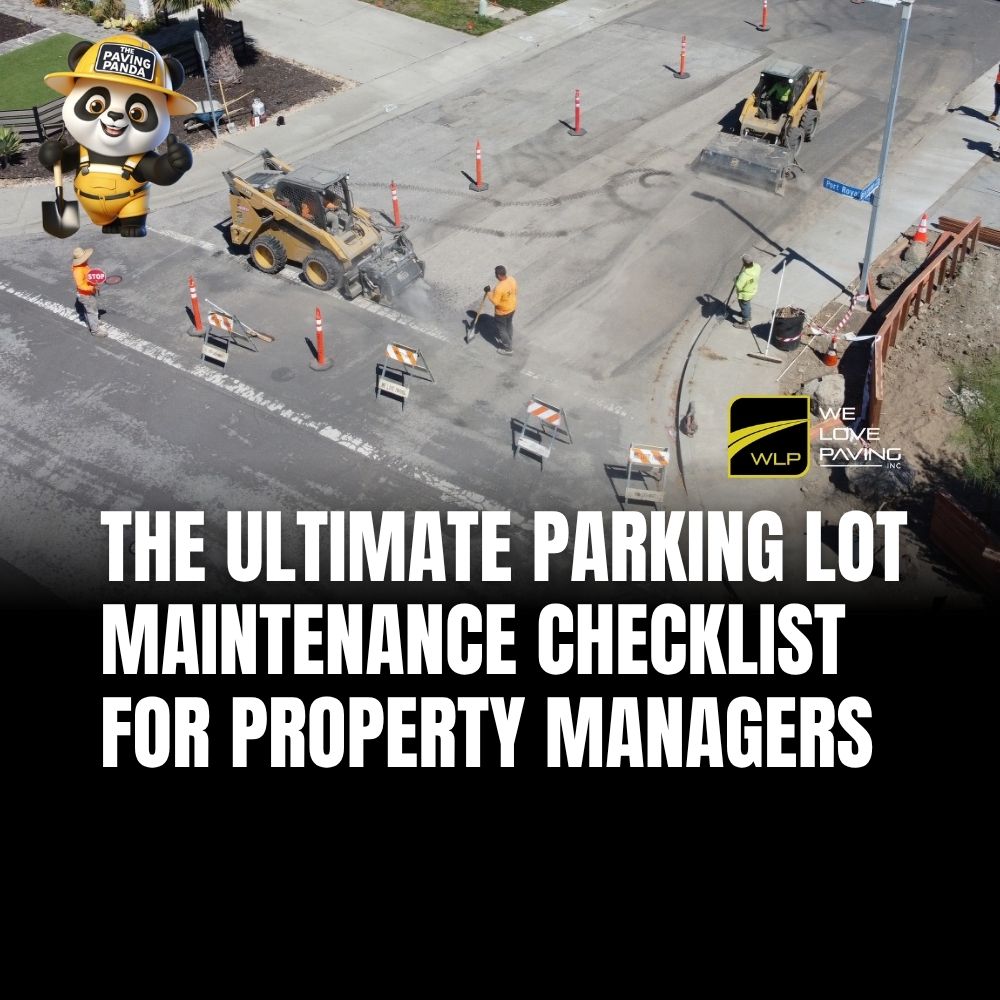
The Ultimate Parking Lot Maintenance Checklist for Northern California Property Managers

The Ultimate Parking Lot Maintenance Checklist for Northern California Property Managers

October 27, 2025

Previous Next