What Is Tandem Parking? Meaning, Rules, and ADA Compliance Tips

We Love Paving services in San Ramon. Professional paving contractor serving San Ramon and Mission District areas.
Get My Free Quote

Need Help with Your Paving Project?

✔ Free Project Evaluation
✔ ADA Compliance Experts
✔ Commercial & Residential

What Is Tandem Parking?

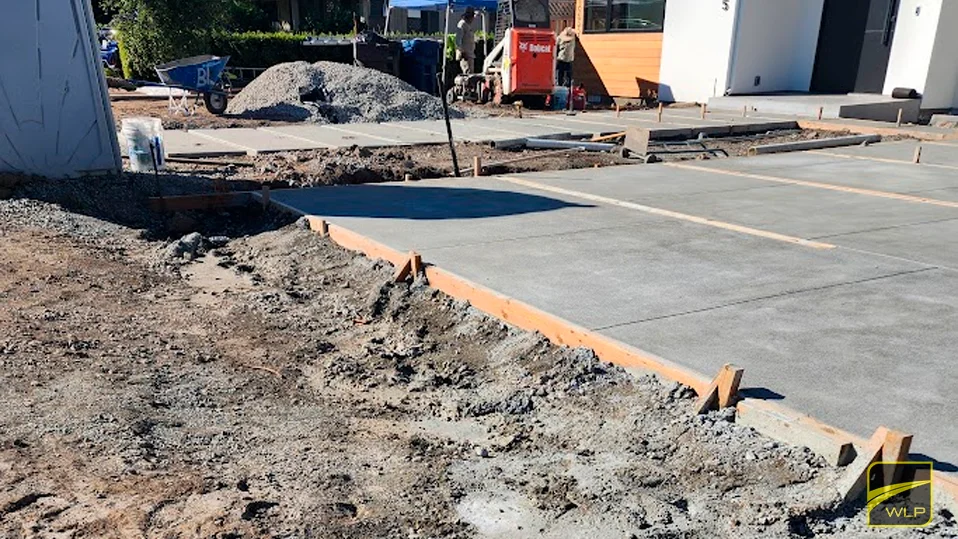
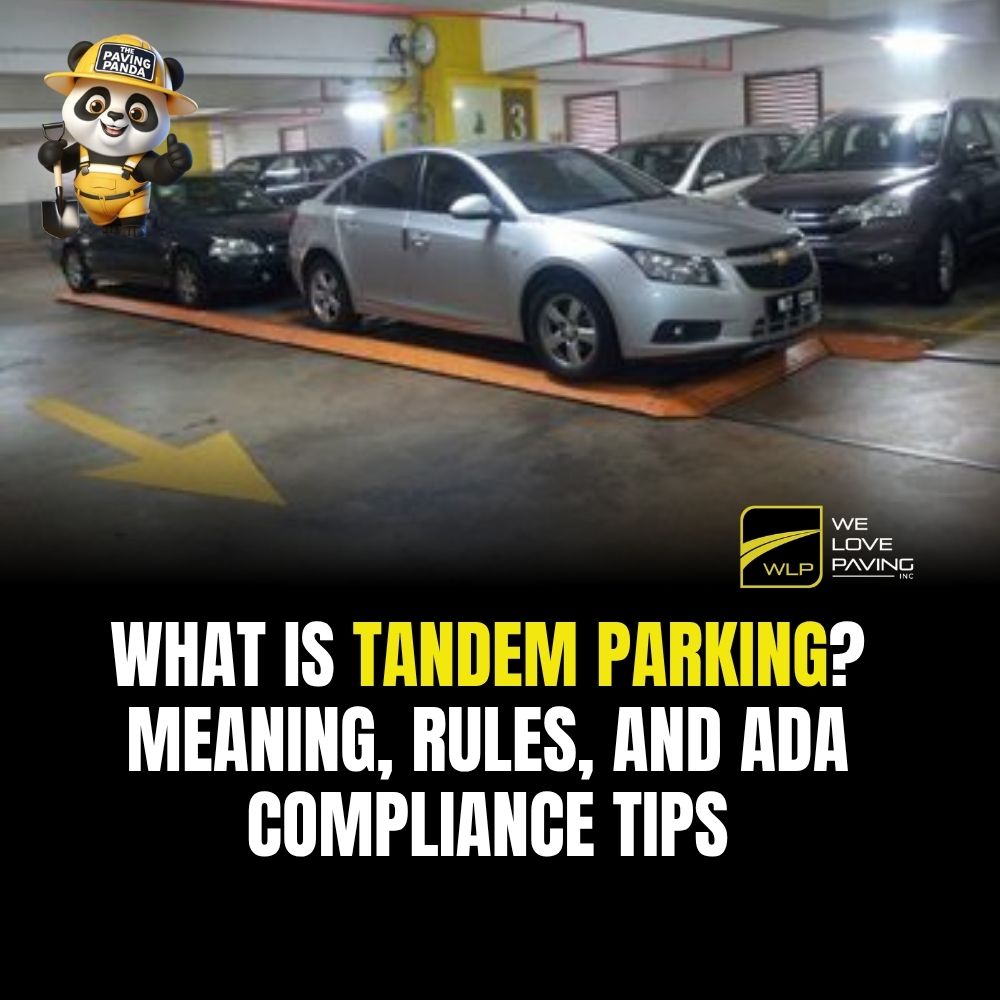
Tandem parking refers to a linear parking configuration where two or more vehicles are parked one behind the other within a single, elongated parking space. In this setup, the rear vehicle must move to allow the front vehicle to exit, similar to how cars share a narrow tandem driveway.

It is a strategic design solution frequently utilized in space-constrained properties such as multi-family buildings, apartment complexes, or commercial lots—where maximizing parking density is the primary objective.

If you want to ensure your layout meets California requirements, especially regarding ADA Compliance 2026, consult our ADA Parking Spaces in 2026: The Complete Compliance Guide. This guide covers essential technicalities such as independent access, slopes, accessible aisles, and the latest legal updates.


Tandem Parking Dimensions & Standards

To qualify as a functional tandem space, the dimensions must accommodate two standard vehicles in a linear parking configuration:

Parking Type Standard Dimensions Typical Square Footage
Standard Stall 9′ x 18′ 162 sq. ft.
Tandem Stall (2 cars) 9′ x 36′ 324 sq. ft.
Tandem Driveway Variable Based on Lot Depth

Tandem Garage vs. Outdoor Parking Stalls

A Tandem Garage is an enclosed structure designed to house two vehicles in a row. While an outdoor tandem stall is common in commercial lots, a tandem garage is a strategic residential asset. It increases property value by providing indoor storage for two cars on a lot too narrow for a traditional side-by-side double garage. For homeowners, a tandem driveway or garage often represents a 15-20% increase in utility over single-car properties in high-density zones.

Why is Tandem Parking Common?

Tandem parking helps maximize the number of parking stalls within a limited area. Property managers and real estate developers typically utilize this configuration when:

  • The property has limited square footage.

  • Local zoning codes require a specific number of spaces per unit.

  • The lot layout cannot accommodate traditional stalls with independent access.

While this design is practical for increasing parking density, it presents operational challenges that must be carefully managed.


Common Challenges with Tandem Parking

While highly efficient for space management, tandem parking can lead to several operational hurdles:

  • 🚗 Blocked Access: The primary drawback is “vehicle trapping,” where the rear vehicle must be moved before the front one can exit.

  • 🧭 Coordination Issues: Tenants or residents must communicate constantly to manage vehicle shuffling and avoid blocking each other.

  • ⚠️ Emergency Access Concerns: If poorly designed, tandem stalls can inadvertently obstruct fire lanes or designated emergency routes.

  • ADA Non-Compliance: Many tandem configurations fail to meet accessibility standards because they do not provide independent access for individuals with disabilities.


Tandem Parking and ADA Compliance

According to the Americans with Disabilities Act (ADA), accessible parking spaces must provide independent access, meaning a person with mobility impairments should not need another driver to move their car.

Therefore, tandem parking spaces are generally not allowed to count as accessible (ADA) spaces, unless specific modifications exist:

  • The space includes a dedicated access aisle.

  • The space is reserved exclusively for valet or staff use with proper signage.

  • The design follows local city code exceptions under an approved design via permit.

Every city has slightly different rules. For example, many California municipalities prohibit tandem parking in commercial lots unless approved through a planning or conditional use process.


How We Love Paving Ensures Compliance

At We Love Paving, we design and construct parking lots that meet both ADA and city code standards while maximizing space efficiency.

Our team helps property owners:

  • Reconfigure existing tandem layouts to meet ADA requirements.

  • Properly stripe and sign accessible parking areas.

  • Manage city permit approvals for parking lot redesigns.

  • Create custom road markings and traffic flow systems that improve safety and accessibility.

Most property managers overlook ADA requirements because they lack a comprehensive checklist of all required elements (slopes, signage height, van access dimensions, etc.).

You can download the ADA Parking Lot Compliance Checklist from StopADA here.


Expert Advice for Compliant Layouts

Tandem parking can be an excellent way to maximize space, but only if it is designed correctly. Failure to comply with ADA regulations or local codes can lead to costly fines or the need for expensive restriping.

We Love Paving helps property managers, developers, and business owners ensure that every parking layout is legal, accessible, and professionally executed.

Need Immediate Help?

Let's Talk About Your Project

Don't wait until minor damage turns into major expenses. Our team of experts is ready to provide you with guaranteed solutions. Contact us now for direct advice from a professional.

Frequently Asked Questions (FAQ)

Got Questions? Find Your Answers Here!!

What is tandem parking and how does it work?

Tandem parking is a parking configuration where two vehicles are parked one behind the other in a single-width driveway or stall. In this setup, the car positioned at the back is effectively "boxed in" by the front vehicle, requiring coordination between drivers to move cars when needed. This design is strategically used in high-density urban developments to double parking capacity without increasing the building's footprint. In modern residential projects, implementing tandem stalls can reduce overall construction costs by up to 25% compared to side-by-side garage layouts.

Is tandem parking legal under ADA compliance rules?

Tandem parking generally does not meet ADA accessibility requirements for designated disabled spaces because it lacks the required unobstructed access aisles for each vehicle. The Americans with Disabilities Act mandates that every accessible space must have an adjacent access aisle that is not blocked by another car. However, exceptions exist in private residential complexes where both tandem spots are assigned to the same unit. Federal design guidelines suggest a minimum width of 11 feet for a space to be considered functionally accessible under specific local building codes.

What does it mean to have a tandem garage in a home?

A tandem garage is an enclosed parking structure designed with enough depth to accommodate two or more vehicles in a single row rather than side-by-side. This layout allows for a narrower house frontage, making it an ideal architectural solution for slim lots or modern townhouse designs. While one vehicle is parked near the garage door, the second is tucked directly behind it. Properties with tandem garages typically see higher resale values than those with only a single-car garage, especially in land-scarce metropolitan areas.

What are the essential rules for tandem parking?

The primary rule of tandem parking is "egress priority," where drivers must establish a key-sharing system or a synchronized departure schedule. It is vital to coordinate morning departure times to prevent unnecessary vehicle shuffles during peak hours. In commercial or valet-serviced lots, an attendant is legally required to manage vehicle rotation to maximize operational efficiency. Using high-visibility bumper guards is a recommended practice in these spaces to minimize low-speed contact damage when parking in tight, linear sequences.

What is the difference between tandem and standard parking?

The main difference lies in independent access: standard spaces allow any vehicle to enter or exit freely, while tandem parking is functionally dependent on the position of the neighboring car. Standard parking focuses on user convenience and rapid turnover, whereas tandem parking prioritizes land-use efficiency and maximum vehicle density. A typical tandem space measures between 36 and 40 feet in length, which is exactly the combined length of two standard parking stalls placed in a single linear sequence.

Professional customer review project by We Love Paving in Northern California, California. Verified local construction quality.

Fred / Founder

Fred, Founder and Regional Operations Manager at We Love Paving, comes from a family that values hard work and discipline. Growing up watching his parents work long hours with integrity and dedication, Fred learned early on that quality paving isn’t just about asphalt, it’s about consistency, accountability, and doing the job right.

Share

Posts That Might Interest You

California’s renowned Napa Valley

California’s renowned Napa Valley

March 29, 2026

economic development in Napa As Napa charts a course toward prosperity, We Love Paving emerges as a cornerstone in the city’s growth trajectory, spearheading the construction of new parking lots that lay the foundation for progress. Napa’s economic landscape is ripe with potential, anchored by institutions such as St. Joseph Health’s Queen of the Valley

Discover the Difference with We Love Paving

Discover the Difference with We Love Paving

March 29, 2026

Your Trusted Paving Partner When it comes to paving companies, finding one that truly stands out can be a challenge. But look no further than We Love Paving – your trusted partner for all your paving needs. Here’s why we’re the superior choice in the industry. Expertise and Experience At We Love Paving, we boast

ADA Parking 5 ways for compliance

ADA Parking 5 ways for compliance

March 29, 2026

what to look for in ada parking #1 Signs of a Compliant ADA Parking Stall Signs of Non-Compliant ADA Parking Stalls Get a Sneak peek into our ADA handbook free!

Smart Strategies to Save Money on Paving Services in Northern California

Smart Strategies to Save Money on Paving Services in Northern California

March 29, 2026

Are you considering paving services in Northern California but worried about the costs? Whether you’re planning to upgrade your driveway, parking lot, or any other paved surface, managing expenses wisely is essential. Fortunately, there are several strategies you can employ to save money without compromising on quality. In this article, we’ll explore some smart ways

Next

Need Help with Your Paving Project?

✔ Free Project Evaluation
✔ ADA Compliance Experts
✔ Commercial & Residential