Is an Asphalt Paving Patio Better Than Concrete?

Quality paving materials used in Santa Clara County projects. Premium asphalt and concrete by We Love Paving in Santa Clara County, California.
Estimation Tools

Calculate costs in seconds

Fast, accurate estimates that help you close more jobs. Less guesswork, more profit.

When planning an outdoor living space, homeowners often face the choice between an asphalt paving patio and a concrete patio. Both options offer unique benefits and drawbacks, and the decision largely depends on factors such as aesthetics, budget, durability, and maintenance requirements. In this article, we will explore the pros and cons of asphalt paving patios and concrete patios to help you determine which option is better for your needs.

Asphalt Paving Patios

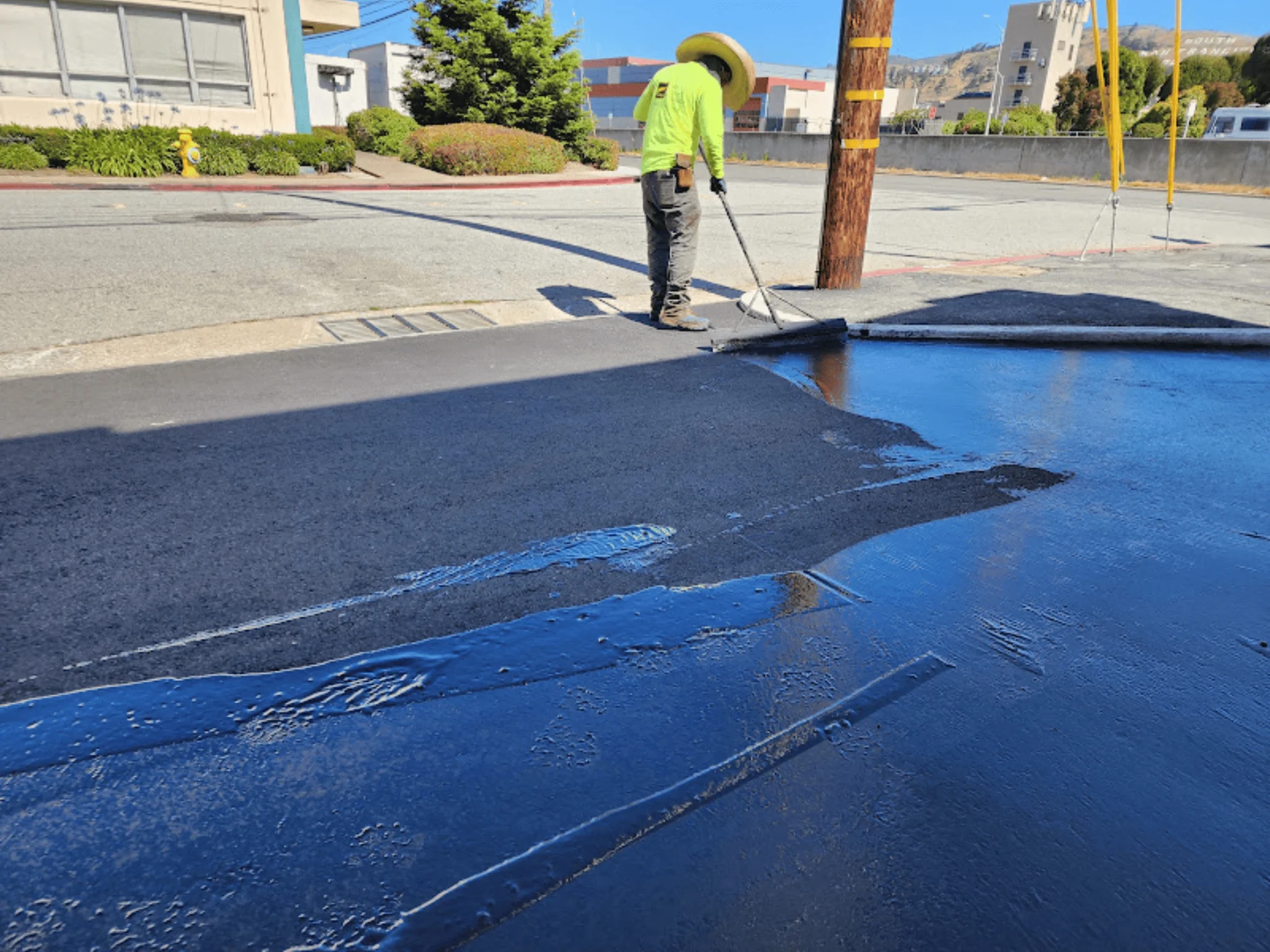
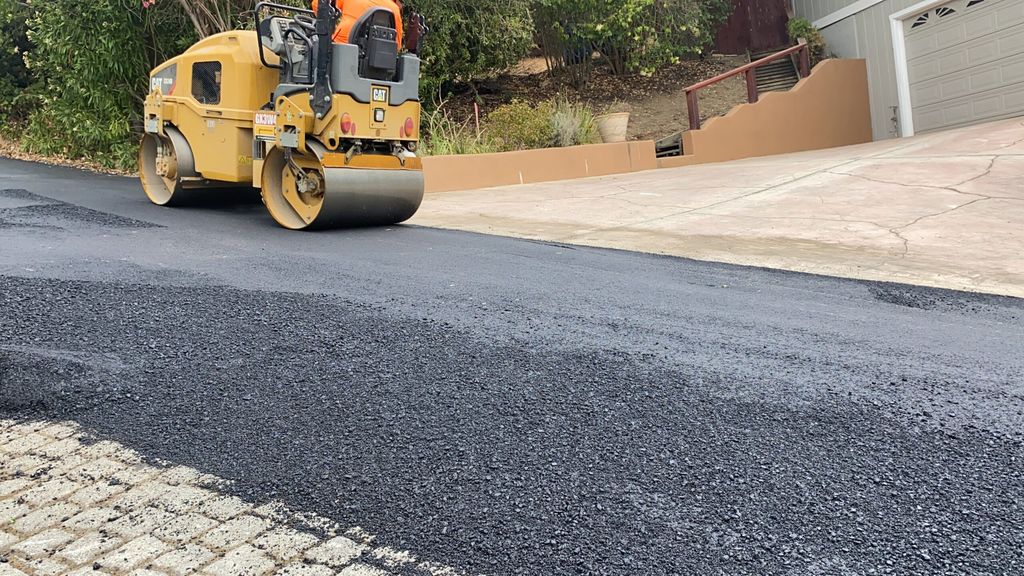
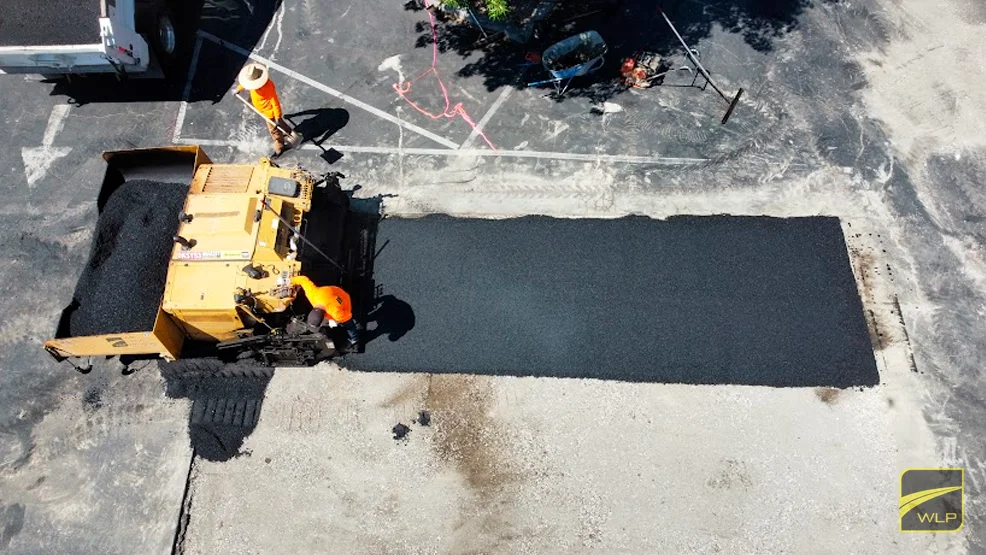
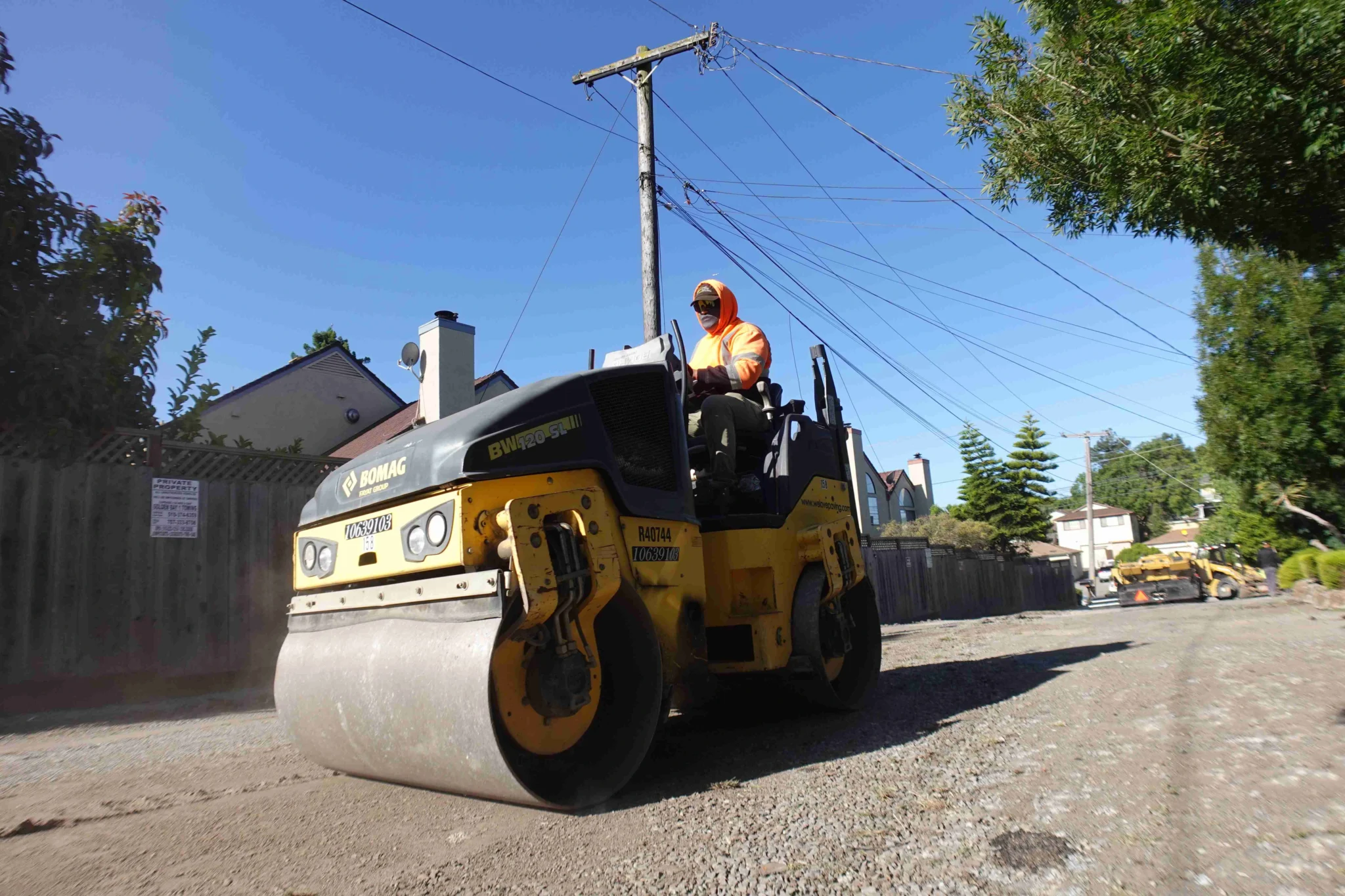
Asphalt paving patios are constructed using a mixture of aggregate (stone, sand, gravel) and asphalt binder, which is applied in layers and compacted to form a durable surface.

Pros of Asphalt Paving Patios:

  1. Cost-Effectiveness
    • Lower Initial Cost: Asphalt is generally less expensive to install than concrete. The materials and labor costs are lower, making it a more budget-friendly option.
    • Quick Installation: Asphalt paving can be installed relatively quickly, allowing homeowners to enjoy their new patio sooner.
  2. Durability and Flexibility
    • Flexibility: Asphalt is more flexible than concrete, making it less susceptible to cracking due to ground movement and freeze-thaw cycles. This flexibility helps it absorb minor shifts without significant damage.
    • Resilience: Asphalt can withstand heavy use and is resistant to wear and tear, making it suitable for high-traffic areas.
  3. Maintenance and Repair
    • Easy Repairs: Small cracks and potholes in asphalt can be repaired relatively easily and inexpensively. Asphalt patches and sealants are widely available and straightforward to apply.
    • Sealcoating: Regular sealcoating can extend the lifespan of an asphalt patio, protecting it from UV rays, water damage, and chemical spills.
  4. Aesthetic Options
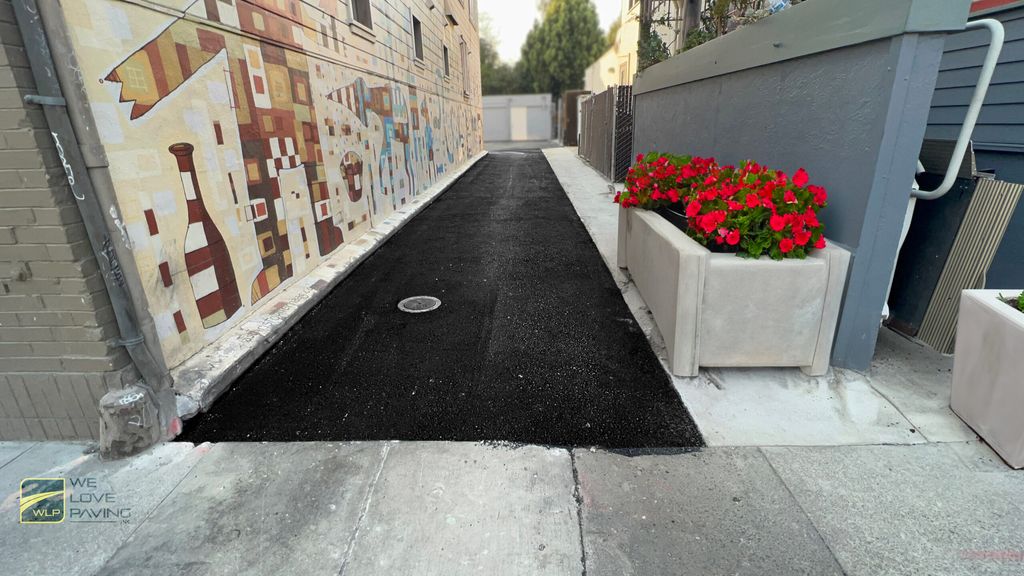
    • Dark Appearance: Asphalt’s dark color can create a sleek, modern look that complements various landscape designs. It also provides a nice contrast with greenery and other outdoor elements.

Cons of Asphalt Paving Patios:

  1. Maintenance Requirements
    • Regular Sealcoating: To maintain its appearance and durability, asphalt requires regular sealcoating every few years. This adds to the ongoing maintenance costs.
    • Susceptibility to Oil and Gas Stains: Asphalt can be stained by oil, gasoline, and other chemicals, which may require special cleaners and treatments to remove.
  2. Aesthetic Limitations
    • Limited Design Options: Asphalt does not offer the same range of design and color options as concrete. While it can be shaped and contoured, its appearance is relatively uniform compared to stamped or stained concrete.
  3. Heat Retention
    • Heat Absorption: Asphalt absorbs and retains heat, making it hot to the touch in sunny weather. This can make the surface uncomfortable to walk on during hot days.

Concrete Patios

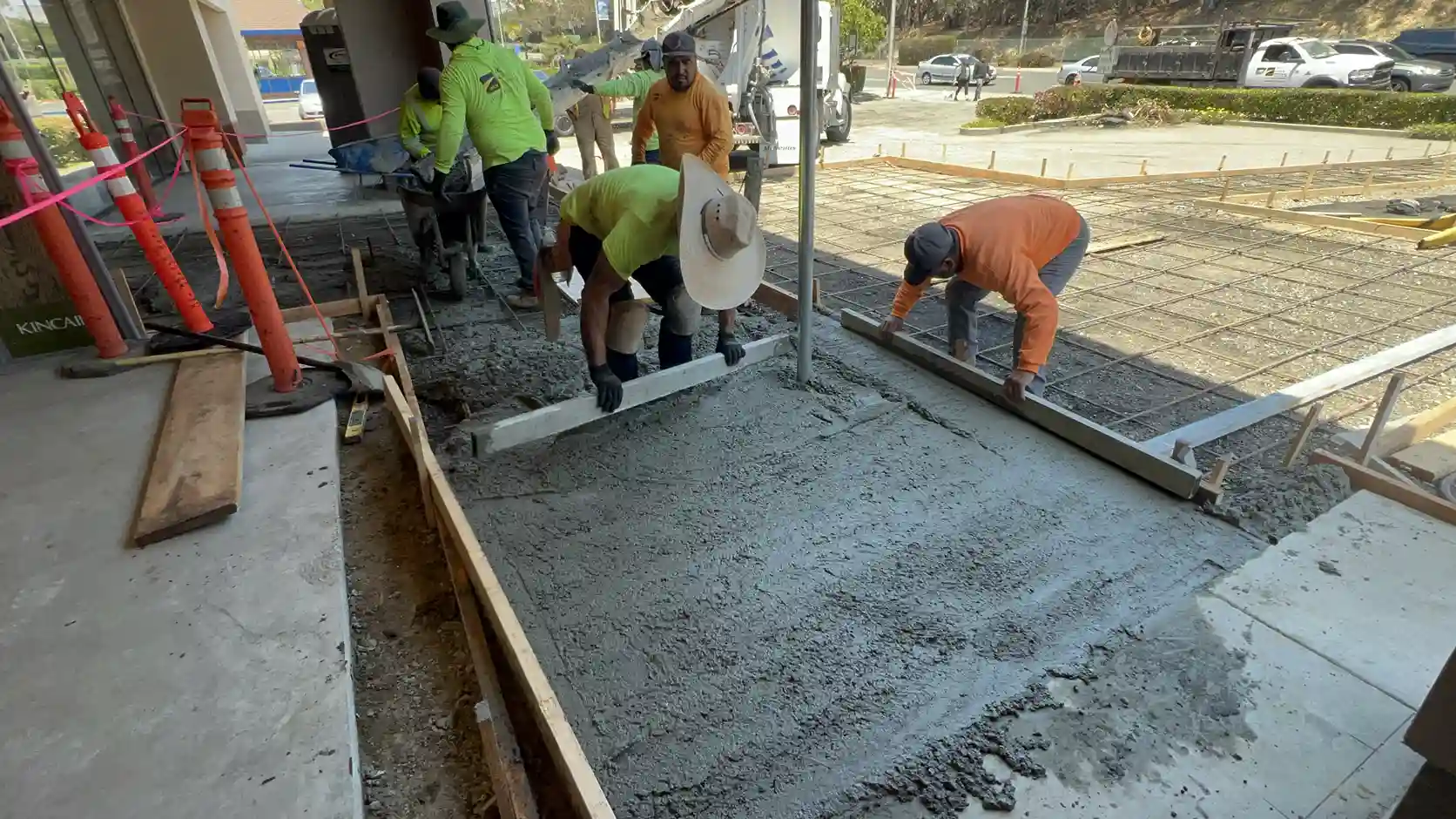
Concrete patios are constructed by pouring a mixture of cement, sand, gravel, and water into a formwork, creating a solid, continuous surface.

Pros of Concrete Patios:

  1. Versatile Design
    • Customization: Concrete can be stamped, stained, or colored to mimic the appearance of natural stone, brick, or tile. This versatility allows for a wide range of design possibilities to match any aesthetic.
    • Smooth Surface: Concrete provides a smooth, stable surface that is ideal for outdoor furniture and activities.
  2. Durability and Strength
    • Load-Bearing Capacity: Concrete is extremely strong and can support heavy loads, making it suitable for areas with high traffic or large outdoor structures.
    • Long Lifespan: When properly maintained, concrete patios can last for decades, providing a long-term solution for outdoor living spaces.
  3. Low Maintenance
    • Easy Cleaning: Concrete surfaces are easy to clean and maintain. Regular sweeping and occasional power washing can keep a concrete patio looking fresh.
    • Resistant to Staining: With proper sealing, concrete is resistant to stains from oil, grease, and other substances.

Cons of Concrete Patios:

  1. Prone to Cracking
    • Susceptibility to Cracking: Concrete is rigid and can crack due to ground movement, freeze-thaw cycles, and other environmental factors. Repairing concrete cracks can be challenging and may require professional assistance.
    • Costly Repairs: Repairing or resurfacing a damaged concrete patio can be expensive, and in some cases, the entire patio may need to be replaced.
  2. Installation Time and Cost
    • Higher Initial Cost: Concrete patios can be more expensive to install than asphalt due to higher material and labor costs.
    • Longer Installation Time: Installing a concrete patio is a more time-consuming process, requiring proper curing time before it can be used.
  3. Drainage Issues
    • Water Runoff: Concrete is an impermeable surface, which can lead to water runoff and potential drainage problems. Proper grading and drainage systems are necessary to manage water flow.
  4. Heat Retention
    • Heat Absorption: Similar to asphalt, concrete can become hot in direct sunlight, making it uncomfortable to walk on during hot weather.

Conclusion

Choosing between an asphalt paving patio and a concrete patio depends on various factors, including budget, design preferences, maintenance willingness, and climate considerations.

Asphalt paving patios offer cost-effectiveness, quick installation, flexibility, and ease of repair, making them a practical choice for homeowners looking for a durable and budget-friendly option. However, they require regular maintenance, including sealcoating, and have limited design options.

Concrete patios, on the other hand, provide versatile design possibilities, strength, and a long lifespan, making them a desirable option for those willing to invest in a more customizable and durable surface. They require less frequent maintenance but are more prone to cracking and can be more expensive to install and repair.

Need Immediate Help?

Let's Talk About Your Project

Don't wait until minor damage turns into major expenses. Our team of experts is ready to provide you with guaranteed solutions. Contact us now for direct advice from a professional.

Frequently Asked Questions (FAQ)

Got Questions? Find Your Answers Here!!

Is an asphalt patio better than a concrete patio?

Whether an asphalt patio is better than concrete depends on budget and climate priorities. Asphalt costs aproximadamente forty percent less than concrete initially but requires maintenance every three years. Concrete offers superior structural longevity and aesthetics, yet asphalt’s flexibility prevents the rigid cracking often seen in large concrete slabs during California’s seismic shifts.

What are the cost differences between asphalt and concrete patios?

The cost differences between asphalt and concrete patios are significant, with asphalt typically priced at five to ten dollars per square foot. Concrete installations often range from ten to twenty dollars per square foot. While asphalt has lower upfront costs, concrete’s fifty-year lifespan reduces long-term replacement frequency compared to asphalt's twenty-year average durability.

Why choose asphalt for a backyard patio instead of concrete?

Property owners choose asphalt for a backyard patio because the material is more flexible and resistant to freeze-thaw cycles than rigid concrete. Asphalt’s dark surface absorbs heat, which accelerates snow melting in winter. Additionally, asphalt patios can be used within forty-eight hours of installation, whereas concrete requires seven days to achieve full load-bearing strength.

How does maintenance compare between asphalt and concrete patio surfaces?

Maintenance for asphalt patios involves applying a professional sealcoat every three to five years to prevent oxidation and moisture penetration. Concrete patios require less frequent sealing but are prone to permanent staining from oil or organic debris. Neglecting asphalt maintenance leads to raveling, while unsealed concrete may experience surface scaling and eighty percent more deep-seated discoloration.

What are the temperature differences between asphalt and concrete patios?

Temperature differences between asphalt and concrete patios are notable during summer, as asphalt absorbs ninety percent of solar radiation. This thermal absorption can make asphalt surfaces thirty degrees hotter than light-colored concrete under direct sunlight. Choosing concrete for pool decks or high-traffic barefoot areas prevents the thermal discomfort and potential surface burns associated with dark asphalt paving.

Professional customer review project by We Love Paving in Northern California, California. Verified local construction quality.

Fred / Founder

Fred, Founder and Regional Operations Manager at We Love Paving, comes from a family that values hard work and discipline. Growing up watching his parents work long hours with integrity and dedication, Fred learned early on that quality paving isn’t just about asphalt, it’s about consistency, accountability, and doing the job right.

Share

Posts That Might Interest You

What is Driveway Resurfacing? Expert Technical Guide to Asphalt Overlay and When to Use It

What is Driveway Resurfacing? Expert Technical Guide to Asphalt Overlay and When to Use It

April 15, 2026

THE BENEFITS OF RESURFACING In the world of driveway maintenance and improvement, asphalt resurfacing has emerged as a popular and effective solution. As time passes, even the most durable asphalt driveways can succumb to wear and tear, displaying cracks, potholes, and a worn-out appearance. However, instead of tearing up the entire driveway and starting from

Paving Technical Audit: Cost of Driveway Analysis

Paving Technical Audit: Cost of Driveway Analysis

April 14, 2026

A Comprehensive Guide For Homeowners Paving a driveway is a substantial undertaking for any homeowner. Beyond just enhancing curb appeal, it adds value and utility to the property. However, before diving into such a project, it’s crucial to grasp the diverse factors influencing the overall cost. This guide explores these elements, offering insights to empower

Why is Asphalt So Expensive? A 2026 Audit of Paving Costs and Market Dynamics

Why is Asphalt So Expensive? A 2026 Audit of Paving Costs and Market Dynamics

April 2, 2026

Paving costs have experienced a significant upward trend in recent years, leaving property owners questioning the reasons behind this surge. In this detailed exploration, we delve into the multifaceted factors contributing to the escalating costs of paving in 2026 and beyond. Material Costs and Market Dynamics The cornerstone of any paving project lies in its

What is the Square Foot Price for Asphalt?

What is the Square Foot Price for Asphalt?

April 2, 2026

Asphalt is a popular paving material used for driveways, parking lots, and roads due to its durability, affordability, and ease of installation. However, the cost of asphalt can vary significantly depending on several factors. In this blog post, we will explore the factors that influence the square foot price of asphalt, typical price ranges, and

Next

Estimation Tools

Calculate costs in seconds

Fast, accurate estimates that help you close more jobs. Less guesswork, more profit.