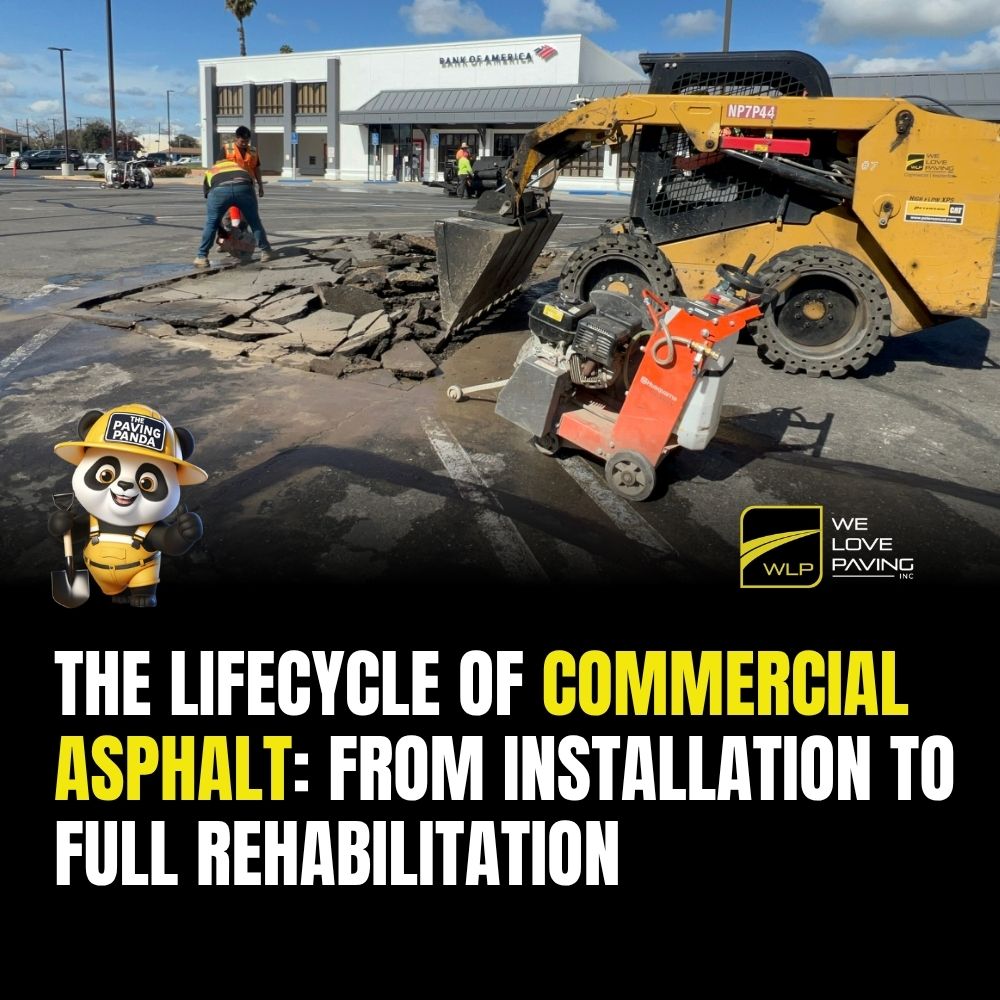
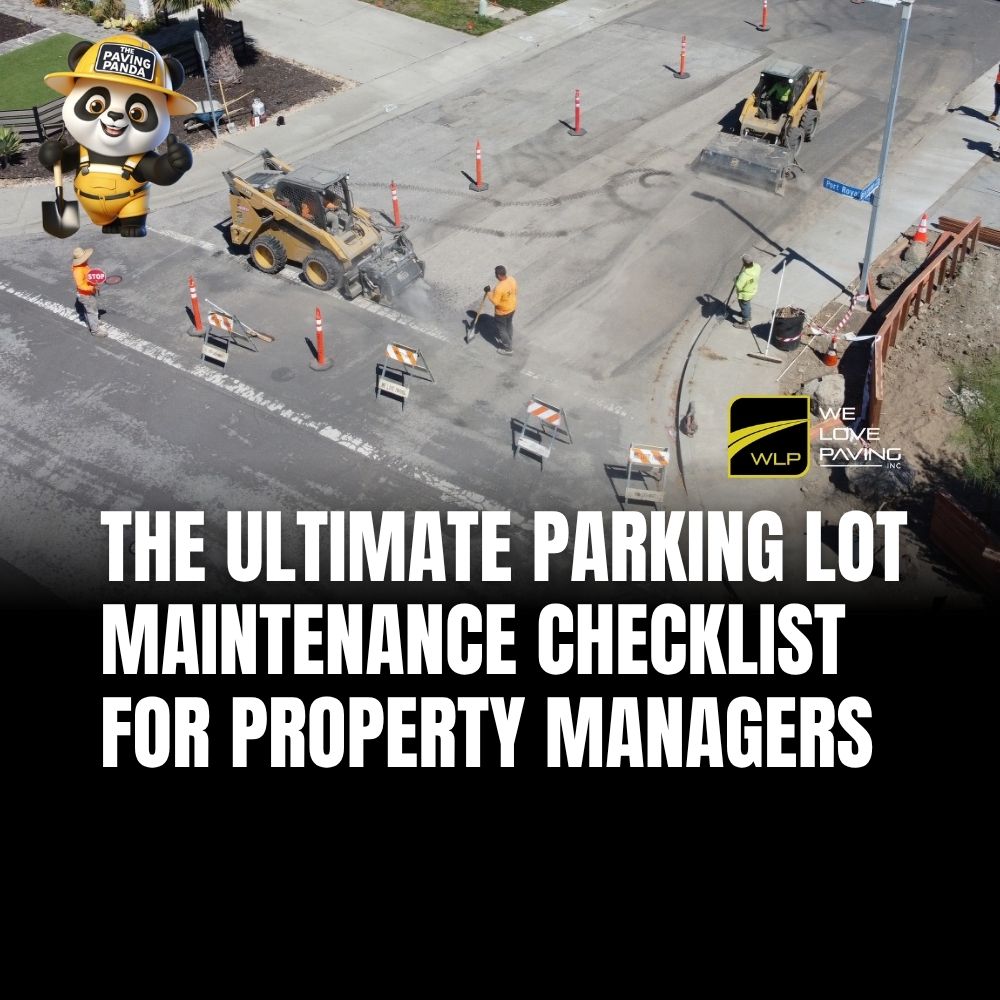
Maintaining asphalt pavement is essential for preserving its longevity, appearance, and functionality. Two of the most common methods for pavement maintenance are seal coating and repaving. While both serve to protect and enhance your pavement, they address different needs and situations. Understanding when to choose seal coating versus re-pave can save you money, time, and frustration. And in some cases increases a property value. Here’s a comprehensive guide to help you decide which option is right for your property.
What Is Seal Coating?
Seal coating involves applying a protective layer of sealant to the surface of asphalt pavement. This process helps shield the pavement from:
-
UV Rays: Prolonged sun exposure can cause asphalt to fade and dry out, leading to cracks.
-
Water Damage: Seal coating prevents water from seeping into small cracks, which can expand in freezing conditions.
-
Chemical Spills: Gasoline, oil, and other chemicals can degrade unprotected asphalt.
Benefits of Seal Coating:
-
Restores the rich black color of asphalt, enhancing curb appeal.
-
Extends the lifespan of pavement by protecting it from the elements.
-
Cost-effective for maintaining asphalt and preventing more extensive damage.
-
Provides a smoother surface for vehicles and pedestrians.
What Is Repaving?
Re-paving, or resurfacing, involves removing and replacing the top layer of asphalt. It’s a more intensive process than seal coating and is typically chosen when the pavement has significant damage or structural issues.
When to Consider Repaving:
-
Extensive Cracking: Large or interconnected cracks (alligator cracking) often indicate underlying structural damage.
-
Potholes: If your pavement has multiple potholes, patching alone may not be sufficient, and repaving could be the best solution.
-
Drainage Issues: Poor grading or drainage problems that lead to standing water can often be corrected during the repaving process.
-
Age: Asphalt pavements older than 15-20 years may require repaving to restore their functionality and appearance.
Benefits of Repaving:
-
Addresses underlying structural problems, not just surface issues.
-
Creates a brand-new surface, improving durability and aesthetics.
-
Increases the value of your property by offering a safer, more appealing environment.
How to Decide: Seal Coating or Repaving?
The decision often comes down to the condition of your pavement and your budget. Here’s a breakdown to help you make the right choice:
-
Inspect the Pavement:
-
Look for visible signs of wear such as cracks, discoloration, and potholes.
-
Assess whether the damage is superficial or structural.
-
-
Consider the Age of the Pavement:
-
Pavements under 5 years old generally benefit from seal coating.
-
Pavements older than 15 years often require repaving.
-
-
Factor in Your Budget:
-
Seal coating is more affordable and effective for maintaining asphalt that is in relatively good condition.
-
Repaving is a larger investment but addresses long-term problems and extends the lifespan of the pavement.
-
-
Evaluate Usage and Traffic:
-
High-traffic areas may require repaving sooner due to accelerated wear and tear.
-
Low-traffic areas can often be maintained with regular seal coating.
-
-
Consult a Professional:
-
If you’re unsure about the condition of your pavement, consult a paving expert. They can provide an assessment and recommend the best course of action.
-
Proactive Maintenance: A Balanced Approach
For optimal pavement health, many property owners adopt a proactive maintenance plan that combines both methods. Here’s how:
-
Regular Seal Coating: Apply seal coating every 2-3 years to protect the surface and delay the need for repaving.
-
Timely Repairs: Address small cracks and potholes as they appear to prevent further deterioration.
-
Periodic Repaving: Schedule repaving every 15-20 years, or as needed, to maintain a safe and attractive surface.
Conclusion
Seal coating and repaving are both essential tools for asphalt pavement maintenance, each serving different purposes. Seal coating is ideal for extending the life of relatively healthy pavement, while repaving is the best solution for addressing significant damage and structural issues. By assessing the condition of your pavement and consulting with professionals like WELOVEPAVING, you can choose the right option and protect your investment for years to come.