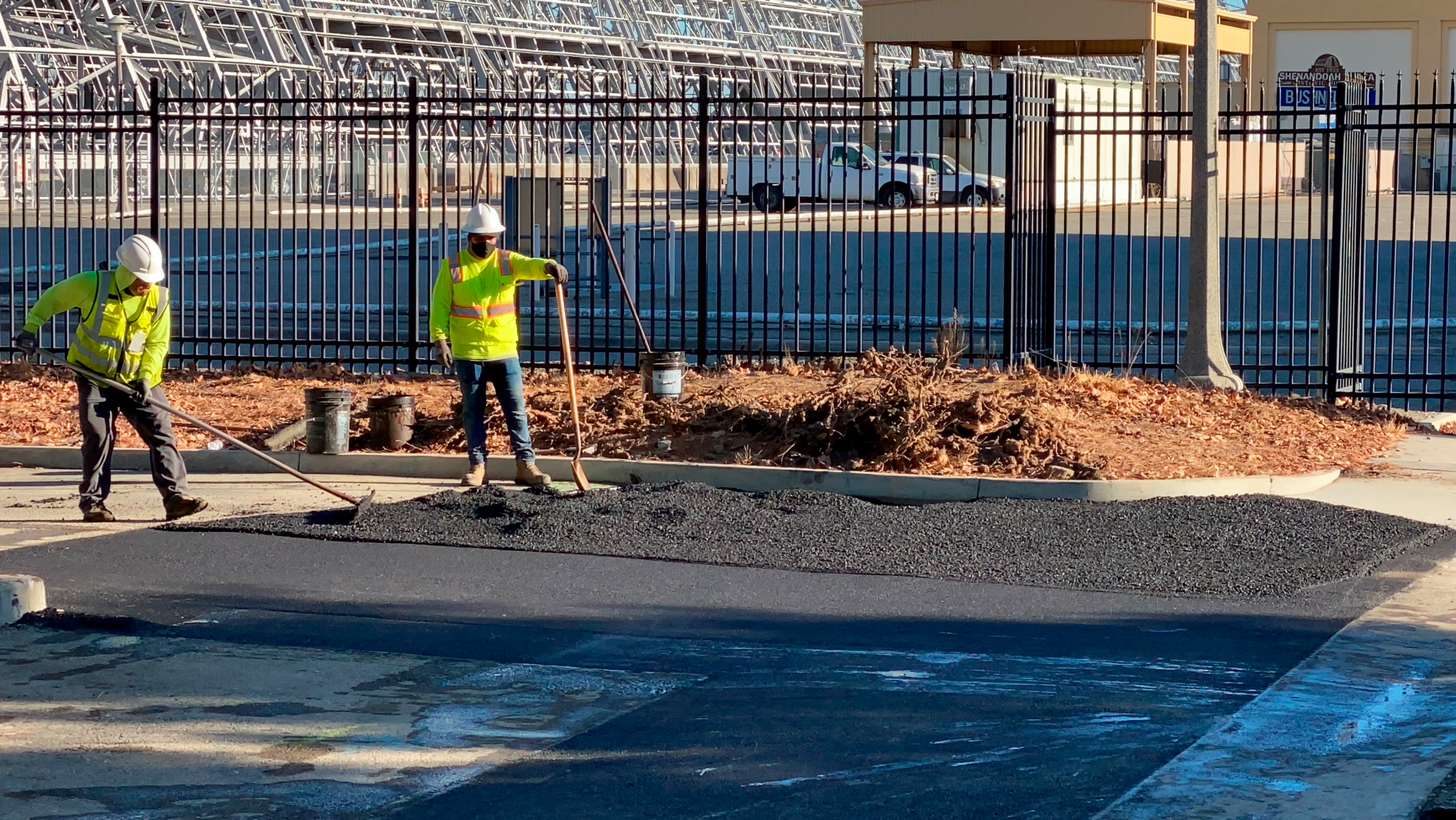
Paving a mile of road in California is a complex process influenced by various factors, including materials, labor, equipment, environmental regulations, and the geographical characteristics of the area. Understanding the costs involved requires breaking down these factors and examining them in detail. This blog delves into the intricacies of road paving in California, providing a comprehensive analysis of the costs associated with this essential infrastructure project.
Overview of Road Paving Costs
The cost of paving a road can vary significantly based on the type of road (urban, rural, highway), the materials used (asphalt, concrete), and the specific requirements of the project. In California, these costs are further influenced by stringent environmental regulations and the state’s diverse terrain.
Factors Influencing Road Paving Costs
Material Costs
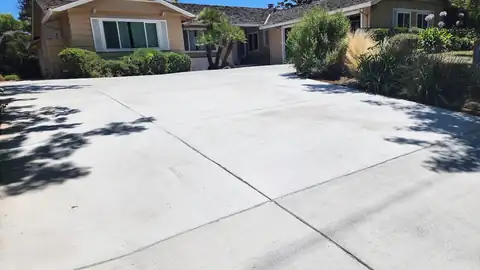
Asphalt vs. Concrete: Asphalt is typically less expensive than concrete, but concrete roads last longer and require less maintenance. The choice between these materials can significantly affect the overall cost.
Material Prices: The cost of materials fluctuates based on market conditions. For instance, the price of crude oil affects asphalt prices, while cement prices impact concrete costs.
Labor Costs
Wages: California has higher labor costs compared to other states due to its higher minimum wage and cost of living.
Union Labor: Many road construction projects in California employ unionized labor, which can be more expensive due to negotiated wages and benefits.
Equipment Costs
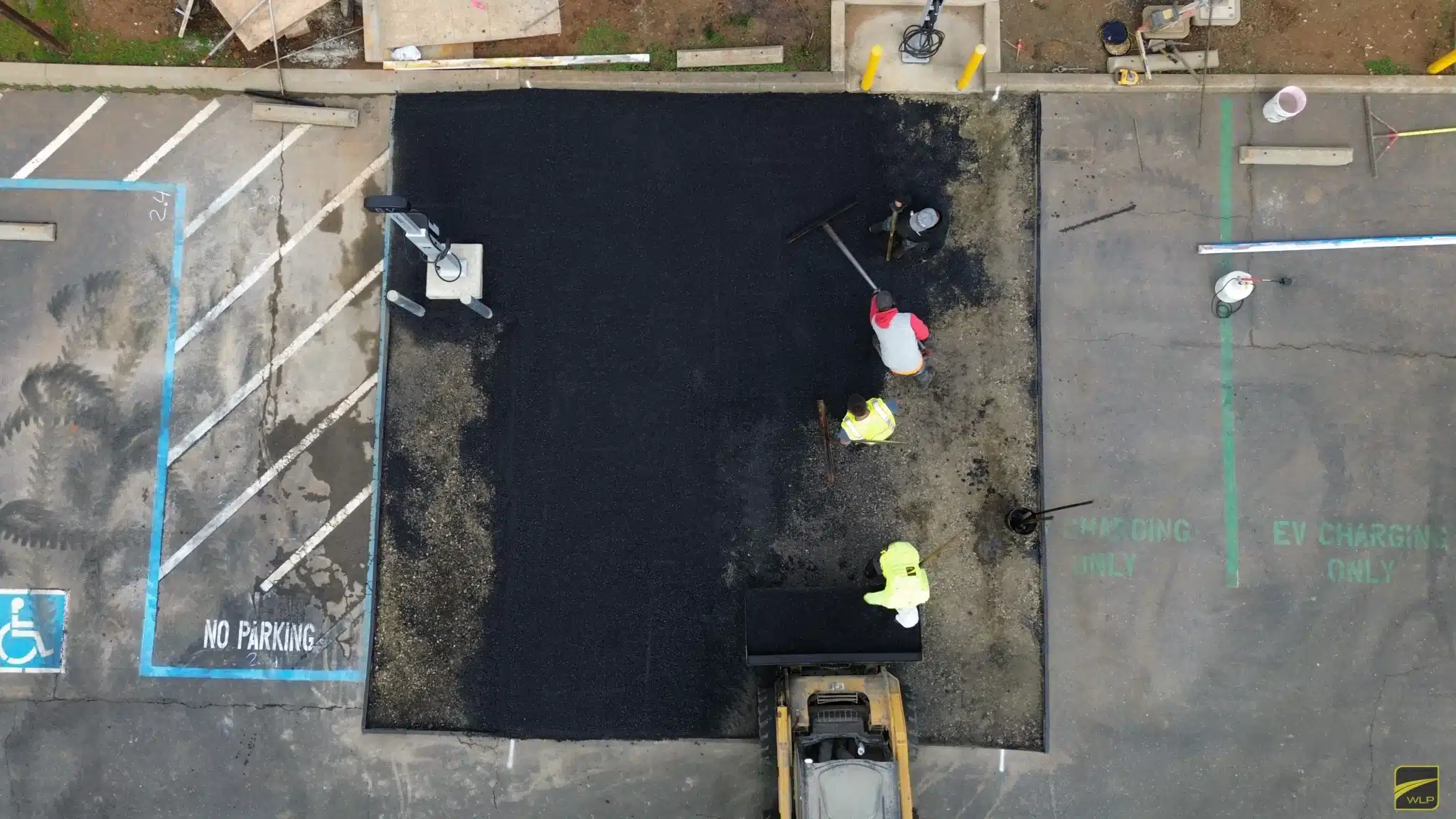
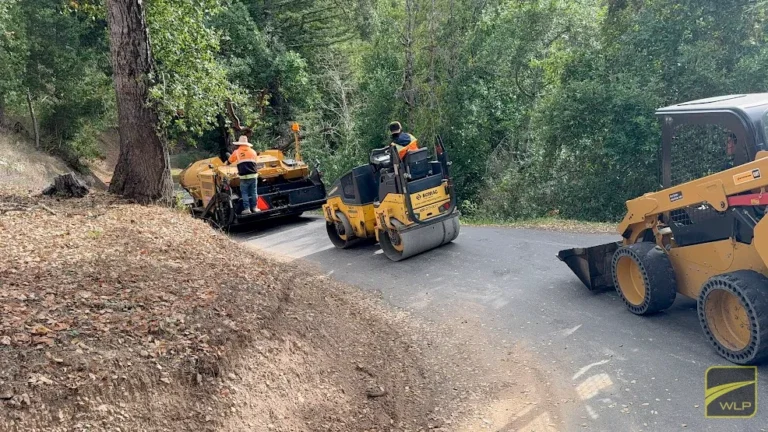
Machinery: Paving a mile of road requires various types of machinery, including pavers, rollers, and milling machines. The cost of renting or purchasing this equipment adds to the overall expense.
Maintenance: Regular maintenance and fuel costs for the machinery also contribute to the total cost.
Environmental Regulations
Permits: California has stringent environmental regulations, and obtaining the necessary permits for a road paving project can be costly and time-consuming.
Environmental Impact Mitigation: Measures to mitigate the environmental impact, such as erosion control and pollution prevention, add to the project cost.
Geographical Factors
Terrain: The geographical characteristics of the area, such as the presence of mountains, valleys, or wetlands, can complicate the construction process and increase costs.
Climate: Weather conditions in California, including the risk of wildfires and earthquakes, require specific construction methods and materials that can withstand these challenges.
Cost Breakdown by Road Type
Urban Roads
Description: Urban roads are typically found within cities and towns and are often multi-lane with sidewalks, curbs, and gutters.
Average Cost: The cost to pave a mile of urban road in California ranges from $2 million to $5 million. This high cost is due to the need for extensive traffic management, utility adjustments, and compliance with urban planning regulations.
Rural Roads
Description: Rural roads are usually single-lane or two-lane roads that connect smaller communities and agricultural areas.
Average Cost: The cost to pave a mile of rural road in California ranges from $1 million to $2.5 million. These roads are less expensive to construct than urban roads due to fewer infrastructure requirements and lower traffic volumes.
Highways and Freeways
Description: Highways and freeways are major transportation arteries designed to handle high traffic volumes and speeds.
Average Cost: The cost to pave a mile of highway or freeway in California can range from $5 million to $10 million or more. These projects are the most expensive due to the need for multiple lanes, complex interchanges, and high-quality materials to ensure durability.
Detailed Cost Analysis
To provide a more detailed analysis, let’s break down the costs associated with paving a mile of urban road in California.
Material Costs
- Asphalt: The cost of asphalt typically ranges from $80 to $150 per ton. Paving one mile of a two-lane urban road with asphalt requires approximately 7,000 tons, translating to material costs of $560,000 to $1,050,000.
- Concrete: Concrete is more expensive, with costs ranging from $100 to $200 per cubic yard. For one mile of a two-lane urban road, approximately 25,000 cubic yards of concrete are needed, resulting in material costs of $2.5 million to $5 million.
Labor Costs
- Hourly Wages: Skilled labor wages in California range from $50 to $100 per hour, depending on the job role and level of expertise.
- Total Labor Costs: For a project requiring 10,000 labor hours, total labor costs would range from $500,000 to $1 million.
Equipment Costs
- Rental Costs: Renting paving machinery can cost between $2,000 to $5,000 per day. For a project lasting 100 days, equipment rental costs could range from $200,000 to $500,000.
- Fuel and Maintenance: Additional costs for fuel and maintenance of the equipment can add another $50,000 to $100,000 to the budget.
Environmental and Regulatory Costs
- Permits and Fees: Obtaining the necessary permits can cost between $50,000 to $200,000, depending on the project’s complexity and location.
- Environmental Mitigation: Implementing measures to minimize environmental impact can add another $100,000 to $300,000 to the project cost.
Additional Costs
- Traffic Management: Managing traffic during construction in urban areas can be expensive, with costs ranging from $100,000 to $300,000.
- Contingency: A contingency fund of 10-20% of the total project cost is typically included to cover unforeseen expenses, adding another $200,000 to $1 million to the budget.
Case Study: Paving a Mile of Urban Road in Sacramento
To illustrate the cost analysis, let’s consider a hypothetical project to pave a mile of urban road in Sacramento.
Estimated Costs:
- Materials: $560,000 (asphalt)
- Labor: $750,000
- Equipment: $400,000
- Environmental and Regulatory: $250,000
- Traffic Management: $200,000
- Contingency: $400,000
Total Estimated Cost: $2.56 million
This case study demonstrates the complexity and high costs associated with paving urban roads in a major city like Sacramento. The final cost can vary based on specific project requirements and market conditions at the time of construction.
Conclusion
Paving a mile of road in California is a significant investment influenced by numerous factors, including materials, labor, equipment, environmental regulations, and geographical characteristics. Urban roads tend to be the most expensive due to the complexities of working in densely populated areas, while rural roads are less costly but still require substantial resources. Highways and freeways demand the highest investment due to their scale and the need for high-quality construction.