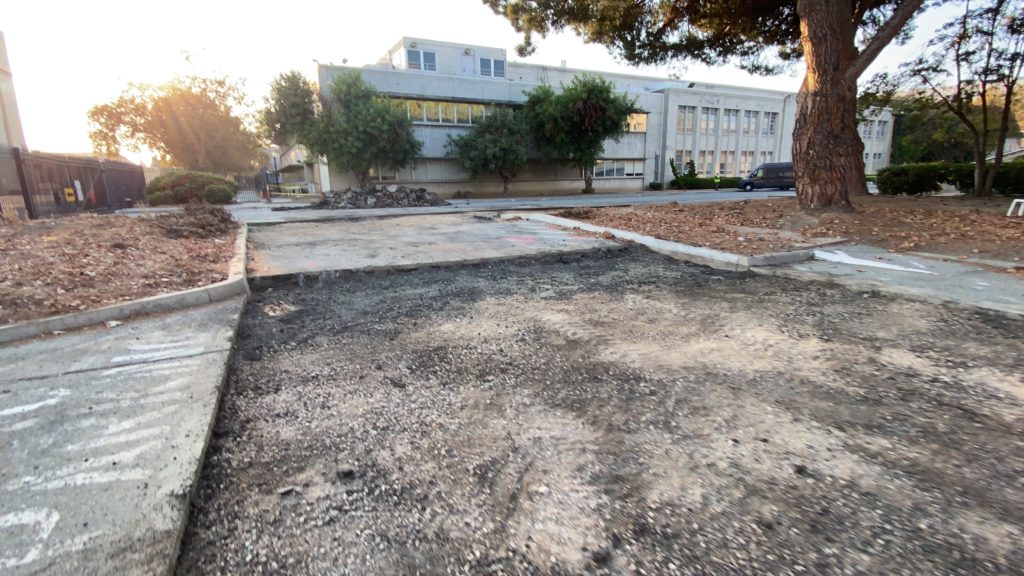
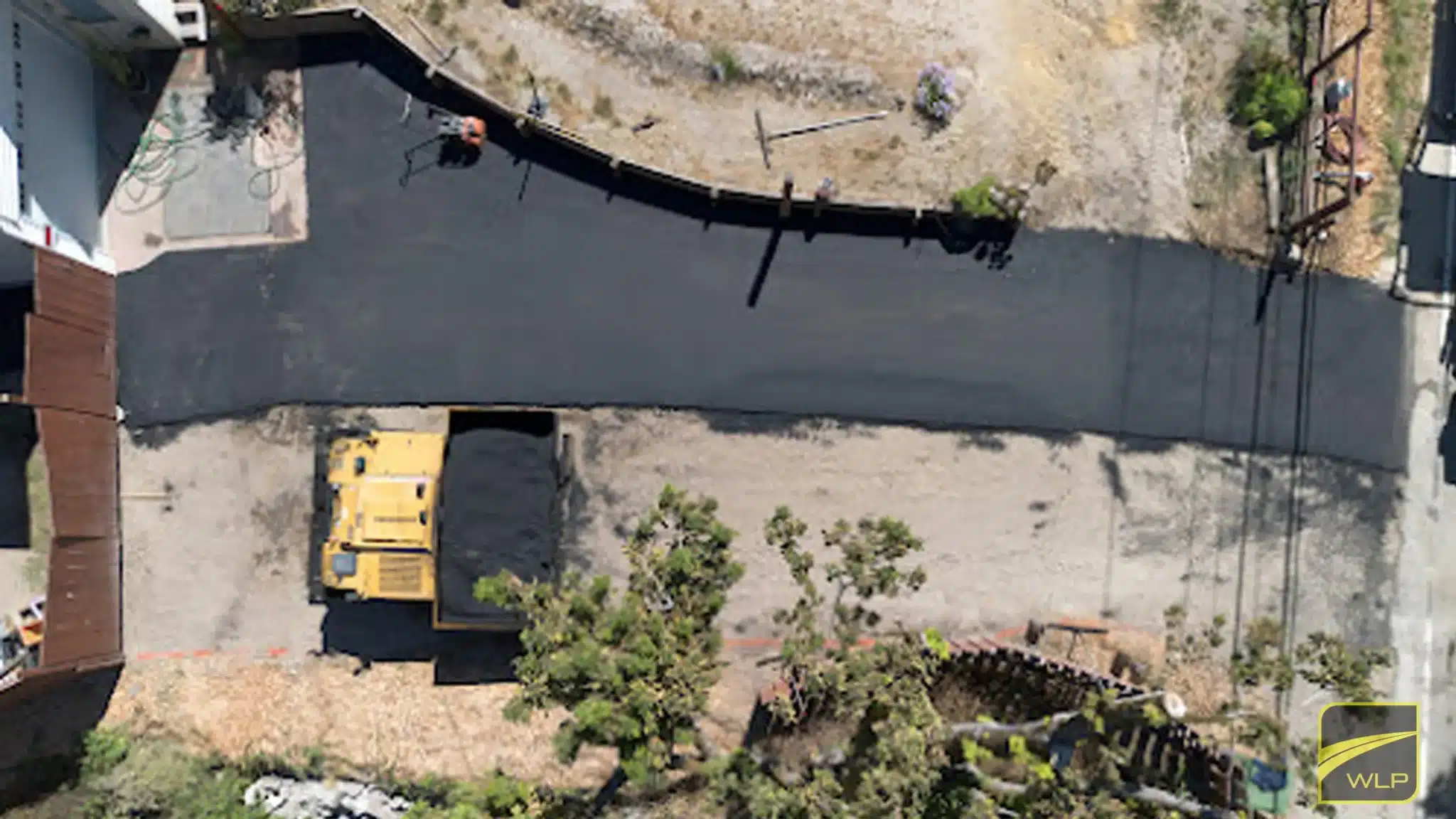
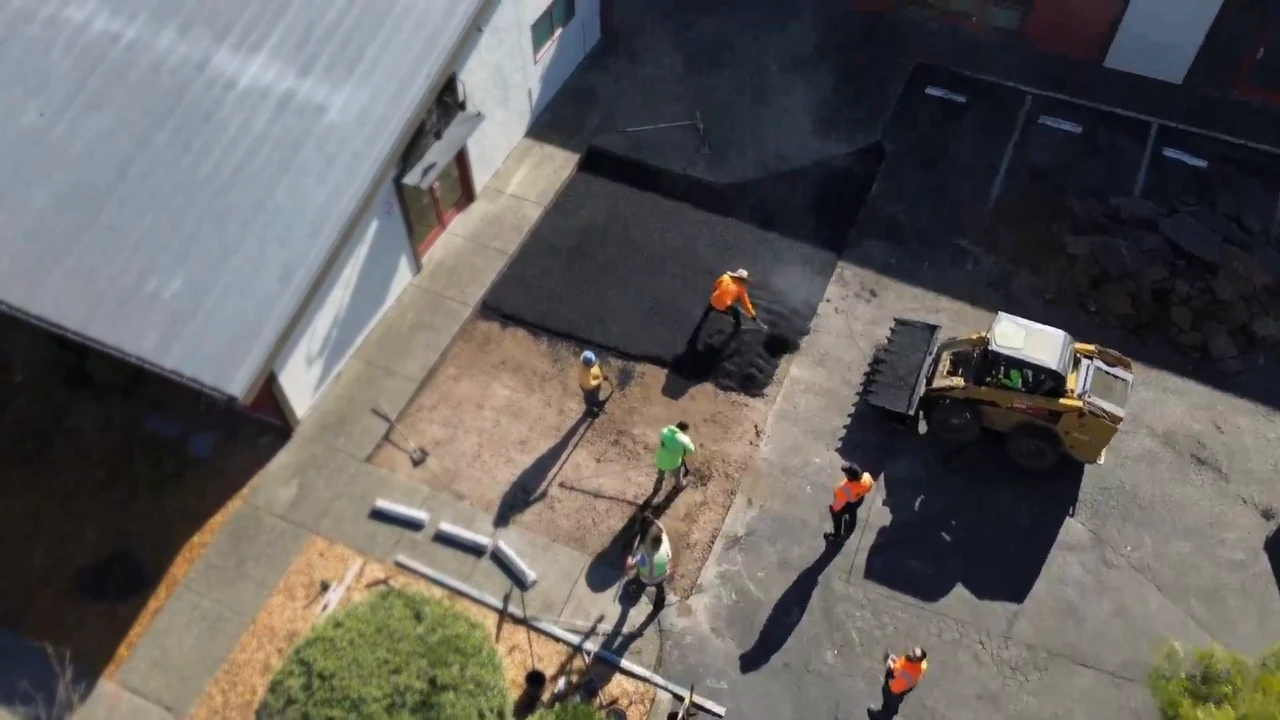
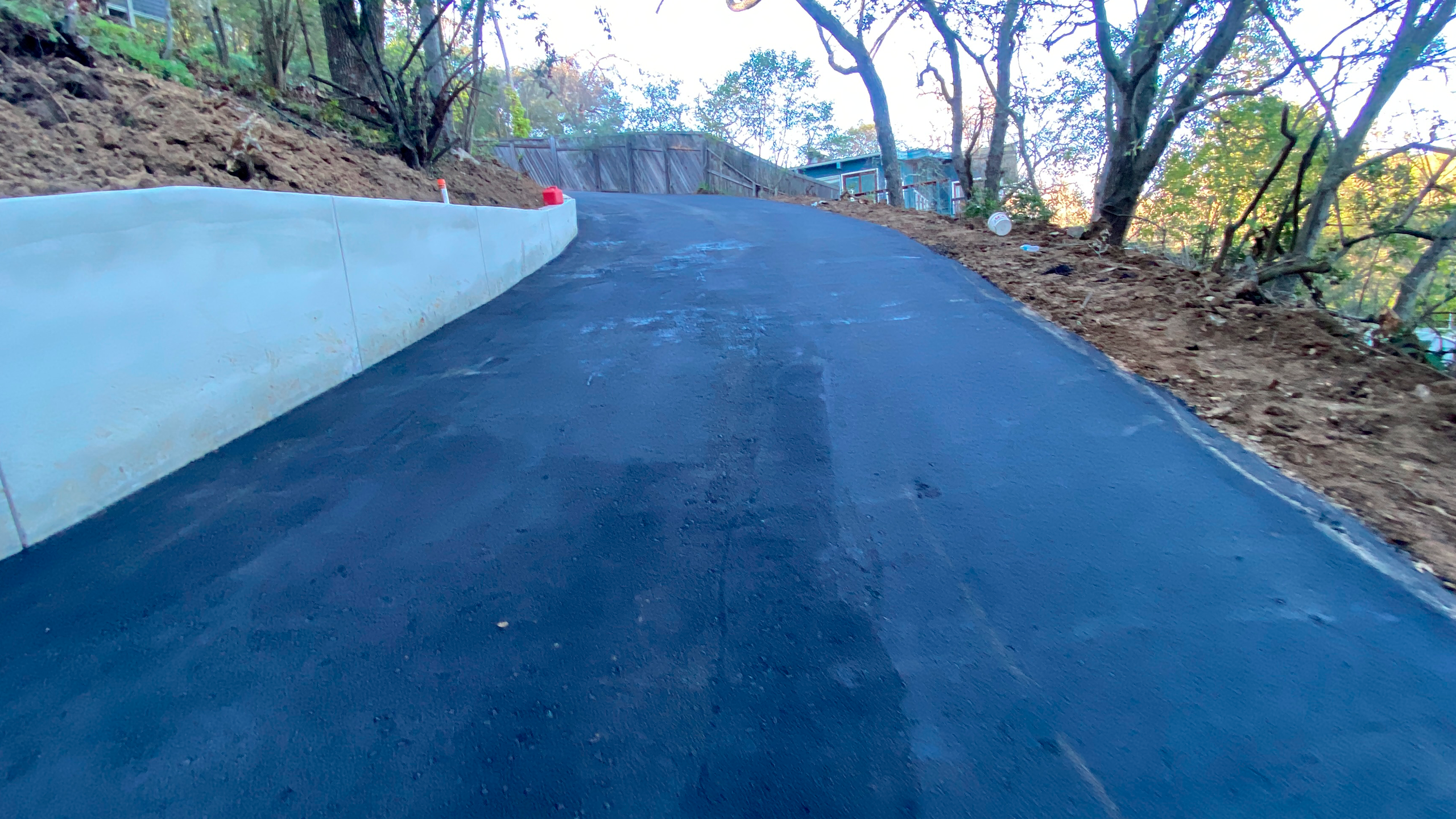
An asphalt overlay can extend the usable life of a commercial parking lot for many years, but its actual lifespan depends less on the overlay itself and more on the condition of the pavement underneath it.
In many commercial properties, overlays are used to restore appearance, smooth out surface wear, and delay full reconstruction. When the base pavement remains structurally stable and drainage issues are limited, an overlay may perform well for 10 to 15 years or longer. In other situations, visible cracking or uneven settlement can return much sooner.
That difference often comes down to timing. Property owners sometimes wait until deterioration becomes severe before considering resurfacing. By then, the existing pavement may already have deeper structural problems that an overlay alone cannot fully correct.
Understanding what affects overlay lifespan helps property managers make better maintenance decisions, especially when budgeting around traffic exposure, weather conditions, and long-term site usability.
Overlay Lifespan Depends on the Existing Pavement Condition
An asphalt overlay adds a new surface layer over existing pavement, but it does not completely replace the underlying structure. If the original asphalt already has widespread movement, soft base areas, drainage failures, or deep fatigue cracking, those conditions can eventually reflect back through the new surface.
That is why overlays tend to last longer on parking lots where deterioration is mostly surface-level rather than structural.
Some common signs that can shorten overlay performance include:
- recurring water pooling;
- widespread alligator cracking;
- unstable pavement edges;
- repeated pothole repairs;
- heavy truck turning areas;
- base movement near loading zones.
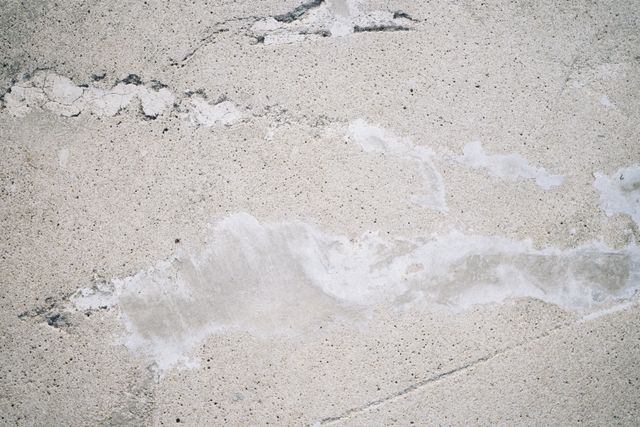
When cracking patterns already suggest deeper structural fatigue, surface restoration alone may not fully stop deterioration. In many commercial lots, recurring interconnected cracks often indicate underlying pavement stress similar to the conditions discussed in alligator cracking.
Properties that address isolated failures before resurfacing generally see more consistent overlay performance over time.
Traffic Exposure Changes How Long an Overlay Holds Up
Not every commercial parking lot experiences the same type of stress. A retail center with steady passenger vehicles ages differently than an industrial site handling delivery trucks, dumpsters, or repeated turning movements.
Traffic volume matters, but traffic type matters even more.
Heavy vehicles create concentrated pressure at braking zones, entrances, intersections, and loading areas. Those stress points often become the first locations where reflective cracking or surface depressions reappear after an overlay.
The table below shows how different site conditions can influence overlay lifespan expectations.
| Property Condition | Potential Overlay Impact |
|---|---|
| Light passenger traffic | Longer surface life |
| Frequent delivery trucks | Accelerated surface fatigue |
| Poor drainage areas | Faster cracking and weakening |
| Regular sealcoating | Slower surface oxidation |
| Existing structural instability | Earlier reflective cracking |
| Deferred maintenance | Reduced overlay lifespan |
Parking lots with consistent maintenance planning typically age more evenly. Once surface cracking begins reopening across multiple sections, localized repairs often become more frequent. At that stage, broader asphalt repair planning may become part of preserving the lot before deterioration spreads further.
Drainage Problems Often Shorten Overlay Performance
Water is one of the most common reasons overlays fail earlier than expected.
Even when a newly resurfaced parking lot looks smooth immediately after installation, drainage problems underneath the pavement can continue weakening the structure below the surface. Water intrusion near low spots, curbs, utility areas, and pavement edges gradually softens supporting materials and increases movement.
Commercial properties sometimes focus only on visible cracking while overlooking how drainage patterns affect pavement life over time.
Certain warning signs deserve closer attention before resurfacing:
- standing water after rainfall;
- recurring edge breakdown;
- sinking areas near drains;
- movement around utility covers;
- cracks reopening in the same locations repeatedly.
Where surface wear appears together with recurring drainage concerns, broader asphalt resurfacing discussions may help determine whether the pavement condition supports an overlay or requires deeper corrective work first.
Ignoring water-related deterioration before resurfacing often reduces the return on the overlay investment itself.
Maintenance Timing Has a Major Effect on Overlay Longevity
One of the biggest differences between overlays that last well and overlays that fail early is maintenance timing.
Parking lots rarely deteriorate all at once. Most commercial surfaces decline gradually through oxidation, weather exposure, traffic stress, and moisture intrusion. Small cracks allow water penetration long before major failures become obvious from a distance.
Properties that follow preventive maintenance schedules often preserve overlays significantly longer than sites that postpone repairs until damage becomes widespread.
Surface protection measures may help slow deterioration when performed at appropriate intervals. In many commercial lots, routine sealcoating becomes part of reducing oxidation and protecting the newer asphalt surface from early aging.
Visual conditions also matter operationally. As overlays age, faded pavement markings can reduce parking organization and traffic visibility across busy sites. When restriping timing falls behind surface wear, parking lot striping may become part of restoring usability rather than simply improving appearance.
Some Parking Lots Are Better Candidates for Overlay Than Others
An overlay is not automatically the right solution for every commercial property.
In many cases, resurfacing works best when the pavement still maintains overall structural integrity but shows moderate surface wear, aging, or isolated cracking. If the foundation underneath the asphalt remains stable, an overlay can restore functionality without requiring full reconstruction.
However, certain pavement conditions may limit how effective resurfacing will be long term:
- widespread base failure;
- severe settlement;
- extensive moisture damage;
- repeated patch failures;
- large unstable sections;
- major elevation problems.
Commercial property owners sometimes assume a new surface layer will solve all pavement issues, but overlays mainly address surface restoration rather than complete structural replacement.
As deterioration becomes more advanced across multiple areas, recurring patching and reopening cracks often signal that the parking lot may need broader rehabilitation planning. Conditions like uneven wear patterns, spreading potholes, and deteriorating transitions frequently appear alongside the issues covered in parking lot repair signs.
Understanding the difference between cosmetic aging and structural decline helps avoid resurfacing too late in the pavement lifecycle.
Planning Overlay Timing Around Property Operations
For many commercial properties, overlay timing becomes part of operational planning as much as pavement maintenance.
Retail centers may try to schedule resurfacing around lower-traffic seasons. HOAs often coordinate paving work around resident access concerns. Industrial properties may need to account for truck circulation, loading schedules, or drainage corrections before resurfacing begins.
Waiting too long can narrow those scheduling options. Once cracking spreads extensively or drainage deterioration accelerates, repair scopes tend to become larger, more disruptive, and more expensive to phase around daily operations.
At We Love Paving, we look at asphalt overlays from a long-term property maintenance perspective rather than simply surface appearance. Parking lots perform best when resurfacing decisions account for drainage behavior, traffic stress, ongoing maintenance, and the underlying condition of the pavement structure itself.