How Hot Is Asphalt When Poured? (Hint: It’s Basically Lava)

Let’s start with a simple question: Have you ever wondered what hell might feel like? If so, great news! We’ve got a real-life equivalent for you. Enter freshly poured asphalt, the literal embodiment of “walking on fire” without all the flames.

The Temperature of Doom

When asphalt is poured, it’s not just hot. It’s HOT. Like, 250 to 325 degrees Fahrenheit hot. To put that in perspective, that’s hotter than your oven when you’re baking cookies—because apparently, infrastructure needs to be baked to a crisp. For our metric system friends, that’s roughly 120 to 160 degrees Celsius. Yes, Celsius. The kind of heat where eggs don’t just fry; they scream.

So, why does it need to be that hot? Because asphalt is made of bitumen—a sticky, gooey substance derived from petroleum—and rocks. Bitumen only becomes pliable enough to mix with those rocks at ridiculously high temperatures. It’s basically like trying to melt caramel onto gravel. Appetizing, right?

Asphalt’s Glowing Personality

If you’ve ever driven past a road crew and seen that ominous steam rising, that’s not smoke. That’s vaporized water saying, “Get me out of here before I die.” The heat makes the asphalt look like it’s about to morph into Mordor. And if you’re lucky enough to step too close, congratulations! You’ve just experienced the sauna of asphalt—except this one exfoliates your lungs.

Road Workers: The Unsung Heroes

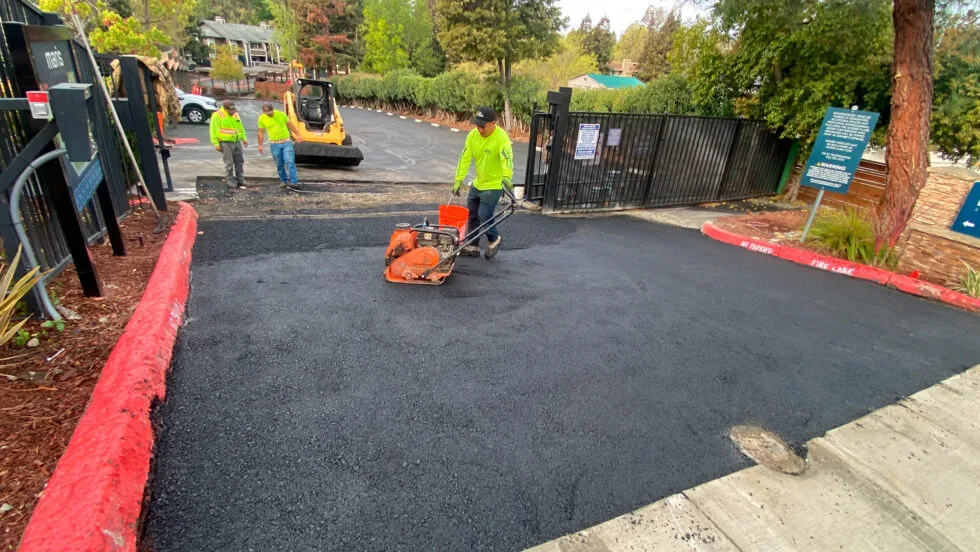
Let’s take a moment to appreciate the folks who work with this molten lava every day. They’re decked out in heat-resistant gear, which is basically a wearable oven mitt, and they’re out there in the sun. Yes, asphalt’s ideal pouring temperature coincides perfectly with summer, because why not make things even more unbearable?

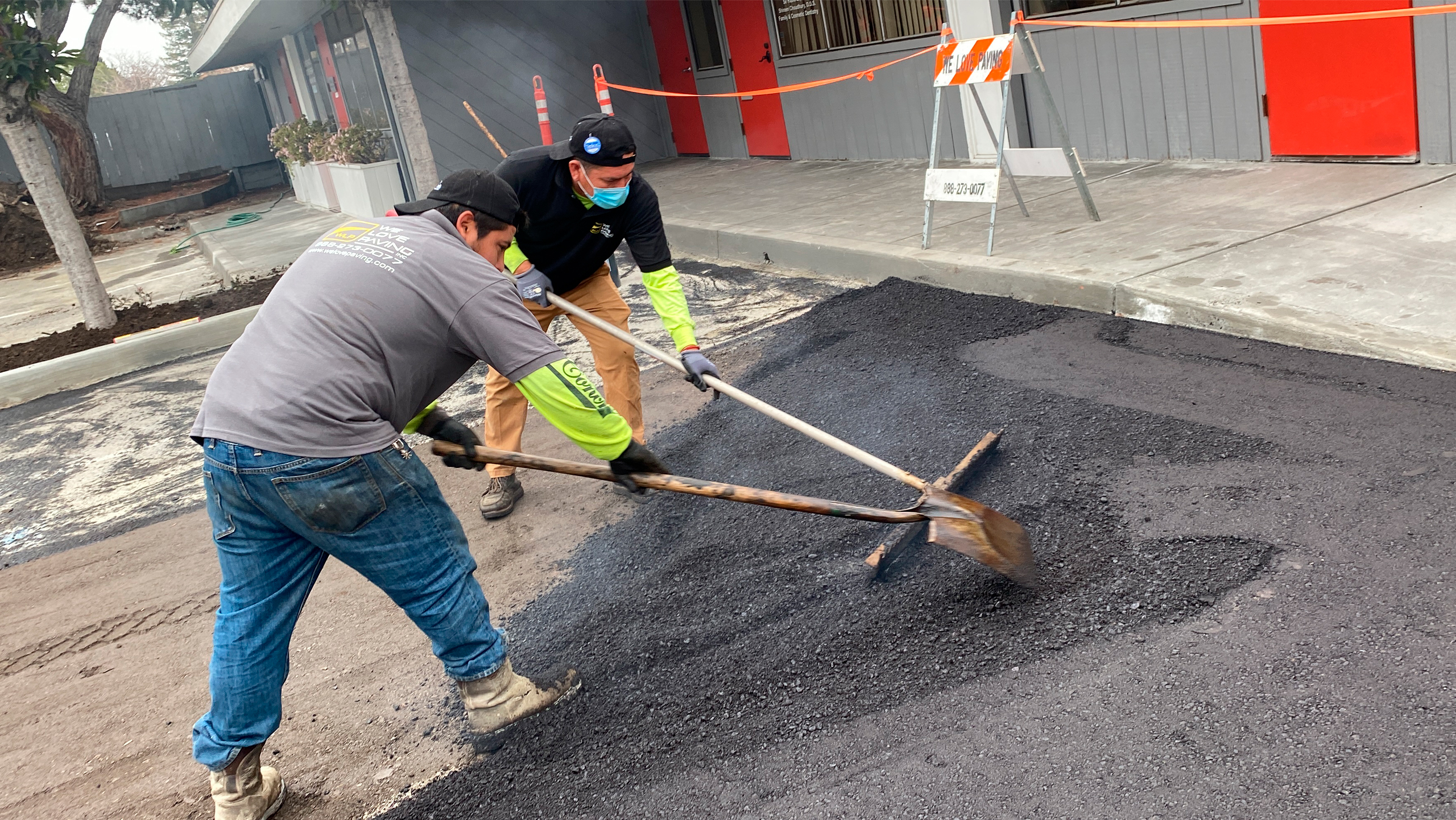
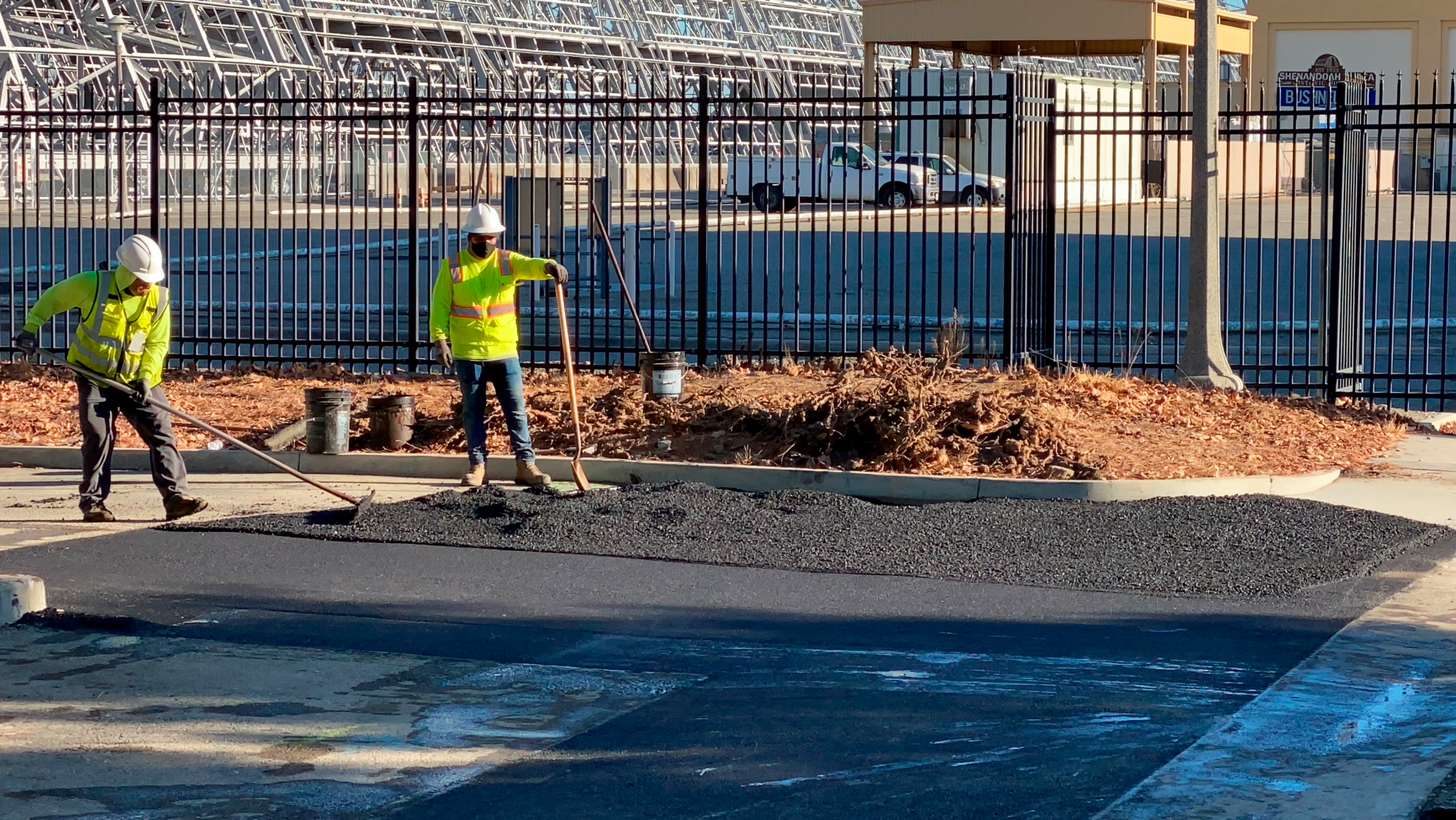
These workers have to shovel, rake, and smooth out the asphalt while avoiding third-degree burns. Honestly, they should be offered spa days and unlimited ice cream for life. Or, at the very least, a giant “THANK YOU” banner every time they finish a road.

The Science of “Too Hot to Handle”

Now, if you’re a science nerd (or just curious), you might be asking: Why doesn’t the asphalt cool down immediately once it hits the ground? Excellent question. Asphalt is a slow-cooling material, meaning it retains heat like that one relative who always overstays their welcome. Depending on the weather, it can take several hours to cool down to a temperature that won’t incinerate your sneakers.

On particularly hot days, even “cooled” asphalt can reach surface temperatures upwards of 140°F (60°C). That’s enough to fry an egg or, in some unfortunate cases, the soles of your shoes. So, if you’re tempted to touch freshly poured asphalt… don’t. Unless you’re auditioning for a role as a human torch.

A Hot Date with Asphalt

Here’s a fun fact: Pouring asphalt isn’t just about heat. It’s also a race against time. The asphalt needs to be spread, smoothed, and compacted before it cools too much to bond properly. Imagine trying to ice a cake while it’s hardening into cement. Oh, and the cake weighs several tons and smells like a gas station.

Add to that the challenge of precision. Too hot? It’ll be too gooey to work with. Too cool? It’ll crumble faster than your New Year’s resolutions. It’s a delicate dance, and the road crew is the unsung Fred Astaire of the construction world.

Final Thoughts

So, how hot is asphalt when poured? Hot enough to make you reconsider your life choices if you’re standing too close. It’s the kind of heat that makes summer in the desert seem like a mild spring day. It’s molten rock and tar, and it demands respect—or at least a healthy fear of second-degree burns.

The next time you drive on a freshly paved road, take a moment to appreciate the molten magic beneath your tires. Sure, it might be hot enough to vaporize your flip-flops, but it’s also the backbone of modern infrastructure. So, thank you, asphalt, for being the fiery hero we didn’t know we needed.

Share

WHO IS FRED?

Fred, Regional Operations Manager, comes from a family of immigrant roots and a story built on sacrifice, discipline, and hard work. Growing up, Fred watched his parents work long hours and weekends to create a better future teaching him the values of perseverance, determination, and doing things the right way every single time.
We Love Paving began with Fred’s father, who started doing what he knew best: paving. Over the years, he built experience alongside respected professionals in the industry, refining his methods and developing a reputation for quality work that speaks for itself. As his clientele grew, so did the vision one built not only on skill, but on integrity and pride in every job.

Posts that might interest you

How Close to My Property Line Can I Pour Concrete?

How Close to My Property Line Can I Pour Concrete?

June 28, 2024

Pouring concrete close to your property line is a common issue for homeowners looking to enhance their outdoor spaces. Whether it’s for a driveway, patio, or walkway, understanding the legal and practical considerations is crucial to avoid disputes with neighbors and comply with local regulations. This guide explores the key factors influencing how close you

How to Fix a Crumbling Concrete Driveway: The Ultimate Repair Guide

How to Fix a Crumbling Concrete Driveway: The Ultimate Repair Guide

June 27, 2024

When a concrete driveway starts to crumble, it’s more than a cosmetic issue—it’s a warning sign that the surface is losing its structural integrity. Left untreated, it can lead to major damage, higher repair costs, and safety hazards. Whether you’re a homeowner or manage a commercial property, this guide will show you how to restore

Do You Need a Permit to Replace a Driveway? A Comprehensive Guide

Do You Need a Permit to Replace a Driveway? A Comprehensive Guide

June 25, 2024

Replacing a driveway is a significant home improvement project that can enhance curb appeal, increase property value, and improve functionality. However, before you start tearing up your old driveway and pouring new concrete or laying pavers, it’s crucial to understand the legal and regulatory requirements involved. One of the most common questions homeowners have is

Steps Involved in Asphalt Paving

Steps Involved in Asphalt Paving

June 25, 2024

Asphalt paving is a necessary part of the construction industry. It’s a versatile material used to build roads, parking lots, and driveways. Understanding the steps involved in asphalt paving will help you choose the right pavement for your needs. Asphalt is an extremely durable material that withstands traffic and the elements. It is also environmentally

The Cost of Asphalt Cutting Per Linear Foot: What to Expect

The Cost of Asphalt Cutting Per Linear Foot: What to Expect

June 24, 2024

When it comes to construction and repair projects, asphalt cutting is often a necessary task, whether for roadworks, driveways, or other paved surfaces. Understanding the cost involved in asphalt cutting per linear foot can help you budget more accurately for your project. This article will break down the factors affecting these costs and provide a

The Best Base for an Asphalt Driveway: A Comprehensive Guide

The Best Base for an Asphalt Driveway: A Comprehensive Guide

June 24, 2024

What Do You Lay Under Asphalt?

What Do You Lay Under Asphalt?

June 24, 2024

The Process of Asphalt Paving

The Process of Asphalt Paving

June 19, 2024

Asphalt Paving is a complex process that involves numerous stages. A good paving contractor will be willing to walk you through their work processes and answer any questions. Inquire about an asphalt paving contractor’s license, worker’s compensation, and liability insurance. Ask them to provide references and project examples. Also, ask about their education and training.

Understanding the Concrete Business: A Comprehensive Overview

Understanding the Concrete Business: A Comprehensive Overview

June 18, 2024

The term “concrete business” encompasses a wide range of activities within the construction industry. From the production and delivery of ready-mixed concrete to the construction of roads, buildings, and other infrastructure projects, businesses involved in concrete play a crucial role in shaping the built environment. This article delves into the definition of a concrete business,

How Much Does it Cost to Pave One Mile of Road in California?

How Much Does it Cost to Pave One Mile of Road in California?

June 17, 2024

Paving a mile of road in California is a complex process influenced by various factors, including materials, labor, equipment, environmental regulations, and the geographical characteristics of the area. Understanding the costs involved requires breaking down these factors and examining them in detail. This blog delves into the intricacies of road paving in California, providing a

Previous Next