How Hot Is Asphalt When Poured? (Hint: It’s Basically Lava)

Let’s start with a simple question: Have you ever wondered what hell might feel like? If so, great news! We’ve got a real-life equivalent for you. Enter freshly poured asphalt, the literal embodiment of “walking on fire” without all the flames.

The Temperature of Doom

When asphalt is poured, it’s not just hot. It’s HOT. Like, 250 to 325 degrees Fahrenheit hot. To put that in perspective, that’s hotter than your oven when you’re baking cookies—because apparently, infrastructure needs to be baked to a crisp. For our metric system friends, that’s roughly 120 to 160 degrees Celsius. Yes, Celsius. The kind of heat where eggs don’t just fry; they scream.

So, why does it need to be that hot? Because asphalt is made of bitumen—a sticky, gooey substance derived from petroleum—and rocks. Bitumen only becomes pliable enough to mix with those rocks at ridiculously high temperatures. It’s basically like trying to melt caramel onto gravel. Appetizing, right?

Asphalt’s Glowing Personality

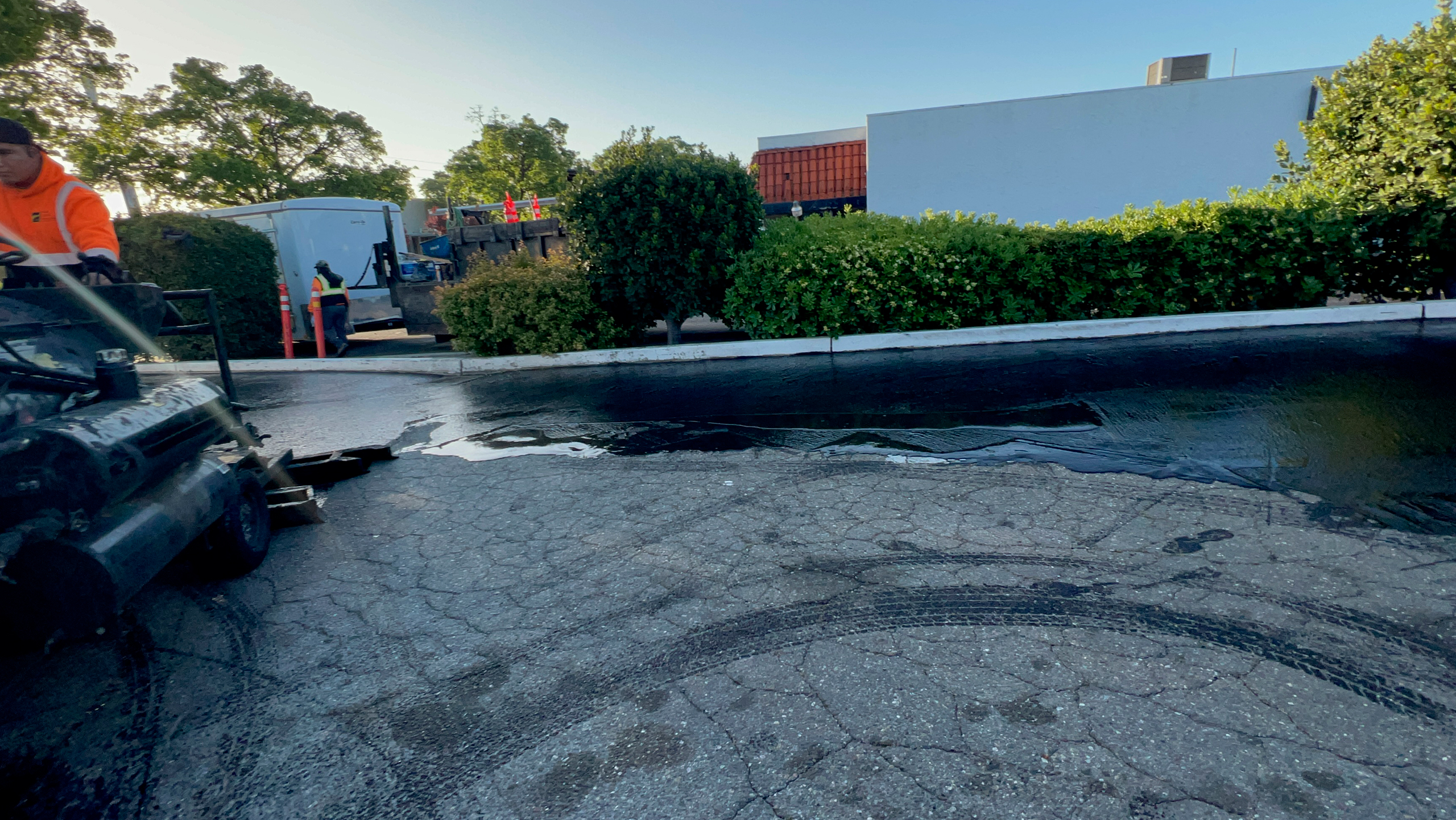
If you’ve ever driven past a road crew and seen that ominous steam rising, that’s not smoke. That’s vaporized water saying, “Get me out of here before I die.” The heat makes the asphalt look like it’s about to morph into Mordor. And if you’re lucky enough to step too close, congratulations! You’ve just experienced the sauna of asphalt—except this one exfoliates your lungs.

Road Workers: The Unsung Heroes

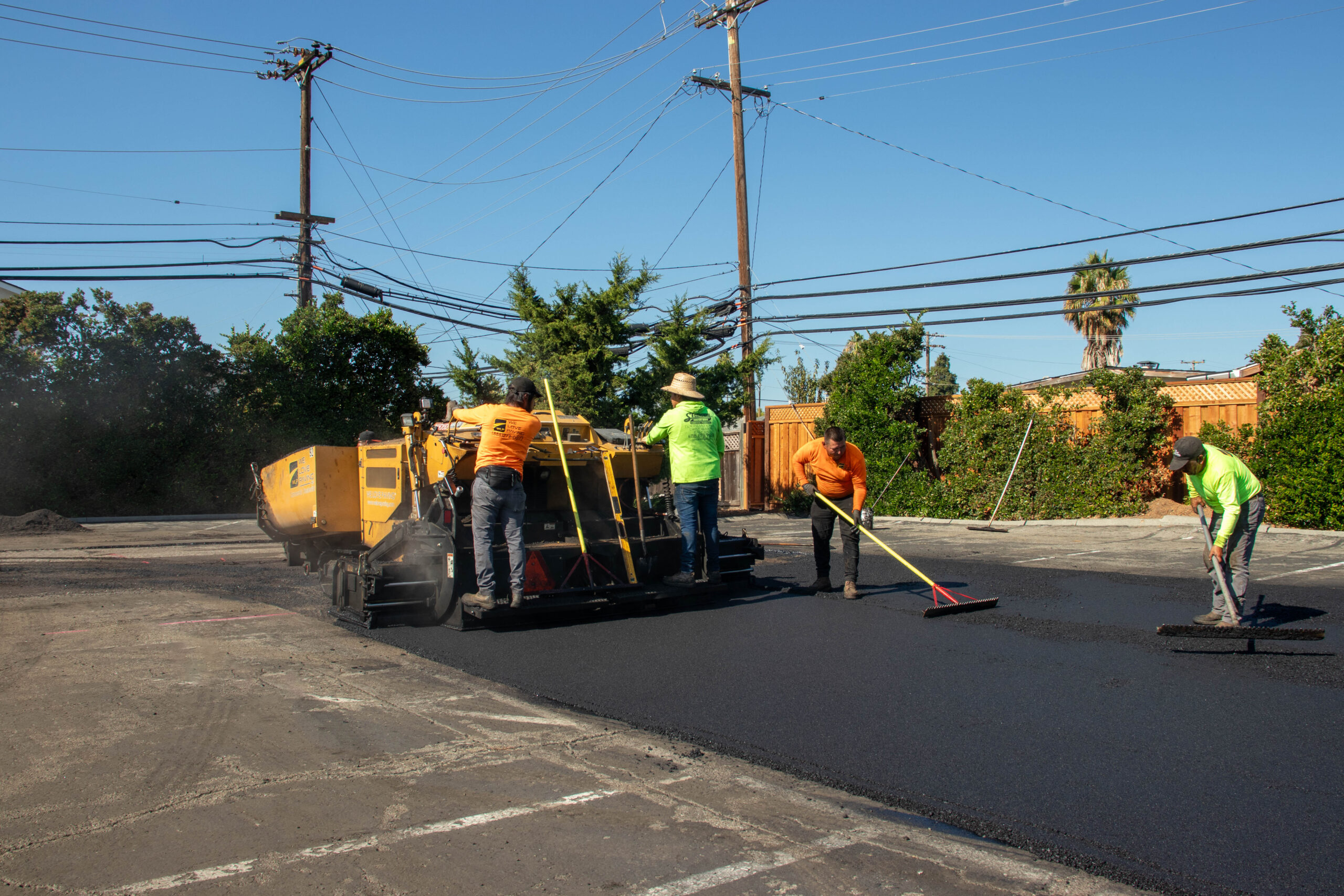
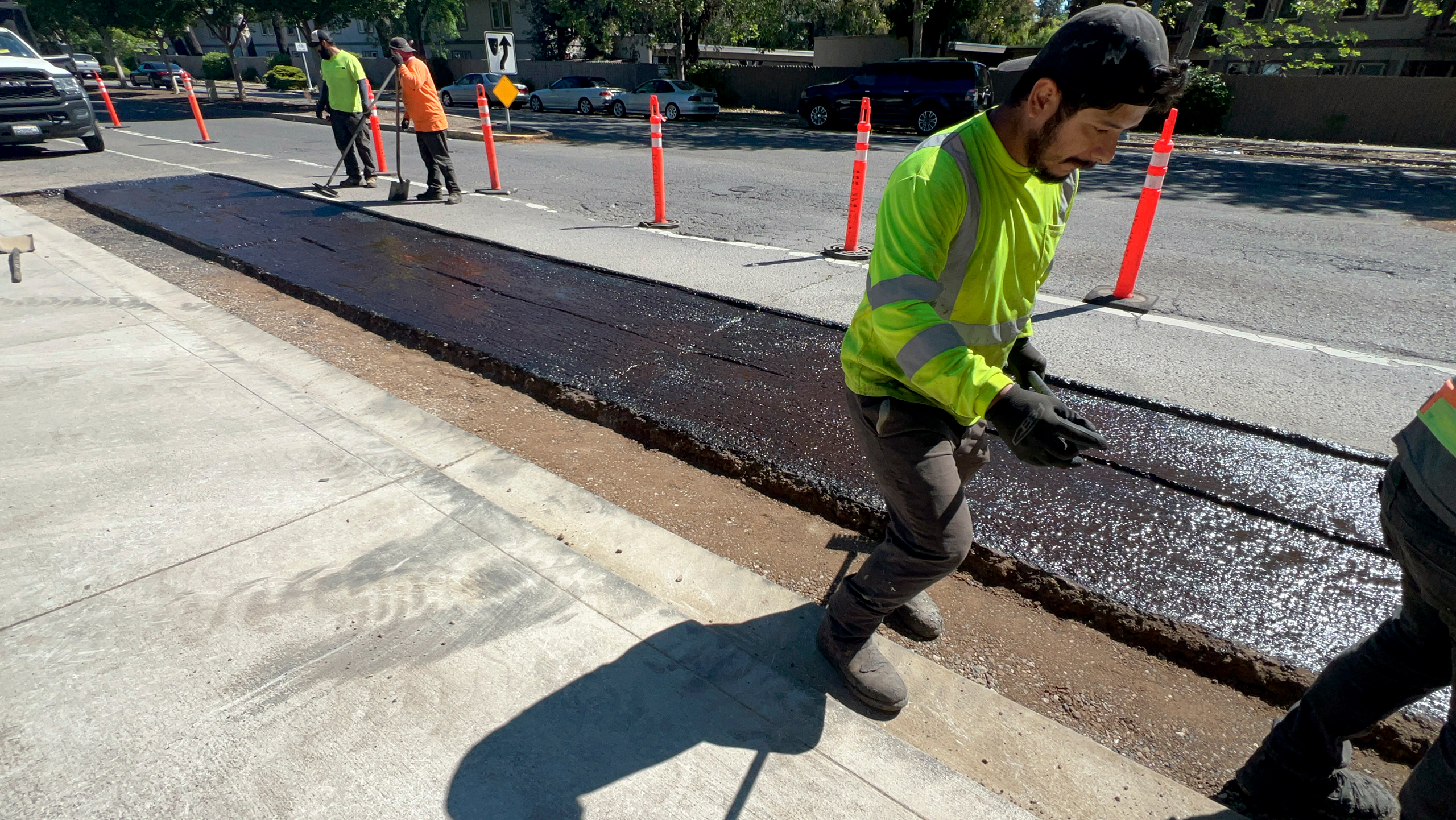
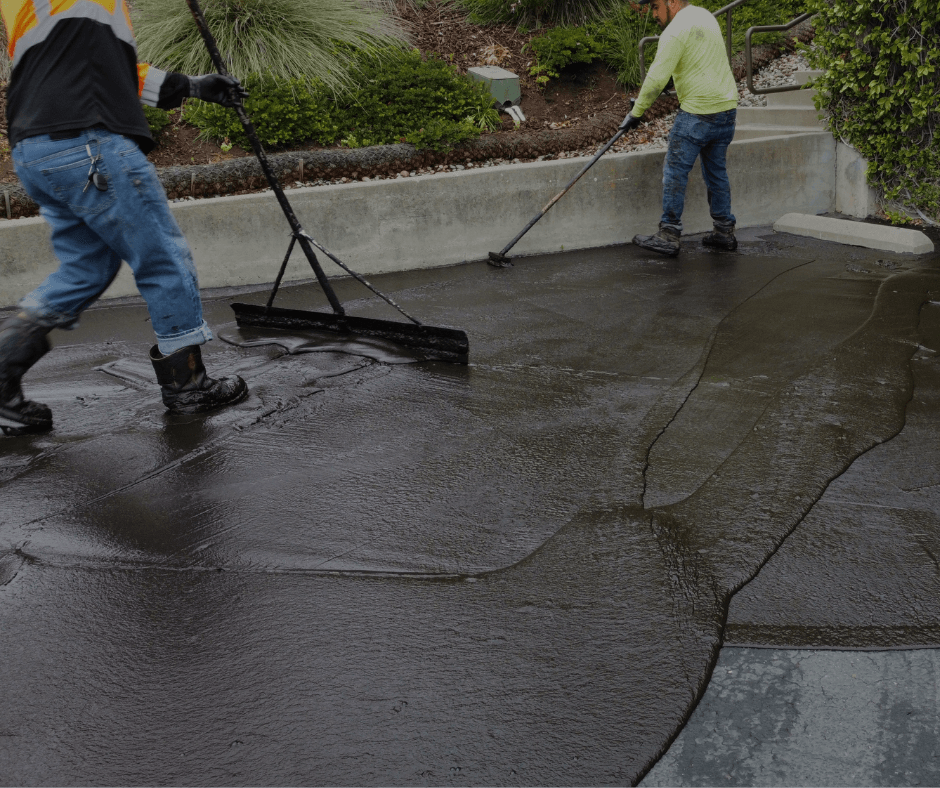
Let’s take a moment to appreciate the folks who work with this molten lava every day. They’re decked out in heat-resistant gear, which is basically a wearable oven mitt, and they’re out there in the sun. Yes, asphalt’s ideal pouring temperature coincides perfectly with summer, because why not make things even more unbearable?

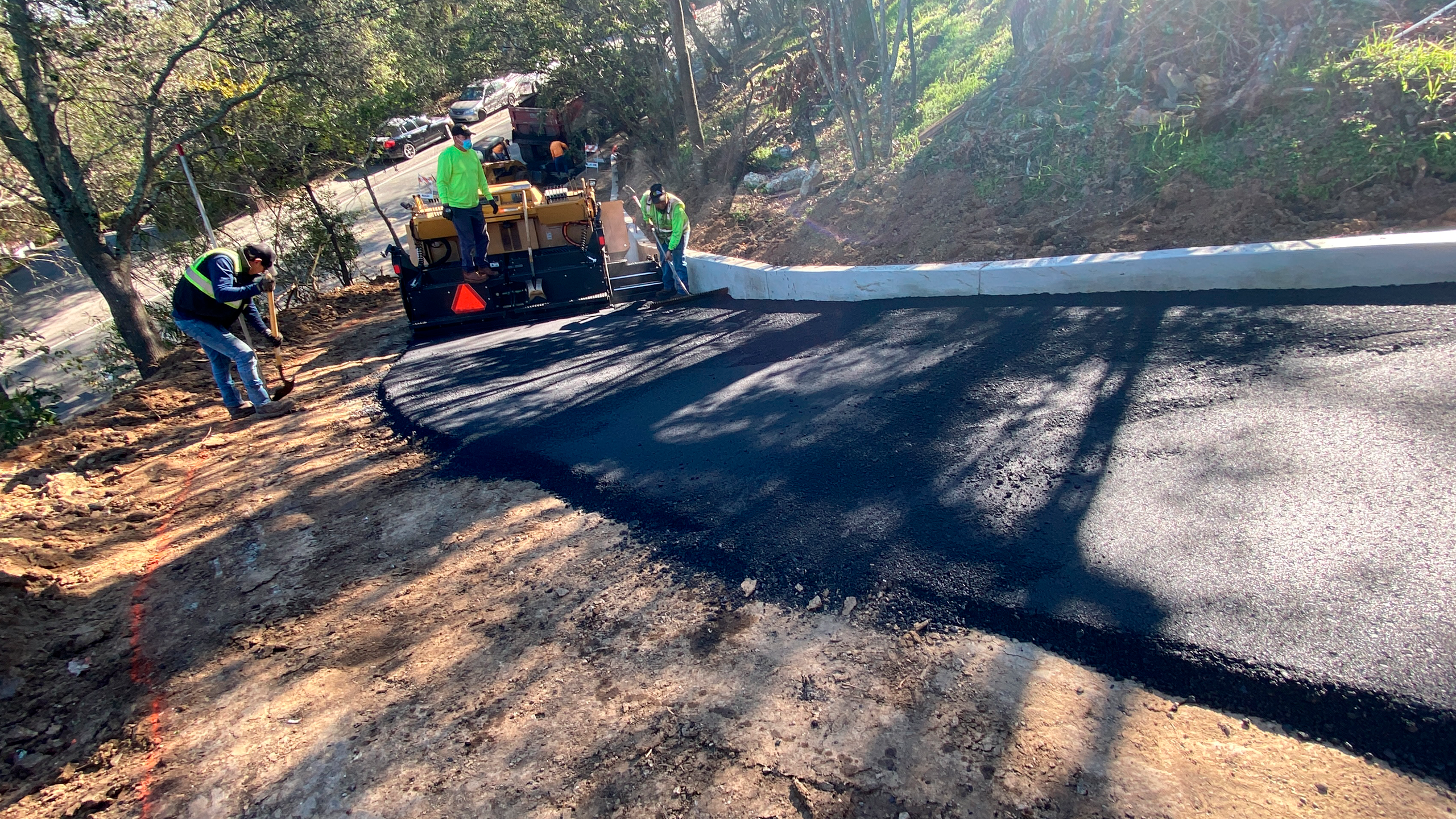
These workers have to shovel, rake, and smooth out the asphalt while avoiding third-degree burns. Honestly, they should be offered spa days and unlimited ice cream for life. Or, at the very least, a giant “THANK YOU” banner every time they finish a road.

The Science of “Too Hot to Handle”

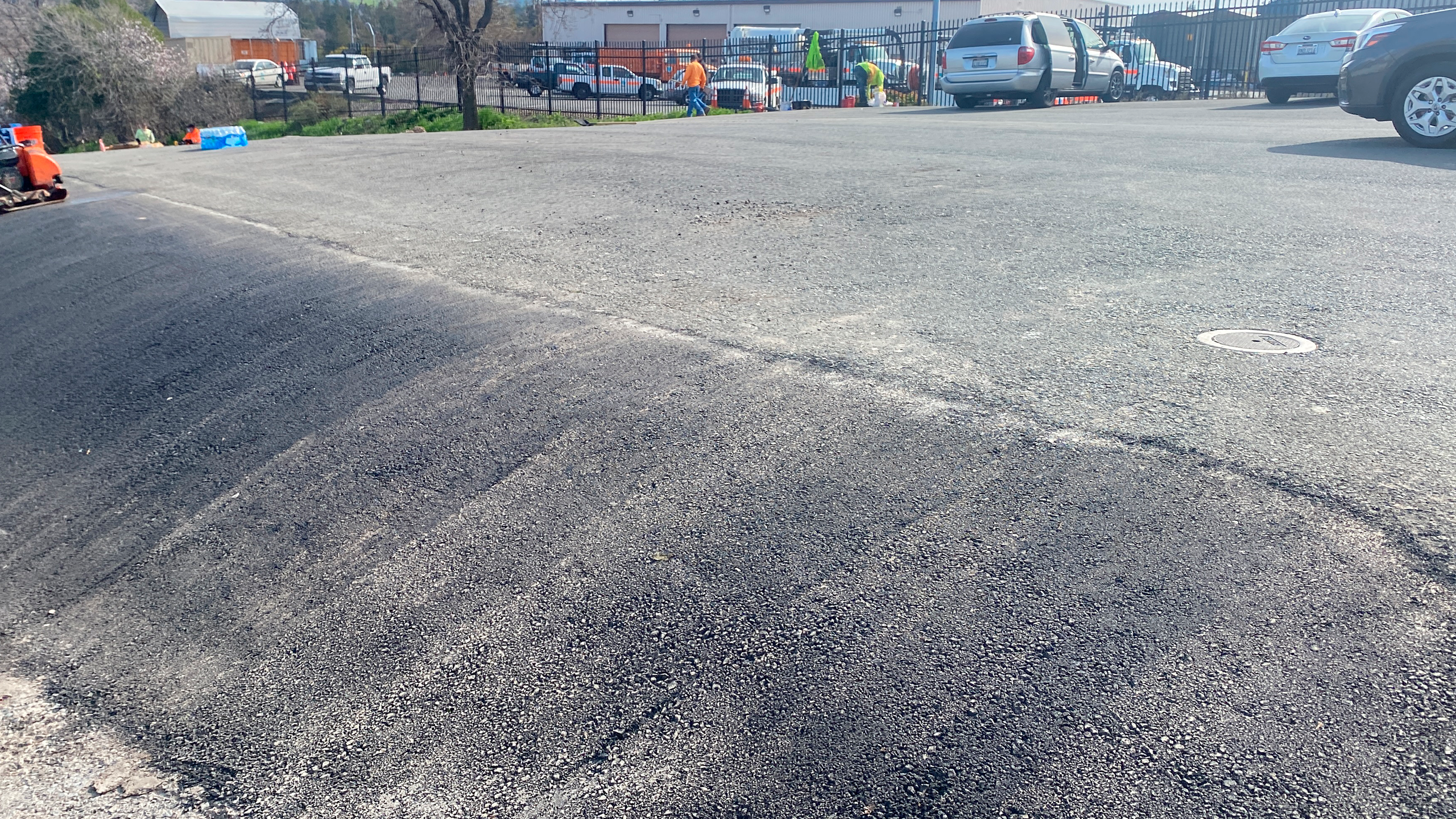
Now, if you’re a science nerd (or just curious), you might be asking: Why doesn’t the asphalt cool down immediately once it hits the ground? Excellent question. Asphalt is a slow-cooling material, meaning it retains heat like that one relative who always overstays their welcome. Depending on the weather, it can take several hours to cool down to a temperature that won’t incinerate your sneakers.

On particularly hot days, even “cooled” asphalt can reach surface temperatures upwards of 140°F (60°C). That’s enough to fry an egg or, in some unfortunate cases, the soles of your shoes. So, if you’re tempted to touch freshly poured asphalt… don’t. Unless you’re auditioning for a role as a human torch.

A Hot Date with Asphalt

Here’s a fun fact: Pouring asphalt isn’t just about heat. It’s also a race against time. The asphalt needs to be spread, smoothed, and compacted before it cools too much to bond properly. Imagine trying to ice a cake while it’s hardening into cement. Oh, and the cake weighs several tons and smells like a gas station.

Add to that the challenge of precision. Too hot? It’ll be too gooey to work with. Too cool? It’ll crumble faster than your New Year’s resolutions. It’s a delicate dance, and the road crew is the unsung Fred Astaire of the construction world.

Final Thoughts

So, how hot is asphalt when poured? Hot enough to make you reconsider your life choices if you’re standing too close. It’s the kind of heat that makes summer in the desert seem like a mild spring day. It’s molten rock and tar, and it demands respect—or at least a healthy fear of second-degree burns.

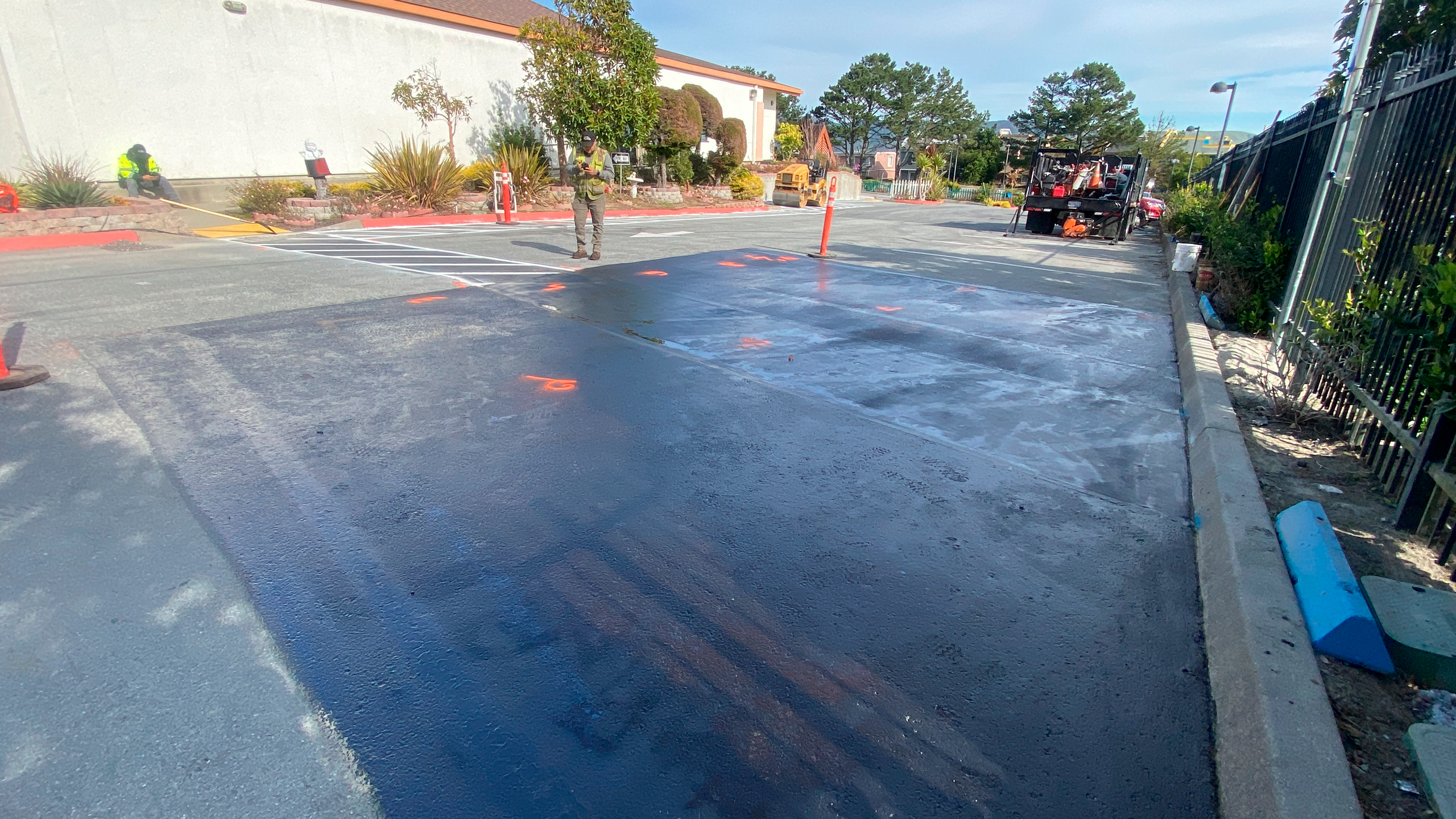
The next time you drive on a freshly paved road, take a moment to appreciate the molten magic beneath your tires. Sure, it might be hot enough to vaporize your flip-flops, but it’s also the backbone of modern infrastructure. So, thank you, asphalt, for being the fiery hero we didn’t know we needed.

Share

WHO IS FRED?

Fred, Regional Operations Manager, comes from a family of immigrant roots and a story built on sacrifice, discipline, and hard work. Growing up, Fred watched his parents work long hours and weekends to create a better future teaching him the values of perseverance, determination, and doing things the right way every single time.
We Love Paving began with Fred’s father, who started doing what he knew best: paving. Over the years, he built experience alongside respected professionals in the industry, refining his methods and developing a reputation for quality work that speaks for itself. As his clientele grew, so did the vision one built not only on skill, but on integrity and pride in every job.

Posts that might interest you

How to Save Money on Paving Your Driveway in Sacramento, California.

How to Save Money on Paving Your Driveway in Sacramento, California.

June 14, 2024

Paving a driveway can be a significant investment, but with careful planning and smart choices, you can save money while ensuring a quality result. Sacramento, with its unique climate and soil conditions, requires specific considerations. Here’s a comprehensive guide on how to save money on paving your driveway in Sacramento. Plan and Budget Wisely Before

Seal Coat vs. Slurry Seal: Understanding the Differences and Benefits

Seal Coat vs. Slurry Seal: Understanding the Differences and Benefits

June 13, 2024

When it comes to maintaining and prolonging the life of asphalt pavements, two common treatments often come into play: seal coat and slurry seal. Both methods serve the purpose of protecting and enhancing asphalt surfaces, but they have distinct differences in composition, application, and suitability for various conditions. In this article, we’ll delve deep into

Do You Put Sand or Gravel Under Asphalt Paving? A Guide for Sacramento, California

Do You Put Sand or Gravel Under Asphalt Paving? A Guide for Sacramento, California

June 11, 2024

When it comes to installing asphalt paving in Sacramento, California, one of the most common questions homeowners and builders have is whether to use sand or gravel as a base. Both materials play crucial roles in ensuring a durable, stable, and aesthetically pleasing paved surface. This article explores the importance of using sand and gravel

What is Concreting in Construction? A Focus on Sacramento, California

What is Concreting in Construction? A Focus on Sacramento, California

June 11, 2024

Concreting is a fundamental process in construction, playing a crucial role in creating durable and robust structures. From residential homes to commercial buildings and infrastructure projects, concrete is a versatile and widely used material. In Sacramento, California, concreting is essential for the city’s ongoing growth and development. This article delves into the specifics of concreting

Why Choose Asphalt for Road Construction in San Mateo, California?

Why Choose Asphalt for Road Construction in San Mateo, California?

June 10, 2024

In the picturesque city of San Mateo, California, maintaining and developing infrastructure is vital to support a growing community and enhance the quality of life. When it comes to road construction, asphalt emerges as the material of choice, offering a blend of practicality, sustainability, and performance. This article explores why asphalt is favored in San

The Essential Guide to Road Base Depth in San Mateo, California

The Essential Guide to Road Base Depth in San Mateo, California

June 7, 2024

When it comes to constructing roads, one of the critical factors that influence durability and performance is the depth of the road base. This is particularly important in regions like San Mateo, California, where specific geological and environmental conditions can impact road stability. This article investigates the ideal road base depth for San Mateo, incorporating

An Investigation into Why Paving Slabs Are So Expensive

An Investigation into Why Paving Slabs Are So Expensive

June 6, 2024

Paving slabs, commonly used in patios, walkways, and driveways, are a popular choice for outdoor paving due to their durability and aesthetic appeal. However, one frequently raised concern is their high cost. This investigation explores the factors contributing to the expense of paving slabs, covering material selection, manufacturing processes, transportation, labor, and market dynamics. Understanding

An Investigation into the Two Main Types of Paving: Concrete and Asphalt

An Investigation into the Two Main Types of Paving: Concrete and Asphalt

June 6, 2024

Paving is a crucial aspect of urban development and infrastructure. The choice of paving material significantly impacts the durability, cost, maintenance, and overall aesthetic of roads, driveways, and other paved surfaces. This investigation delves into the two main types of paving: concrete and asphalt. By examining their composition, installation processes, advantages, disadvantages, and applications, we

What is a concrete service?

What is a concrete service?

June 5, 2024

A concrete service typically refers to a service provided by a concrete contractor or company. Concrete services encompass a wide range of offerings related to the installation, repair, and maintenance of concrete structures. These services may include: Concrete Installation This involves pouring and shaping concrete to create various structures such as driveways, sidewalks, foundations, retaining

Unveiling the Power of Concrete: A Masterpiece in Modern Construction

Unveiling the Power of Concrete: A Masterpiece in Modern Construction

June 5, 2024

In the realm of construction, few materials boast the versatility, durability, and sheer impact of concrete. Often regarded as the cornerstone of modern architecture and infrastructure, concrete stands as a testament to human ingenuity and engineering prowess. In this exploration, we delve into the myriad facets of concrete, uncovering its secrets, applications, and enduring significance

Previous Next