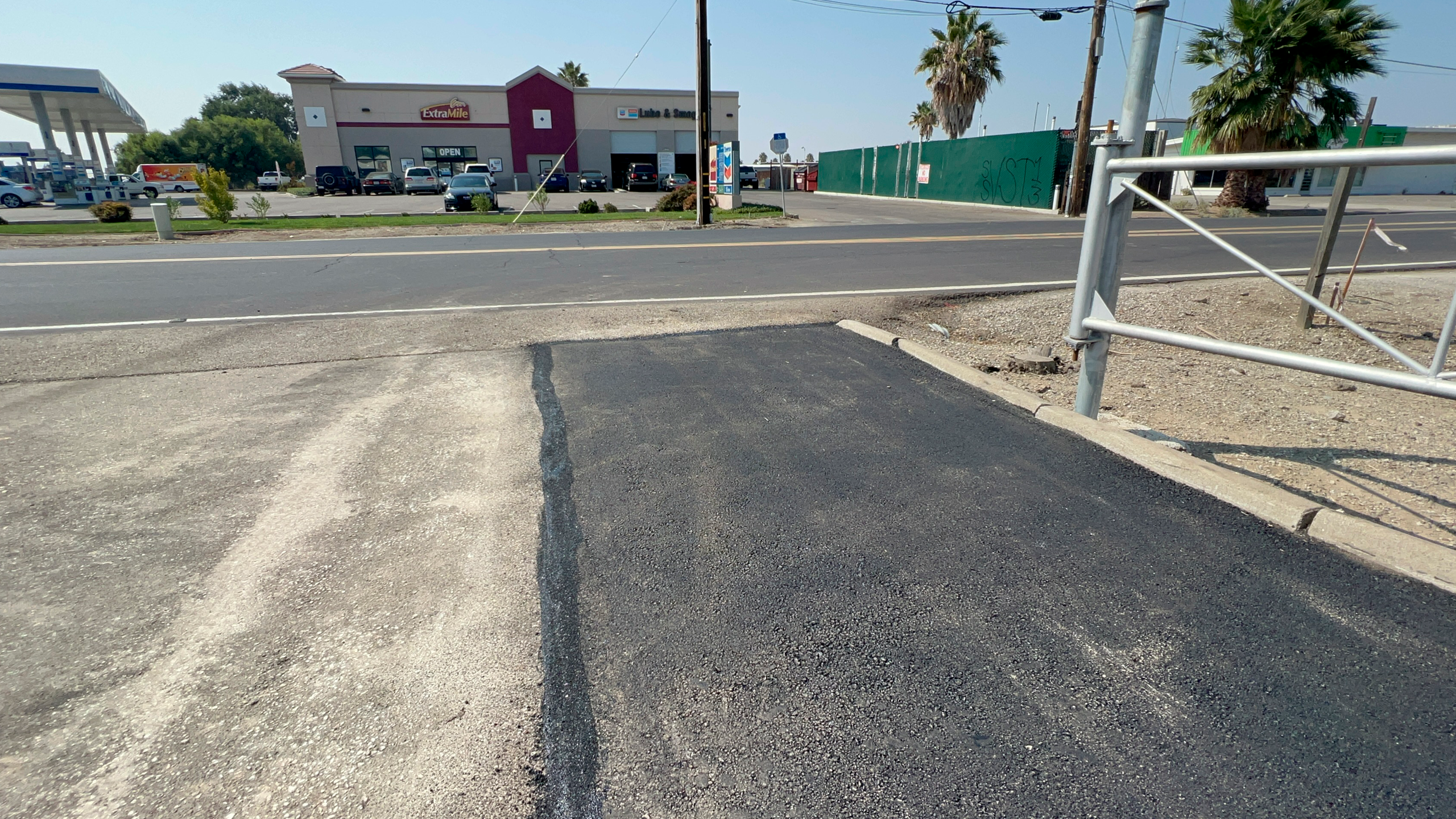
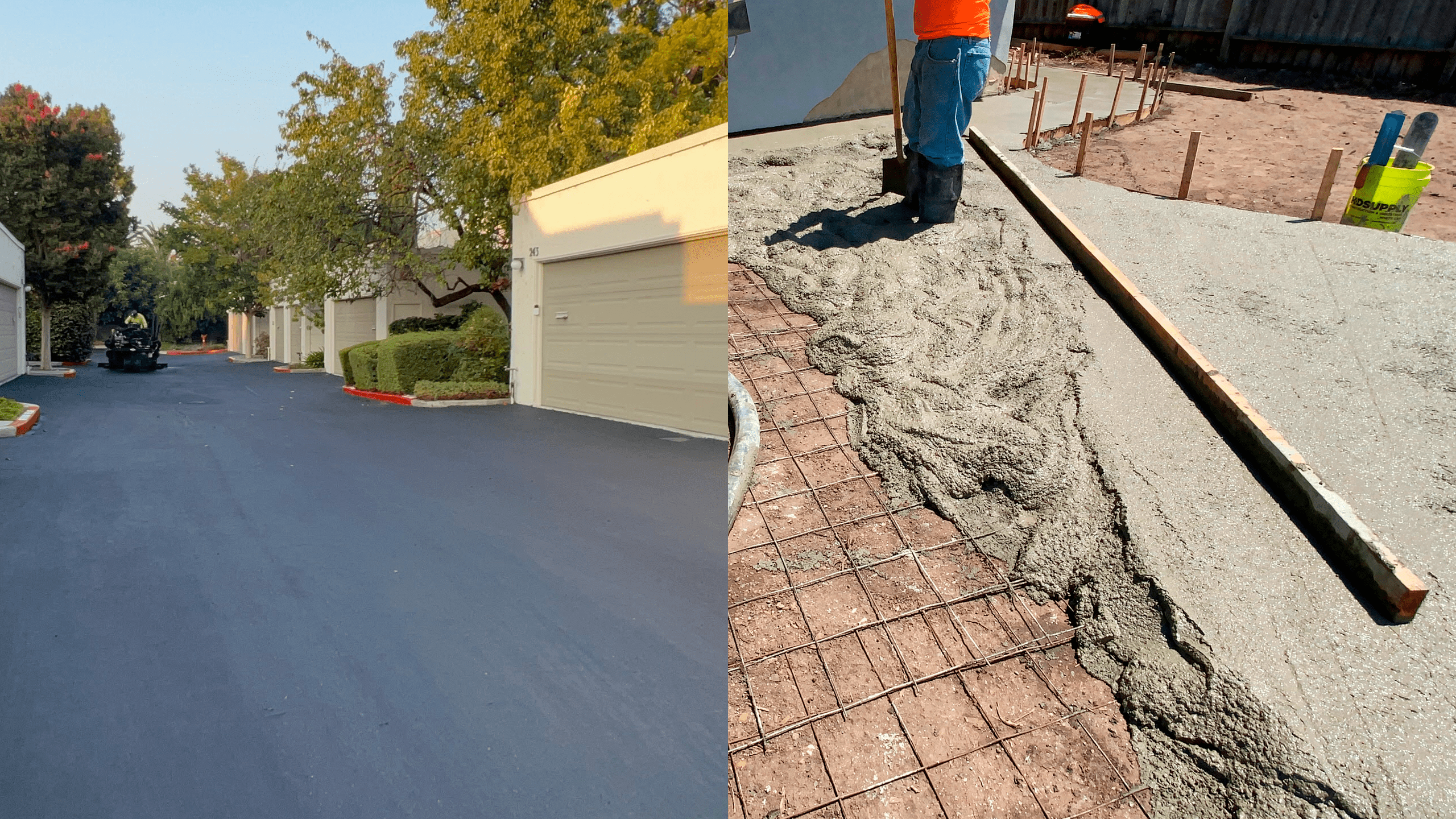
Replacing a driveway is a significant home improvement project that can enhance curb appeal, increase property value, and improve functionality. However, before you start tearing up your old driveway and pouring new concrete or laying pavers, it’s crucial to understand the legal and regulatory requirements involved. One of the most common questions homeowners have is whether they need a permit to replace their driveway. The answer can vary widely depending on your location, the scope of the project, and local building codes. This comprehensive guide will delve into the intricacies of driveway replacement permits, covering key aspects to help you navigate the process smoothly.
Understanding Building Permits
A building permit is an official approval issued by local government agencies that allows you to proceed with construction or renovation work on your property. The purpose of a building permit is to ensure that the work complies with local building codes and zoning laws, which are designed to safeguard public health, safety, and welfare.
Why Are Permits Important?
- Safety and Compliance: Permits ensure that construction work meets safety standards and building codes, reducing the risk of structural failures or other hazards.
- Insurance and Liability: Unpermitted work can void your homeowner’s insurance policy and leave you liable for accidents or damages.
- Property Value: Future buyers might hesitate to purchase a property with unpermitted work, potentially lowering your home’s market value.
- Legal Consequences: Performing work without a permit can result in fines, penalties, and legal issues with local authorities.
When Do You Need a Permit for Driveway Replacement?
Whether you need a permit to replace a driveway depends on several factors, including local regulations, the scope of the project, and the materials used. Here are some common scenarios:
1. Replacing an Existing Driveway
In many areas, simply replacing an existing driveway with similar materials and dimensions may not require a permit. However, if you plan to change the driveway’s size, shape, or material, you may need to obtain a permit. For instance:
- Size and Shape: Expanding the driveway or altering its configuration can impact drainage, property boundaries, and zoning regulations.
- Material Changes: Switching from asphalt to concrete or adding decorative elements like pavers might require a permit due to different installation processes and structural considerations.
2. New Driveway Installation
If you’re installing a new driveway where none previously existed, you’ll almost certainly need a permit. New installations can affect land grading, drainage systems, and public infrastructure, making regulatory oversight necessary.
3. Structural Modifications
Any structural modifications, such as adding retaining walls, installing a drainage system, or making significant changes to the driveway’s foundation, typically require a permit. These changes can affect the overall integrity of the driveway and surrounding structures.
How to Determine Permit Requirements
1. Check Local Building Codes
Local building codes and zoning ordinances vary widely. To determine if you need a permit for your driveway replacement, start by checking with your local building department or municipal website. Key information to look for includes:
- Permit requirements for driveway work
- Specific regulations for residential properties
- Guidelines for different types of materials and construction methods
2. Consult with Professionals
If you’re unsure about the permit requirements or the technical aspects of your project, consulting with a licensed contractor or engineer can be beneficial. Professionals can provide insights into local regulations, help with permit applications, and ensure that your project complies with all relevant codes.
3. Submit a Permit Application
If a permit is required, you’ll need to submit a detailed application to your local building department. This process typically involves:
- Application Form: Completing a form with basic information about the project, property, and contractor.
- Site Plans: Providing detailed drawings or plans showing the dimensions, layout, and materials of the new driveway.
- Fees: Paying a permit fee, which can vary based on the project’s scope and location.
- Inspections: Scheduling inspections at various stages of the project to ensure compliance with building codes.
Common Challenges and Considerations
1. HOA Regulations
If you live in a community governed by a homeowners’ association (HOA), you may need to adhere to additional regulations and obtain approval from the HOA before replacing your driveway. HOAs often have specific guidelines regarding materials, colors, and design aesthetics.
2. Environmental Impact
Consider the environmental impact of your driveway replacement project. For example, permeable pavers or gravel driveways can help reduce stormwater runoff and improve drainage compared to traditional concrete or asphalt.
3. Historical Districts
If your property is located in a historic district, there may be additional restrictions and permit requirements to preserve the area’s architectural integrity. Check with local preservation boards or historical societies for guidance.
4. Neighbor Relations
Large construction projects can affect your neighbors, particularly if property lines or shared access points are involved. Communicate your plans with neighbors in advance to address any concerns and avoid potential disputes.
Benefits of Obtaining a Permit
While the permit process can seem cumbersome, there are several benefits to ensuring your driveway replacement project is properly permitted:
1. Peace of Mind
Knowing that your project complies with local regulations and building codes provides peace of mind and reduces the risk of future issues.
2. Quality Assurance
Permitted projects are subject to inspections, which helps ensure that the work is completed to a high standard and meets safety requirements.
3. Legal Protection
Having a permit protects you from potential legal and financial repercussions associated with unpermitted work, including fines, penalties, and insurance issues.
4. Increased Property Value
Properly permitted and documented home improvements can enhance your property’s value and make it more attractive to potential buyers.
Conclusion
Replacing a driveway is a significant investment that can enhance your home’s appearance and functionality. Understanding the permit requirements for your project is crucial to ensure compliance with local regulations, avoid legal issues, and protect your investment. By checking local building codes, consulting with professionals, and following the proper permit application process, you can navigate the complexities of driveway replacement with confidence. Whether you’re simply resurfacing an existing driveway or undertaking a major redesign, taking the time to understand and adhere to permit requirements will help ensure a successful and hassle-free project.