A newly paved asphalt surface may look finished the moment the crew leaves, but the pavement itself is still changing. Property owners often assume asphalt becomes fully hardened within a few days. In reality, the curing process continues well beyond the initial installation period.
Understanding asphalt curing time helps explain why some surfaces perform differently during their first months of use, why maintenance schedules matter, and why certain traffic patterns can leave marks on otherwise new pavement. Whether the surface is a driveway, parking lot, access road, or commercial entrance, curing plays a significant role in long-term pavement performance.

The Difference Between Cooling and Curing
One of the most common misunderstandings is treating cooling and curing as the same thing.
Fresh asphalt cools relatively quickly. Depending on weather conditions, it may be ready for limited use within a short period after installation. However, cooling simply means the material has reached a lower temperature. Curing refers to the much longer process during which oils and binders within the asphalt continue stabilizing and hardening.
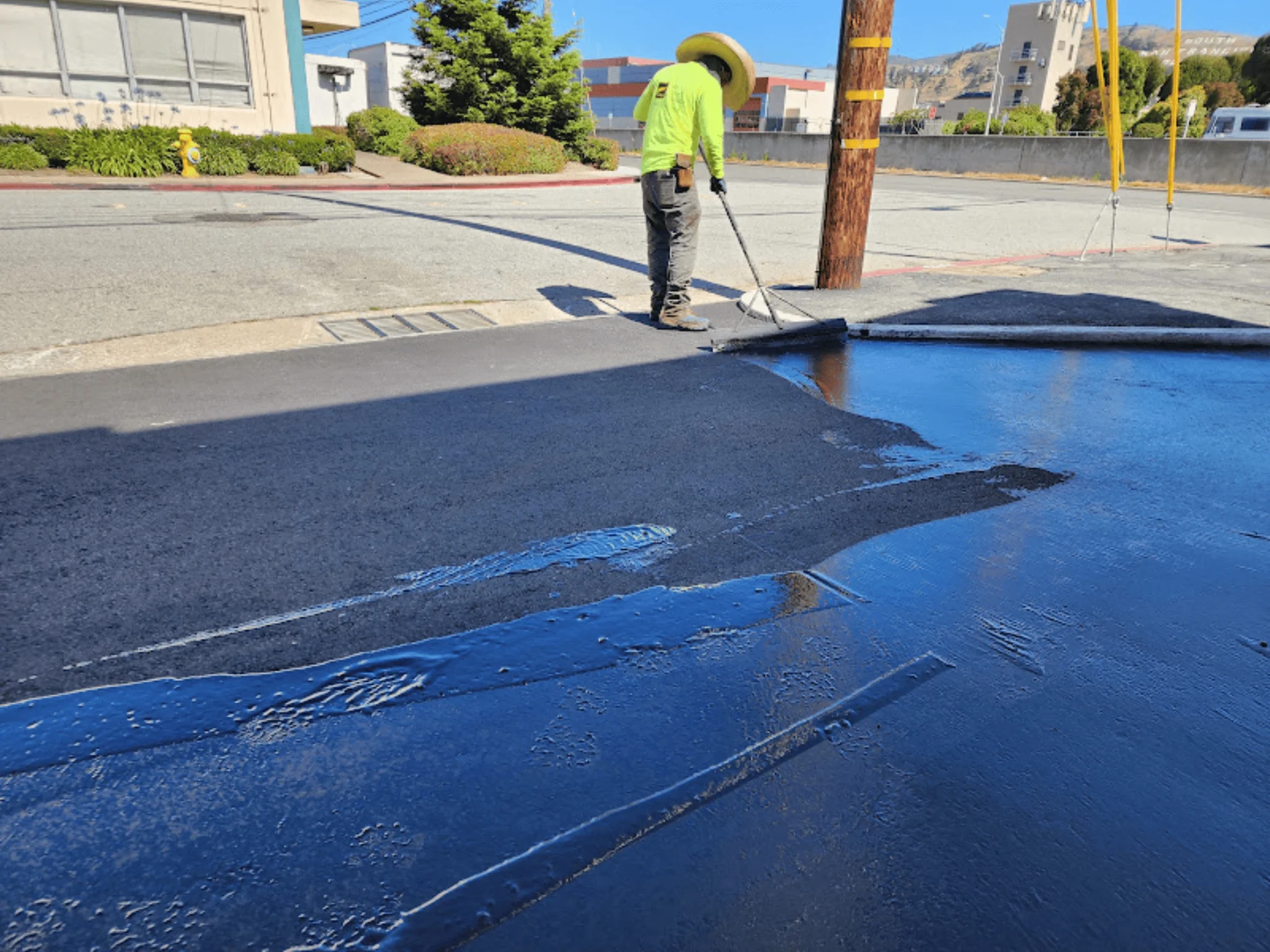
This relationship becomes easier to understand when reviewing a real-world sealcoating project, where maintenance serves as a later stage in the pavement lifecycle rather than an immediate post-installation step.
During the early curing period, pavement remains more flexible than many property owners expect. Tire marks from parked vehicles, kickstands from motorcycles, heavy dumpsters, or concentrated turning movements can sometimes leave impressions that would be less likely once curing progresses further.
This difference becomes noticeable in areas where vehicles repeatedly pivot in the same location. Commercial entrances, loading zones, and residential driveways near garage doors often show these early signs first.
A Pavement Lifecycle: What Owners May Notice During Curing
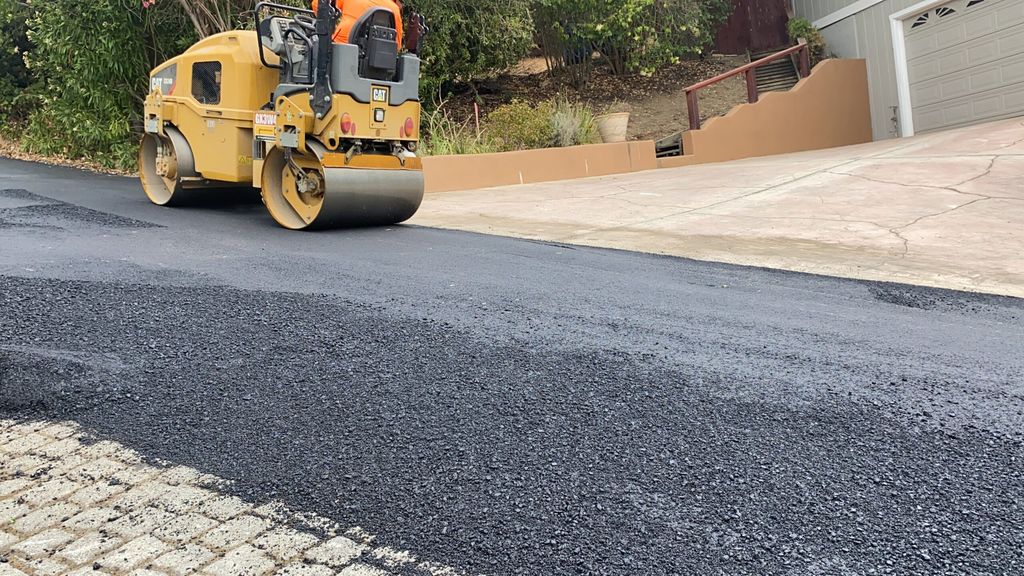
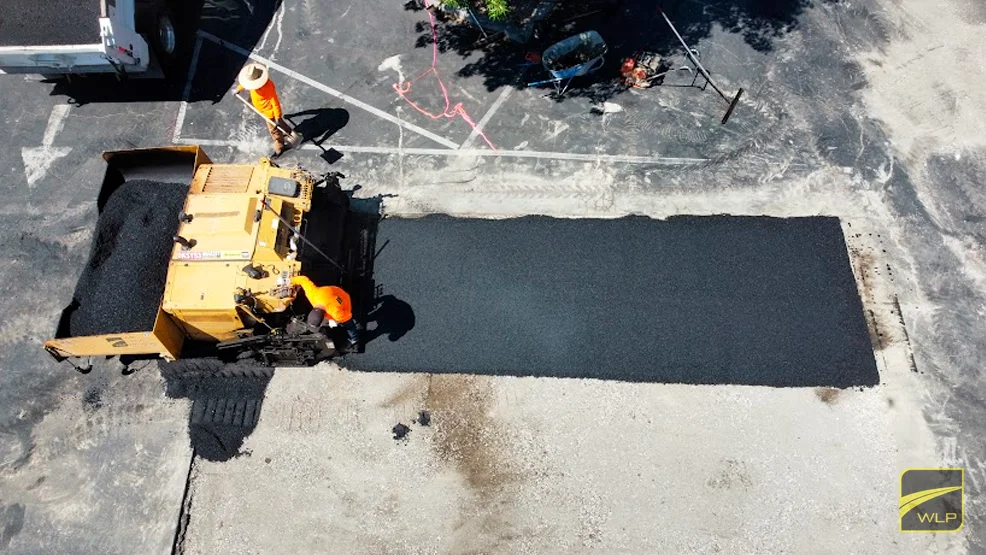
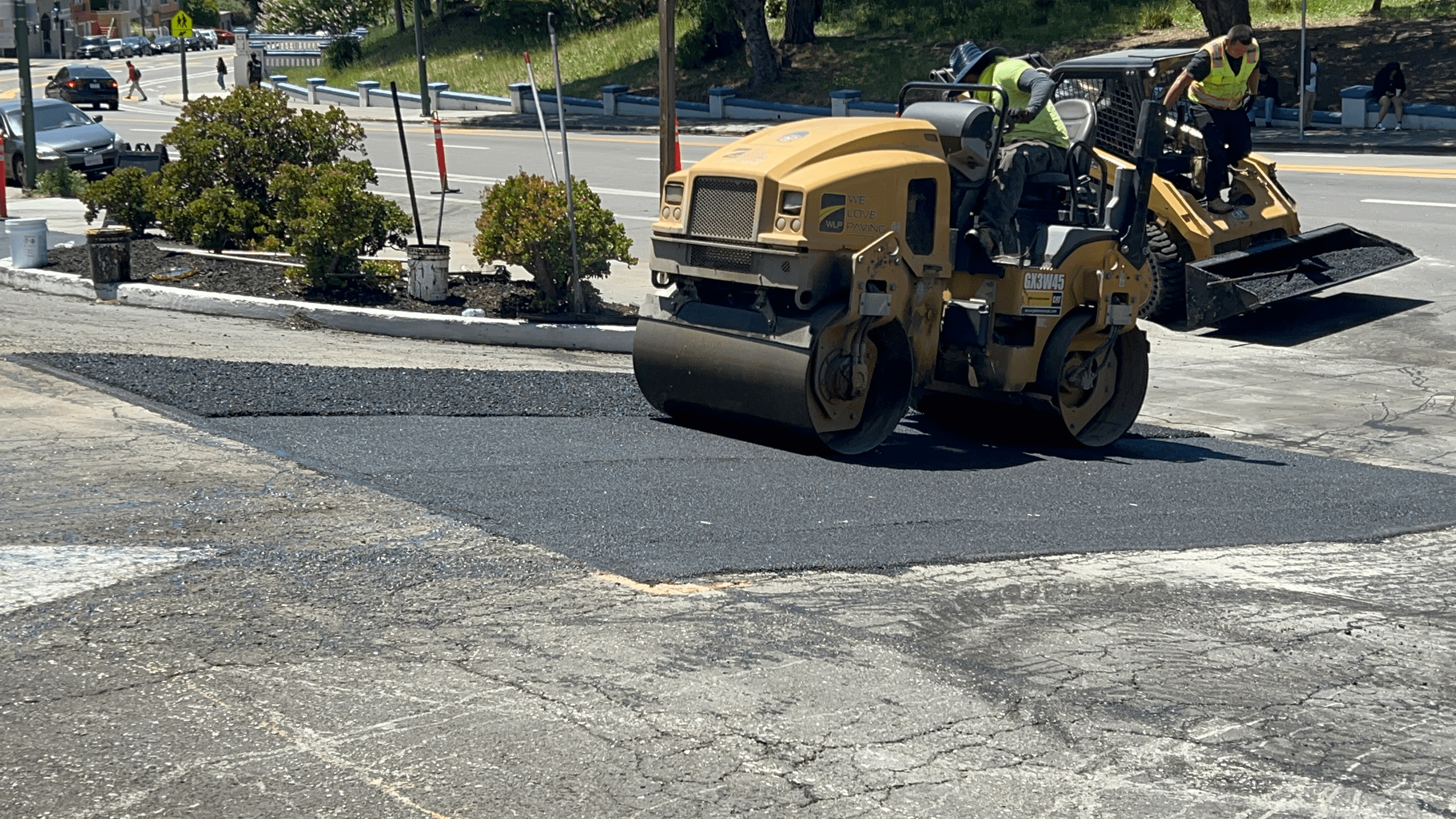
A recently completed asphalt paving project such as the Foster City asphalt paving project demonstrates how new pavement enters this early-life stage before reaching its long-term performance characteristics.
Instead of thinking about curing as a single event, it helps to view it as a sequence.
| Pavement Stage | What You May Observe |
|---|---|
| First days | Surface remains relatively soft and vulnerable to concentrated pressure |
| First weeks | Pavement becomes more stable but may still show marks from heavy loads |
| First months | Surface gradually hardens and becomes more resistant to deformation |
| Long-term aging | Oxidation slowly increases stiffness and brittleness |
This progression explains why pavement behavior changes over time.
For example, a property owner might notice slight tire scuffing during the first warm season after installation. Months later, the same traffic pattern may no longer leave visible marks because the pavement has continued curing and gaining rigidity.
Conditions That Influence Asphalt Curing Time
A parking lot installed during moderate weather may cure differently than one installed during extended periods of extreme heat. In hotter conditions, newly placed asphalt can remain more susceptible to impressions because elevated temperatures temporarily soften the surface.
Several site-specific factors influence the process:
- Surface temperatures during and after installation
- Seasonal weather conditions
- Pavement thickness
- Traffic volume
- Vehicle weight and turning activity
- Sun exposure throughout the day
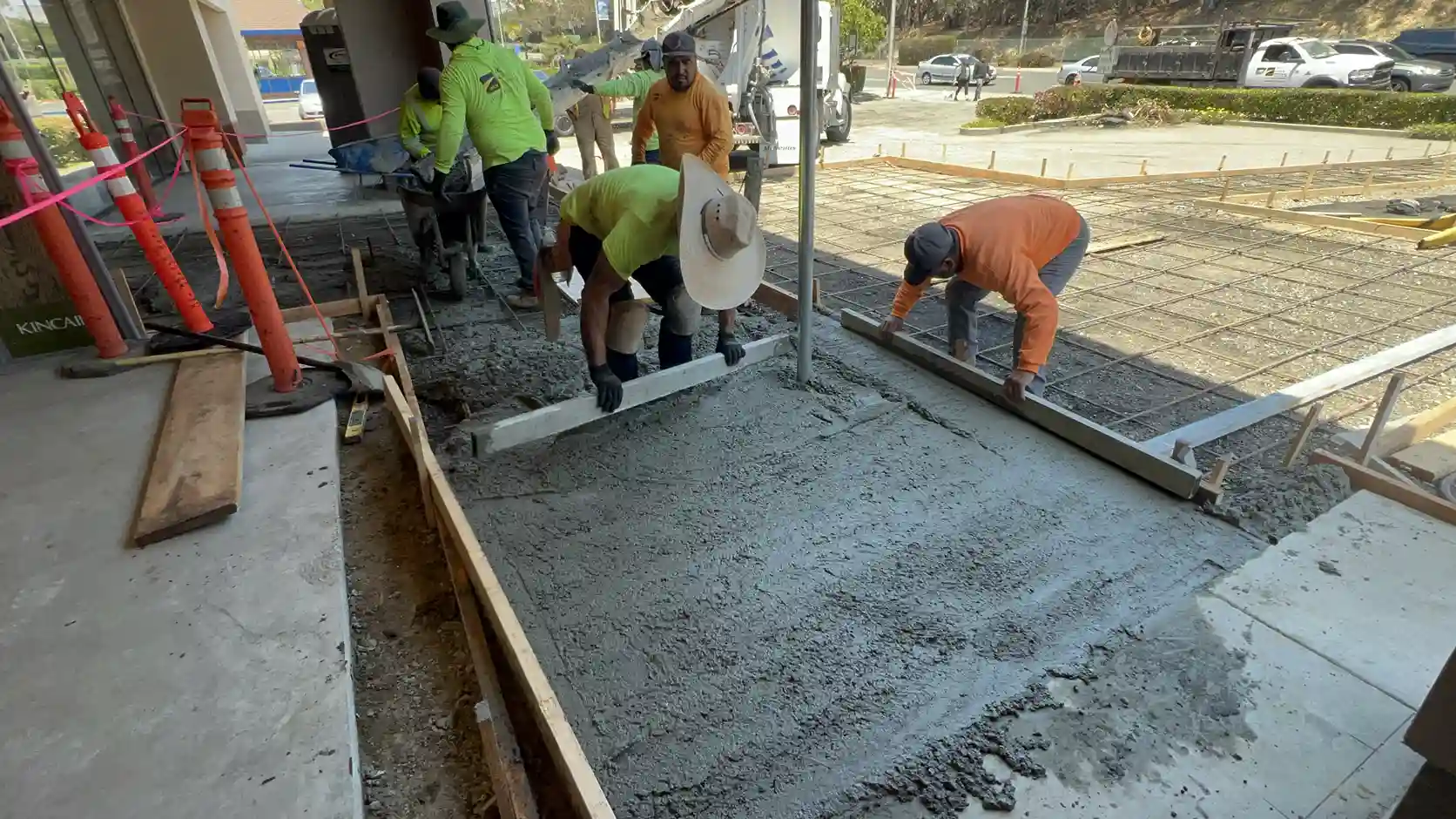
The same principle applies to pedestrian routes. Areas connected to sidewalk repair projects may experience different wear patterns depending on how quickly foot traffic returns after paving activities are completed.
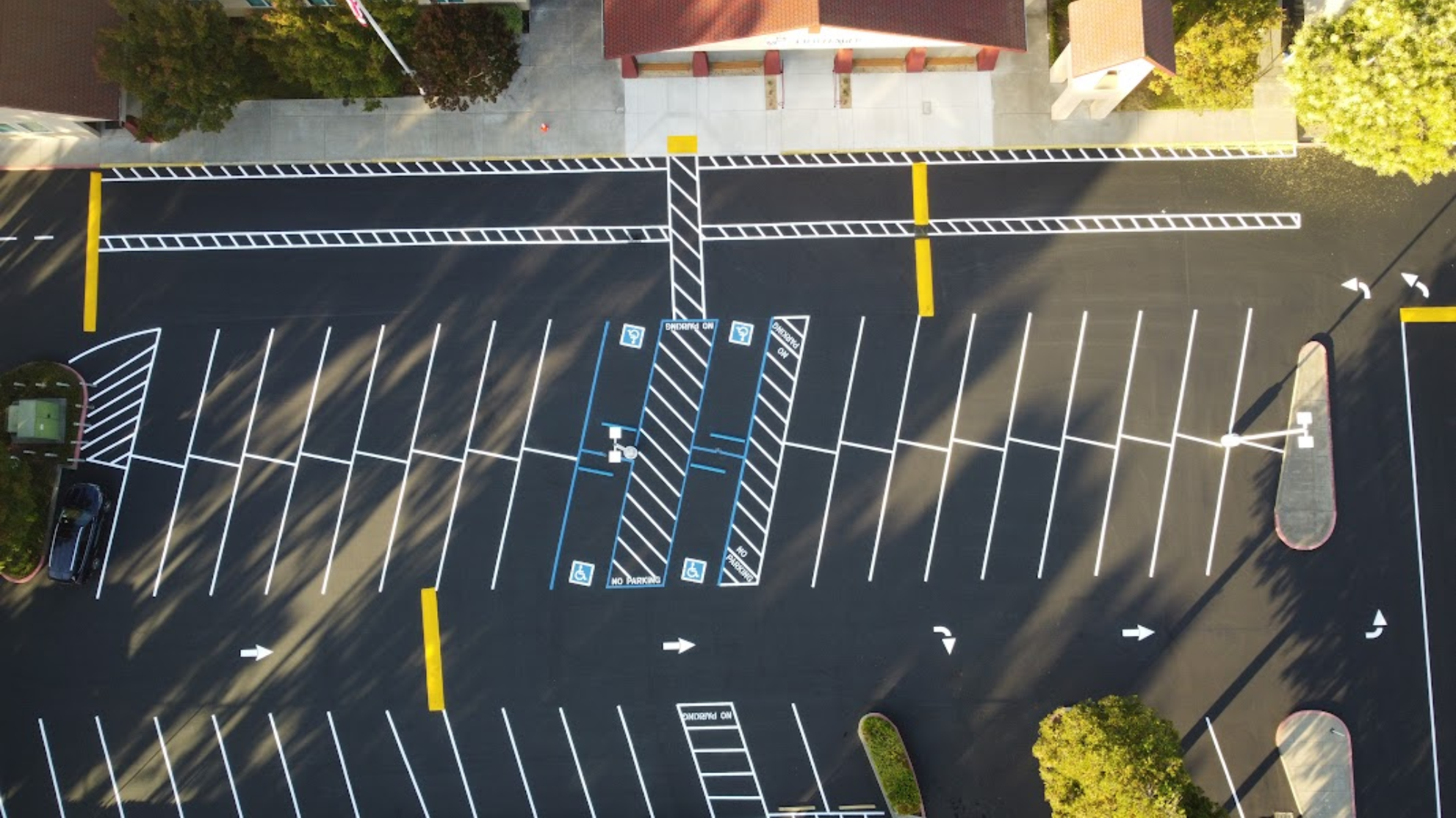
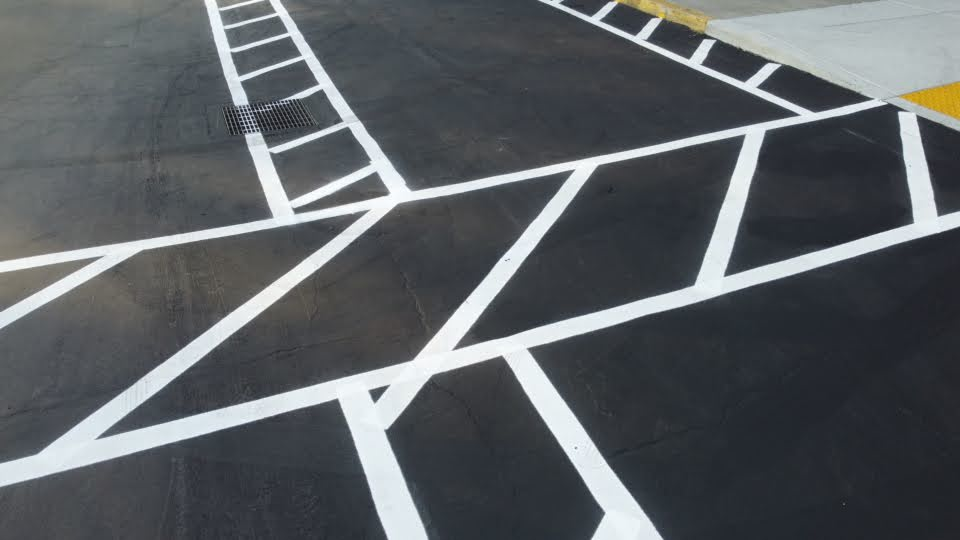
Property managers sometimes notice this around dumpster pads, loading areas, or designated accessible parking spaces where vehicles stop repeatedly in the same location. These concentrated stress points often reveal pavement behavior sooner than low-traffic sections.
Why Maintenance Timing Matters After Installation
Owners planning larger site upgrades should also consider curing schedules when coordinating adjacent improvements. Projects involving EV charging construction, utility work, or surface-mounted equipment may benefit from allowing pavement to stabilize before additional infrastructure is installed.
Curing also influences when certain maintenance activities make the most sense.
Many owners focus exclusively on installation day without considering what comes next. However, pavement protection strategies often depend on allowing the surface to mature appropriately before additional treatments are applied.
For instance, the timing of sealcoating should account for pavement age and curing progression. Applying protective treatments too early may not deliver the intended results because the asphalt is still releasing some of the compounds involved in the curing process.
When Hardening Becomes Aging
Interestingly, the same process that strengthens asphalt over time eventually contributes to deterioration.
As curing progresses, asphalt generally becomes more durable and resistant to deformation. However, years later, continued oxidation gradually reduces flexibility. Pavement that was once resilient can become increasingly brittle.
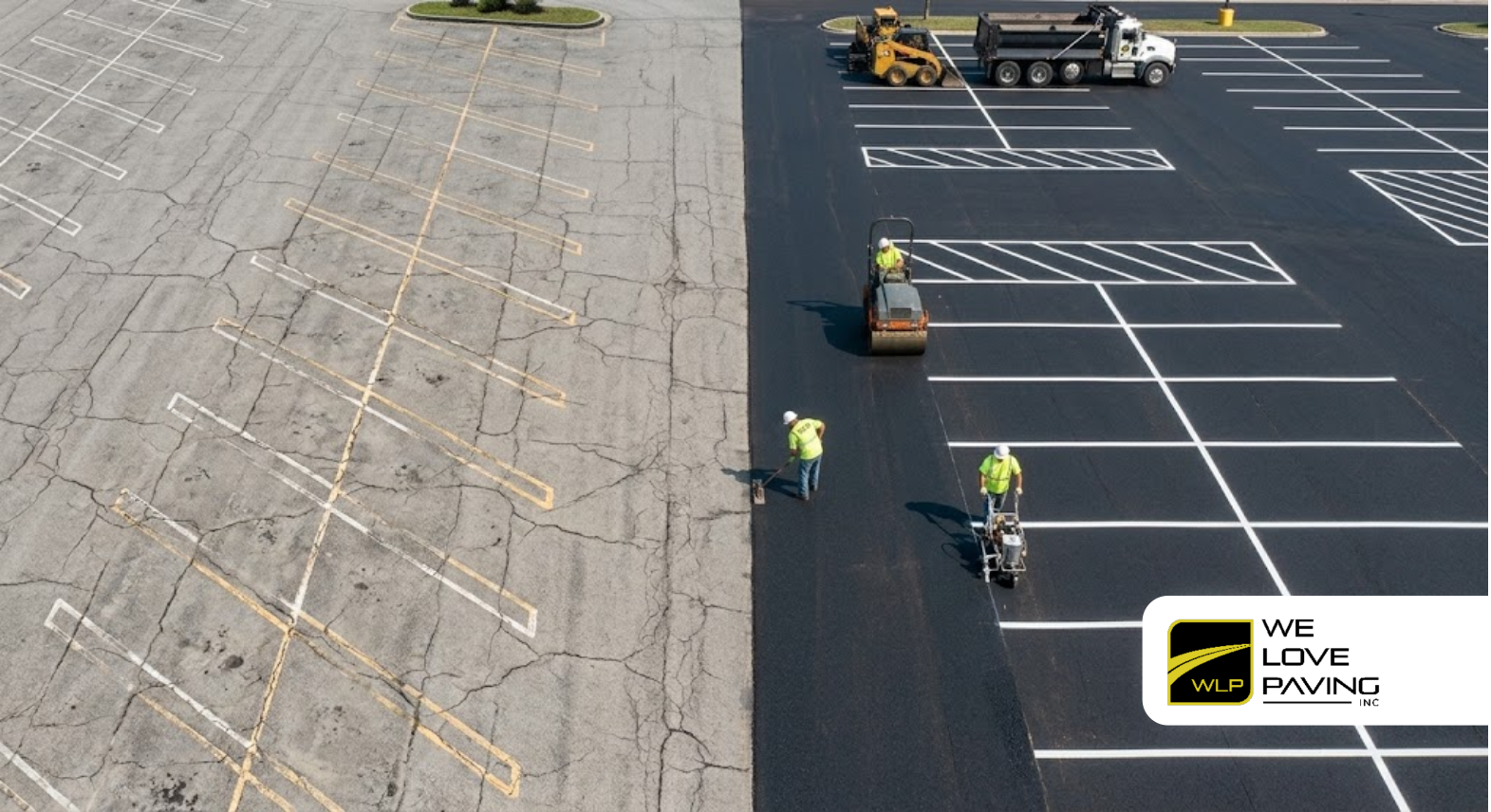
The same observational approach applies when reviewing parking lot warning signs across a property. Surface appearance often provides useful clues about pavement age, performance, and future maintenance needs.
This transition often appears through field-observable conditions such as:
- Fine surface cracking developing in high-exposure areas
- Aggregate becoming more visible as surface oils diminish
- Small raveling patterns near turning movements
- Edge deterioration where pavement lacks support
These signs differ from the temporary softness associated with early curing. Instead, they indicate that pavement has moved into a later stage of its lifecycle.
Understanding this distinction helps owners interpret what they see on-site. Not every surface change indicates a problem requiring immediate repair, but recognizing where pavement sits within its lifecycle supports more informed maintenance decisions.
Planning Around Asphalt Curing Time
For most property owners, asphalt curing time is less about counting days and more about managing expectations.
New pavement should not be viewed as fully matured immediately after installation. During the curing period, it remains more vulnerable to concentrated loads, sharp turning movements, and prolonged pressure from heavy objects.
As months pass, the surface gradually reaches a more stable condition. Later, as aging continues, attention shifts from curing-related softness to long-term preservation.
This lifecycle perspective is particularly useful for facilities that depend on reliable vehicle circulation, pedestrian access, and specialized pavement areas such as accessible parking. Knowing where a pavement surface falls within its curing and aging timeline helps owners make better decisions about maintenance, traffic management, and future investments.
For property owners evaluating pavement performance, We Love Paving often finds that the most useful conversations happen before visible problems appear. Understanding how asphalt evolves from installation through curing and eventually into long-term aging allows maintenance decisions to be based on pavement condition rather than assumptions about age alone.