In the realm of business operations, maintenance and repair costs are inevitable. For property owners, particularly those managing parking facilities, the question of how to account for parking lot repairs can be critical. Should these expenses be treated as immediate costs or capitalized as long-term assets? The answer lies in understanding the nature and impact of the repairs.
The Dilemma: Expense or Capitalize?
When faced with parking lot repairs, businesses encounter the decision of whether to expense the cost immediately or capitalize it as a long-term asset. This decision hinges on the magnitude of the repair and its impact on the useful life of the parking lot.
Expense
Minor repairs that maintain the current condition of the parking lot without significantly extending its useful life are typically expensed as repair and maintenance costs. These expenses are recorded on the income statement for the current period, directly reducing profits.
Capitalization
On the other hand, if a repair significantly enhances the parking lot’s lifespan or functionality, it may be capitalized. This involves adding the repair costs to the overall value of the parking lot as a long-term asset. Capitalized costs are then amortized or depreciated over the remaining useful life of the parking lot.
Determining Factors
Several factors influence the decision to capitalize parking lot repairs
- Extent of Repair: Assess the scope of the repair work. Minor fixes like patching potholes may warrant immediate expensing, while major renovations such as resurfacing or reconstruction may justify capitalization.
- Useful Life Extension: Consider whether the repair work substantially prolongs the useful life of the parking lot. Investments that enhance durability or functionality over an extended period are prime candidates for capitalization.
- Cost Threshold: Establish a cost threshold to differentiate between routine maintenance and capitalizable improvements. While there’s no universal threshold, higher-cost repairs are more likely to be capitalized.
Illustrative Example
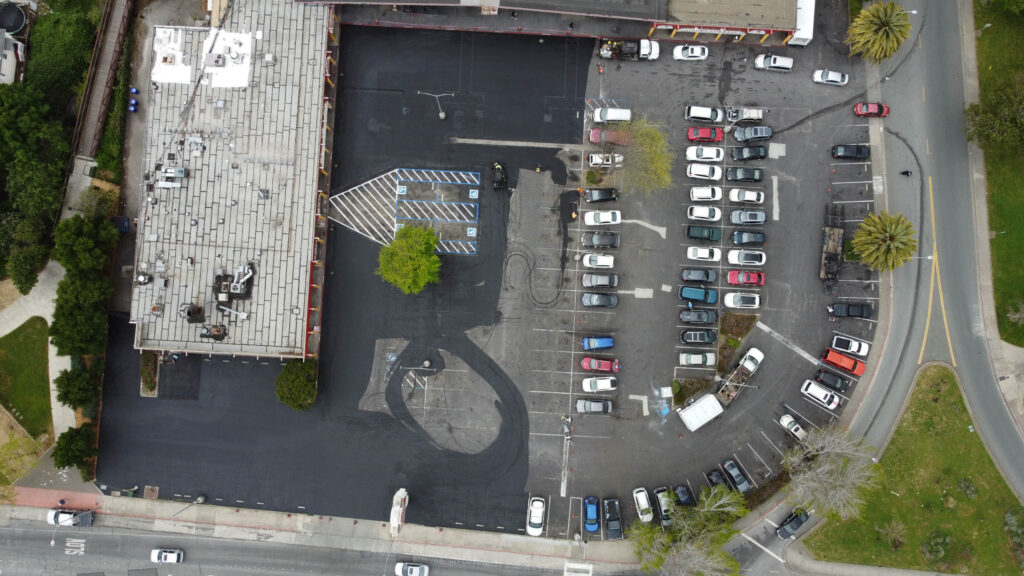
Imagine a business invests $25,000 to resurface and upgrade lighting in its parking lot. These improvements are expected to extend the useful life of the parking facility by ten years. Given the substantial nature of the repairs and their long-term impact, capitalization would be appropriate.
Benefits of Capitalization
Capitalizing parking lot repairs offers several advantages
- Enhanced Asset Value: By adding repair costs to the asset’s value, capitalization reflects the true investment in the property, potentially increasing its overall worth on the balance sheet.
- Smoothing Financials: Capitalizing major repairs distributes their costs over multiple accounting periods through depreciation, preventing sudden spikes in expenses and providing a more accurate representation of the asset’s economic benefit.
- Tax Benefits: Depreciation of capitalized repairs allows businesses to deduct a portion of the costs annually, reducing taxable income and potentially lowering tax liabilities.
Consultation and Compliance
Navigating the intricacies of accounting treatment for parking lot repairs requires expertise. Consultation with financial professionals or accountants is advisable to ensure compliance with accounting standards and optimize tax implications.
Conclusion
In the realm of parking lot repairs, the decision to expense or capitalize carries significant financial implications. While minor fixes may be expensed as routine maintenance, major renovations that enhance the parking lot’s longevity and functionality warrant capitalization. By understanding the factors influencing this decision and seeking professional guidance when necessary, businesses can maximize asset value and ensure sound financial management.
By carefully evaluating parking lot repair projects and making informed decisions regarding expense or capitalization, businesses can effectively manage their assets and optimize financial outcomes.