Beyond the Surface: How We Love Paving Engineers the Full Asphalt Lifecycle

Most paving companies focus only on installation. At We Love Paving, we take it further — engineering every surface with the entire asphalt lifecycle in mind. From soil compaction to preventative maintenance timelines, our work is designed not just to look good, but to last longer, perform better, and reduce total cost of ownership for property managers and municipalities alike.

Here’s how we build for decades — not just deliverables.


Phase 1: Subgrade Engineering & Soil Stabilization

The real strength of an asphalt surface starts where most never look: below the mat.

  • We conduct site-specific soil analysis to determine load-bearing capacity and drainage behavior.

  • Stabilization options include lime-treated subgrade or geo-grid reinforcement in areas with high clay or poor compaction values.

  • Laser grading ensures optimal slope and runoff performance, even before the first ton of asphalt is laid.

Result: A pavement system that resists failure from the ground up.


Phase 2: Material Selection Based on Application Type

Asphalt isn’t one-size-fits-all. WLP tailors every mix based on use case:

  • Type A dense-graded mixes for heavy-load areas like loading docks or fire lanes.

  • Type B/C for general use, optimized for thermal resistance and aging performance.

  • Rubberized or polymer-modified asphalt for areas with extreme temperature fluctuation or flexural needs.

  • All mixes are sourced from Caltrans-approved plants and tested for aggregate gradation, void ratio, and asphalt content.

Result: Every inch of asphalt is designed for its environment and purpose.


Phase 3: Strategic Compaction & Mat Density Control

The #1 predictor of long-term pavement health? Compaction.

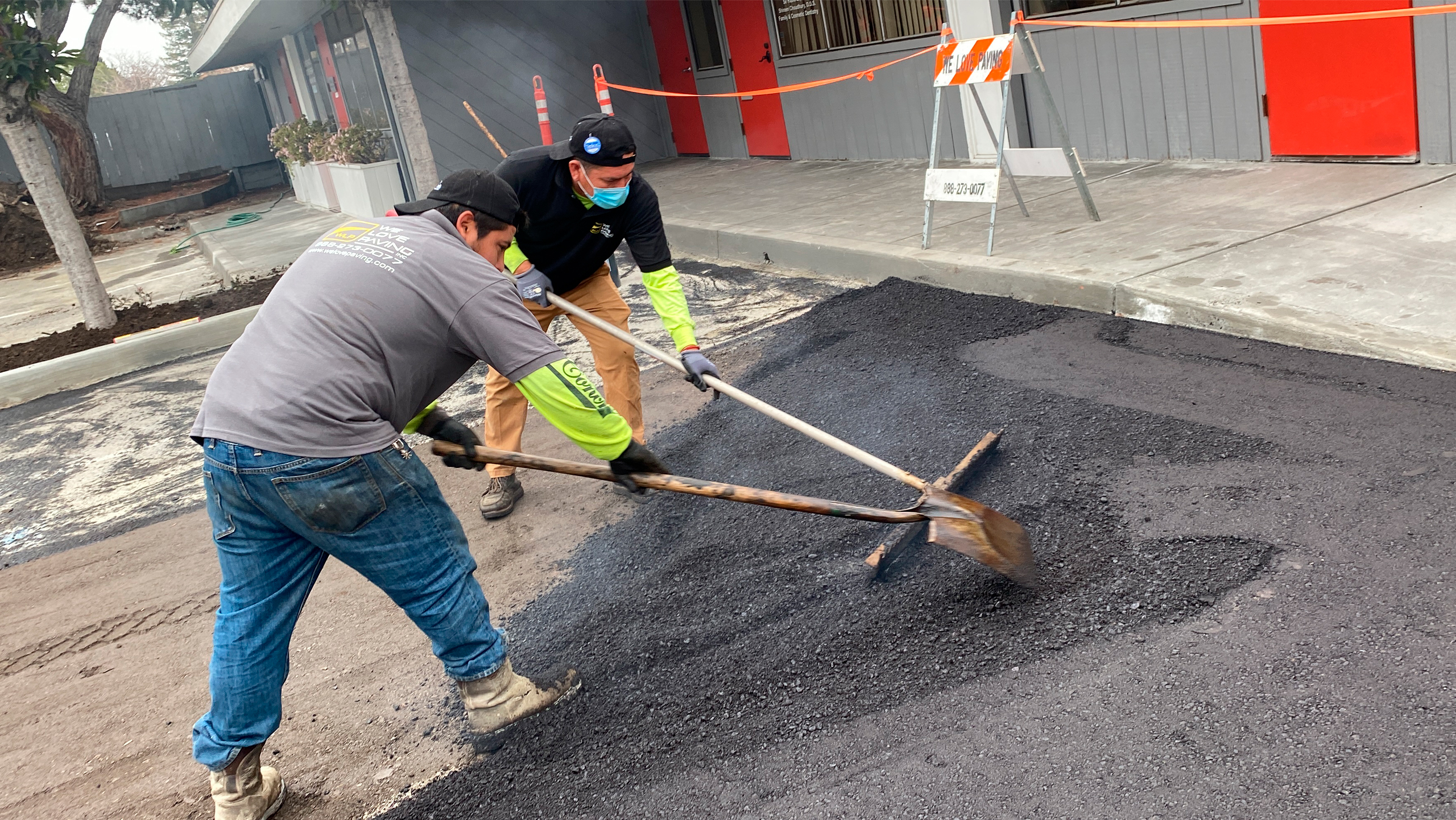
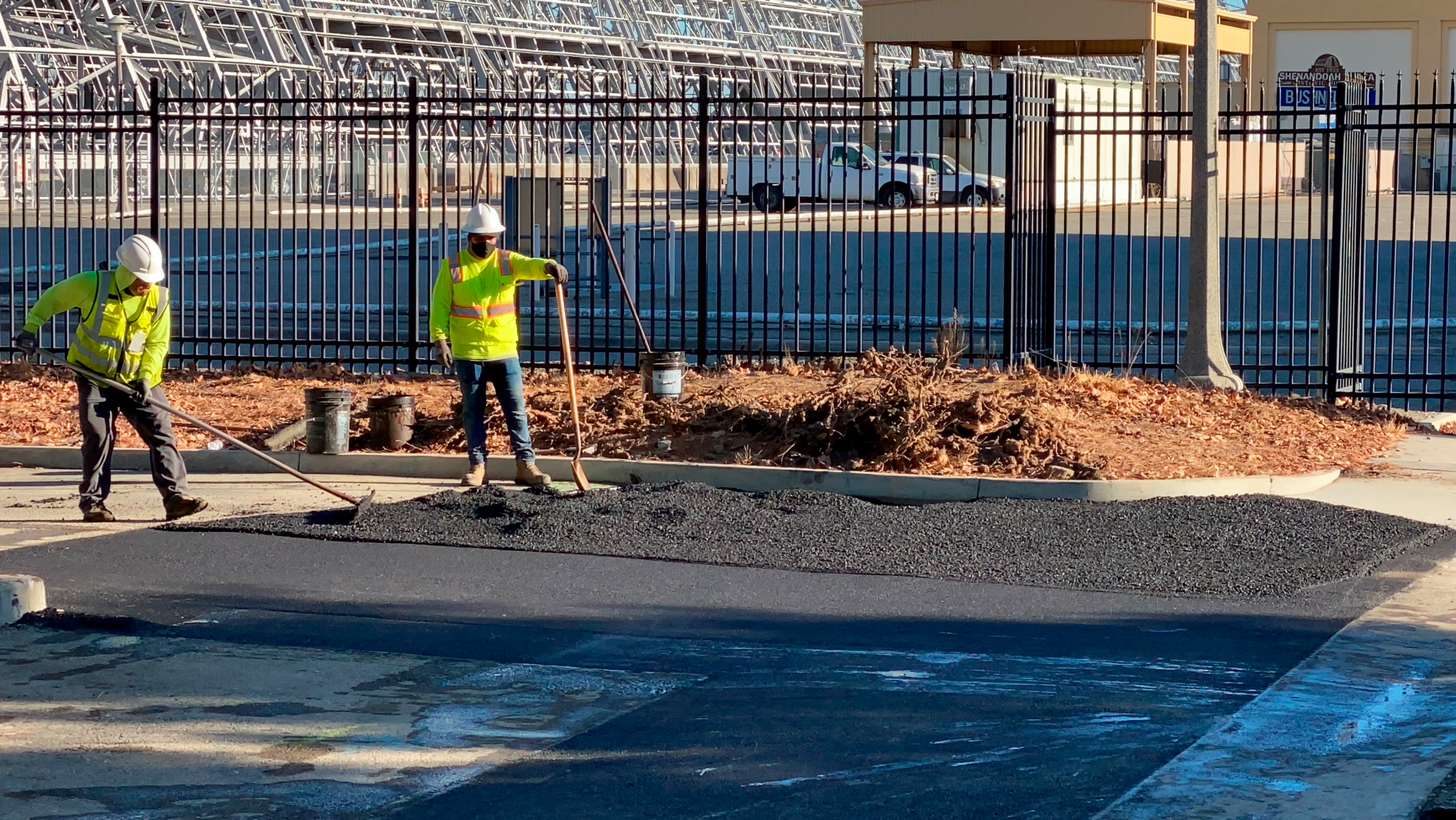
  • Our crews use GPS-calibrated steel drum and pneumatic rollers to meet 92–96% target density.

  • Seam overlaps are minimized with automated paver extensions and infrared reheating when needed.

  • For critical areas (ADA ramps, transitions), we verify compliance with laser slope measurement tools.

Result: A surface that holds shape, resists moisture intrusion, and requires fewer repairs over time.


Phase 4: Proactive Maintenance Planning

We don’t just walk away when the pavement sets.

  • Clients receive a custom 5- to 10-year lifecycle plan, including recommended sealcoating, crack filling, and load inspections.

  • We track UV exposure, traffic loads, and oil intrusion levels to recommend predictive service windows.

  • Maintenance contracts include annual inspections to address issues before they become liabilities.

Result: Up to 35% increase in surface lifespan with reduced total cost of ownership.


Conclusion: Paving with the Future in Mind

At We Love Paving, we don’t just install asphalt — we engineer long-term performance. Every material, compaction pass, and slope calculation is part of a bigger strategy to ensure your pavement performs like infrastructure, not just a surface.

📞 Ready for a smarter approach to paving? Contact WLP for a technical site evaluation and discover the difference that lifecycle-based engineering makes.

Share

WHO IS FRED?

Fred, Regional Operations Manager, comes from a family of immigrant roots and a story built on sacrifice, discipline, and hard work. Growing up, Fred watched his parents work long hours and weekends to create a better future teaching him the values of perseverance, determination, and doing things the right way every single time.
We Love Paving began with Fred’s father, who started doing what he knew best: paving. Over the years, he built experience alongside respected professionals in the industry, refining his methods and developing a reputation for quality work that speaks for itself. As his clientele grew, so did the vision one built not only on skill, but on integrity and pride in every job.

Posts that might interest you

How Close to My Property Line Can I Pour Concrete?

How Close to My Property Line Can I Pour Concrete?

June 28, 2024

Pouring concrete close to your property line is a common issue for homeowners looking to enhance their outdoor spaces. Whether it’s for a driveway, patio, or walkway, understanding the legal and practical considerations is crucial to avoid disputes with neighbors and comply with local regulations. This guide explores the key factors influencing how close you

How to Fix a Crumbling Concrete Driveway: The Ultimate Repair Guide

How to Fix a Crumbling Concrete Driveway: The Ultimate Repair Guide

June 27, 2024

When a concrete driveway starts to crumble, it’s more than a cosmetic issue—it’s a warning sign that the surface is losing its structural integrity. Left untreated, it can lead to major damage, higher repair costs, and safety hazards. Whether you’re a homeowner or manage a commercial property, this guide will show you how to restore

Do You Need a Permit to Replace a Driveway? A Comprehensive Guide

Do You Need a Permit to Replace a Driveway? A Comprehensive Guide

June 25, 2024

Replacing a driveway is a significant home improvement project that can enhance curb appeal, increase property value, and improve functionality. However, before you start tearing up your old driveway and pouring new concrete or laying pavers, it’s crucial to understand the legal and regulatory requirements involved. One of the most common questions homeowners have is

Steps Involved in Asphalt Paving

Steps Involved in Asphalt Paving

June 25, 2024

Asphalt paving is a necessary part of the construction industry. It’s a versatile material used to build roads, parking lots, and driveways. Understanding the steps involved in asphalt paving will help you choose the right pavement for your needs. Asphalt is an extremely durable material that withstands traffic and the elements. It is also environmentally

The Cost of Asphalt Cutting Per Linear Foot: What to Expect

The Cost of Asphalt Cutting Per Linear Foot: What to Expect

June 24, 2024

When it comes to construction and repair projects, asphalt cutting is often a necessary task, whether for roadworks, driveways, or other paved surfaces. Understanding the cost involved in asphalt cutting per linear foot can help you budget more accurately for your project. This article will break down the factors affecting these costs and provide a

The Best Base for an Asphalt Driveway: A Comprehensive Guide

The Best Base for an Asphalt Driveway: A Comprehensive Guide

June 24, 2024

What Do You Lay Under Asphalt?

What Do You Lay Under Asphalt?

June 24, 2024

The Process of Asphalt Paving

The Process of Asphalt Paving

June 19, 2024

Asphalt Paving is a complex process that involves numerous stages. A good paving contractor will be willing to walk you through their work processes and answer any questions. Inquire about an asphalt paving contractor’s license, worker’s compensation, and liability insurance. Ask them to provide references and project examples. Also, ask about their education and training.

Understanding the Concrete Business: A Comprehensive Overview

Understanding the Concrete Business: A Comprehensive Overview

June 18, 2024

The term “concrete business” encompasses a wide range of activities within the construction industry. From the production and delivery of ready-mixed concrete to the construction of roads, buildings, and other infrastructure projects, businesses involved in concrete play a crucial role in shaping the built environment. This article delves into the definition of a concrete business,

How Much Does it Cost to Pave One Mile of Road in California?

How Much Does it Cost to Pave One Mile of Road in California?

June 17, 2024

Paving a mile of road in California is a complex process influenced by various factors, including materials, labor, equipment, environmental regulations, and the geographical characteristics of the area. Understanding the costs involved requires breaking down these factors and examining them in detail. This blog delves into the intricacies of road paving in California, providing a

Previous Next