Asphalt vs. Concrete: Choosing the Best Paving Solution for Your Property

ASPHALT VS. CONCRETE: CHOOSING THE BEST PAVING SOLUTION FOR YOUR PROPERTY

When it comes to paving solutions for your property, two primary materials stand out: asphalt and concrete. Both offer distinct advantages and potential drawbacks, depending on factors such as climate, budget, durability, and maintenance. Understanding these differences will help you make an informed decision that best suits your needs.

1. Cost Comparison

  • Asphalt: Generally, asphalt is more affordable upfront, making it a popular choice for large projects like parking lots, driveways, and roads.
  • Concrete: Costs more initially, but its longer lifespan may make it a better investment over time.

2. Durability & Longevity

  • Asphalt: Typically lasts 15-20 years with proper maintenance. It’s more flexible, which makes it resistant to cracking in cold climates. However, it does require sealcoating every few years.
  • Concrete: Can last 30-40 years but is more prone to cracking due to freeze-thaw cycles. However, it is more resistant to heavy loads and extreme heat.

3. Maintenance Requirements

  • Asphalt: Needs periodic resealing and is more susceptible to oil spills and potholes. However, repairs are generally easier and less expensive.
  • Concrete: Requires less frequent maintenance, but when cracks or damage occur, repairs can be costly and more visible.

4. Climate Considerations

  • Asphalt: Performs better in cold climates because it can flex with temperature changes, reducing the likelihood of cracking.
  • Concrete: Holds up well in hot climates, as it does not soften like asphalt under extreme heat.

5. Aesthetic & Customization

  • Asphalt: Offers a sleek, black surface, commonly used for roads and parking lots.
  • Concrete: Can be stamped, colored, or textured, providing more aesthetic options for decorative driveways and patios.

6. Environmental Impact

  • Asphalt: Can be recycled and reused, making it a more sustainable option in some cases.
  • Concrete: Has a higher carbon footprint in production but requires less maintenance over its lifetime.

Conclusion: Which One Is Best for You?

  • If you need an affordable and easily repairable solution, asphalt may be the best option.
  • If you prefer a long-lasting, low-maintenance, and more customizable option, concrete is the way to go.

Still unsure which paving solution fits your property best? Contact us today for a professional consultation!

Share

WHO IS FRED?

Fred, Regional Operations Manager, comes from a family of immigrant roots and a story built on sacrifice, discipline, and hard work. Growing up, Fred watched his parents work long hours and weekends to create a better future teaching him the values of perseverance, determination, and doing things the right way every single time.
We Love Paving began with Fred’s father, who started doing what he knew best: paving. Over the years, he built experience alongside respected professionals in the industry, refining his methods and developing a reputation for quality work that speaks for itself. As his clientele grew, so did the vision one built not only on skill, but on integrity and pride in every job.

Posts that might interest you

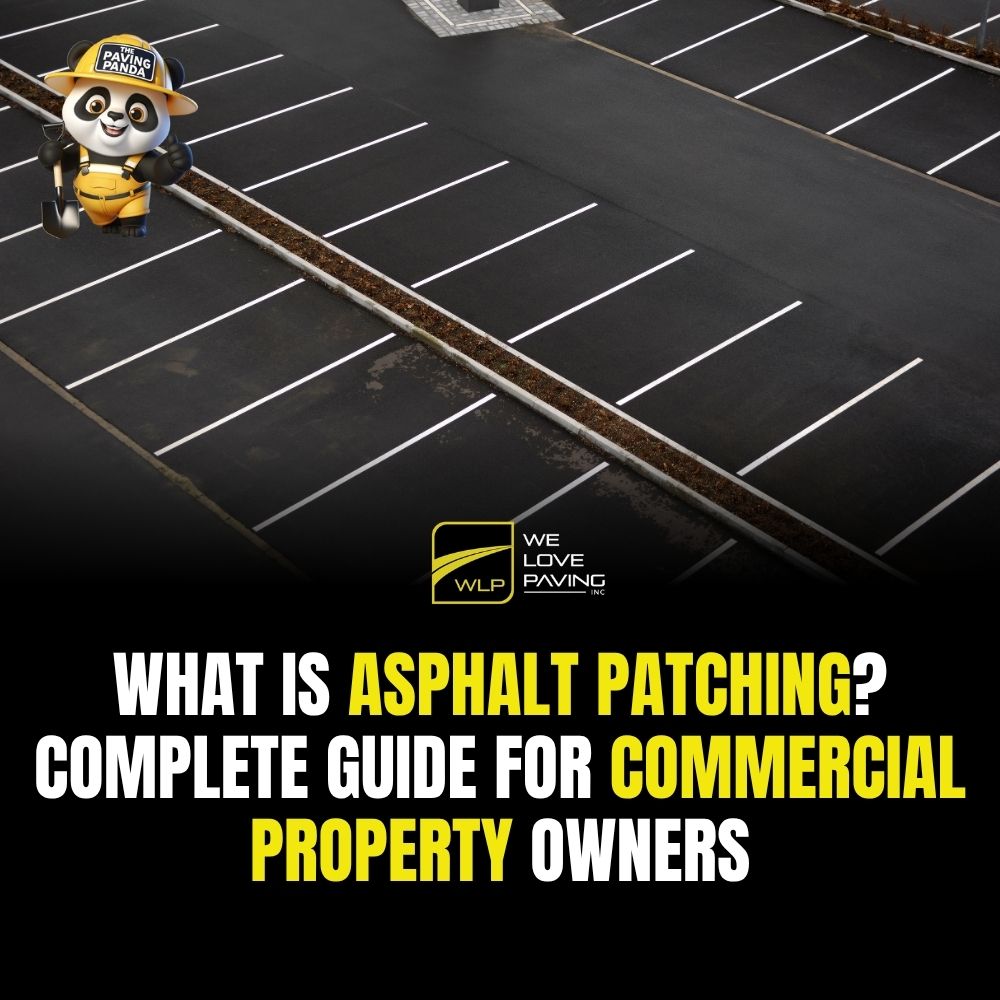
What Is Asphalt Patching? Complete Guide for Commercial Property Owners

What Is Asphalt Patching? Complete Guide for Commercial Property Owners

November 11, 2025

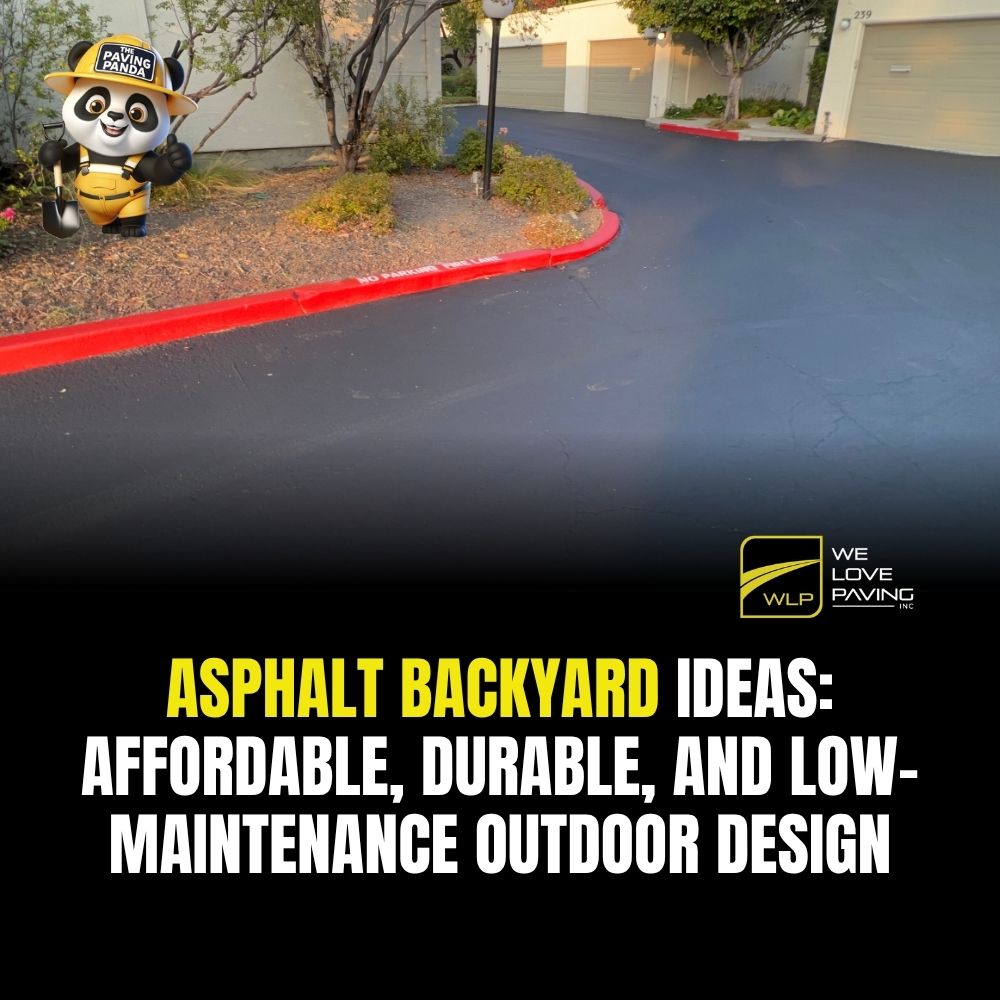
Asphalt Backyard Ideas: Affordable, Durable, and Low-Maintenance Outdoor Design

Asphalt Backyard Ideas: Affordable, Durable, and Low-Maintenance Outdoor Design

November 5, 2025

What Is Tandem Parking? Meaning, Rules, and ADA Compliance Tips

What Is Tandem Parking? Meaning, Rules, and ADA Compliance Tips

November 5, 2025

What Is Tandem Parking? Tandem parking refers to two or more vehicles parked end-to-end within a single elongated parking space. In this setup, one car must move to let the other exit, similar to cars sharing a narrow driveway. It’s a design solution often used in space-limited properties, such as multi-family buildings, apartment complexes, or

Commercial Asphalt Thickness Standards in California

Commercial Asphalt Thickness Standards in California

November 4, 2025

Top 5 Safety Hazards in Commercial Parking Lots (and How to Fix Them)

Top 5 Safety Hazards in Commercial Parking Lots (and How to Fix Them)

November 1, 2025

Your parking lot is more than a place to park — it’s the first and last part of your property that every visitor experiences.And if it’s not maintained properly, it can quickly become a liability nightmare. From trip hazards to poor visibility, these seemingly small issues can lead to accidents, lawsuits, and damaged reputations.Here are

Commercial Property Curb Appeal: Why Your Parking Lot Is Your First Impression

Commercial Property Curb Appeal: Why Your Parking Lot Is Your First Impression

November 1, 2025

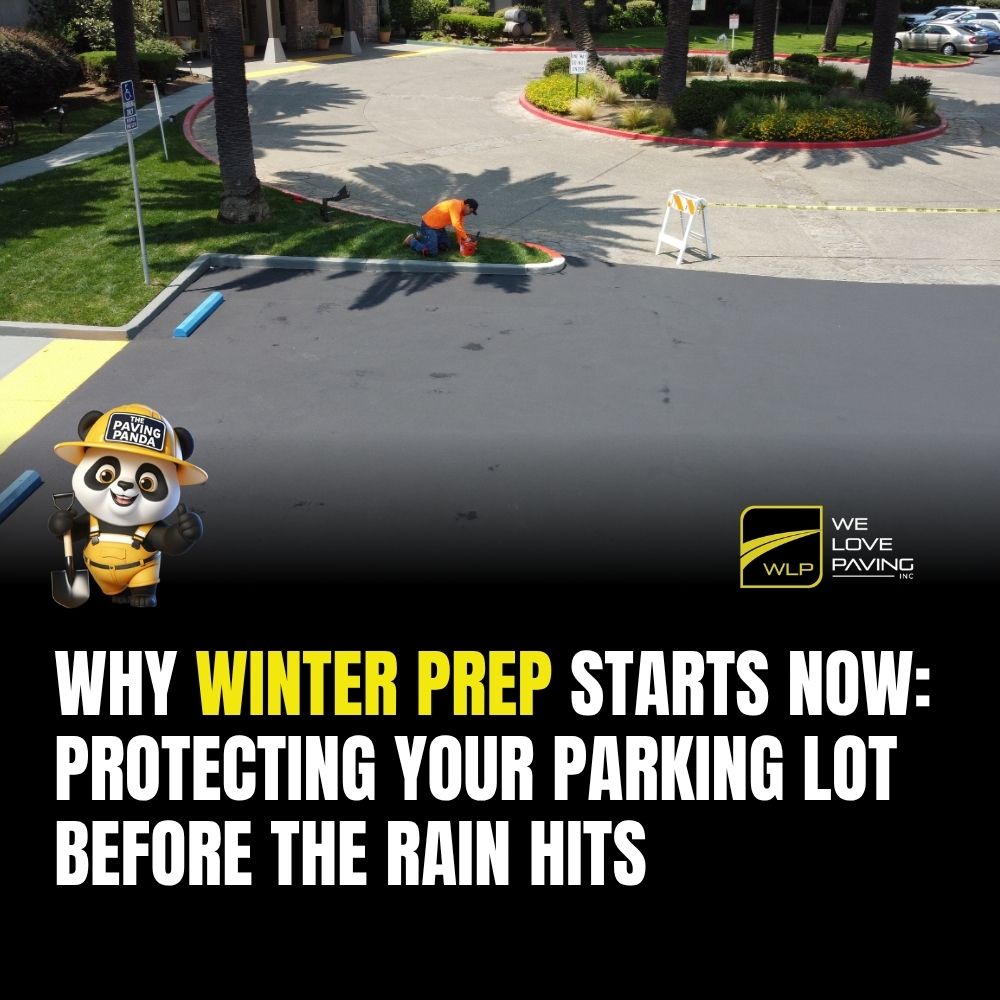
Why Winter Prep Starts Now: Protecting Your Parking Lot Before the Rain Hits

Why Winter Prep Starts Now: Protecting Your Parking Lot Before the Rain Hits

November 1, 2025

Pavement Density Testing: Why Compaction Is the #1 Factor in Asphalt Longevity

October 30, 2025

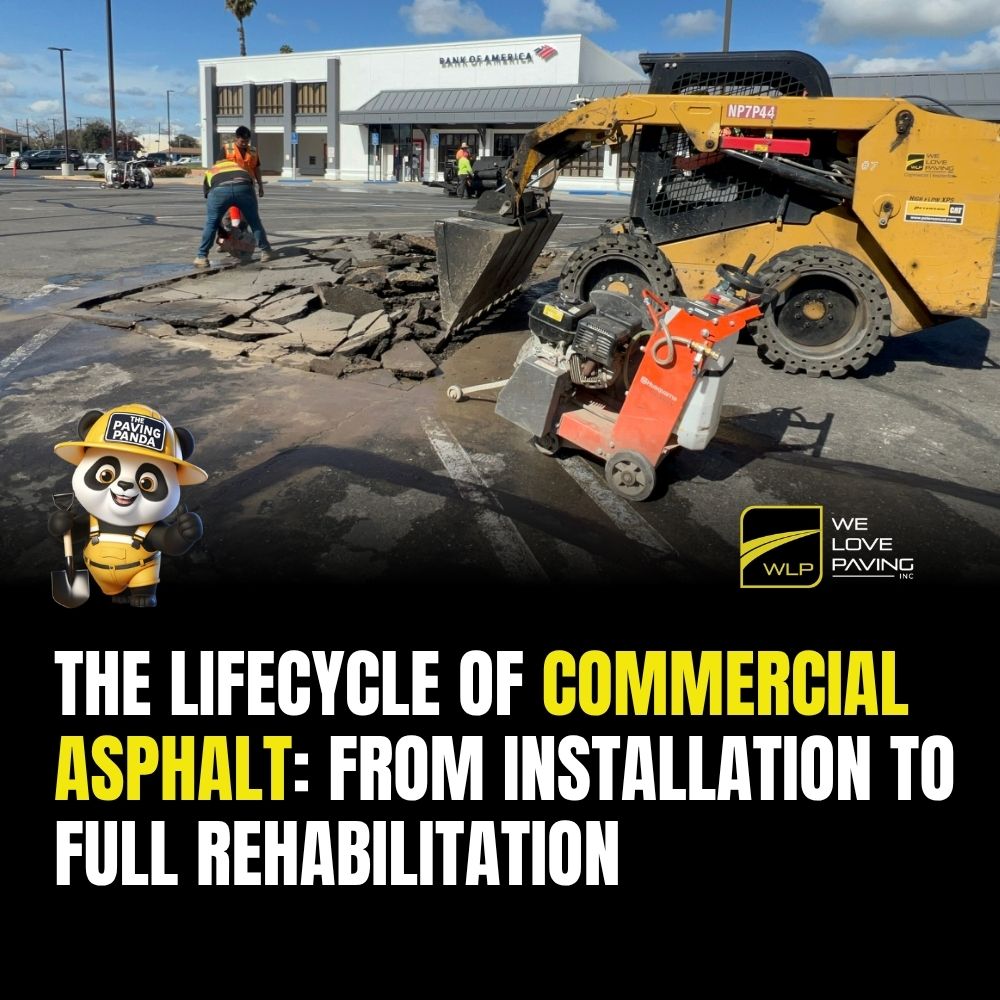
The Lifecycle of Commercial Asphalt: From Installation to Full Rehabilitation

The Lifecycle of Commercial Asphalt: From Installation to Full Rehabilitation

October 30, 2025

Why Understanding Pavement Lifecycle Matters Every parking lot and roadway has a lifespan — but how long it lasts depends on how it’s designed, installed, and maintained.For property owners and facility managers, understanding the lifecycle of asphalt pavement is key to planning budgets, extending surface life, and avoiding costly full replacements. At We Love Paving,

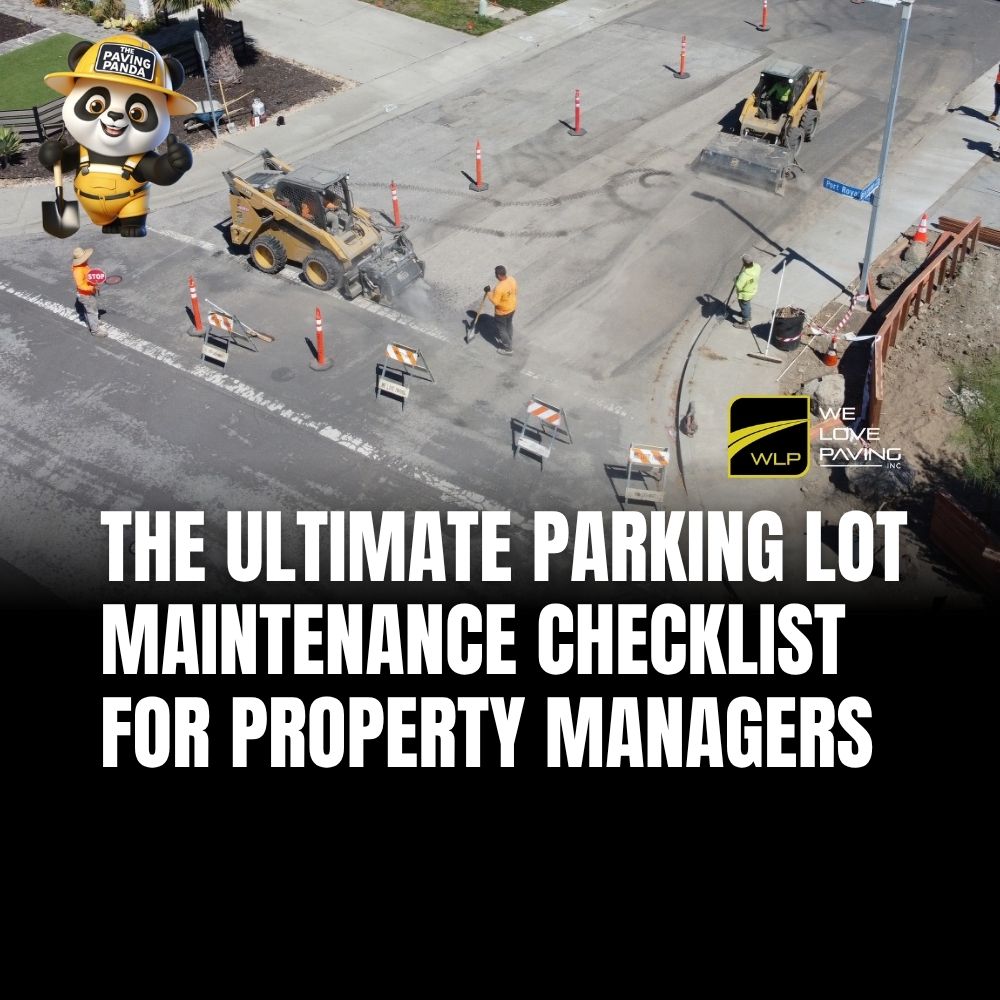
The Ultimate Parking Lot Maintenance Checklist for Northern California Property Managers

The Ultimate Parking Lot Maintenance Checklist for Northern California Property Managers

October 27, 2025

Previous Next