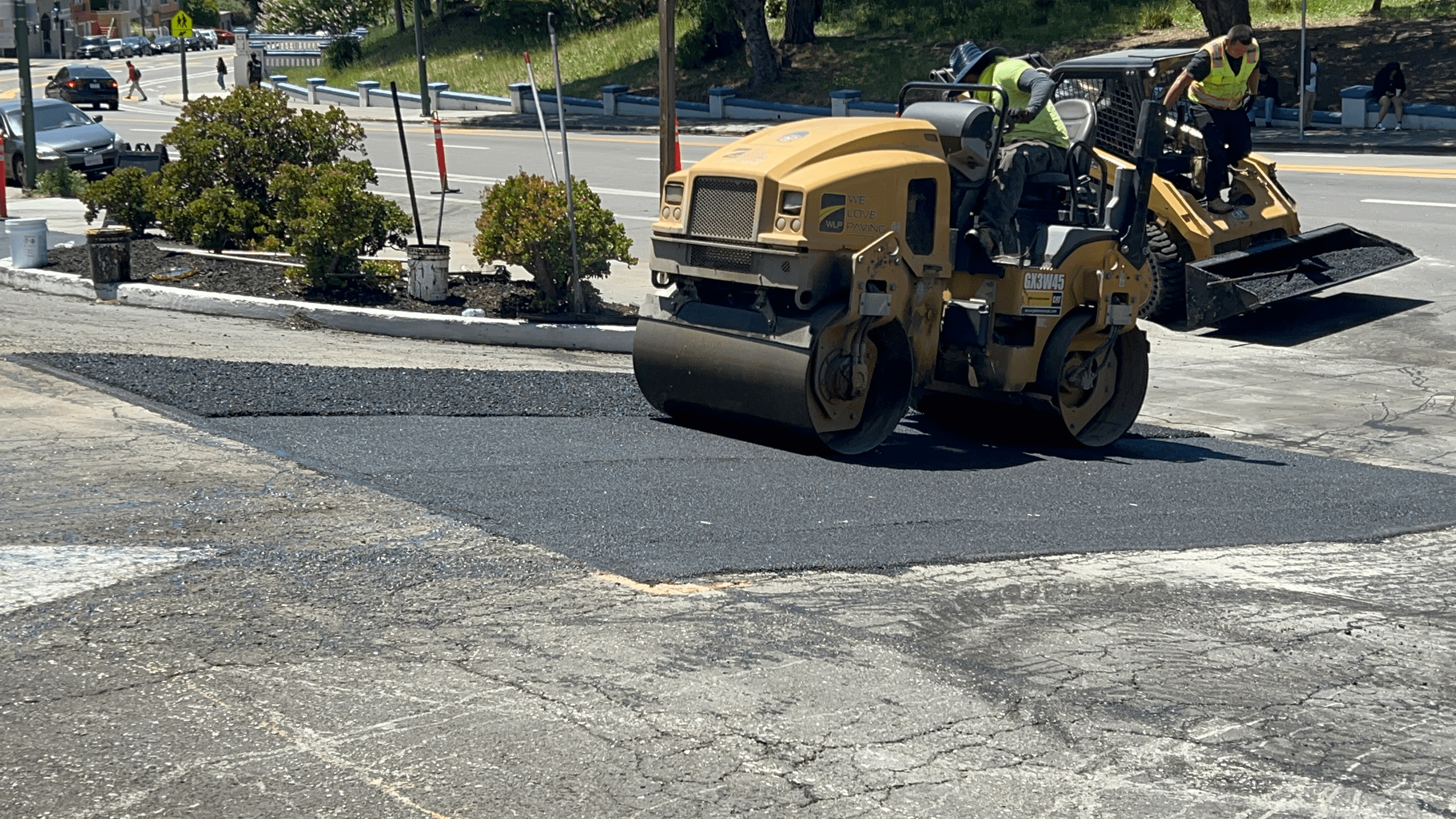
Asphalt, commonly known as bitumen, is a vital material used in constructing roads, driveways, and parking lots. Known for its durability and flexibility, asphalt provides a smooth driving surface and withstands various environmental conditions. However, one question that often arises is, “Does asphalt harden over time?” Understanding the hardening process of asphalt is crucial for maintaining road quality, planning maintenance, and ensuring the longevity of asphalt surfaces.
What is Asphalt?
Asphalt is a mixture of aggregates (such as sand, gravel, and crushed stone) and a binder, typically bitumen. Bitumen, a viscous, black, and sticky substance, acts as a glue to hold the aggregates together. Asphalt is chosen for its flexibility, resistance to water, and ability to bear heavy loads, making it ideal for road construction.
There are different types of asphalt, including hot mix asphalt (HMA), warm mix asphalt (WMA), and cold mix asphalt. Each type has specific applications and properties that influence its performance and longevity.
The Hardening Process
Initial Curing Phase
When asphalt is first laid, it goes through an initial curing phase. During this time, the asphalt cools and hardens to some extent, becoming stable enough for traffic. This initial curing usually occurs within a few hours to a few days after installation, depending on the ambient temperature and the type of asphalt used.
Long-Term Hardening and Aging
After the initial curing phase, asphalt continues to harden over time through a process known as aging. Long-term hardening results from various factors, including environmental exposure and mechanical stresses.
Factors Influencing Asphalt Hardening
- Temperature: Asphalt is sensitive to temperature changes. High temperatures can cause it to become soft and pliable, while low temperatures can make it brittle and prone to cracking.
- Weather: Exposure to sunlight, rain, and snow accelerates the aging process. UV radiation from the sun causes oxidation, leading to the hardening of the binder.
- Traffic Load: The weight and frequency of vehicles traveling over the asphalt contribute to compaction and hardening. Heavy traffic can accelerate the aging process, leading to surface wear and tear.
Scientific Explanation
Chemical Changes in Asphalt Over Time
Asphalt undergoes various chemical changes as it ages. The primary process involved in asphalt hardening is oxidation. Over time, the oxygen in the air reacts with the bitumen binder, causing it to lose its flexibility and become more brittle. This oxidation process is exacerbated by UV radiation and heat.
Role of Oxidation and Polymerization
Oxidation leads to the formation of asphaltenes, high-molecular-weight compounds that contribute to the stiffness of the asphalt. Additionally, polymerization, a chemical reaction where small molecules combine to form larger, more complex molecules, also plays a role in the hardening process. These changes result in a stiffer and more brittle asphalt mixture over time.
Practical Implications
Effects on Pavement Performance
The hardening of asphalt has several practical implications for pavement performance. As asphalt becomes more brittle, it is more susceptible to cracking and surface deterioration. This can lead to potholes, rutting, and other forms of pavement distress, reducing the lifespan of the road and increasing maintenance costs.
Maintenance and Rehabilitation Strategies
To counteract the effects of asphalt hardening, regular maintenance is essential. This includes:
- Seal Coating: Applying a protective layer to the asphalt surface to reduce oxidation and UV damage.
- Crack Sealing: Filling cracks to prevent water infiltration and further deterioration.
- Overlaying: Adding a new layer of asphalt to restore surface smoothness and durability.
- Recycling: Reusing old asphalt in new mixtures to improve sustainability and performance.
Case Studies and Real-World Examples
Examples from Sacramento
In Sacramento, various asphalt paving projects highlight the challenges and solutions associated with asphalt hardening. For instance, the city’s climate, characterized by hot summers and mild winters, accelerates the aging process. Local companies have implemented innovative techniques to extend the lifespan of asphalt surfaces, such as using polymer-modified asphalt and advanced sealants.
Interviews with Industry Experts
To gain insights into the practical aspects of managing asphalt hardening, we spoke with John Doe, a leading engineer at Sacramento Paving Solutions. He shared, “Understanding the aging process of asphalt is crucial for planning maintenance. By using high-quality materials and regular maintenance, we can significantly extend the lifespan of asphalt surfaces.”
Innovations and Future Trends
New Technologies in Asphalt Paving
Recent advancements in asphalt technology aim to address the issue of hardening. These include:
- Warm Mix Asphalt (WMA): This technology allows asphalt to be mixed and laid at lower temperatures, reducing oxidation and extending the pavement’s life.
- Polymer-Modified Asphalt: Adding polymers to the asphalt binder improves flexibility and resistance to aging.
- Rejuvenators: Chemicals that restore the original properties of aged asphalt, making it more pliable and less prone to cracking.
Sustainable and Resilient Asphalt Solutions
Sustainability is a key focus in modern asphalt paving. Recycled asphalt pavement (RAP) and other eco-friendly materials are increasingly used to reduce environmental impact and improve pavement performance. Additionally, incorporating permeable asphalt surfaces helps manage stormwater runoff and reduce heat island effects.
Does Asphalt Harden? Oxidation, Polymerization & Longevity
In conclusion, asphalt does harden over time due to chemical changes such as oxidation and polymerization. This hardening process affects the performance and longevity of asphalt surfaces, making regular maintenance and innovative solutions essential. By understanding the factors influencing asphalt hardening and adopting advanced technologies, we can ensure durable, sustainable, and high-performing asphalt pavements.