Paving slabs, commonly used in patios, walkways, and driveways, are a popular choice for outdoor paving due to their durability and aesthetic appeal. However, one frequently raised concern is their high cost. This investigation explores the factors contributing to the expense of paving slabs, covering material selection, manufacturing processes, transportation, labor, and market dynamics. Understanding these elements will provide insights into the true cost of paving slabs and help consumers make informed decisions.
Material Selection
The type of material used in paving slabs significantly impacts their cost. Common materials include natural stone, concrete, porcelain, and composite materials, each with distinct characteristics and price points.
Natural Stone
Natural stone slabs, such as granite, sandstone, limestone, and slate, are highly prized for their unique appearance and durability. However, several factors contribute to their high cost:
- Rarity and Quality: High-quality stones are often rare and sourced from specific quarries, adding to their value.
- Extraction: Quarrying natural stone involves significant labor, equipment, and energy, making the process expensive.
- Processing: Cutting, shaping, and finishing natural stone require specialized machinery and skilled labor, further increasing costs.
Concrete
Concrete paving slabs are generally more affordable than natural stone but still come with notable expenses:
- Raw Materials: High-quality cement, aggregates, and additives are needed to produce durable and aesthetically pleasing concrete slabs.
- Manufacturing: The production process involves molding, curing, and finishing, requiring considerable energy and equipment.
- Customization: Customized shapes, colors, and textures can increase the cost of concrete slabs.
Porcelain
Porcelain paving slabs are known for their durability and resistance to weathering, but they can be expensive due to:
- Raw Materials: High-quality clay and other materials are used to produce porcelain.
- Manufacturing: The process involves high-temperature firing and precision manufacturing, which are energy-intensive.
- Designs: The intricate designs and finishes often found on porcelain slabs add to the cost.
Manufacturing Processes
The manufacturing process of paving slabs is another significant factor influencing their cost. This process varies depending on the material but generally includes extraction, processing, and finishing stages.
Extraction and Processing
- Quarrying (Natural Stone): Extracting natural stone requires heavy machinery and skilled labor, both of which are costly. The environmental regulations and safety measures also add to the expenses.
- Mixing and Molding (Concrete): The production of concrete slabs involves mixing raw materials, pouring them into molds, and ensuring even curing. This process requires precise control and high-quality machinery.
Finishing
- Cutting and Shaping: Both natural stone and concrete slabs often require cutting and shaping to specific sizes and designs, which involves expensive equipment and skilled labor.
- Surface Treatment: Polishing, texturing, and sealing the slabs to enhance their appearance and durability add to the overall cost.
Transportation
Transportation plays a crucial role in the cost of paving slabs, especially for natural stone and heavy concrete slabs.
- Weight: Paving slabs are typically heavy, resulting in high transportation costs due to fuel consumption and the need for specialized vehicles.
- Distance: The distance between the quarry or manufacturing facility and the final destination significantly impacts transportation costs. Imported slabs, for instance, involve additional shipping expenses.
- Handling: Proper handling and packaging are essential to prevent damage during transit, adding to the overall cost.
Labor
Labor costs are a substantial component of the overall expense of paving slabs, from extraction and manufacturing to installation.
- Skilled Labor: Quarrying natural stone, manufacturing concrete slabs, and installing paving slabs all require skilled labor, which comes at a premium.
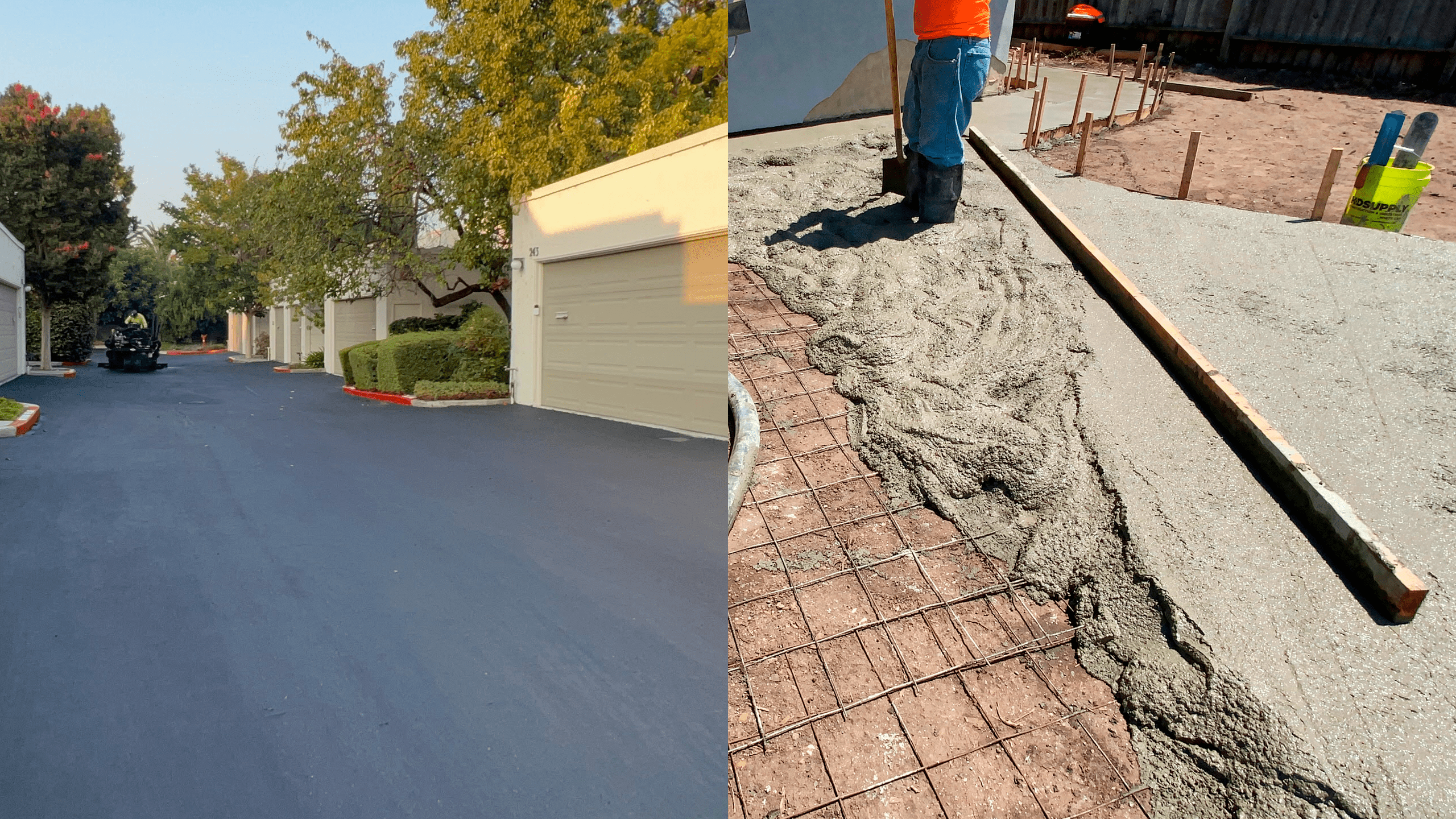
- Installation: Proper installation of paving slabs is labor-intensive and requires expertise to ensure a durable and aesthetically pleasing result. This includes preparing the ground, laying the slabs, and ensuring proper alignment and spacing.
- Regulations: Adherence to safety and environmental regulations can increase labor costs, as compliance often requires additional training and equipment.
Market Dynamics
Market dynamics, including demand, supply, and economic factors, also influence the cost of paving slabs.
- Demand: High demand for premium materials, such as natural stone and porcelain, can drive up prices, especially in regions with significant landscaping and construction activities.
- Supply: Limited availability of high-quality raw materials and fluctuations in supply chains, especially for imported materials, can lead to higher costs.
- Economic Factors: Inflation, changes in fuel prices, and currency exchange rates (for imported materials) can impact the overall cost of paving slabs.
Conclusion
The high cost of paving slabs can be attributed to a combination of factors, including the choice of materials, the complexity of manufacturing processes, transportation expenses, labor costs, and market dynamics. Natural stone slabs are particularly expensive due to the rarity and quality of the materials, the labor-intensive extraction and processing methods, and the significant transportation and handling requirements. Concrete and porcelain slabs, while generally more affordable, still incur substantial costs related to raw materials, manufacturing, and installation.
Understanding these factors helps consumers appreciate the true value of paving slabs and make informed decisions based on their budget, aesthetic preferences, and functional requirements. While the initial investment in high-quality paving slabs can be significant, their durability, aesthetic appeal, and potential to enhance property value often justify the expense in the long run.