Asphalt surfaces endure a lot—harsh weather, heavy traffic, and constant wear and tear. Over time, without proper maintenance, asphalt can crack, fade, and become susceptible to costly damage. Sealcoating is the most cost-effective way to protect and preserve your driveway, parking lot, or roadway while maintaining its appearance and functionality.
What Is Sealcoating?
Sealcoating is the process of applying a protective layer over an asphalt surface. This layer acts as a barrier, shielding the asphalt from harmful elements like UV rays, moisture, and chemicals such as oil and gasoline. It’s not just about protection—it also restores the deep black color of asphalt, giving it a freshly paved look.
Why Sealcoating Is Essential
-
Protection Against Weather
- UV Rays: Prolonged exposure to the sun can weaken asphalt, causing it to crack and crumble.
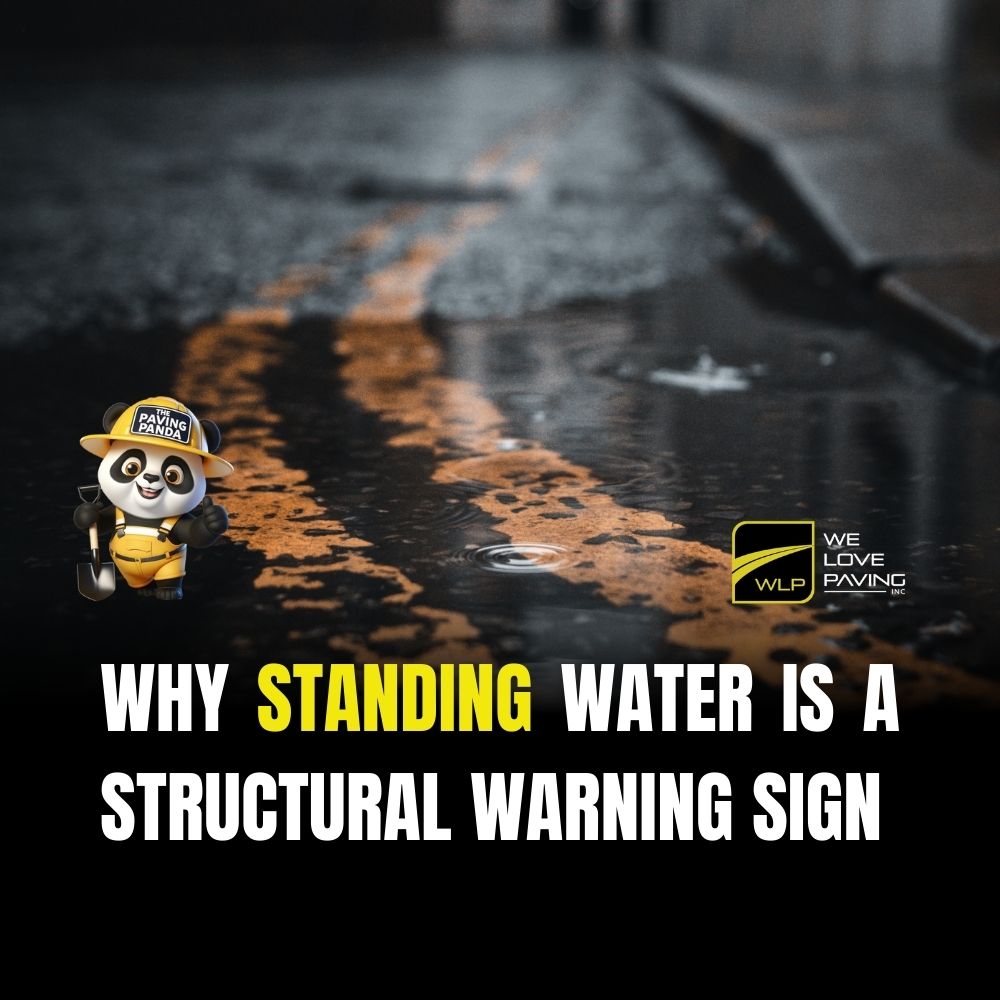
- Water: Moisture seeps into small cracks, leading to potholes when it freezes and expands. Sealcoating prevents this by repelling water.
-
Resistance to Chemicals
Gasoline, oil, and other automotive fluids can break down asphalt over time. Sealcoating creates a chemical-resistant barrier that extends the surface’s lifespan. -
Improved Durability
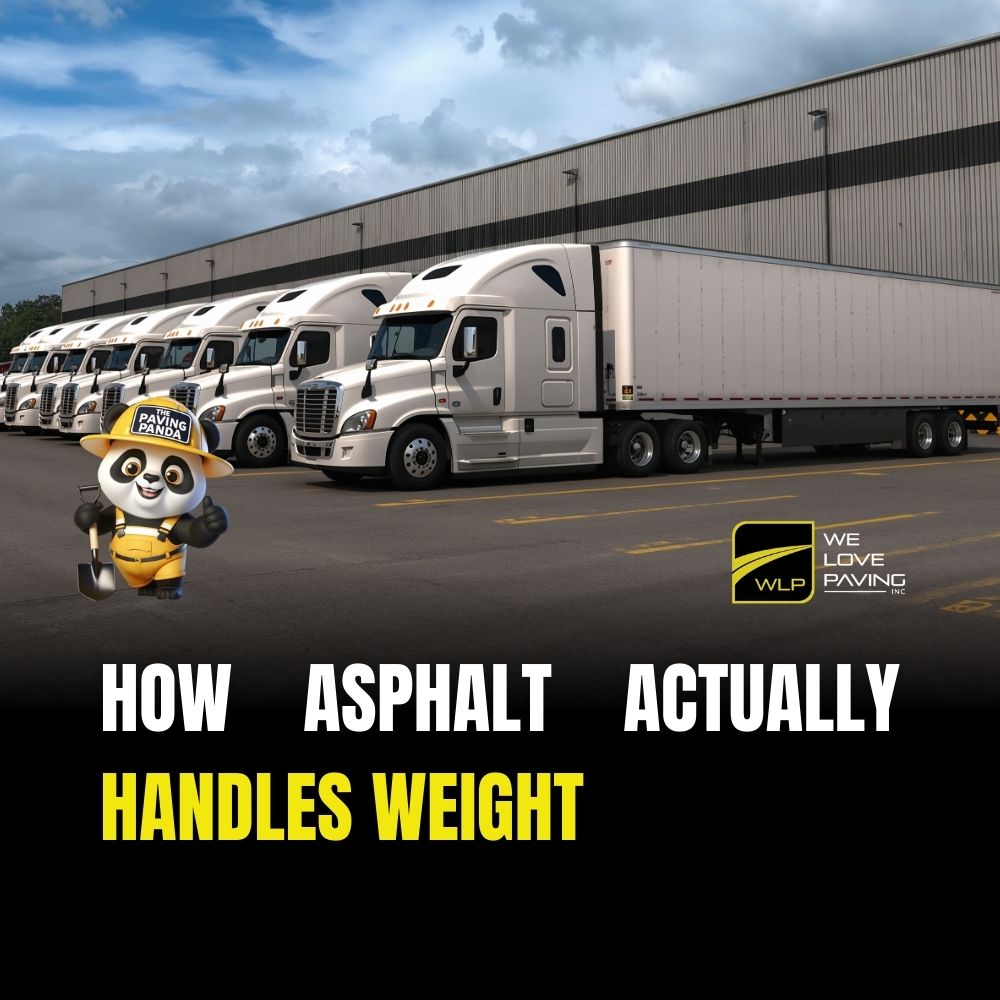
Regular sealcoating helps asphalt withstand the pressure of heavy vehicles and high traffic, reducing the likelihood of cracks and potholes. -
Enhanced Appearance
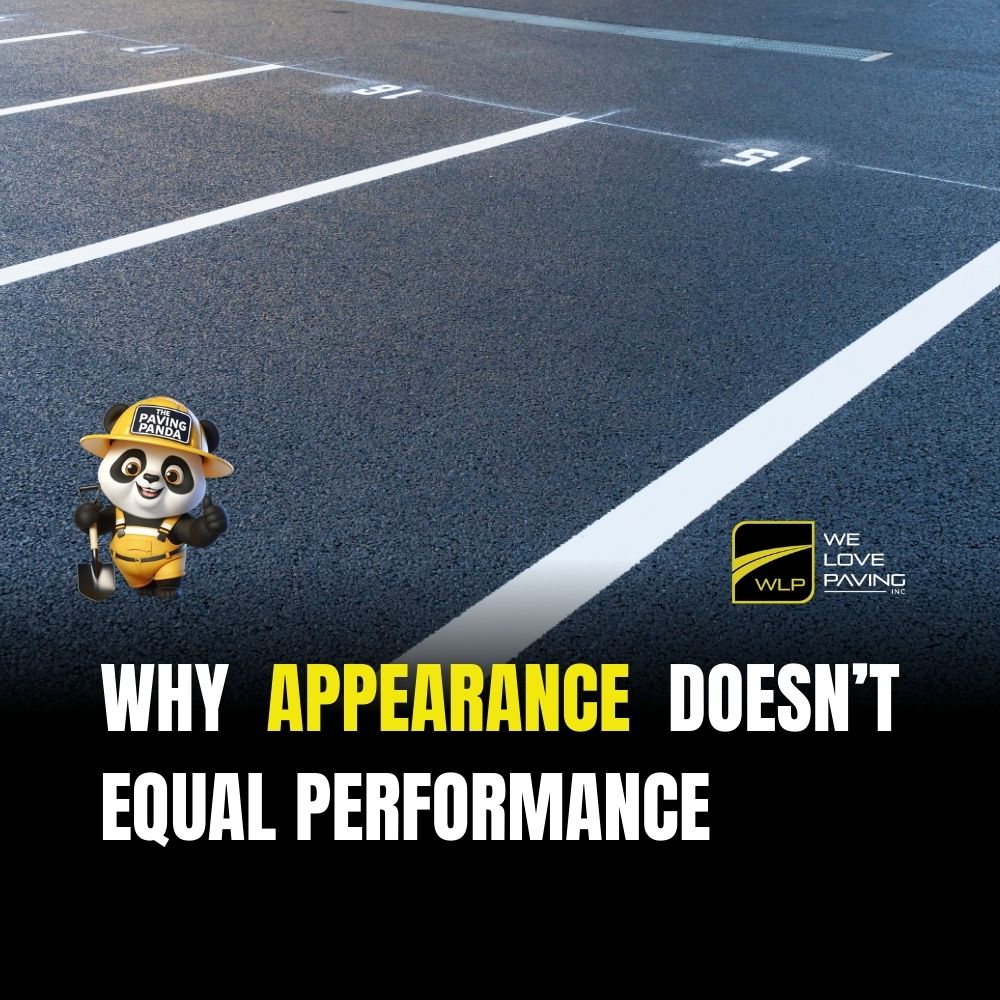
Sealcoating gives your asphalt a like-new, jet-black finish, instantly boosting your property’s curb appeal. -
Cost Savings
Investing in sealcoating now saves you from costly repairs and repaving later. It’s an affordable way to extend the life of your asphalt by years.
When Should You Sealcoat?
- New Asphalt: Wait 6–12 months after installation to allow proper curing before applying sealcoat.
- Existing Asphalt: Ideally, sealcoat every 2–3 years, depending on usage and weather conditions in your area.
The Sealcoating Process
-
Surface Preparation
- Clean the asphalt thoroughly to remove dirt, debris, and oil stains.
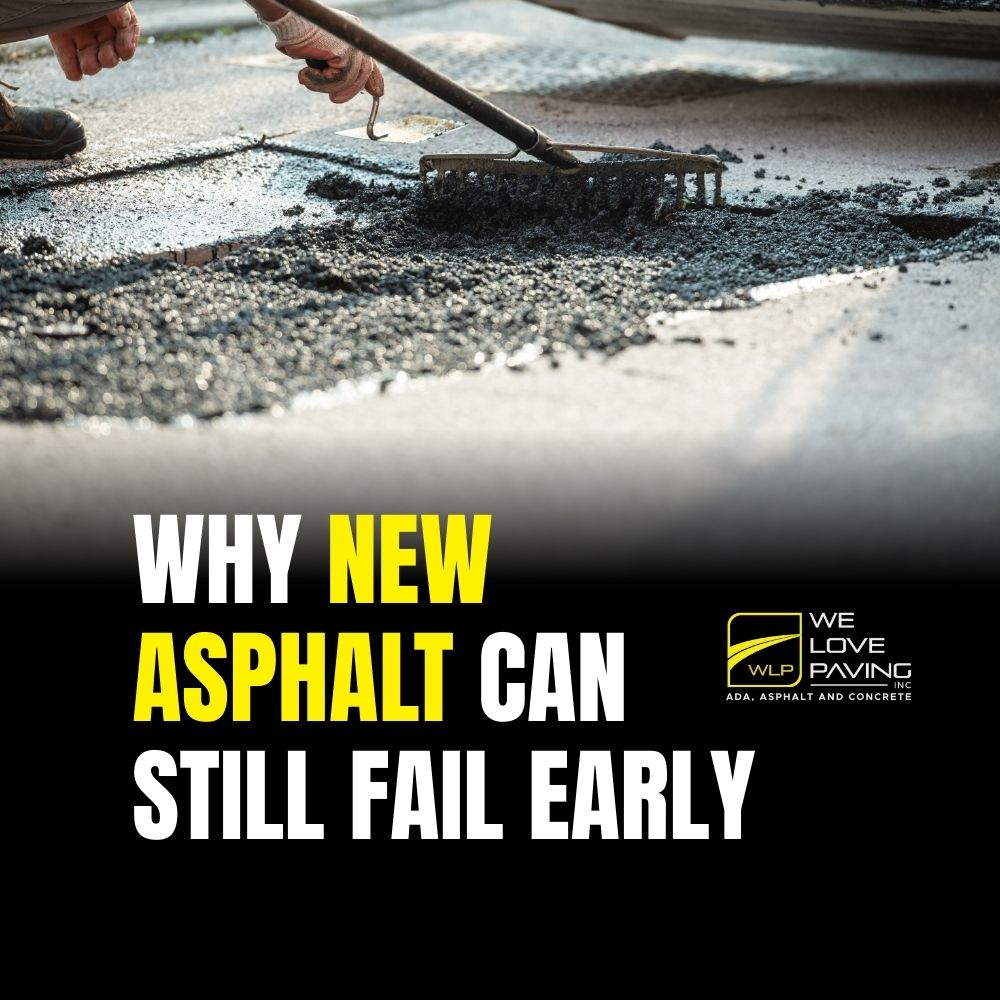
- Repair any cracks or potholes before sealcoating to ensure a smooth surface.
-
Application
- A high-quality sealant is evenly applied in layers using spray or squeegee methods.
- Drying time is typically 24–48 hours, depending on weather conditions.
-
Final Touches
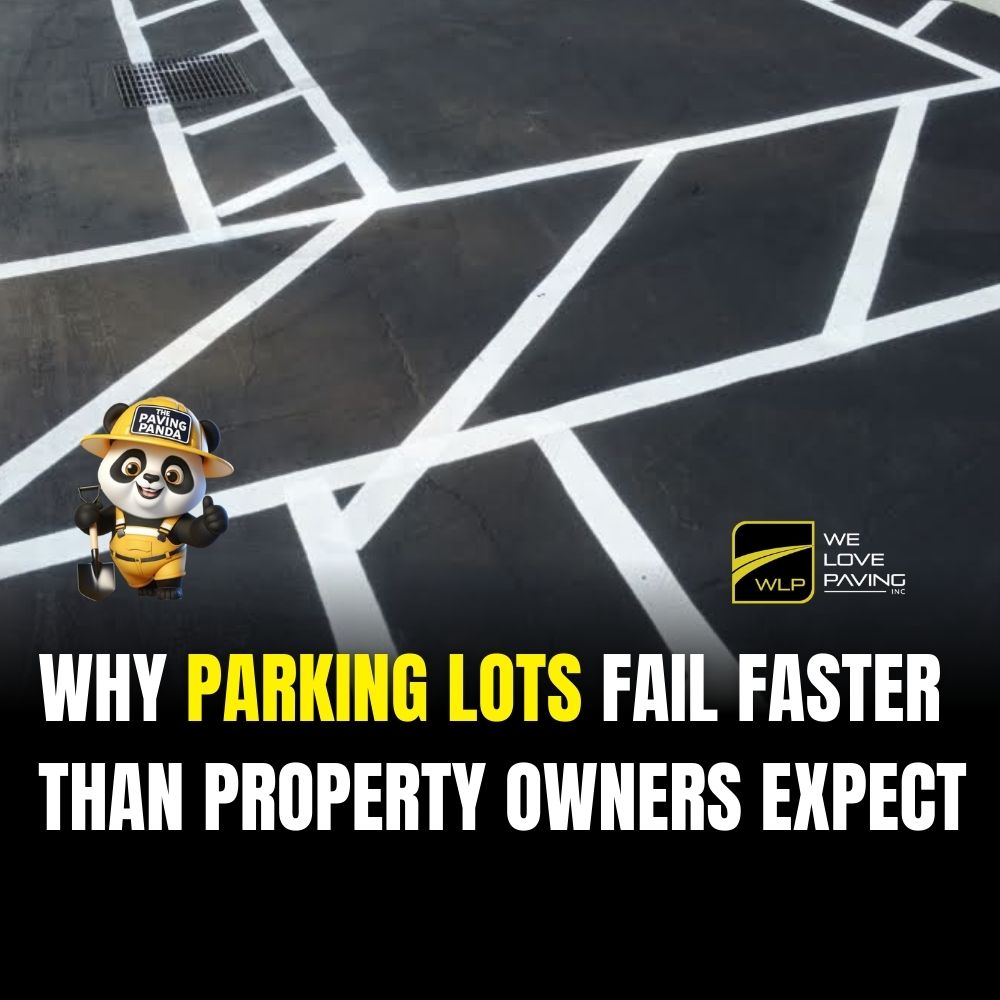
- Repaint lines and markings (if necessary) to restore the surface’s functionality.
How We Can Help
At We Love Paving, we specialize in professional sealcoating services that protect and beautify your asphalt surfaces. Whether it’s a small driveway or a large commercial parking lot, our team uses high-quality materials and proven techniques to deliver long-lasting results.
Sealcoating FAQs
1. Can sealcoating fix cracks or potholes?
Sealcoating is a protective measure, not a repair solution. Cracks and potholes should be repaired beforehand for the best results.
2. How long does sealcoating last?
With proper maintenance, a sealcoat can last up to three years, depending on traffic and environmental conditions.
3. Can I sealcoat my asphalt myself?
While DIY kits are available, professional application ensures even coverage, durability, and a polished finish.
Protect Your Investment Today
Don’t wait until cracks and damage become expensive problems. Sealcoating is a simple yet effective way to extend the life of your asphalt and keep it looking its best.
Contact We Love Paving today to schedule your free consultation and learn how sealcoating can save you time and money. Let us help you protect your asphalt investment with expert care and attention to detail!