Asphalt is one of the most popular materials for driveways, parking lots, and roads due to its durability, affordability, and smooth finish. However, one of the most common questions property owners ask is: How long will new asphalt last?
The lifespan of new asphalt depends on several factors, including its quality, the installation process, and how well it is maintained. In this blog, we’ll explore these factors in detail and provide tips to maximize the longevity of your asphalt surface.
Average Lifespan of Asphalt
On average, well-installed and properly maintained asphalt can last between 15 and 25 years. The lifespan can vary based on the following key factors:
-
Usage: High-traffic areas, such as roads or commercial parking lots, may wear out faster than residential driveways.
-
Climate: Extreme temperatures, heavy rainfall, or freeze-thaw cycles can impact the durability of asphalt.
-
Maintenance: Regular upkeep, such as sealcoating and crack repairs, can significantly extend the life of asphalt.
-
Installation Quality: A poorly installed asphalt surface is more likely to develop cracks, potholes, and other issues prematurely.
Factors That Influence Asphalt Longevity
1. Installation Quality
The quality of the asphalt and the skill of the contractor play a significant role in its lifespan. Proper installation involves:
-
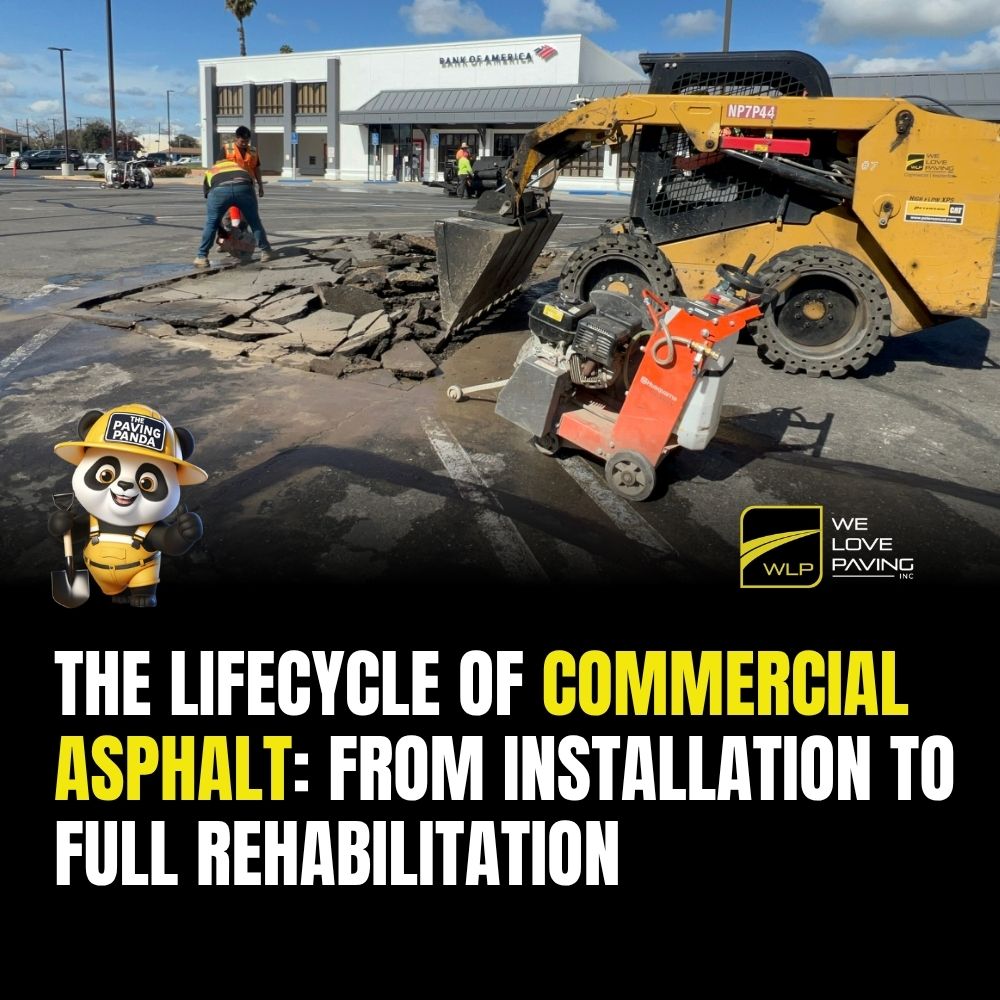
Base Preparation: A strong, stable base is essential for long-lasting asphalt. Without proper compaction and drainage, the surface is more prone to damage.
-
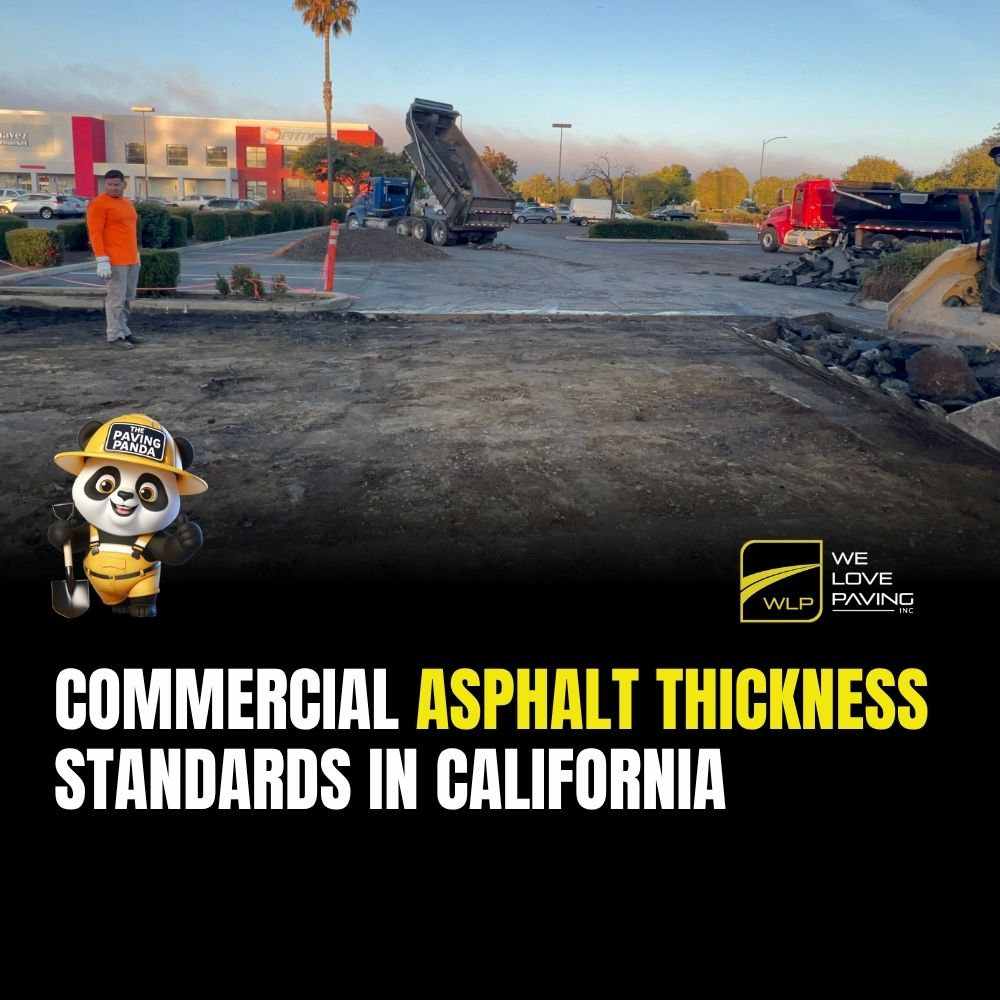
Proper Thickness: The thickness of the asphalt layer must match its intended use. For example, a residential driveway typically requires 2-3 inches of asphalt, while a commercial parking lot may need 4-6 inches.
-
Temperature Control: Asphalt must be installed at the correct temperature to ensure proper bonding and compaction.
2. Traffic Load
Heavy vehicles, such as trucks and buses, put more stress on asphalt surfaces compared to light passenger vehicles. If the surface is not designed to handle high traffic loads, it will deteriorate faster.
3. Weather Conditions
Weather plays a critical role in the longevity of asphalt:
-
Heat: Prolonged exposure to high temperatures can soften asphalt, making it more susceptible to cracks and deformation.
-
Cold: Freeze-thaw cycles can cause cracks as water seeps into the surface, freezes, and expands.
-
Rain: Poor drainage can lead to standing water, which weakens the asphalt and causes potholes.
4. Maintenance Practices
Regular maintenance is the key to extending the life of asphalt. Common maintenance practices include:
-
Sealcoating: Applying a sealcoat every 2-3 years protects the surface from UV rays, water, and chemicals like oil or gasoline.
-
Crack Repairs: Promptly filling cracks prevents water from seeping in and causing further damage.
-
Cleaning: Removing debris, oil stains, and standing water keeps the surface in good condition.
Signs That Your Asphalt Needs Attention
Even with proper care, asphalt will eventually show signs of aging. Watch for these indicators that your asphalt may need repairs or replacement:
-
Cracks: Small cracks can be repaired, but extensive cracking may require resurfacing.
-
Potholes: These can form when water seeps into cracks and compromises the base layer.
-
Fading Color: UV exposure causes asphalt to lose its rich black color over time, indicating the need for sealcoating.
-
Pooling Water: Standing water suggests drainage issues that could damage the surface.
How to Maximize the Lifespan of Your Asphalt
To ensure your asphalt surface lasts as long as possible, follow these best practices:
-
Hire a Professional Contractor: Choose a reputable contractor with experience in asphalt installation and maintenance.
-
Schedule Regular Maintenance: Perform routine inspections and address small issues before they escalate.
-
Apply Sealcoating: Protect your asphalt from the elements by sealcoating it every few years.
-
Ensure Proper Drainage: Prevent water from pooling by ensuring the surface is properly graded and has adequate drainage.
-
Limit Heavy Loads: Avoid parking heavy vehicles on the surface for extended periods.
Conclusion
New asphalt can last anywhere from 15 to 25 years, depending on factors such as installation quality, traffic load, weather conditions, and maintenance practices. By investing in proper installation and committing to regular maintenance, you can maximize the lifespan of your asphalt surface and enjoy its benefits for years to come.
If you’re planning a new asphalt project or need help maintaining an existing surface, reach out to experienced professionals who can guide you through the process and ensure long-lasting results.