💰 The Real ROI of Preventive Maintenance: How to Double Your Pavement’s Lifespan with 30% Less Spending

🧱 Introduction

Many property managers think waiting until pavement shows visible damage saves money.
In reality, every dollar you delay in preventive maintenance today can cost you five to ten tomorrow.

At We Love Paving, we’ve seen firsthand how timely preventive care can double the lifespan of asphalt surfaces while cutting total expenses by up to 30%.


🚧 1. The Hidden Cost of “Waiting to Repair”

Fixing cracks, potholes, or depressions only after they appear might seem smart — but by then, the damage runs deep.
Water and UV rays have already weakened the sub-base, causing structural failures that can’t be solved with a simple sealcoat.

Reactive maintenance costs 4–6× more than preventive work, and it often disrupts business operations, creates complaints, and damages your property’s reputation.


🕒 2. When to Invest in Preventive Maintenance

The goal is to act before functional deterioration begins, not after.
Key signs your pavement needs preventive attention:

  • Faded or gray color (oxidation).

  • Small linear or transverse cracks.

  • Worn-out pavement markings.

  • Standing water or minor drainage issues.

👉 Addressing these early can extend your pavement’s life up to 2× at a fraction of the cost.


🧾 3. The 30/70 Strategy: Spend Smarter, Not More

An optimized pavement plan allocates budget like this:

  • 30% for prevention: sealcoating, crack filling, surface cleaning, and restriping.

  • 70% for structural upkeep: light overlays or slurry seals every 3–5 years.

This approach avoids full-depth reconstruction (which can cost $8–10 per sq. ft.) and keeps surfaces functional and attractive for over a decade.


🌦️ 4. Factors That Drive ROI

Several variables affect your maintenance ROI:

  • Climate: rainy or high-temperature regions need more frequent sealing.

  • Traffic load: heavy-use areas (shopping centers, warehouses) deteriorate faster.

  • Material quality: low-grade aggregates fail sooner without sealcoating.

  • Maintenance history: consistency drastically reduces long-term costs.

📊 On average, WLP clients who perform preventive maintenance every three years cut cumulative costs by 32% over a 10-year period.


🧰 5. How to Start: Get a Free Pavement Evaluation

Before spending a dollar, request a no-obligation pavement assessment.
Our team inspects thickness, drainage, cracking, and usage to deliver a detailed report with recommendations and savings projections — so you can budget confidently with real data, not assumptions.


⚡ Conclusion

Preventive maintenance isn’t an expense — it’s an investment with measurable returns.
While others wait for pavement to “cry for help,” We Love Paving clients enjoy smoother, safer, and longer-lasting surfaces — with lower total cost of ownership.

Share

WHO IS FRED?

Fred, Regional Operations Manager, comes from a family of immigrant roots and a story built on sacrifice, discipline, and hard work. Growing up, Fred watched his parents work long hours and weekends to create a better future teaching him the values of perseverance, determination, and doing things the right way every single time.
We Love Paving began with Fred’s father, who started doing what he knew best: paving. Over the years, he built experience alongside respected professionals in the industry, refining his methods and developing a reputation for quality work that speaks for itself. As his clientele grew, so did the vision one built not only on skill, but on integrity and pride in every job.

Posts that might interest you

Why Commercial Asphalt Needs More Than Just Sealcoating

Why Commercial Asphalt Needs More Than Just Sealcoating

October 27, 2025

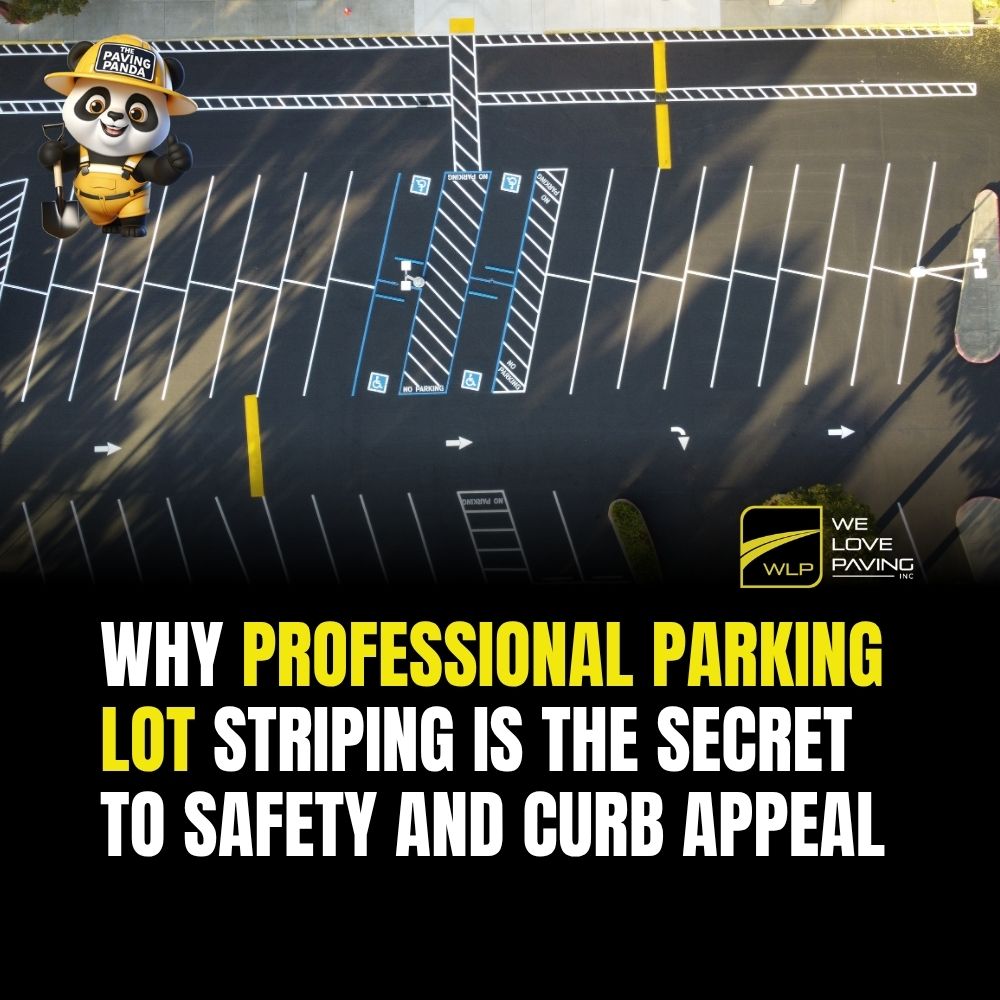
Why Professional Parking Lot Striping in Northern California Is the Secret to Safety and Curb Appeal

Why Professional Parking Lot Striping in Northern California Is the Secret to Safety and Curb Appeal

October 27, 2025

Parking Lot Size Standards: How to Design Safe and Efficient Lots That Meet Code

Parking Lot Size Standards: How to Design Safe and Efficient Lots That Meet Code

October 22, 2025

Why Smart Property Managers Treat Pavement as a Long-Term Asset | We Love Paving

Why Smart Property Managers Treat Pavement as a Long-Term Asset | We Love Paving

October 22, 2025

The Hidden Costs of Hiring the Cheapest Paving Contractor in Northern California | We Love Paving

The Hidden Costs of Hiring the Cheapest Paving Contractor in Northern California | We Love Paving

October 22, 2025

How Climate & Soil Conditions in Northern California Affect Your Parking Lot

How Climate & Soil Conditions in Northern California Affect Your Parking Lot

October 22, 2025

From Parking Lot to Profit: How a Well-Maintained Property Attracts Better Tenants

From Parking Lot to Profit: How a Well-Maintained Property Attracts Better Tenants

October 20, 2025

California Tightens Pavement Maintenance Regulations for Commercial Properties

California Tightens Pavement Maintenance Regulations for Commercial Properties

October 20, 2025

ADA Compliance: What Property Managers Usually Miss (Until It’s Too Late)

ADA Compliance: What Property Managers Usually Miss (Until It’s Too Late)

October 20, 2025

For property managers in California, ADA compliance isn’t just a regulation — it’s a responsibility. The Americans with Disabilities Act (ADA) requires that every property, parking lot, and walkway is accessible to people with disabilities. Unfortunately, many properties fail to meet these standards, not because owners don’t care, but because small details are often overlooked.

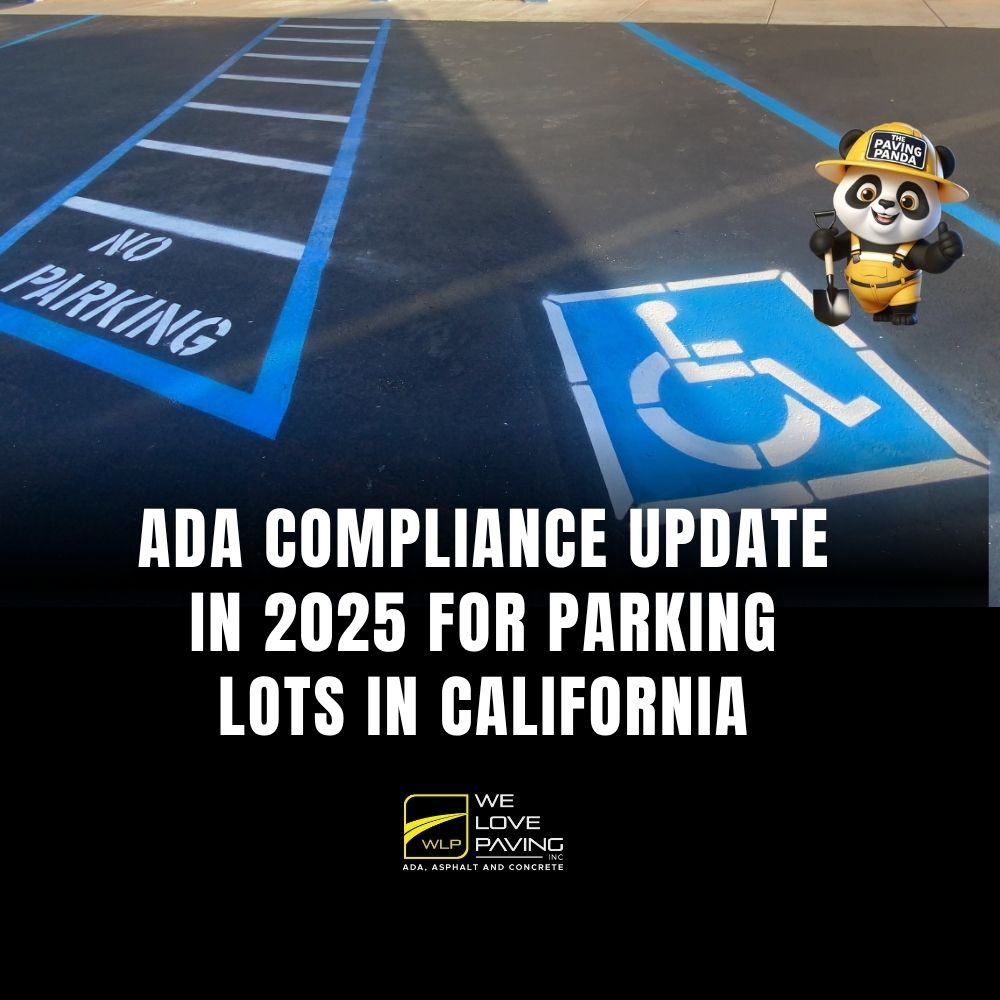
Understanding ADA Compliance for Parking Lots (2025 Update)

Understanding ADA Compliance for Parking Lots (2025 Update)

October 17, 2025

Previous Next