⚖️ Is Your Property Liability-Free? Pavement Hazards That Can Get You Sued

We Love Paving services in San Ramon. Professional paving contractor serving San Ramon and Bay Area areas.
Estimation Tools

Calculate costs in seconds

Fast, accurate estimates that help you close more jobs. Less guesswork, more profit.

When most property owners think about liability, they picture insurance policies — not parking lots.
But the truth is, asphalt is one of the biggest hidden risks on your property.

Cracks, faded striping, potholes, and uneven surfaces can all lead to injuries, vehicle damage, and ADA violations — and that means lawsuits.

Let’s break down the most common pavement hazards that can get you into legal trouble, and how to prevent them before they happen.


🚶‍♀️ 1. Trip-and-Fall Hazards

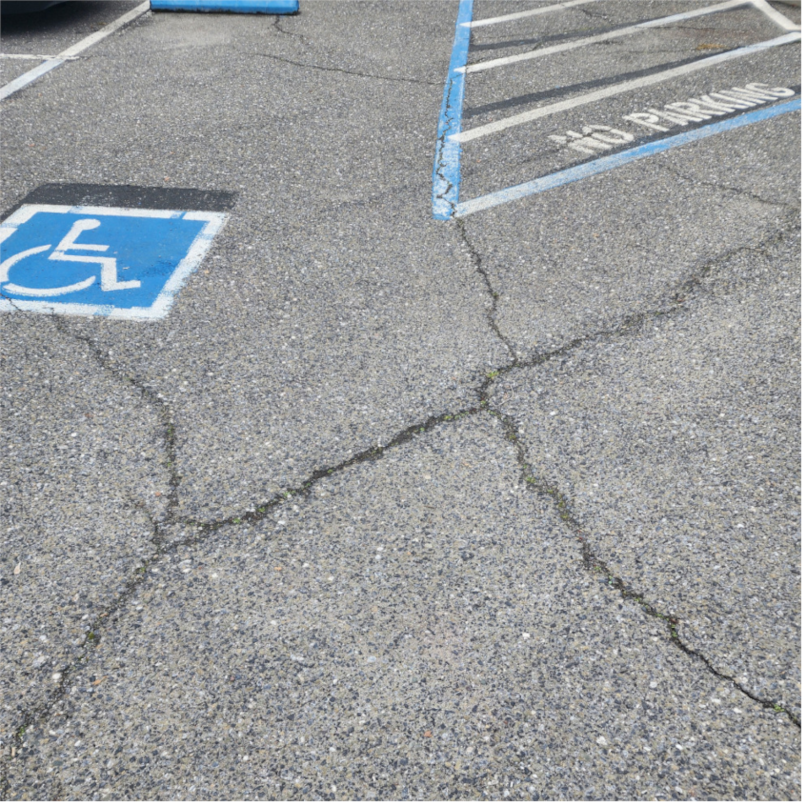
Small cracks or dips might seem harmless, but to a tenant or visitor, they’re a trap.

Under premises liability law, property owners are responsible for maintaining safe walking surfaces.
If someone trips over a crack, raised edge, or uneven patch — you could be held liable for:

  • Medical expenses

  • Lost wages

  • Pain and suffering

  • Legal fees

💡 Tip: Schedule regular inspections to catch surface changes before they cause accidents.


🚗 2. Potholes and Vehicle Damage

Potholes don’t just damage cars — they damage your reputation.
Even one complaint on Google or a tenant review about “dangerous parking conditions” can cost you far more than a repair.

Legally, if a pothole causes an accident and the owner was aware of it but failed to fix it, the property can be found negligent.

💡 Tip: Fix potholes as soon as they appear. Patching costs a fraction of what a lawsuit or insurance claim would.


♿ 3. ADA Non-Compliance

The Americans with Disabilities Act (ADA) requires that all public and commercial properties provide accessible parking and routes.

Violations can include:

  • Incorrect slope or ramp angles

  • Faded handicap striping or signage

  • Uneven transitions between ramps and surfaces

  • Missing van-accessible spaces

Fines start around $5,000–$10,000 per violation, not counting the cost of reconstruction and legal defense.

💡 Tip: Re-stripe and re-sign every 2–3 years to maintain compliance.


🌧️ 4. Poor Drainage and Standing Water

Water pooling on your pavement isn’t just inconvenient — it’s a sign of structural failure.
When water doesn’t drain properly, it penetrates the asphalt base, softens it, and causes premature cracking.

Slippery conditions from puddles can also cause slip-and-fall claims, especially in shaded or high-traffic zones.

💡 Tip: Include drainage checks in every maintenance plan. Preventing water damage is much cheaper than rebuilding a collapsed base.


🚧 5. Faded Striping and Lack of Visibility

When lines, crosswalks, and directional arrows fade, accidents become more likely — and so does liability.

Property owners can be held responsible for unsafe traffic flow or poor visibility that leads to collisions, especially in shared parking lots or HOAs.

💡 Tip: Re-stripe every 2–4 years, depending on traffic volume and sun exposure.


🧠 The Legal Bottom Line

Neglecting pavement maintenance isn’t just bad for business — it’s a liability time bomb.
The good news? Every risk listed here is 100% preventable with a proactive maintenance plan.

At We Love Paving, we help property managers and HOAs:
✅ Identify potential ADA and liability hazards
✅ Create affordable preventive maintenance plans
✅ Keep properties safe, compliant, and looking sharp year-round


✅ The Smart Move

Don’t wait until a resident or visitor files a claim.
Start with a free pavement inspection and know exactly where your risks are.

📅 Book your free liability-check inspection today — and keep your property compliant, safe, and lawsuit-proof.

Need Immediate Help?

Let's Talk About Your Project

Don't wait until minor damage turns into major expenses. Our team of experts is ready to provide you with guaranteed solutions. Contact us now for direct advice from a professional.

Frequently Asked Questions (FAQ)

Got Questions? Find Your Answers Here!!

What legal risks do pavement defects create for property owners?

Pavement defects create liability under premises liability laws, requiring owners to maintain safe walking surfaces. Cracks, uneven pavement, and potholes can cause injuries and lawsuits involving medical costs, damages, and legal fees, with cases ranging from thousands to millions of dollars.

What pavement hazards most commonly lead to lawsuits?

The most common hazards include cracks, uneven surfaces, potholes, faded striping, and non-compliant ramps. These issues cause trip-and-fall injuries, vehicle damage, and ADA violations. Even small measurable defects can trigger lawsuits because compliance is based on objective standards, not appearance.

How much can a parking lot accident lawsuit cost?

A lawsuit can cost from thousands to over $150,000 in typical settlements, but severe cases can exceed millions. One real case resulted in an $11.4 million verdict from a trip-and-fall caused by uneven pavement, showing how minor defects can escalate into major financial liability.

Why can small cracks become serious legal issues?

Small cracks can quickly evolve into vertical surface changes that create trip hazards. Under ADA standards, even minor deviations in surface level or slope can qualify as violations. What appears cosmetic can become a legal issue within a single season of wear.

How can property owners prevent pavement-related lawsuits?

Prevention involves routine inspections, preventive maintenance, and ADA compliance audits. A professional inspection may cost $500 to $5,000, while early repairs are far cheaper than lawsuits, fines, or forced reconstruction after a legal claim is filed.

Professional customer review project by We Love Paving in Northern California, California. Verified local construction quality.

Fred / Founder

Fred, Founder and Regional Operations Manager at We Love Paving, comes from a family that values hard work and discipline. Growing up watching his parents work long hours with integrity and dedication, Fred learned early on that quality paving isn’t just about asphalt, it’s about consistency, accountability, and doing the job right.

Share

Posts That Might Interest You

Signs Your Parking Lot Needs Maintenance Fast

Signs Your Parking Lot Needs Maintenance Fast

May 18, 2026

A parking lot usually tells you when something is starting to go wrong. The problem is that many property owners get used to seeing gradual deterioration and stop noticing the warning signs until the damage becomes expensive. In commercial properties, pavement rarely collapses overnight. What usually happens is slower and less dramatic at first. A

Pavement vs Concrete for Commercial Properties

Pavement vs Concrete for Commercial Properties

May 18, 2026

Choosing between asphalt pavement and concrete is not always straightforward for commercial property owners. Both materials can work well, but the right choice usually depends on how the property operates on a daily basis and how much long-term maintenance the owner is realistically prepared to manage. A busy retail center with constant vehicle turnover will

The Great Debate: Is 2 Inches of Gravel Enough for a Driveway?

The Great Debate: Is 2 Inches of Gravel Enough for a Driveway?

May 16, 2026

When it comes to building a driveway, one of the key decisions homeowners face is determining the appropriate thickness of the gravel base layer. While some may argue that 2 inches of gravel is sufficient to support the weight of vehicles and provide a stable foundation, others advocate for thicker layers to ensure long-term durability

Why Is Parking So Expensive for Property Owners?

Why Is Parking So Expensive for Property Owners?

May 15, 2026

Many commercial property owners underestimate how expensive parking areas become once maintenance, accessibility, and pavement deterioration start overlapping at the same time. At first, parking lot costs usually appear manageable. Small cracks, faded striping, drainage problems, or isolated surface wear may not seem urgent while the property continues operating normally. Over time, however, those smaller

Next

Estimation Tools

Calculate costs in seconds

Fast, accurate estimates that help you close more jobs. Less guesswork, more profit.