Many commercial properties and HOAs struggle with pavement expenses because repairs are often approached reactively instead of strategically.
Parking lots usually deteriorate gradually over time, but budgeting decisions tend to happen only after visible problems begin affecting traffic flow, safety, or property appearance. By that stage, maintenance costs are often higher and repair planning becomes far more disruptive.
Pavement budget planning helps properties prepare for surface aging before larger operational problems develop.
For HOAs, retail centers, office parks, apartment communities, and mixed-use properties, long-term pavement budgeting often creates more predictable maintenance schedules while reducing unexpected repair expenses throughout the year.
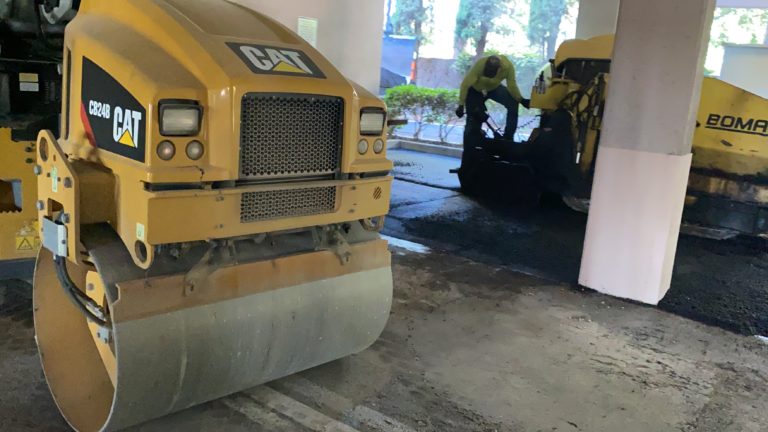
Pavement Costs Usually Increase Gradually Over Time
Commercial pavement rarely fails all at once.
Most parking lots move through different stages of wear as traffic exposure, weather conditions, drainage movement, and surface aging gradually affect the asphalt year after year.
Property managers commonly begin noticing budget-related pavement concerns through:
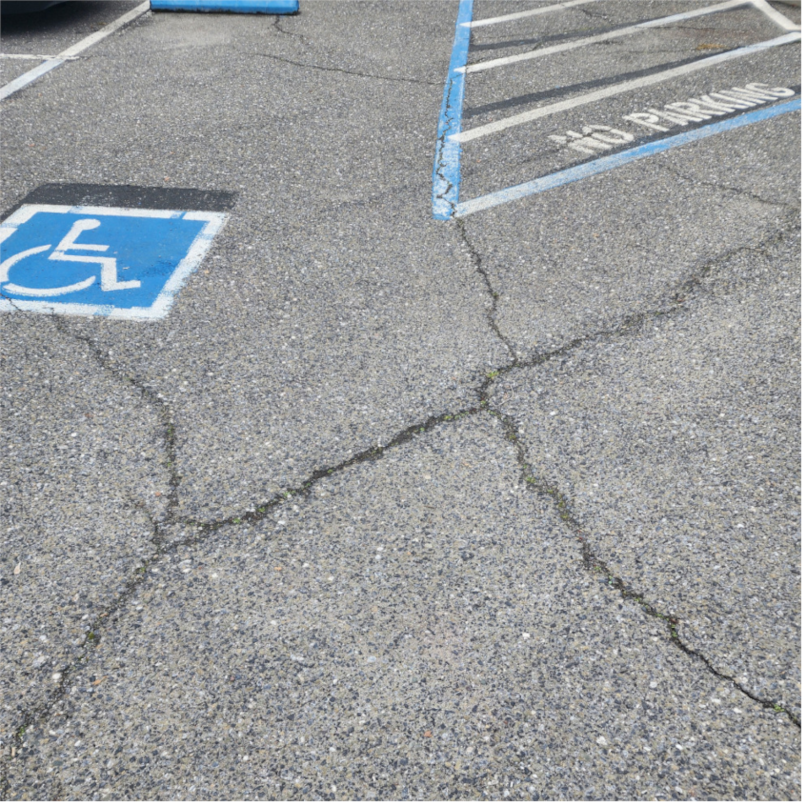
recurring crack repairs,
fading parking lot striping,
rough driving sections,
drainage inconsistencies,
and repeated patchwork maintenance.
The challenge is that many of these conditions appear manageable individually, which often delays larger budgeting discussions until deterioration spreads across multiple areas of the property.
Pavement budget planning helps commercial properties evaluate how surface conditions are evolving before repair costs become more difficult to control.
For many sites, recurring pavement wear eventually becomes part of broader paving maintenance
planning intended to stabilize long-term property expenses.
Reactive Repairs Usually Create Less Predictable Costs
One of the biggest budgeting mistakes commercial properties make is relying entirely on reactive repairs.
Emergency pothole repairs, drainage corrections, and repeated patching often appear less expensive initially because the work is limited to isolated sections of pavement. Over time, however, reactive maintenance usually becomes harder to manage as surface deterioration spreads throughout the parking lot.
This becomes especially noticeable in:
high-traffic entrances,
delivery lanes,
parking rows,
and turning areas where pavement absorbs constant operational stress.
Commercial properties that postpone larger maintenance planning often experience:
inconsistent repair schedules,
unexpected maintenance expenses,
and recurring surface instability across the same pavement sections repeatedly.
| Pavement Condition | Typical Short-Term Response | Long-Term Budget Impact |
|---|---|---|
| Minor cracking | Isolated repair work | Increasing maintenance frequency |
| Surface fading | Delayed maintenance | Accelerated pavement aging |
| Repeated patching | Temporary cost reduction | Higher cumulative expenses |
| Drainage inconsistencies | Reactive corrections | Expanded deterioration |
| Widespread wear | Major repair planning | Larger capital expense |
For many commercial properties, recurring pavement deterioration eventually leads owners to evaluate larger commercial parking lot paving planning once repair costs become increasingly unpredictable.
Different Properties Require Different Budget Priorities
Not every property experiences pavement wear the same way.
An HOA with moderate residential traffic usually develops different maintenance patterns compared to an industrial facility with delivery trucks operating daily. Retail centers, office properties, and apartment communities also place different operational demands on pavement surfaces throughout the year.
Pavement budget planning often depends on factors such as:
traffic intensity,
surface age,
vehicle weight,
weather exposure,
drainage behavior,
and maintenance history.
Some properties prioritize preserving surface appearance for tenant and visitor experience, while others focus more heavily on minimizing operational disruption during maintenance work.
The most effective pavement budgets are usually built around how the property actually functions daily instead of relying only on generalized repair timelines.
For many commercial sites, recurring traffic-related wear eventually overlaps with broader asphalt paving planning as pavement conditions continue evolving over time.
Long-Term Budget Planning Improves Maintenance Flexibility
One major advantage of pavement budget planning is operational flexibility.
Properties that evaluate pavement conditions regularly usually have more time to:
prioritize repairs,
schedule maintenance strategically,
coordinate vendor access,
and spread costs more consistently across multiple budget cycles.
This becomes especially important for HOAs and commercial properties where unexpected pavement failures can interfere with:
resident access,
customer traffic,
delivery schedules,
or tenant operations.
Budget planning also helps properties avoid situations where multiple pavement problems require urgent correction simultaneously after years of delayed maintenance.
Commercial pavement still ages over time, but structured budgeting typically allows property managers to respond more strategically as conditions evolve.
Why Pavement Budget Planning Matters
Parking lots are long-term operational assets.
Traffic movement, environmental exposure, drainage conditions, and surface aging continuously affect how pavement performs throughout the property lifecycle. Without structured planning, maintenance costs often become increasingly reactive and difficult to predict.
For many HOAs and commercial properties, pavement budget planning helps create more stable maintenance expectations while supporting safer parking conditions, more organized repairs, and longer-term pavement performance.