Why Professional Paving Is a Long-Term Investment — Not Just a Surface Fix

Paving is one of the most visible features of any property — and one of the most overlooked when it comes to long-term planning. At We Love Paving, we believe that asphalt and concrete work should be approached with the same precision and care as any structural investment. Because when paving is done right, it doesn’t just look good — it performs for decades, saves money, and protects your property from liability and degradation.

In this blog, we break down why professional paving is not a cost — it’s an asset.


1. Subgrade Engineering Determines Longevity

What’s under your pavement matters just as much as what’s on top.

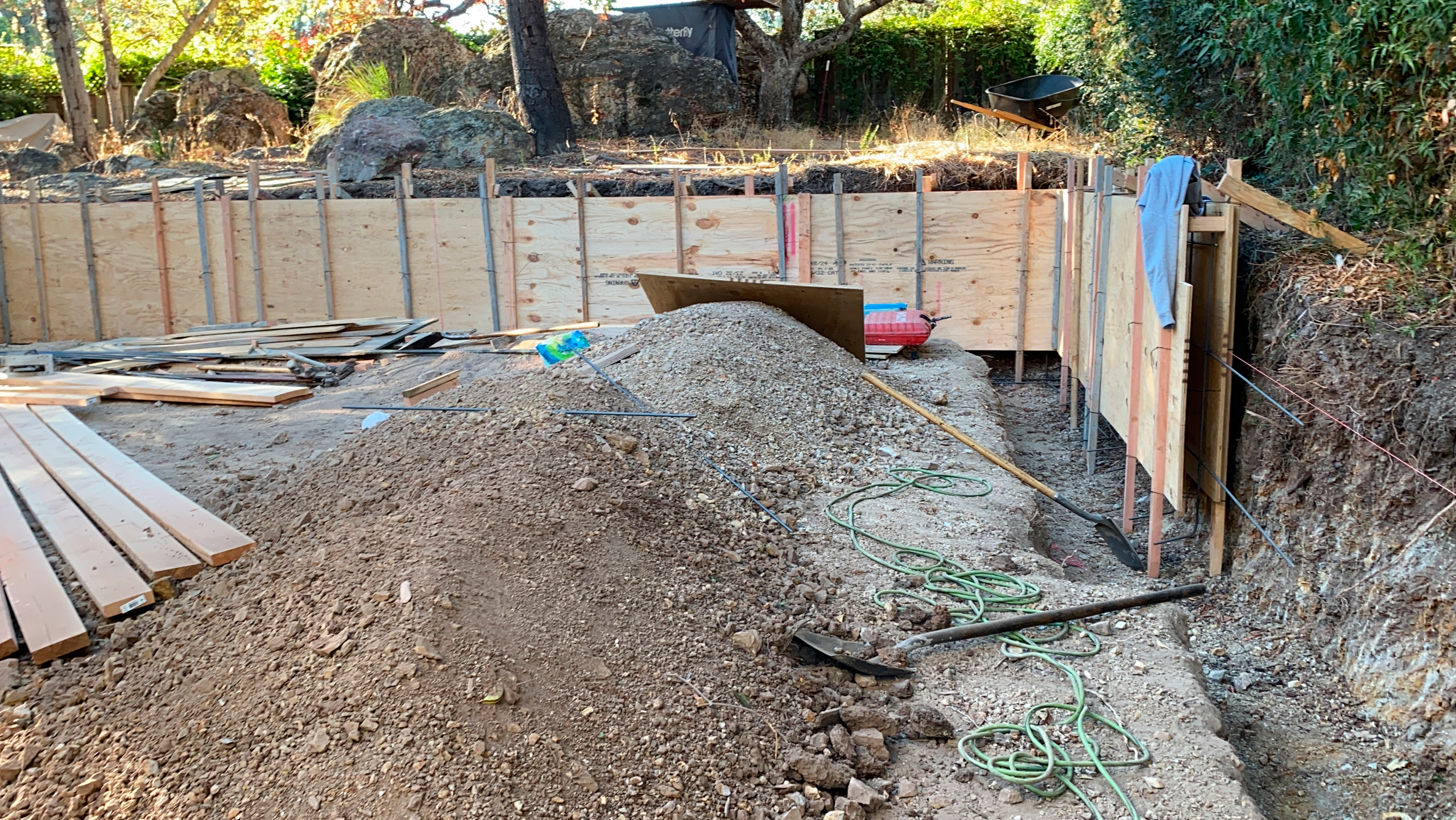
Many contractors shortcut the subgrade — skipping compaction tests, using the wrong base material, or ignoring soil composition altogether. The result? Early cracking, water infiltration, and structural failure.

At WLP:

  • We conduct compaction and proof-roll testing

  • Use Class II aggregate base compacted to 95%+ density

  • Adapt base treatment (e.g., lime-stabilization) based on soil type

ROI: You avoid full-depth failures and costly tear-outs down the line.


2. Code Compliance Saves You From Fines and Rework

Every commercial property must meet standards from the ADA, local building codes, and even fire lane access requirements. If your contractor misses the mark, you could face:

  • Failed inspections

  • Legal complaints

  • Costly rework and downtime

At WLP:

  • We measure slopes with laser tools

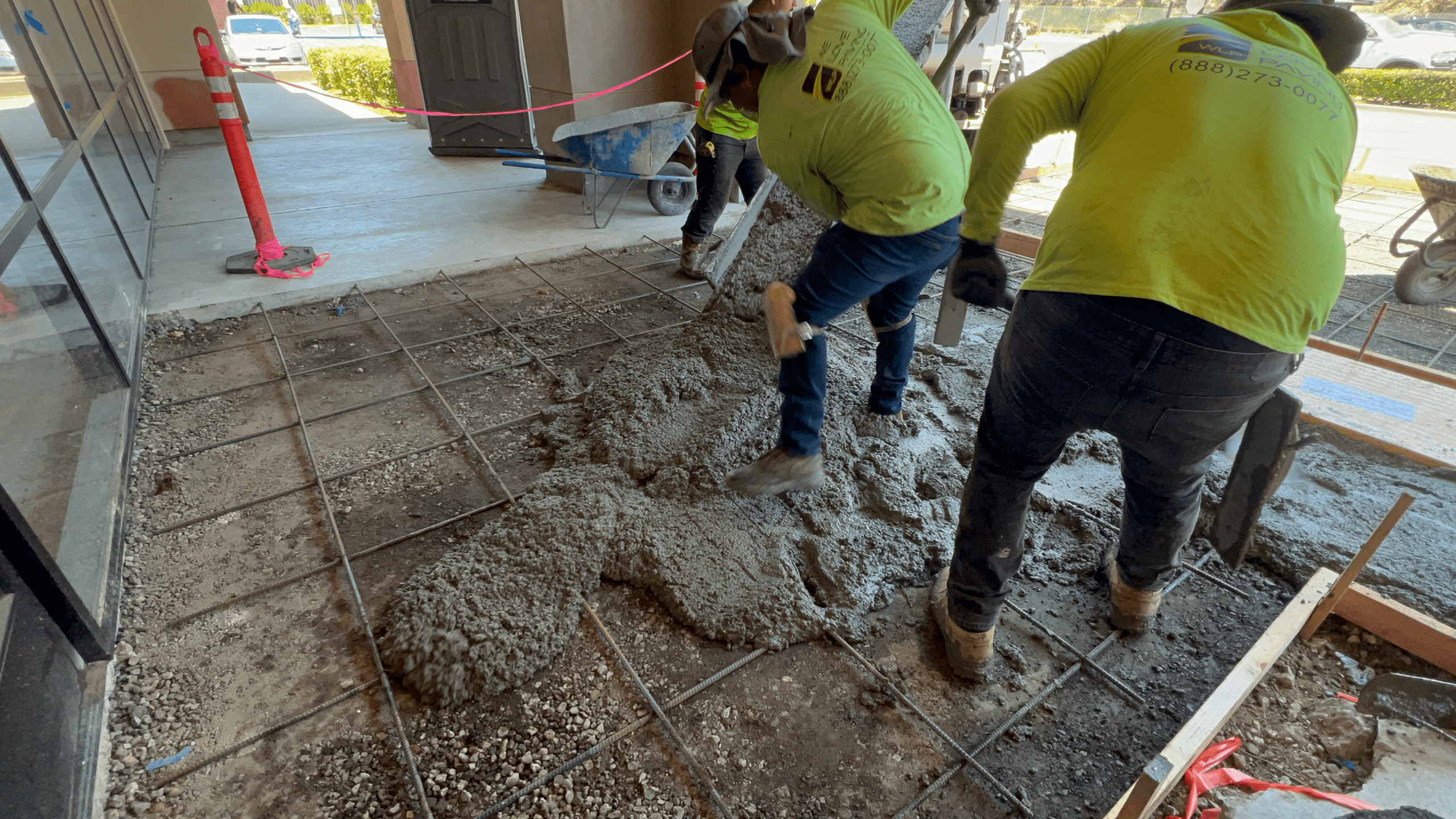
  • Ensure all ramps, stalls, and signage meet ADA, CBC, and local municipal specs

  • Work directly with inspectors to ensure fast project sign-off


3. Proper Drainage = Pavement That Lasts Twice as Long

Water is the #1 enemy of asphalt and concrete. Standing water leads to:

  • Surface erosion and raveling

  • Subgrade saturation and base failure

  • Freeze/thaw cracking in colder climates

We Love Paving integrates:

  • Minimum 2% cross slope on all surfaces

  • Catch basins, trench drains, and curb cuts

  • Optional permeable pavement for stormwater compliance

Result: Surfaces that shed water, not invite it in.


4. Smart Maintenance Extends Lifespan and Saves Money

Even the best paving needs upkeep — and those who ignore it end up paying 2–3x more in repairs and replacement.

Our maintenance approach includes:

  • Crack sealing every 1–2 years

  • Sealcoating every 2–3 years

  • Restriping and ADA updates as regulations evolve

  • Drainage inspections before wet season

A few thousand dollars in maintenance protects hundreds of thousands in surface value.


5. Your Pavement Reflects Your Brand

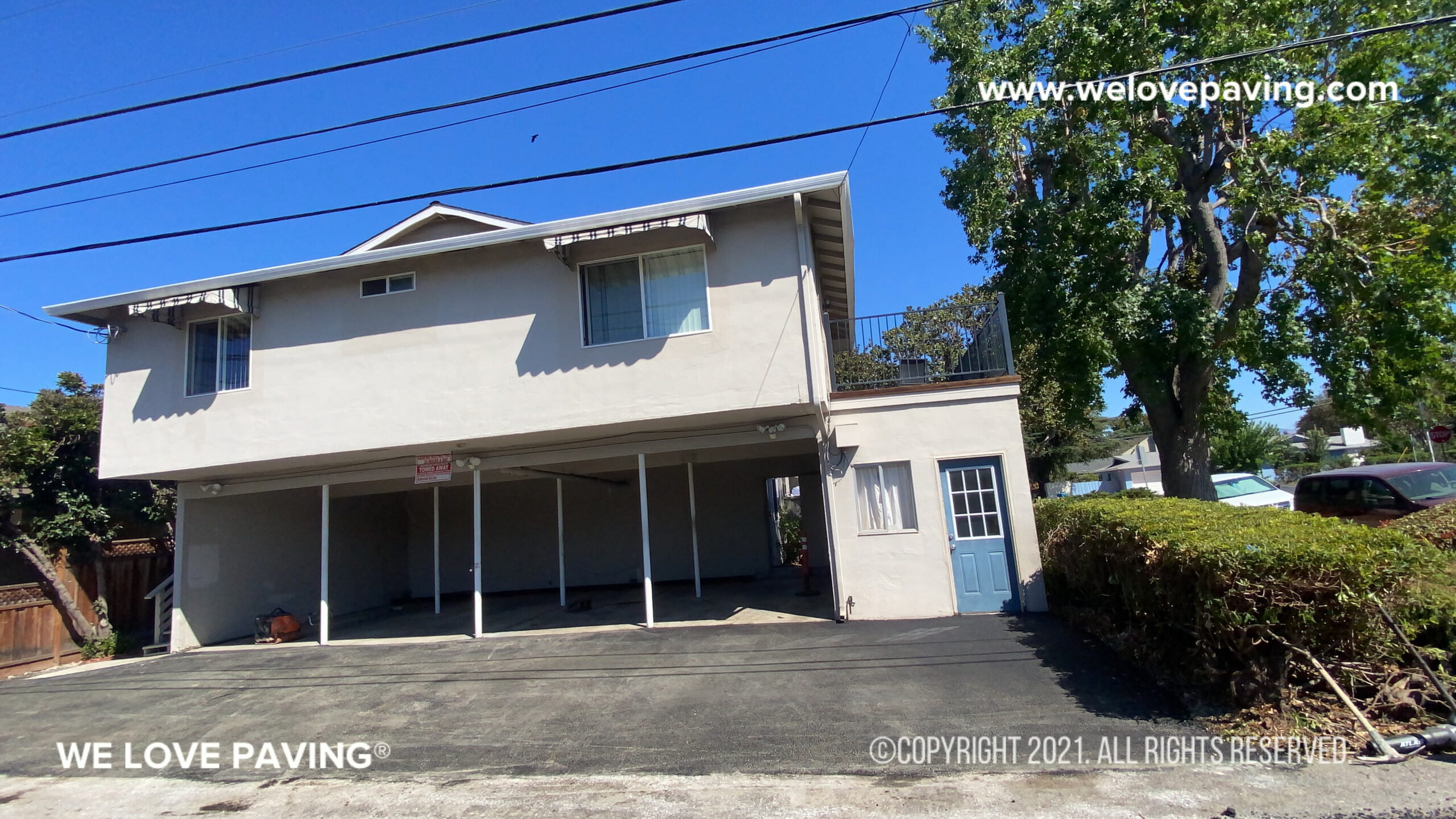
Whether it’s a retail lot, apartment complex, industrial yard, or school — the first thing people touch on your property is the pavement.

  • A faded, cracked, or unsafe lot signals neglect

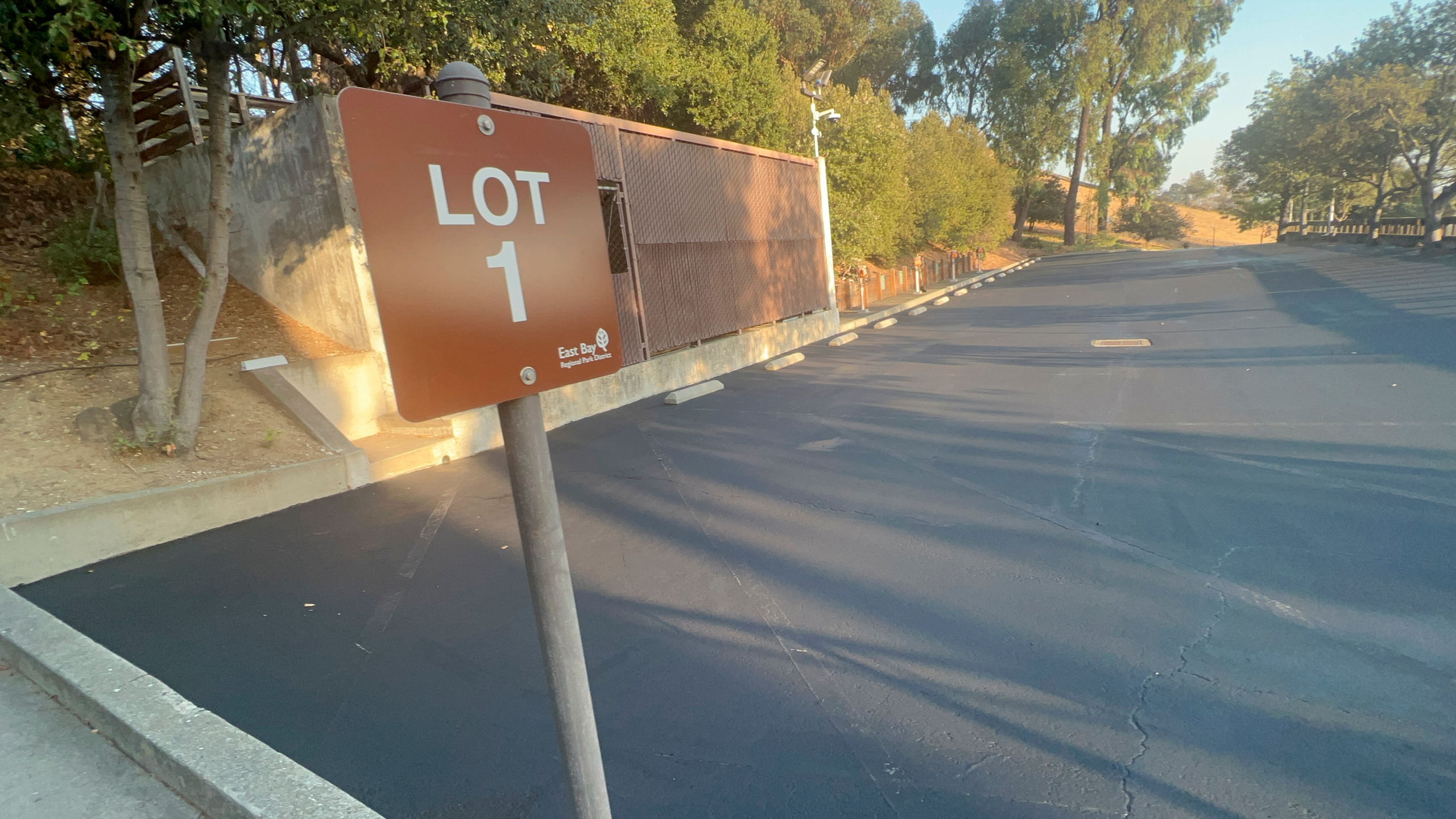
  • A clean, smooth, well-marked surface communicates professionalism and safety

We Love Paving ensures:

  • Sharp striping and signage

  • Proper entry/exit flow

  • ADA accessibility that protects you and serves your visitors


Conclusion: Don’t Buy Pavement — Invest in Performance

At We Love Paving, we don’t just lay asphalt. We engineer surfaces that perform for years — and protect your budget, your brand, and your liability. Whether you need new construction or long-term surface management, we bring the strategy and execution that property owners trust.

📞 Ready for pavement that pays off over time?
Contact We Love Paving today for a technical site evaluation and project quote.

Share

WHO IS FRED?

Fred, Regional Operations Manager, comes from a family of immigrant roots and a story built on sacrifice, discipline, and hard work. Growing up, Fred watched his parents work long hours and weekends to create a better future teaching him the values of perseverance, determination, and doing things the right way every single time.
We Love Paving began with Fred’s father, who started doing what he knew best: paving. Over the years, he built experience alongside respected professionals in the industry, refining his methods and developing a reputation for quality work that speaks for itself. As his clientele grew, so did the vision one built not only on skill, but on integrity and pride in every job.

Posts that might interest you

What is the Best Quality Asphalt for Driveways?

What is the Best Quality Asphalt for Driveways?

June 28, 2024

Choosing the best quality asphalt for your driveway is essential to ensure durability, aesthetic appeal, and cost-effectiveness. This guide explores the types of asphalt, their benefits, and how to select the best option for your driveway needs. Understanding Asphalt Factors to Consider When Choosing Asphalt Types of Asphalt for Driveways Comparing Asphalt to Other Materials

How Thick Should Asphalt Paving Be?

How Thick Should Asphalt Paving Be?

June 28, 2024

Choosing the right thickness for asphalt paving is crucial for the longevity and durability of the surface, whether it’s a driveway, parking lot, or roadway. The thickness of asphalt paving affects its ability to withstand traffic loads, weather conditions, and overall wear and tear. This article will explore the factors influencing asphalt thickness and provide

How Close to My Property Line Can I Pour Concrete?

How Close to My Property Line Can I Pour Concrete?

June 28, 2024

Pouring concrete close to your property line is a common issue for homeowners looking to enhance their outdoor spaces. Whether it’s for a driveway, patio, or walkway, understanding the legal and practical considerations is crucial to avoid disputes with neighbors and comply with local regulations. This guide explores the key factors influencing how close you

How to Fix a Crumbling Concrete Driveway: The Ultimate Repair Guide

How to Fix a Crumbling Concrete Driveway: The Ultimate Repair Guide

June 27, 2024

When a concrete driveway starts to crumble, it’s more than a cosmetic issue—it’s a warning sign that the surface is losing its structural integrity. Left untreated, it can lead to major damage, higher repair costs, and safety hazards. Whether you’re a homeowner or manage a commercial property, this guide will show you how to restore

Do You Need a Permit to Replace a Driveway? A Comprehensive Guide

Do You Need a Permit to Replace a Driveway? A Comprehensive Guide

June 25, 2024

Replacing a driveway is a significant home improvement project that can enhance curb appeal, increase property value, and improve functionality. However, before you start tearing up your old driveway and pouring new concrete or laying pavers, it’s crucial to understand the legal and regulatory requirements involved. One of the most common questions homeowners have is

Steps Involved in Asphalt Paving

Steps Involved in Asphalt Paving

June 25, 2024

Asphalt paving is a necessary part of the construction industry. It’s a versatile material used to build roads, parking lots, and driveways. Understanding the steps involved in asphalt paving will help you choose the right pavement for your needs. Asphalt is an extremely durable material that withstands traffic and the elements. It is also environmentally

The Cost of Asphalt Cutting Per Linear Foot: What to Expect

The Cost of Asphalt Cutting Per Linear Foot: What to Expect

June 24, 2024

When it comes to construction and repair projects, asphalt cutting is often a necessary task, whether for roadworks, driveways, or other paved surfaces. Understanding the cost involved in asphalt cutting per linear foot can help you budget more accurately for your project. This article will break down the factors affecting these costs and provide a

The Best Base for an Asphalt Driveway: A Comprehensive Guide

The Best Base for an Asphalt Driveway: A Comprehensive Guide

June 24, 2024

What Do You Lay Under Asphalt?

What Do You Lay Under Asphalt?

June 24, 2024

The Process of Asphalt Paving

The Process of Asphalt Paving

June 19, 2024

Asphalt Paving is a complex process that involves numerous stages. A good paving contractor will be willing to walk you through their work processes and answer any questions. Inquire about an asphalt paving contractor’s license, worker’s compensation, and liability insurance. Ask them to provide references and project examples. Also, ask about their education and training.

Previous Next