Many property owners are surprised when a parking lot begins to deteriorate sooner than expected.
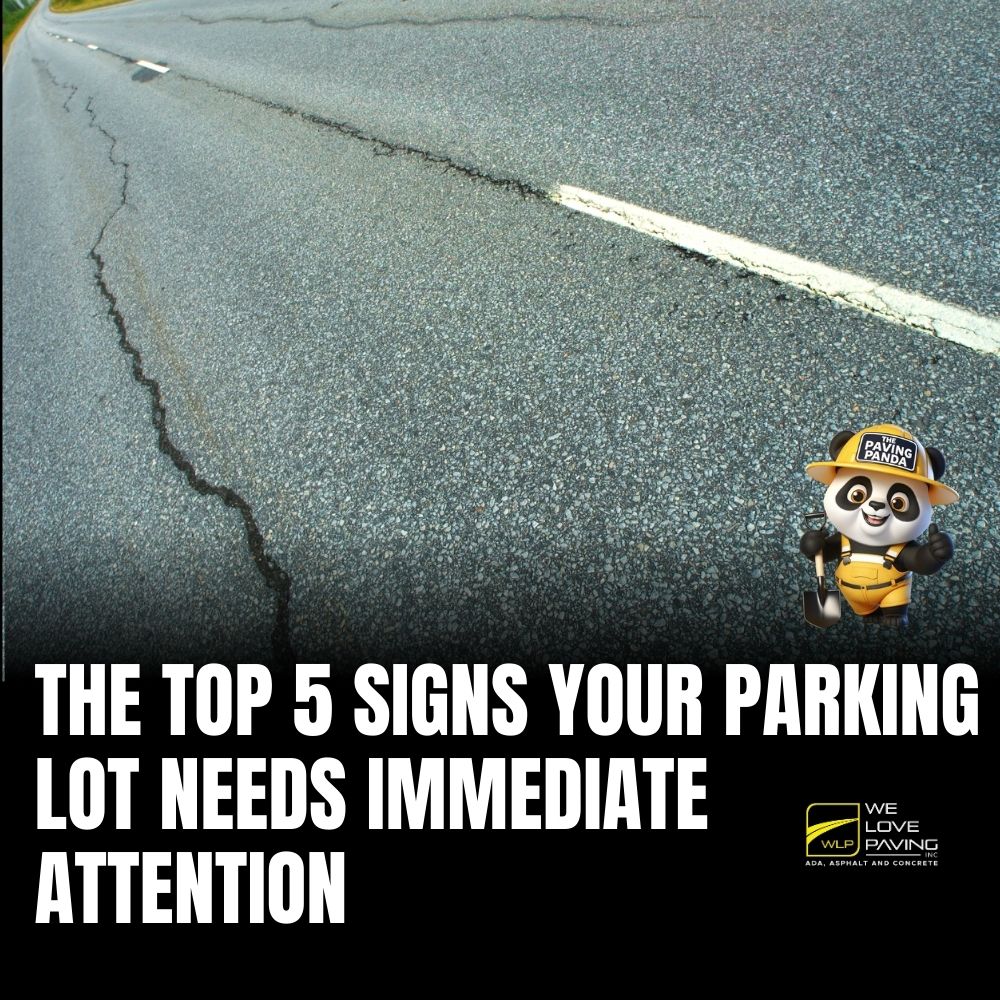
From the surface, the pavement may still look acceptable. Striping may be visible. There may be no major cracks or potholes. Yet underneath, deterioration is already in progress.
Parking lots often fail earlier than owners anticipate not because they were poorly built — but because pavement is commonly misunderstood.
Parking Lots Are Structural Assets, Not Cosmetic Features
A parking lot is not just a finished surface.
It is a layered system designed to handle:
-
Constant vehicle loads
-
Repeated turning stress
-
Water exposure
-
Temperature changes
-
Public accessibility requirements
Even when the surface looks intact, stress is being transferred through the pavement structure every day.
Unlike interior assets, parking lots are exposed continuously — and deterioration begins long before visual damage appears.
Traffic Load Accelerates Wear More Than Age
Many owners assume pavement lifespan is tied mainly to time.
In reality, traffic patterns matter more than age.
High-stress areas degrade first:
-
Drive lanes with constant turning
-
Trash enclosures
-
Fire lanes
-
Delivery and loading zones
-
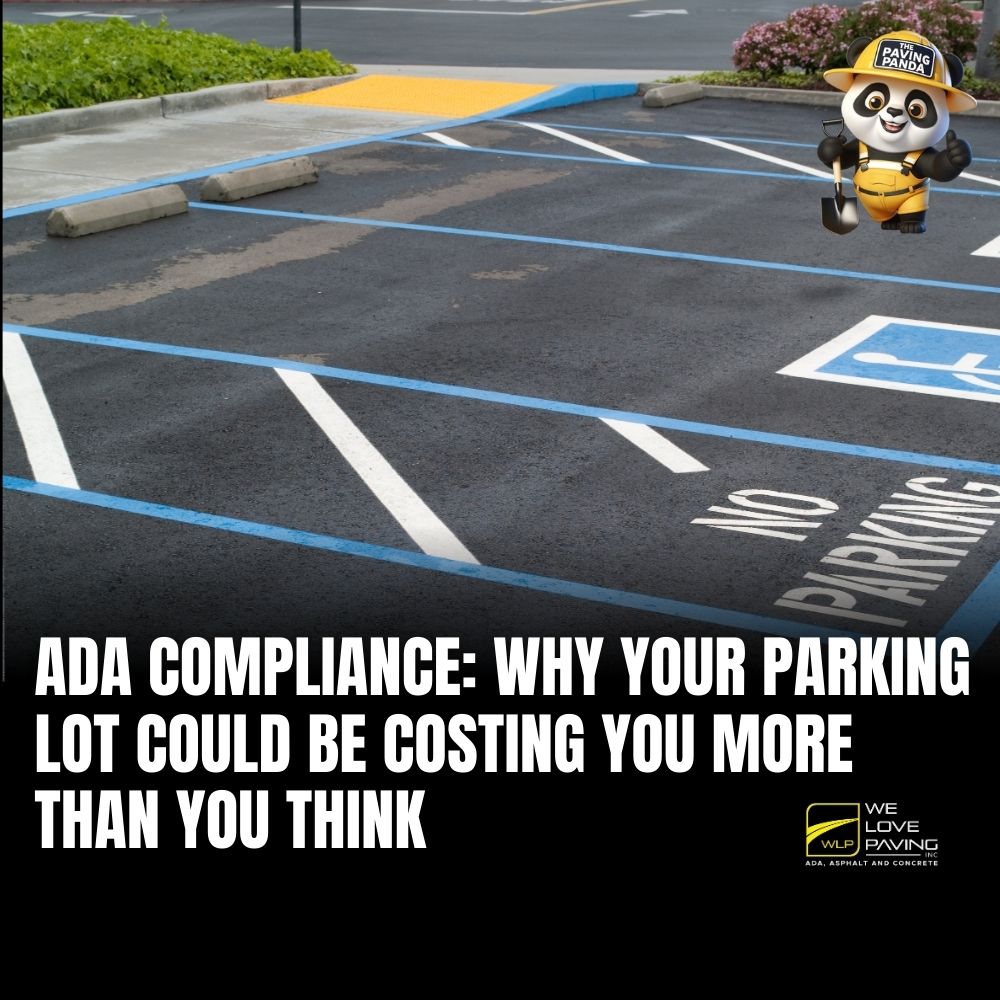
Accessible parking areas
Turning movements and heavy loads create shear stress that weakens pavement faster than straight-line traffic. These areas often fail years before the rest of the lot.
Water Is the Primary Driver of Pavement Failure
Water is the most common and most underestimated cause of early pavement failure.
Once water penetrates the surface, it:
-
Weakens the base layer
-
Creates uneven settlement
-
Accelerates cracking
-
Alters surface slopes
Drainage issues do not always look severe. Shallow pooling or recurring damp spots are often early indicators of deeper structural problems.
Over time, water-related issues compound quietly — until repairs become unavoidable.
Deferred Maintenance Speeds Up Deterioration
Small issues are often postponed because they do not seem urgent.
Examples include:
-
Hairline cracking
-
Minor settlement
-
Fading striping
-
Subtle drainage problems
When maintenance is delayed, these minor issues allow water intrusion and structural movement to continue unchecked.
What could have been addressed through preventive maintenance often escalates into full-depth repairs or premature replacement.
Appearance Is a Poor Indicator of Pavement Health
One of the most common misconceptions is that a parking lot is performing well because it looks fine.
Visual condition alone does not reveal:
-
Subsurface movement
-
Slope deviations
-
Drainage failures
-
Base layer degradation
By the time damage becomes obvious, deterioration has usually been occurring for years.
Why Early Failure Often Feels “Unexpected”
From an owner’s perspective, early pavement failure can feel sudden.
In reality, failure is usually gradual and predictable — it simply goes unnoticed until visible signs appear.
This gap between actual pavement condition and perceived condition is why many parking lots fail sooner than expected.
A Maintenance-First Approach Extends Pavement Life
Parking lots last longer when they are managed as long-term assets, not reactive repairs.
This includes:
-
Routine inspections
-
Monitoring high-stress areas
-
Addressing drainage early
-
Sealing and repairing at the right time
-
Planning maintenance instead of reacting to damage
Preventive maintenance does not eliminate deterioration — but it slows it significantly and preserves value.
The We Love Paving Perspective
At We Love Paving, parking lots are approached as infrastructure systems, not cosmetic surfaces.
Understanding how and why pavement deteriorates allows property owners to:
-
Avoid premature failure
-
Reduce long-term costs
-
Minimize operational disruption
-
Protect property value
Pavement rarely fails suddenly.
It fails quietly — until it can no longer be ignored.