Introduction
The Americans with Disabilities Act (ADA) ensures equal access for individuals with disabilities, but non-compliance can lead to costly lawsuits. Northern California businesses are particularly vulnerable due to a combination of legal, structural, and cultural factors. This blog explores why these risks are heightened and how proactive measures, including partnering with paving experts like We Love Paving, can protect your business.
1. California’s Stringent State Laws
California enforces stricter accessibility laws than federal ADA requirements. The Unruh Civil Rights Act allows plaintiffs to claim up to $4,000 in damages per violation, incentivizing litigation. Additionally, the California Construction Accessibility Standards (CASp) mandate rigorous compliance, making businesses without CASp certifications easy targets for lawsuits.
2. Older Infrastructure and Historic Buildings
Northern California’s charm lies in its historic architecture, but older buildings often lack modern accessibility features. Retrofitting these structures to meet ADA standards—such as installing compliant ramps, parking spaces, and smooth pathways—can be challenging and costly. Common paving issues like cracked sidewalks, uneven surfaces, and improper slopes frequently trigger lawsuits.
3. High Litigation Rates
California accounts for over 40% of ADA lawsuits nationwide. Northern California, with bustling cities like San Francisco and Sacramento, sees a high volume of “drive-by” lawsuits. Plaintiffs and law firms often target businesses with minor infractions, such as incorrect parking lot signage or insufficient access aisles, to secure quick settlements.
4. Stricter Local Accessibility Standards
Many Northern California cities adopt accessibility codes exceeding federal requirements. For example, San Francisco mandates specific ramp gradients and sidewalk widths. Businesses unaware of these nuances face higher non-compliance risks.
The Role of Paving in ADA Compliance
Paving is critical to accessibility. Key requirements include:
-
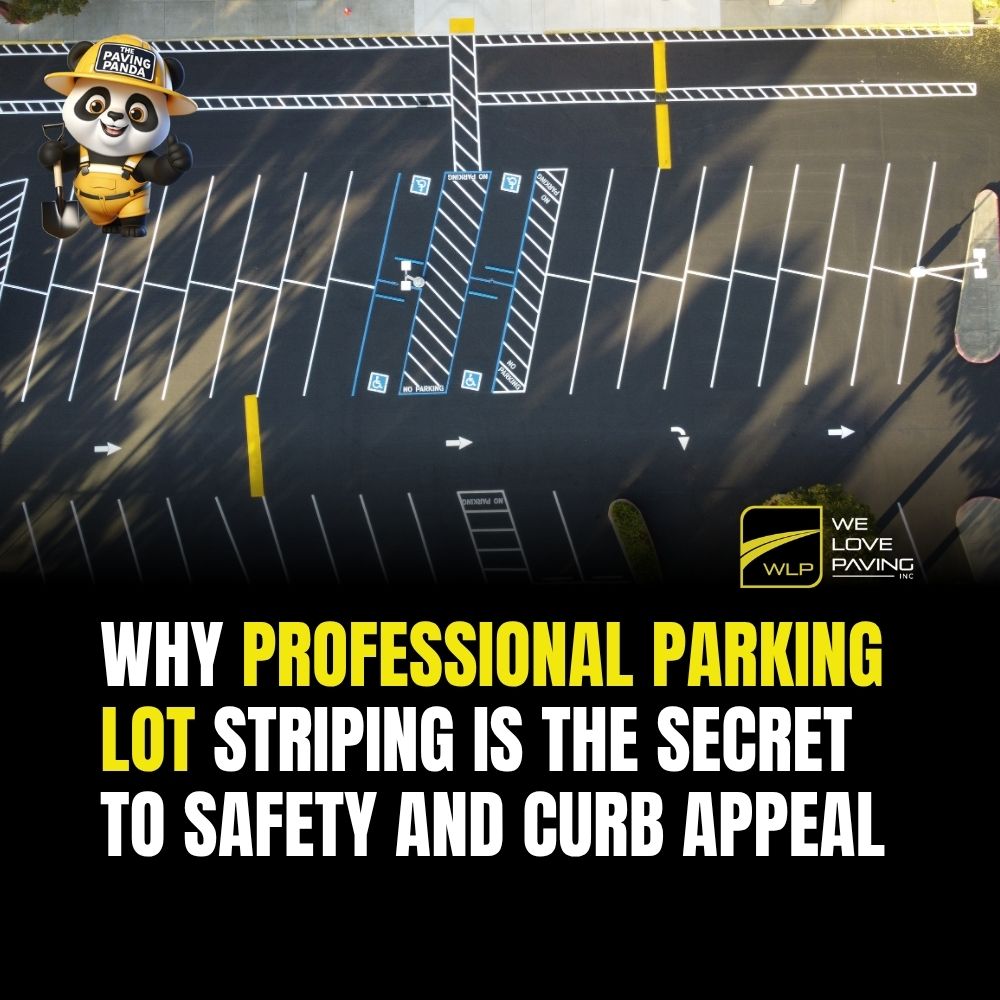
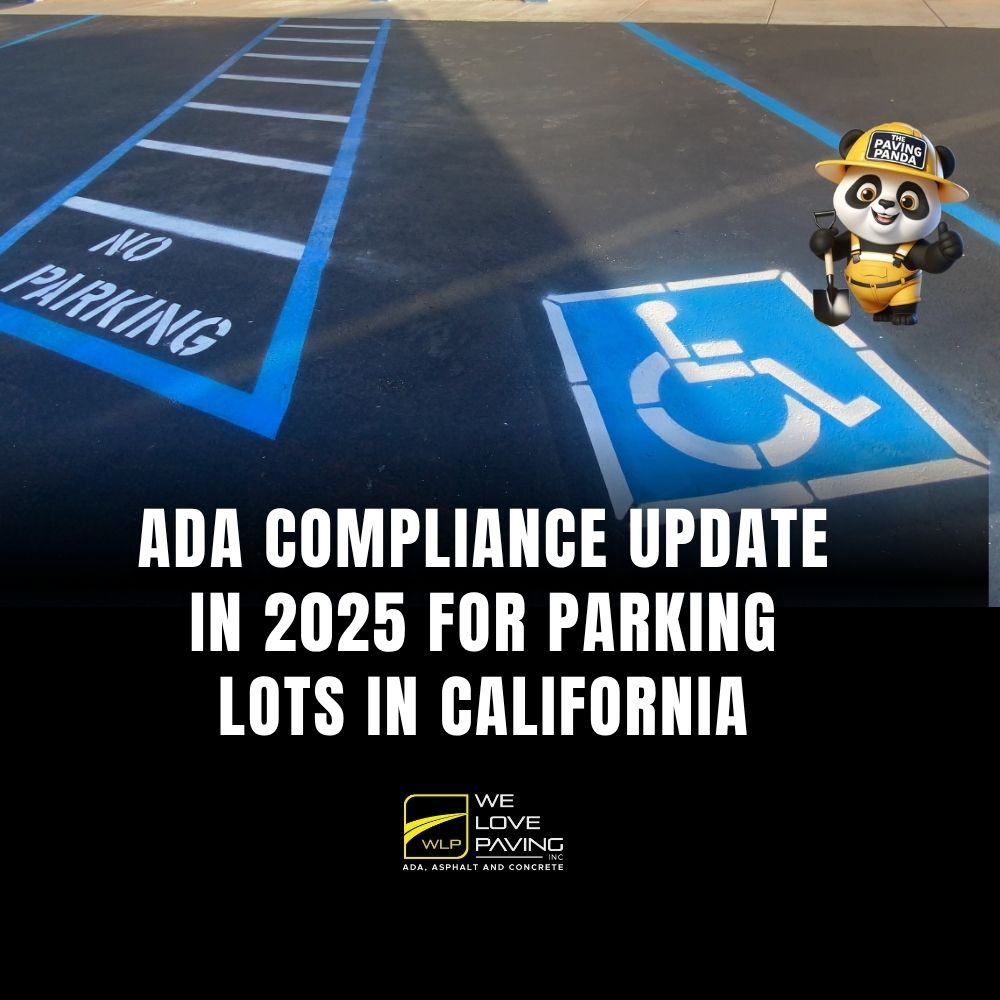
Parking Lots: Accessible spaces must be 8 feet wide with a 5-foot access aisle, van-accessible options, and proper signage.
-
Slopes: Ramps and pathways must have a slope ≤1:12 (1 inch of rise per 12 inches length).
-
Surfaces: Pavement must be smooth, without cracks or potholes that could impede wheelchairs.
How Non-Compliant Paving Leads to Lawsuits
-
Example 1: A Sacramento restaurant faced a $20,000 settlement after a lawsuit cited its steep entrance ramp.
-
Example 2: A retail store in San Francisco was sued for uneven sidewalk cracks, creating tripping hazards.
Solutions for Businesses
-
Regular Audits: Schedule annual accessibility reviews to identify issues like deteriorating pavement or faded parking markings.
-
CASp Inspections: Hire state-certified specialists to assess compliance and provide legal defense tools.
-
Partner with Paving Experts: We Love Paving ensures your parking lots, sidewalks, and ramps meet ADA standards. Our services include resurfacing, ramp installation, and accessible parking design.
Conclusion
Northern California’s unique legal and structural landscape increases ADA lawsuit risks, but proactive steps can mitigate them. Investing in compliant paving not only avoids costly litigation but also fosters inclusivity. Contact We Love Paving today for a free consultation to assess your property’s ADA compliance and safeguard your business.