What Is Tandem Parking?
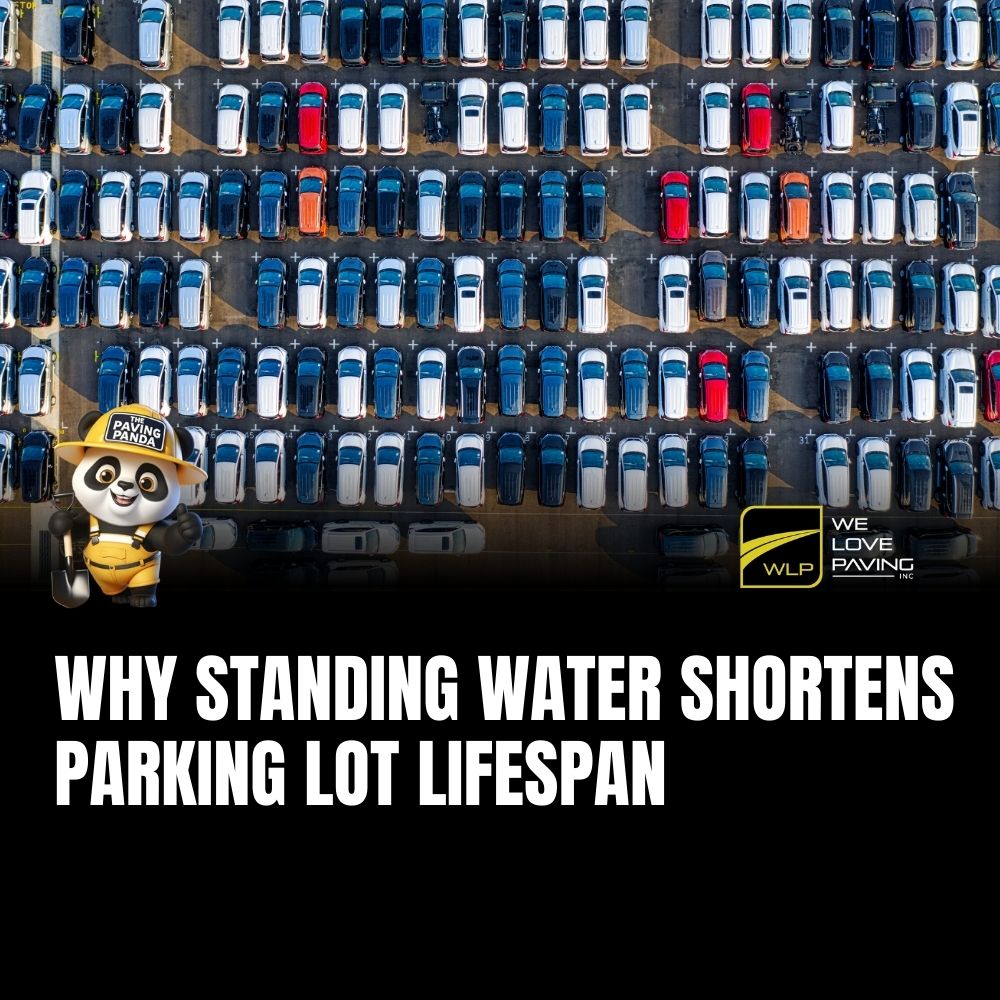
Tandem parking refers to two or more vehicles parked end-to-end within a single elongated parking space. In this setup, one car must move to let the other exit, similar to cars sharing a narrow driveway.
It’s a design solution often used in space-limited properties, such as multi-family buildings, apartment complexes, or commercial lots where maximizing parking density is a priority.
If you want to make sure your tandem parking layout meets California ADA requirements, check out the ADA Parking Spaces in 2026: The Complete Compliance Guide — it covers dimensions, slopes, accessible aisles, and the latest updates.
Why Tandem Parking Is Common
Tandem parking helps maximize the number of parking spaces in a constrained area. Property managers and developers often use it when:
-
The property has limited square footage.
-
Local codes require a specific number of spaces per unit.
-
The lot layout cannot accommodate traditional single-entry spaces.
This layout is practical, but it comes with challenges that must be considered.
Common Problems With Tandem Parking
Although efficient, tandem parking can lead to:
-
🚗 Blocked access: One vehicle must move before the other can exit.
-
🧭 Coordination issues: Tenants must constantly communicate to avoid blocking each other.
-
⚠️ Emergency access concerns: Tandem spots may block fire lanes or emergency routes if poorly designed.
-
♿ ADA non-compliance: Many tandem setups fail to meet accessibility standards for people with disabilities.
Tandem Parking and ADA Requirements
Under the Americans with Disabilities Act (ADA), accessible parking spaces must provide independent access — meaning a person with mobility impairments should not need another driver to move their car.
👉 Therefore, tandem parking spaces are generally not allowed to count as accessible (ADA) spaces, unless specific modifications exist:
-
The space includes a dedicated access aisle.
-
The space is reserved exclusively for valet or staff use with proper signage.
-
The layout follows local city code exceptions under a permit-approved design.
Every city has slightly different rules. For example, many California municipalities prohibit tandem parking in commercial lots unless approved through a planning or conditional use process.
How We Love Paving Ensures Compliance
At We Love Paving, we design and build parking lots that meet both ADA and city code standards while maximizing space efficiency.
Our team helps property owners:
-
Reconfigure existing tandem layouts for ADA compliance.
-
Stripe and sign accessible parking areas properly.
-
Handle city permit approvals for parking redesigns.
-
Create custom pavement markings and traffic flow systems that improve safety and accessibility.
Most property managers miss ADA issues because they don’t have a checklist of all required elements (slopes, signage heights, van-access dimensions, etc.).
You can download the full ADA Parking Lot Compliance Checklist from StopADA here.
Final Thoughts
Tandem parking can be an excellent way to maximize space—but only when designed properly. Failing to meet ADA or local code standards can lead to costly fines or required re-striping.
We Love Paving helps property managers, developers, and business owners ensure every parking layout is legal, accessible, and professionally executed.