Concreting is a fundamental process in construction, playing a crucial role in creating durable and robust structures. From residential homes to commercial buildings and infrastructure projects, concrete is a versatile and widely used material. In Sacramento, California, concreting is essential for the city’s ongoing growth and development. This article delves into the specifics of concreting in construction, with a focus on its application, benefits, and significance in Sacramento.
Concrete is not just a structural material it also offers extensive design versatility. It can be molded into complex shapes, stained for color variations, stamped for texture, or polished for a refined finish. These customization options make concrete suitable for both highly functional structural elements and decorative architectural features.
Understanding Concreting
Definition and Components
Concreting refers to the process of mixing, placing, and curing concrete to construct various elements such as foundations, walls, slabs, and more. Concrete is a composite material composed of three primary ingredients: cement, aggregates (such as sand and gravel), and water. When these components are combined, they form a paste that hardens over time, creating a solid, stone-like material.
- Cement: The binding agent that reacts with water to form a paste that holds the aggregates together.
- Aggregates: Materials like sand, gravel, or crushed stone that provide bulk and strength to the concrete.
- Water: Essential for the chemical reaction with cement (hydration) and for achieving workability.
The Concreting Process
The concreting process involves several key steps to ensure the material’s strength and durability:
- Mixing: The ingredients are proportionately mixed to create a uniform paste. This can be done on-site or at a batching plant.
- Transporting: The mixed concrete must be transported to the construction site quickly to prevent it from setting prematurely.
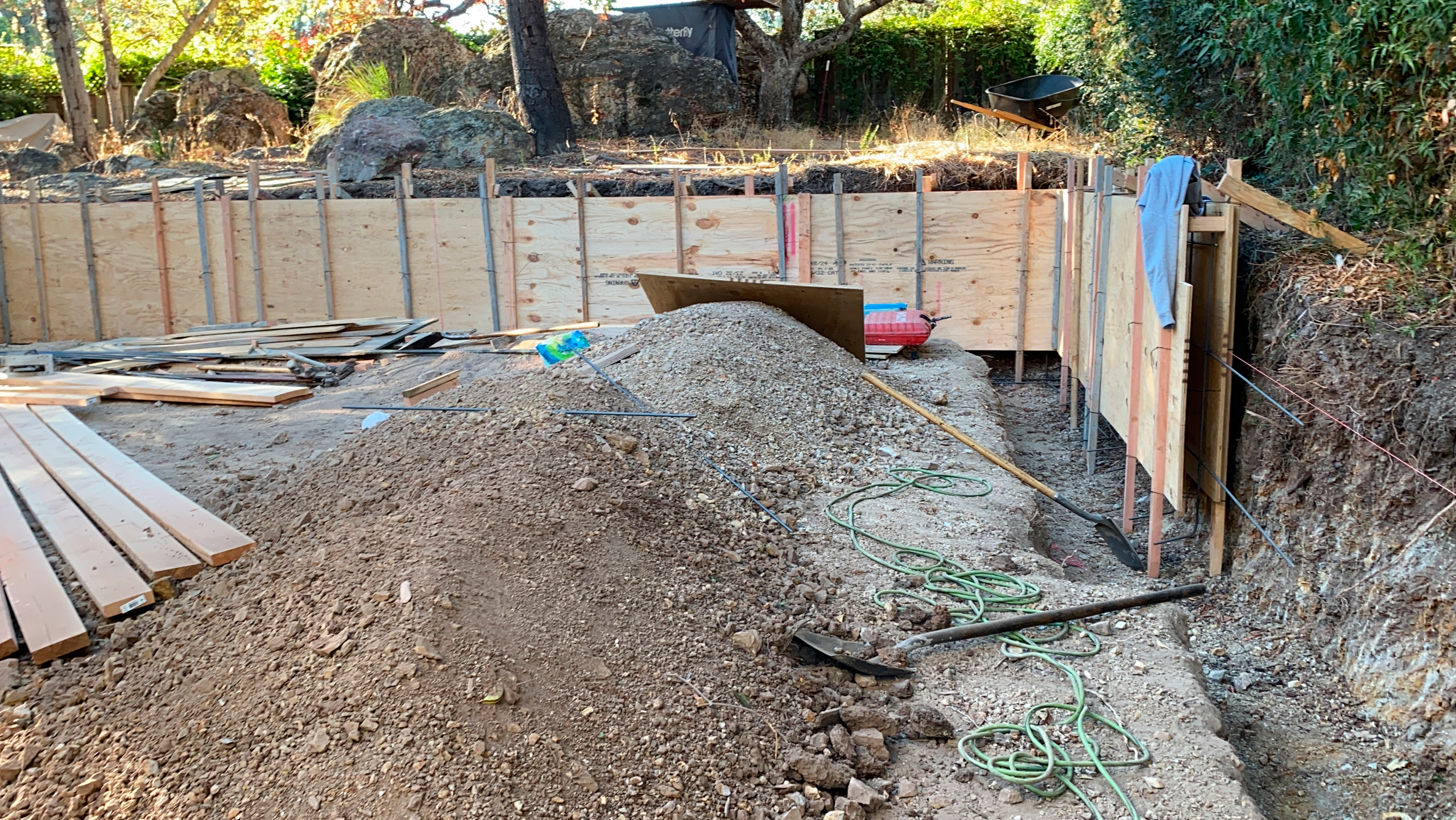
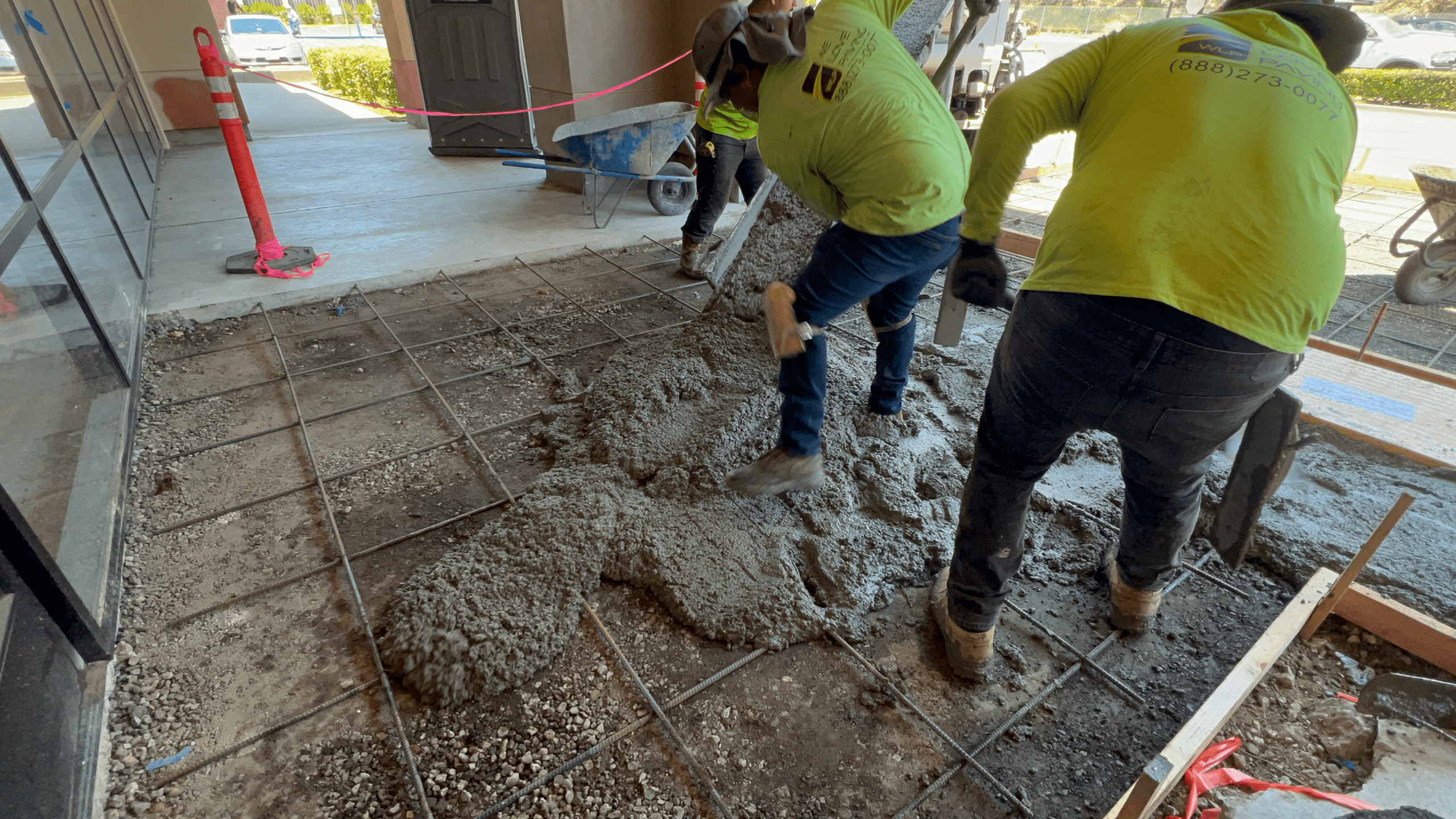
- Placing: The concrete is poured into the desired molds or forms to shape it into structural elements.
- Compacting: Vibrating or tamping the concrete to remove air bubbles and ensure proper consolidation.
- Finishing: Smoothing and shaping the surface of the concrete for aesthetic and functional purposes.
- Curing: Maintaining optimal moisture and temperature conditions to allow the concrete to achieve its full strength over time.
The Importance of Concreting in Sacramento
Structural Integrity and Durability
In Sacramento, where the risk of earthquakes is a significant concern, the structural integrity and durability of buildings and infrastructure are paramount. Concreting provides the necessary strength and stability to withstand seismic activity. Reinforced concrete, which incorporates steel bars or mesh, is commonly used to enhance the material’s tensile strength, making it ideal for earthquake-prone areas.
Climate Adaptability
Sacramento’s climate, characterized by hot, dry summers and mild, wet winters, requires construction materials that can withstand temperature fluctuations and weather conditions. Concrete is highly adaptable to these environmental factors. It can be designed with specific mix proportions and additives to enhance its performance under varying temperatures and humidity levels.
Versatility in Application
Concrete’s versatility makes it suitable for a wide range of construction projects in Sacramento, including:
- Residential Buildings: Foundations, driveways, patios, and retaining walls.
- Commercial Structures: Office buildings, shopping centers, and parking garages.
- Infrastructure Projects: Roads, bridges, tunnels, and water treatment facilities.
This versatility allows builders in Sacramento to utilize concrete for diverse construction needs, ensuring that projects meet both functional and aesthetic requirements.
In many projects, concrete plays a dual role: structural support and aesthetic enhancement. From smooth modern facades to textured finishes that mimic stone, concrete can be adapted to suit different design visions while still delivering durability.
Advantages of Concreting in Construction
Strength and Durability
Concrete is renowned for its compressive strength and longevity. Properly mixed and cured concrete can last for decades with minimal maintenance. This durability is particularly advantageous for Sacramento’s infrastructure, which must endure heavy usage and environmental stresses.
Cost-Effectiveness
Concrete is a cost-effective material for construction. Its components are widely available and relatively inexpensive compared to other building materials. Additionally, concrete’s longevity reduces the need for frequent repairs or replacements, providing long-term cost savings for homeowners, businesses, and the city.
Fire Resistance
Concrete is inherently fire-resistant, making it a safe choice for construction in Sacramento. It can withstand high temperatures without losing its structural integrity, offering added protection for buildings and occupants in case of fire.
Energy Efficiency
Concrete’s thermal mass properties help regulate indoor temperatures by absorbing, storing, and slowly releasing heat. This energy efficiency can reduce heating and cooling costs for buildings in Sacramento, contributing to more sustainable construction practices.
Local Considerations and Practices
Sustainable Concreting
As sustainability becomes a more pressing concern, the construction industry in Sacramento is adopting eco-friendly concreting practices. These include using recycled aggregates, incorporating industrial by-products like fly ash and slag, and implementing energy-efficient mixing and curing techniques. Sustainable concreting not only reduces environmental impact but also supports the city’s green building initiatives.
Skilled Workforce and Innovation
Sacramento boasts a skilled workforce proficient in modern concreting techniques. Local construction companies and contractors are continually innovating, utilizing advanced technologies such as ready-mix concrete, precast concrete elements, and 3D printing. These innovations enhance construction efficiency, reduce waste, and improve the overall quality of concrete structures.
Regulatory Standards
Adhering to local building codes and standards is crucial for any construction project in Sacramento. The city and state regulations ensure that concrete structures meet safety, environmental, and performance criteria. Compliance with these standards guarantees that concreting projects are executed with the highest quality and safety considerations.
Concrete can contribute to sustainable construction. Its raw materials can include recycled components, and its high thermal mass can improve a building’s energy performance. Eco-friendly mix designs and local sourcing can further reduce environmental impact.
Concreting is a vital process in construction, providing the strength, durability, and versatility needed for a wide range of projects. In Sacramento, California, concreting plays a crucial role in building resilient structures that can withstand the region’s seismic activity and climate conditions. The advantages of concreting, from its cost-effectiveness to its fire resistance and energy efficiency, make it an indispensable material for the city’s growth and development.
While widely used, concrete construction faces challenges such as fluctuating material costs, regulatory compliance complexity, and evolving aesthetic preferences. However, these challenges present opportunities for adopting new technologies, improving workflows, and aligning with advanced sustainability standards.