Parking spaces are an integral part of urban planning, commercial property design, and public infrastructure. Their dimensions vary based on local regulations, intended use, and the types of vehicles they are meant to accommodate. Understanding standard parking space dimensions is crucial for property developers, business owners, and even everyday drivers. This guide will break down the most common parking space dimensions, factors that influence them, and best practices for designing parking lots.
Standard Parking Space Dimensions
The dimensions of a standard parking space typically depend on the country or region, but there are general guidelines that many follow:
- Width: Most parking spaces are between 8 and 9 feet wide (2.4 to 2.7 meters).
- Length: The standard length ranges from 16 to 20 feet (4.9 to 6 meters).
- Height Clearance: For indoor parking garages, a minimum clearance of 7 feet (2.1 meters) is standard to accommodate most vehicles, including SUVs.
These dimensions ensure that vehicles can fit comfortably while leaving enough room for passengers to enter and exit safely.
Types of Parking Spaces and Their Dimensions
Parking spaces are not one-size-fits-all. Different types of spaces are designed for specific purposes:
- Compact Car Spaces:
- Dimensions: Typically 7.5 feet wide and 15 feet long (2.3 x 4.6 meters).
- Use: Designed for smaller vehicles, these spaces save space in parking lots but should be clearly marked to avoid confusion.
- Standard Spaces:
- Dimensions: 8-9 feet wide and 18-20 feet long (2.4-2.7 x 5.5-6 meters).
- Use: Accommodates most sedans, SUVs, and small trucks.
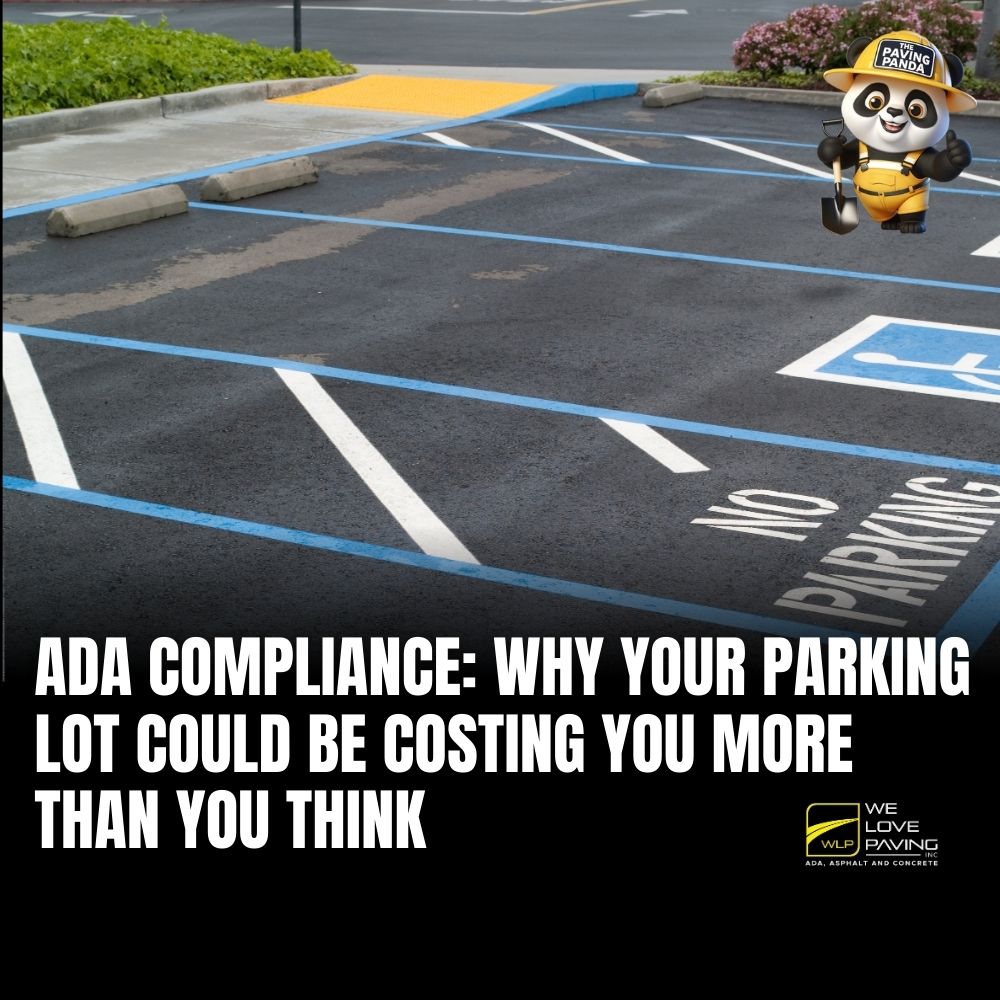
- Accessible (ADA-Compliant) Spaces:
- Dimensions: At least 8 feet wide with an adjacent 5-foot-wide access aisle (2.4 x 1.5 meters).
- Use: Reserved for individuals with disabilities, these spaces provide extra room for wheelchair access and are often located near building entrances.
- Oversized Vehicle Spaces:
- Dimensions: 10-12 feet wide and 20-24 feet long (3-3.6 x 6-7.3 meters).
- Use: Designed for larger vehicles such as trucks, vans, and RVs.
- Parallel Parking Spaces:
- Dimensions: At least 7-8 feet wide and 20-24 feet long (2.1-2.4 x 6-7.3 meters).
- Use: Found along streets or narrow parking lots, these spaces require additional maneuvering room.
Factors Influencing Parking Space Dimensions
Several factors influence the size and layout of parking spaces:
- Local Regulations: Many municipalities have specific codes governing parking space dimensions, including requirements for accessible spaces and drive aisle widths.
- Vehicle Sizes: As vehicles have become larger over time, particularly SUVs and trucks, parking spaces have adapted to accommodate these trends.
- Purpose of the Parking Lot:
- Retail or Commercial: Larger spaces are often preferred to accommodate high traffic and reduce the risk of vehicle damage.
- Residential: Smaller, more compact spaces may suffice for private lots.
- Traffic Flow: Parking lots with high turnover, such as those in shopping centers, require wider spaces and drive aisles to facilitate smooth movement.
- Angled vs. Perpendicular Parking:
- Angled Spaces: Often 45-60 degrees, these require less maneuvering but take up more space per car.
- Perpendicular Spaces: Standard 90-degree spaces maximize the number of vehicles that can fit in a given area.
Best Practices for Parking Lot Design
Designing a functional and efficient parking lot requires more than just meeting standard dimensions. Here are some best practices:
- Prioritize Safety:
- Ensure clear visibility by keeping drive aisles unobstructed.
- Use proper signage and markings to guide drivers.
- Optimize Space Usage:
- Balance between maximizing capacity and providing adequate room for vehicles and pedestrians.
- Use compact spaces strategically in areas with smaller vehicles.
- Plan for Accessibility:
- Include the required number of ADA-compliant spaces.
- Position accessible spaces close to entrances with clear pathways.
- Consider Drainage and Surface Materials:
- Proper drainage prevents water pooling, which can damage pavement.
- Durable materials like asphalt or concrete ensure longevity.
- Lighting and Security:
- Adequate lighting enhances safety and reduces the risk of accidents or theft.
Conclusion
Understanding the standard dimensions of parking spaces is crucial for creating functional and compliant parking facilities. Whether you’re designing a small residential lot or a large commercial parking area, adhering to guidelines and considering the specific needs of your users will ensure success. If you’re unsure about the best layout for your project, consulting with experienced paving professionals like WELOVEPAVING can make all the difference. Proper planning today saves time, money, and headaches tomorrow.