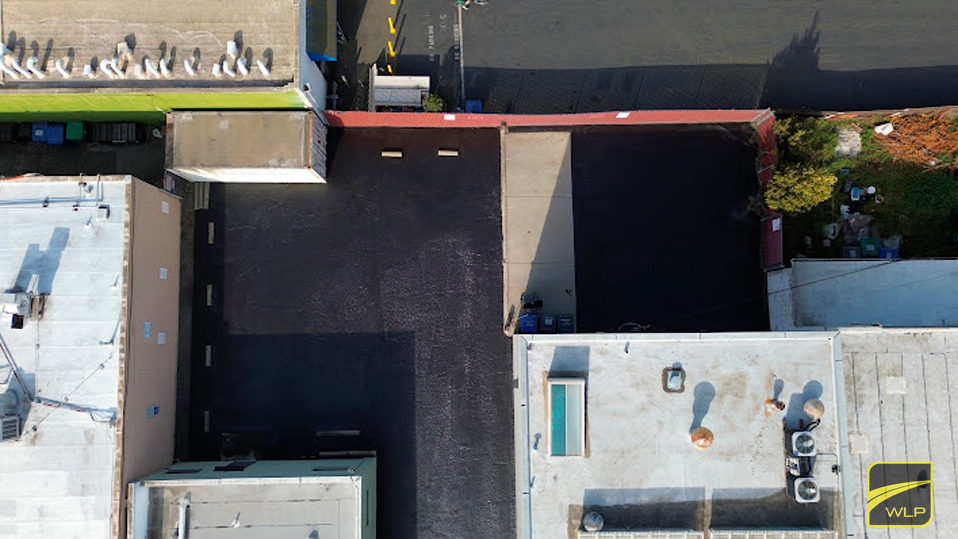
Asphalt paving is a marvel of modern engineering, providing smooth, durable surfaces for roads, driveways, and parking lots around the world. But have you ever wondered how asphalt paving is made? In this comprehensive guide, we’ll take you behind the scenes to explore the fascinating process of producing asphalt and transforming it into a reliable paving material.
Step 1: Raw Materials
The journey of asphalt paving begins with its raw materials. Asphalt is primarily composed of aggregate, which includes gravel, sand, and crushed stone, and a binder known as bitumen. These materials are sourced from quarries and refineries and transported to asphalt plants for processing. The quality and composition of the raw materials play a crucial role in determining the performance and longevity of the final pavement.
Step 2: Aggregate Processing
Once the raw materials arrive at the asphalt plant, they undergo processing to prepare them for mixing. This typically involves crushing and screening the aggregate to ensure uniformity in size and shape. Properly graded aggregate is essential for achieving a smooth, dense asphalt pavement that can withstand the rigors of traffic and weather.
Step 3: Bitumen Production
While aggregate provides the structural backbone of asphalt, bitumen serves as the glue that binds it together. Bitumen is a viscous, black substance derived from crude oil through a process known as distillation. At the asphalt plant, bitumen is heated and blended with additives to improve its workability, adhesion, and resistance to temperature extremes. The resulting bitumen binder is then ready for mixing with the aggregate.
Step 4: Asphalt Mixing
With the raw materials processed and prepared, it’s time to mix them together to create the asphalt. This is done in a specialized piece of equipment called an asphalt mixer, which combines the aggregate and bitumen in precise proportions. The mixing process ensures thorough distribution of the bitumen throughout the aggregate, resulting in a homogeneous mixture with the right balance of strength, flexibility, and durability.
Step 5: Quality Control
Quality control is paramount in asphalt paving to ensure the finished product meets the highest standards of performance and safety. Throughout the production process, samples of the asphalt mix are regularly taken and tested for various properties, including gradation, stability, and binder content. Any deviations from the specified criteria are promptly identified and corrected to maintain consistency and uniformity in the final pavement.
Step 6: Transportation
Once the asphalt mix is produced and approved for use, it is loaded onto trucks and transported to the job site. Timing is critical during transportation to ensure the asphalt remains hot and workable upon arrival. Specialized insulated trucks equipped with heating systems are often used to maintain the desired temperature during transit, especially in colder climates or for long-distance deliveries.
Step 7: Paving
With the asphalt mix delivered to the job site, it’s time for the paving process to begin. This typically involves spreading the hot asphalt mix evenly across the prepared surface using a paving machine. The asphalt is then compacted using heavy rollers to achieve the desired density and smoothness. Proper paving techniques are essential to ensure a uniform surface and minimize the risk of defects such as segregation or rutting.
Step 8: Surface Treatment
Once the asphalt pavement is laid and compacted, it may undergo additional treatments to enhance its performance and longevity. This may include applying a sealant to protect the surface from water infiltration, UV degradation, and wear from traffic. Surface treatments can help extend the life of the pavement and reduce the need for costly repairs and maintenance over time.
Step 9: Curing and Traffic Opening
After the asphalt pavement is installed, it requires time to cool and harden properly. This curing period typically takes a few days, during which traffic should be kept off the pavement to avoid damage. Once the asphalt has cured sufficiently, it can be opened to traffic, allowing vehicles to use the newly paved surface safely and efficiently.
Conclusion
From the raw materials to the finished pavement, the process of asphalt paving is a complex yet fascinating journey that combines science, engineering, and craftsmanship. By understanding the steps involved in asphalt production and paving, you can gain a deeper appreciation for the infrastructure that surrounds us and the skilled professionals who bring it to life. So the next time you drive on a smooth, well-maintained road or park in a freshly paved lot, take a moment to marvel at the marvels of asphalt paving and the ingenuity behind it.