Unveiling the Secrets of Asphalt Paving: From Raw Materials to Smooth Surfaces

Asphalt paving is a marvel of modern engineering, providing smooth, durable surfaces for roads, driveways, and parking lots around the world. But have you ever wondered how asphalt paving is made? In this comprehensive guide, we’ll take you behind the scenes to explore the fascinating process of producing asphalt and transforming it into a reliable paving material.

Step 1: Raw Materials

The journey of asphalt paving begins with its raw materials. Asphalt is primarily composed of aggregate, which includes gravel, sand, and crushed stone, and a binder known as bitumen. These materials are sourced from quarries and refineries and transported to asphalt plants for processing. The quality and composition of the raw materials play a crucial role in determining the performance and longevity of the final pavement.

Step 2: Aggregate Processing

Once the raw materials arrive at the asphalt plant, they undergo processing to prepare them for mixing. This typically involves crushing and screening the aggregate to ensure uniformity in size and shape. Properly graded aggregate is essential for achieving a smooth, dense asphalt pavement that can withstand the rigors of traffic and weather.

Step 3: Bitumen Production

While aggregate provides the structural backbone of asphalt, bitumen serves as the glue that binds it together. Bitumen is a viscous, black substance derived from crude oil through a process known as distillation. At the asphalt plant, bitumen is heated and blended with additives to improve its workability, adhesion, and resistance to temperature extremes. The resulting bitumen binder is then ready for mixing with the aggregate.

Step 4: Asphalt Mixing

With the raw materials processed and prepared, it’s time to mix them together to create the asphalt. This is done in a specialized piece of equipment called an asphalt mixer, which combines the aggregate and bitumen in precise proportions. The mixing process ensures thorough distribution of the bitumen throughout the aggregate, resulting in a homogeneous mixture with the right balance of strength, flexibility, and durability.

Step 5: Quality Control

Quality control is paramount in asphalt paving to ensure the finished product meets the highest standards of performance and safety. Throughout the production process, samples of the asphalt mix are regularly taken and tested for various properties, including gradation, stability, and binder content. Any deviations from the specified criteria are promptly identified and corrected to maintain consistency and uniformity in the final pavement.

Step 6: Transportation

Once the asphalt mix is produced and approved for use, it is loaded onto trucks and transported to the job site. Timing is critical during transportation to ensure the asphalt remains hot and workable upon arrival. Specialized insulated trucks equipped with heating systems are often used to maintain the desired temperature during transit, especially in colder climates or for long-distance deliveries.

Step 7: Paving

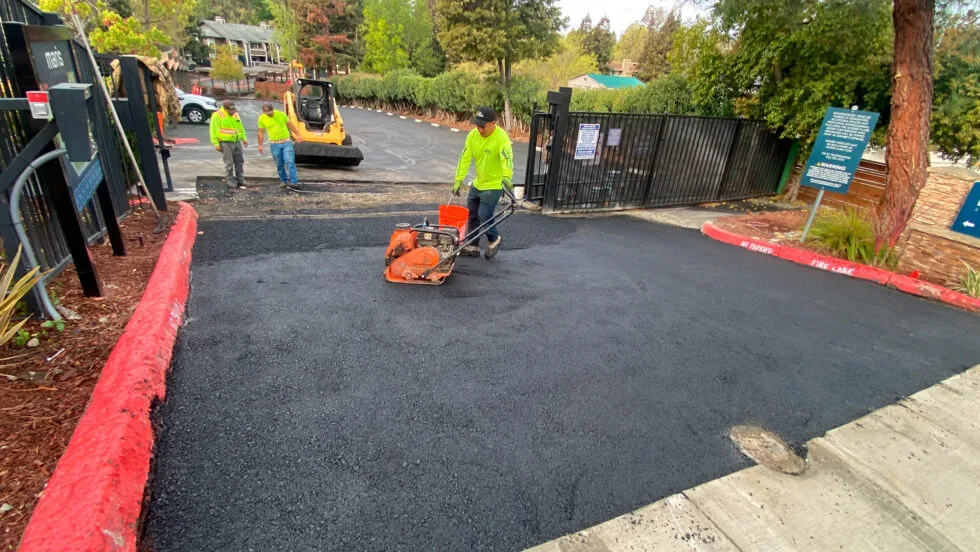
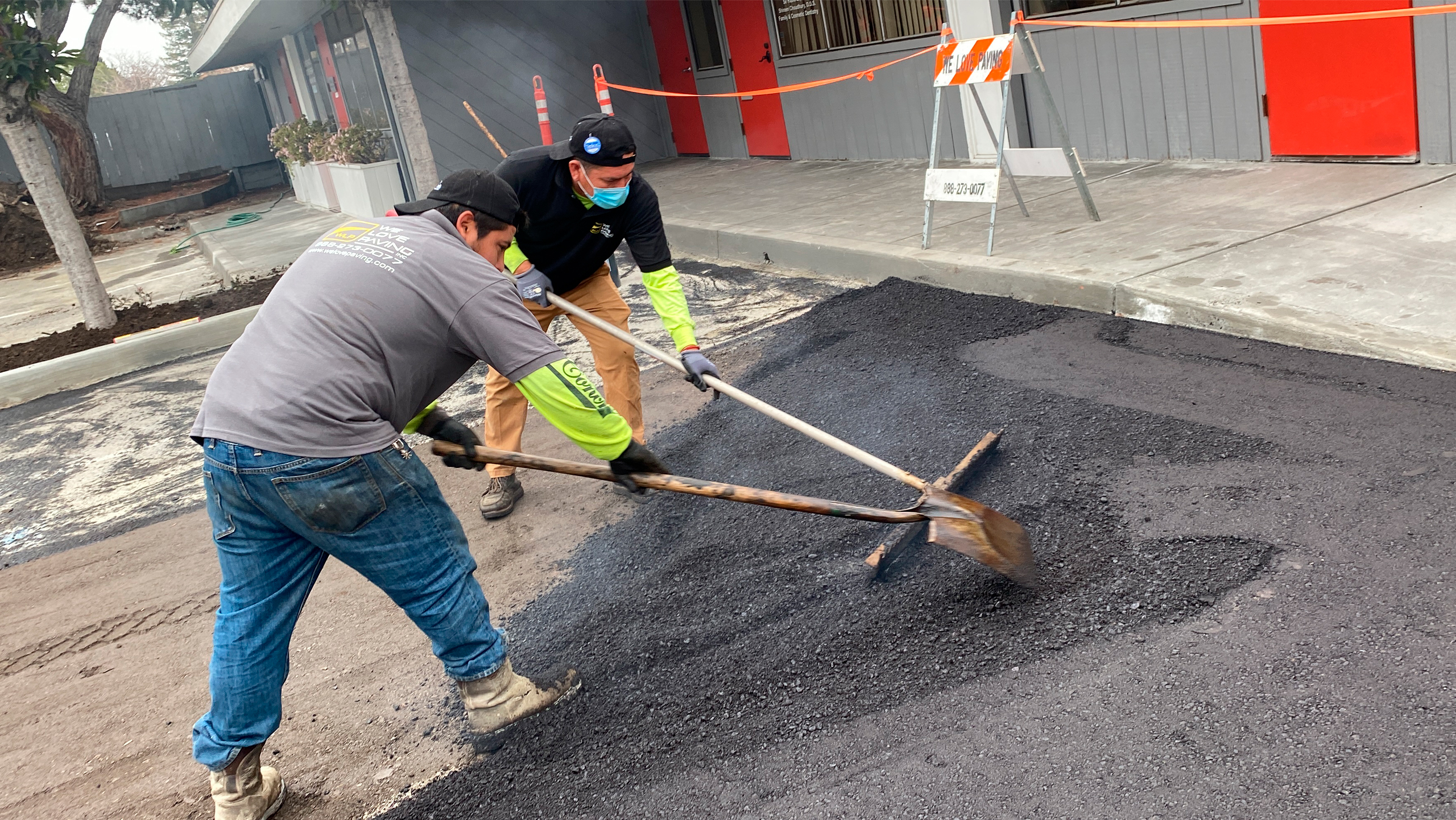
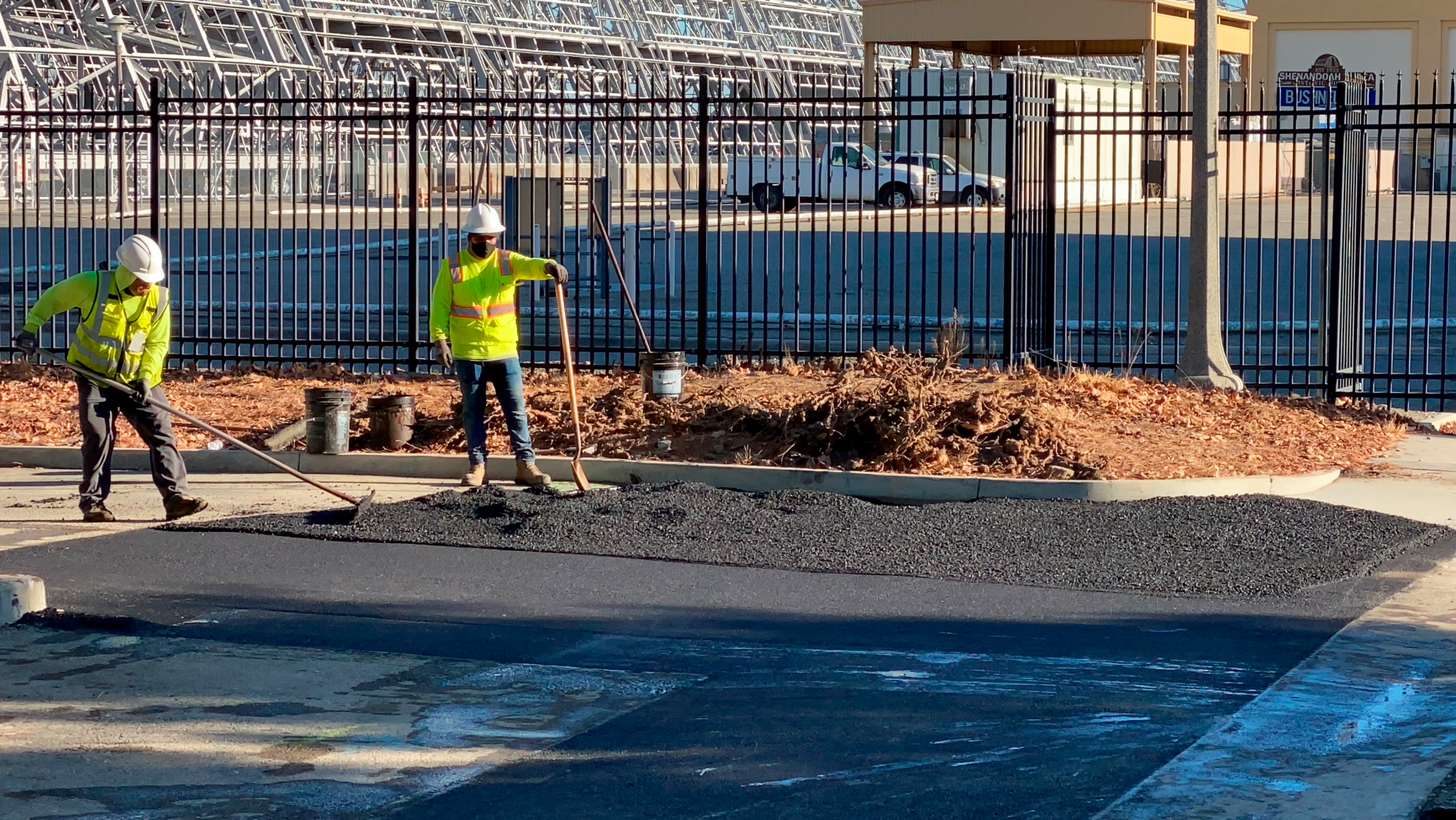
With the asphalt mix delivered to the job site, it’s time for the paving process to begin. This typically involves spreading the hot asphalt mix evenly across the prepared surface using a paving machine. The asphalt is then compacted using heavy rollers to achieve the desired density and smoothness. Proper paving techniques are essential to ensure a uniform surface and minimize the risk of defects such as segregation or rutting.

Step 8: Surface Treatment

Once the asphalt pavement is laid and compacted, it may undergo additional treatments to enhance its performance and longevity. This may include applying a sealant to protect the surface from water infiltration, UV degradation, and wear from traffic. Surface treatments can help extend the life of the pavement and reduce the need for costly repairs and maintenance over time.

Step 9: Curing and Traffic Opening

After the asphalt pavement is installed, it requires time to cool and harden properly. This curing period typically takes a few days, during which traffic should be kept off the pavement to avoid damage. Once the asphalt has cured sufficiently, it can be opened to traffic, allowing vehicles to use the newly paved surface safely and efficiently.

Conclusion

From the raw materials to the finished pavement, the process of asphalt paving is a complex yet fascinating journey that combines science, engineering, and craftsmanship. By understanding the steps involved in asphalt production and paving, you can gain a deeper appreciation for the infrastructure that surrounds us and the skilled professionals who bring it to life. So the next time you drive on a smooth, well-maintained road or park in a freshly paved lot, take a moment to marvel at the marvels of asphalt paving and the ingenuity behind it.

Share

WHO IS FRED?

Fred, Regional Operations Manager, comes from a family of immigrant roots and a story built on sacrifice, discipline, and hard work. Growing up, Fred watched his parents work long hours and weekends to create a better future teaching him the values of perseverance, determination, and doing things the right way every single time.
We Love Paving began with Fred’s father, who started doing what he knew best: paving. Over the years, he built experience alongside respected professionals in the industry, refining his methods and developing a reputation for quality work that speaks for itself. As his clientele grew, so did the vision one built not only on skill, but on integrity and pride in every job.

Posts that might interest you

How Close to My Property Line Can I Pour Concrete?

How Close to My Property Line Can I Pour Concrete?

June 28, 2024

Pouring concrete close to your property line is a common issue for homeowners looking to enhance their outdoor spaces. Whether it’s for a driveway, patio, or walkway, understanding the legal and practical considerations is crucial to avoid disputes with neighbors and comply with local regulations. This guide explores the key factors influencing how close you

How to Fix a Crumbling Concrete Driveway: The Ultimate Repair Guide

How to Fix a Crumbling Concrete Driveway: The Ultimate Repair Guide

June 27, 2024

When a concrete driveway starts to crumble, it’s more than a cosmetic issue—it’s a warning sign that the surface is losing its structural integrity. Left untreated, it can lead to major damage, higher repair costs, and safety hazards. Whether you’re a homeowner or manage a commercial property, this guide will show you how to restore

Do You Need a Permit to Replace a Driveway? A Comprehensive Guide

Do You Need a Permit to Replace a Driveway? A Comprehensive Guide

June 25, 2024

Replacing a driveway is a significant home improvement project that can enhance curb appeal, increase property value, and improve functionality. However, before you start tearing up your old driveway and pouring new concrete or laying pavers, it’s crucial to understand the legal and regulatory requirements involved. One of the most common questions homeowners have is

Steps Involved in Asphalt Paving

Steps Involved in Asphalt Paving

June 25, 2024

Asphalt paving is a necessary part of the construction industry. It’s a versatile material used to build roads, parking lots, and driveways. Understanding the steps involved in asphalt paving will help you choose the right pavement for your needs. Asphalt is an extremely durable material that withstands traffic and the elements. It is also environmentally

The Cost of Asphalt Cutting Per Linear Foot: What to Expect

The Cost of Asphalt Cutting Per Linear Foot: What to Expect

June 24, 2024

When it comes to construction and repair projects, asphalt cutting is often a necessary task, whether for roadworks, driveways, or other paved surfaces. Understanding the cost involved in asphalt cutting per linear foot can help you budget more accurately for your project. This article will break down the factors affecting these costs and provide a

The Best Base for an Asphalt Driveway: A Comprehensive Guide

The Best Base for an Asphalt Driveway: A Comprehensive Guide

June 24, 2024

What Do You Lay Under Asphalt?

What Do You Lay Under Asphalt?

June 24, 2024

The Process of Asphalt Paving

The Process of Asphalt Paving

June 19, 2024

Asphalt Paving is a complex process that involves numerous stages. A good paving contractor will be willing to walk you through their work processes and answer any questions. Inquire about an asphalt paving contractor’s license, worker’s compensation, and liability insurance. Ask them to provide references and project examples. Also, ask about their education and training.

Understanding the Concrete Business: A Comprehensive Overview

Understanding the Concrete Business: A Comprehensive Overview

June 18, 2024

The term “concrete business” encompasses a wide range of activities within the construction industry. From the production and delivery of ready-mixed concrete to the construction of roads, buildings, and other infrastructure projects, businesses involved in concrete play a crucial role in shaping the built environment. This article delves into the definition of a concrete business,

How Much Does it Cost to Pave One Mile of Road in California?

How Much Does it Cost to Pave One Mile of Road in California?

June 17, 2024

Paving a mile of road in California is a complex process influenced by various factors, including materials, labor, equipment, environmental regulations, and the geographical characteristics of the area. Understanding the costs involved requires breaking down these factors and examining them in detail. This blog delves into the intricacies of road paving in California, providing a

Previous Next