Sealcoating, often hailed as the guardian angel of asphalt surfaces, plays a crucial role in preserving and enhancing their longevity. From parking lots to driveways, sealcoating serves as a protective shield against the elements, preventing deterioration and maintaining aesthetic appeal. In this comprehensive guide, we embark on a grand investigation into the world of sealcoating, exploring its process, benefits, and everything in between.
Understanding Sealcoating
To unravel the essence of sealcoating, we delve into its fundamental definition and purpose. Sealcoating refers to the application of a protective layer onto asphalt surfaces, typically composed of bitumen, coal tar, or asphalt emulsion. This coating serves as a barrier against UV rays, water penetration, oil spills, and other damaging agents, thereby extending the lifespan of the pavement.
The Science Behind Sealcoating
Behind the seemingly simple act of applying a black coating lies a sophisticated blend of science and engineering. We explore the chemistry of sealcoating materials, understanding how they interact with asphalt to form a durable bond. Factors such as viscosity, solids content, and aggregate size significantly influence the performance and longevity of the sealcoat.
The Sealcoating Process Unveiled
Embarking on a journey through the sealcoating process, we uncover the intricate steps involved in rejuvenating asphalt surfaces. From surface preparation to the application of the sealcoat itself, each phase demands precision and expertise. We explore the various techniques employed by professionals, including spraying, brushing, and squeegee application, highlighting their pros and cons.
Factors Affecting Sealcoating Performance
While sealcoating holds immense potential for protecting asphalt surfaces, its efficacy can be influenced by several factors. Environmental conditions, such as temperature and humidity, play a pivotal role in determining the drying time and adhesion of the sealcoat. Furthermore, proper surface preparation, including cleaning and crack sealing, is essential to ensure optimal performance and longevity.
Benefits Beyond Protection
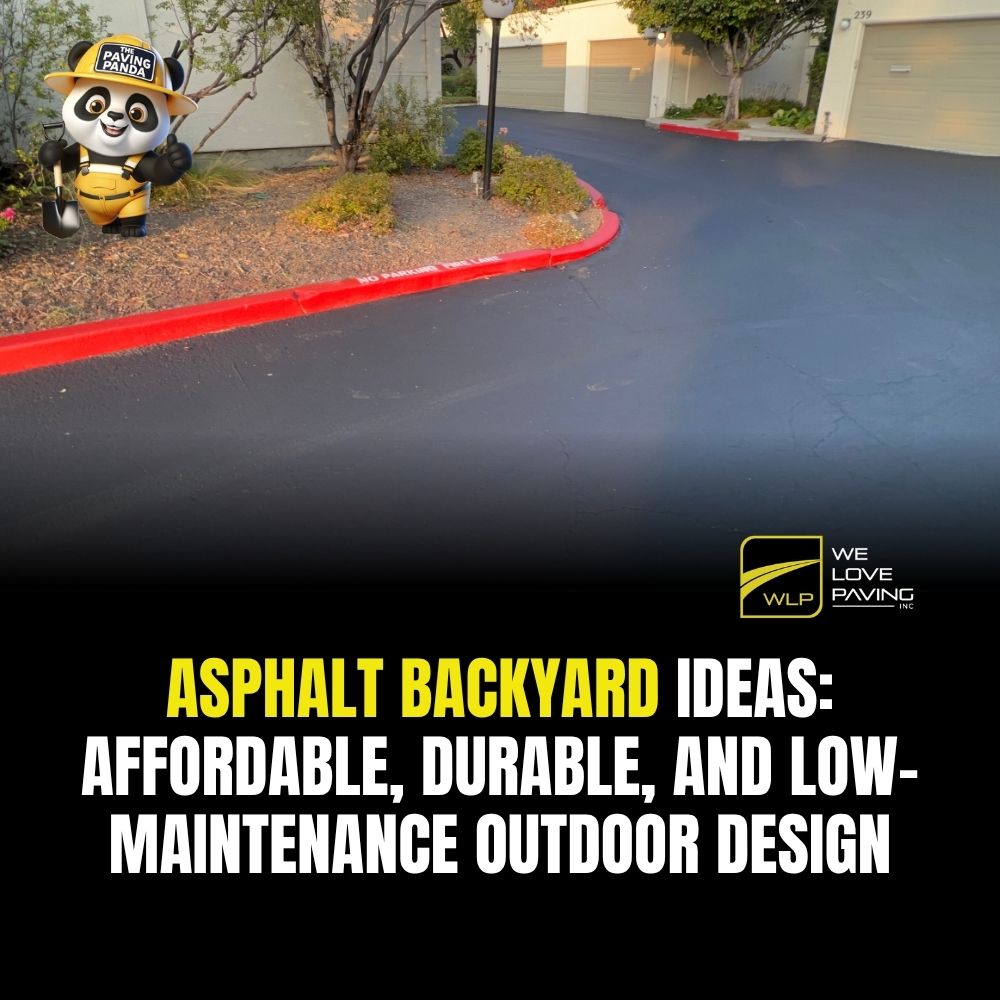
Beyond its primary role as a protective barrier, sealcoating offers a myriad of additional benefits. We explore how sealcoating enhances the aesthetic appeal of asphalt surfaces, restoring their rich black color and smooth texture. Moreover, by filling surface voids and minor cracks, sealcoating improves traction and reduces the risk of slip and fall accidents, enhancing safety for pedestrians and vehicles alike.
Sustainability and Environmental Considerations
In an era of increasing environmental consciousness, sustainability has become a paramount consideration in sealcoating practices. We examine the environmental impact of sealcoating materials, weighing the pros and cons of traditional coal tar-based sealers versus eco-friendly alternatives. Additionally, we explore innovative technologies such as recycled asphalt pavement (RAP) and bio-based sealcoatings, which offer promising solutions for reducing carbon footprint.
Sealcoating Maintenance and Longevity
While sealcoating provides a formidable defense against the ravages of time and weather, regular maintenance is key to preserving its effectiveness. We delve into the importance of periodic inspections and maintenance routines, including crack sealing, pothole repair, and reapplication of sealcoat as needed. By adhering to a proactive maintenance regimen, property owners can maximize the lifespan of their asphalt surfaces and minimize long-term costs.
Debunking Common Myths and Misconceptions
In the realm of sealcoating, myths and misconceptions abound, often clouding the judgment of property owners. We debunk common myths surrounding topics such as the ideal frequency of sealcoating, the necessity of expensive additives, and the supposed dangers of sealcoat fumes. By separating fact from fiction, we empower readers to make informed decisions regarding their sealcoating needs.
Conclusion
In the grand tapestry of asphalt maintenance, sealcoating emerges as a shining beacon of protection and preservation. Through meticulous preparation, expert application, and diligent maintenance, asphalt surfaces can withstand the test of time and weather, serving as durable foundations for countless journeys ahead. As stewards of our built environment, let us embrace the transformative power of sealcoating and pave the way to a brighter, smoother future.