Asphalt sealcoat serves as the protective barrier that shields your pavement from the elements, preventing premature deterioration and extending its lifespan. However, without proper care and maintenance, even the most robust sealcoat can succumb to wear and tear. In this article, we’ll explore effective strategies to make your asphalt sealcoat last longer, ensuring the durability and longevity of your pavement investment.
Return on Investment (ROI) and Pavement Longevity Analysis The decision to apply sealcoat should be based on financial data, not just aesthetics. A proactive maintenance program can extend asphalt life from the traditional 15 years to over 30 years. Without protection, solar oxidation and water infiltration degrade the binder, turning a flexible surface into a brittle one in less than a decade. By sealing every 3 to 5 years, a sacrificial barrier is created that absorbs wear and tear, reducing the total cost of ownership by up to 60% in the long run by avoiding costly total resurfacing.
Comparative Analysis: Impact of Proactive Maintenance on Lifespan
Investing in sealcoating is not an expense, but a capital preservation strategy. The following table breaks down how a professional maintenance cycle drastically alters your pavement’s depreciation curve:
| Maintenance Strategy | Estimated Lifespan | Condition at 10 Years | Total Cost (Life Cycle) |
| No Sealing (Reactive) | 12 – 15 years | Oxidized, severe cracking | High (Total replacement) |
| Sealing every 3-4 years | 25 – 30 years | Jet black, flexible | Low (Preservation) |
This 100% increase in longevity is due to the sealcoat acting as a “sacrificial layer.” By taking the direct wear from traffic and weather, it prevents the original asphalt binder from becoming brittle, maintaining the flexibility needed to withstand heavy loads without fracturing.
Technical Specifications: The Role of Polymers and Performance Additives
Not all sealers are created equal. To achieve maximum durability, the mix must meet specific technical standards (such as ASTM D2939). Today’s high-performance sealers are reinforced with elastomeric polymers that enhance adhesion and resistance to oil and gasoline. Additionally, the inclusion of angular silica sand additives not only improves traction (safety) but also provides “body” to the mix, allowing the final product to withstand mechanical tire abrasion. When selecting a material, it is critical to verify that the emulsion is not excessively diluted with water, maintaining proper solids content to ensure a dry film of optimal thickness.
Proper Preparation
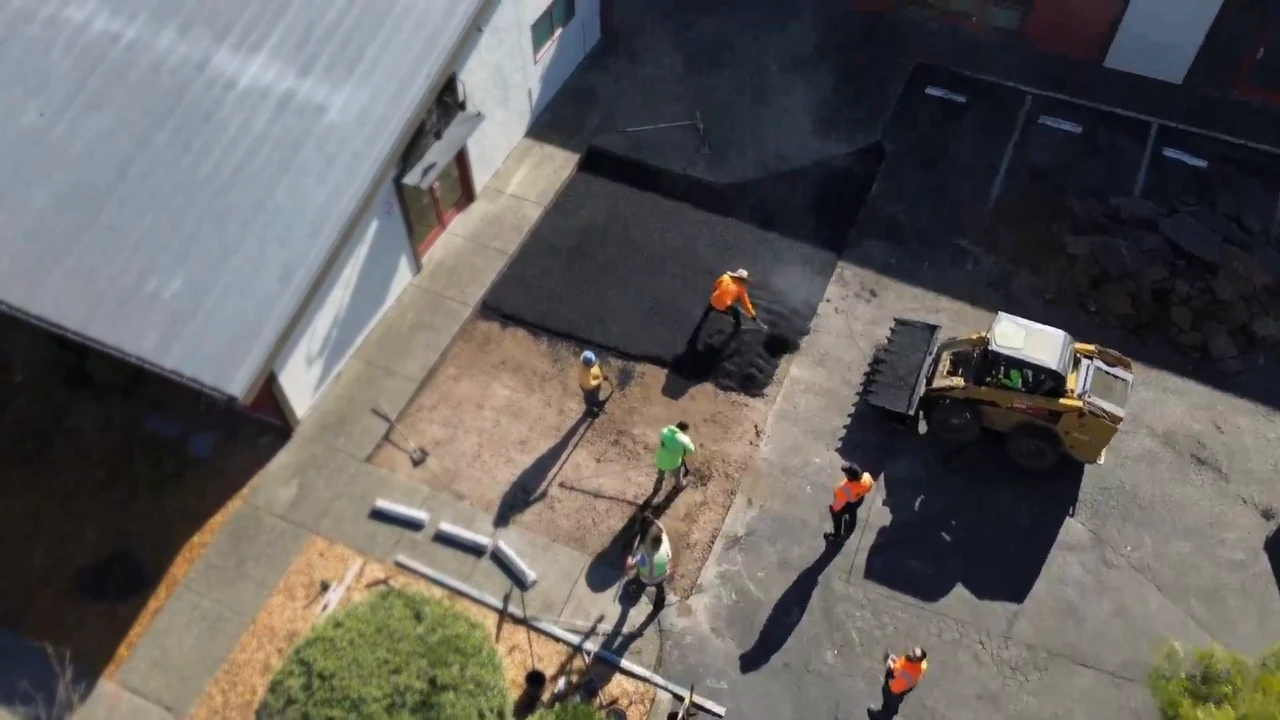
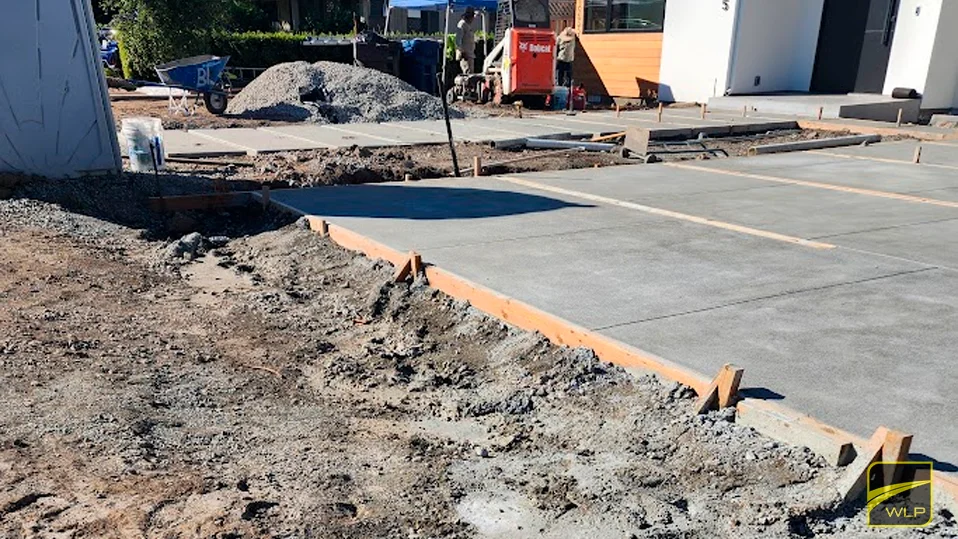
Adequate surface preparation is essential for the effectiveness and longevity of the sealcoat. Before applying the sealant, thoroughly clean the surface to remove dirt, debris, and any existing coatings. Repair any cracks or potholes, ensuring a smooth and even substrate for the sealcoat application. Proper preparation creates a strong bond between the sealant and the pavement, enhancing its durability and longevity.
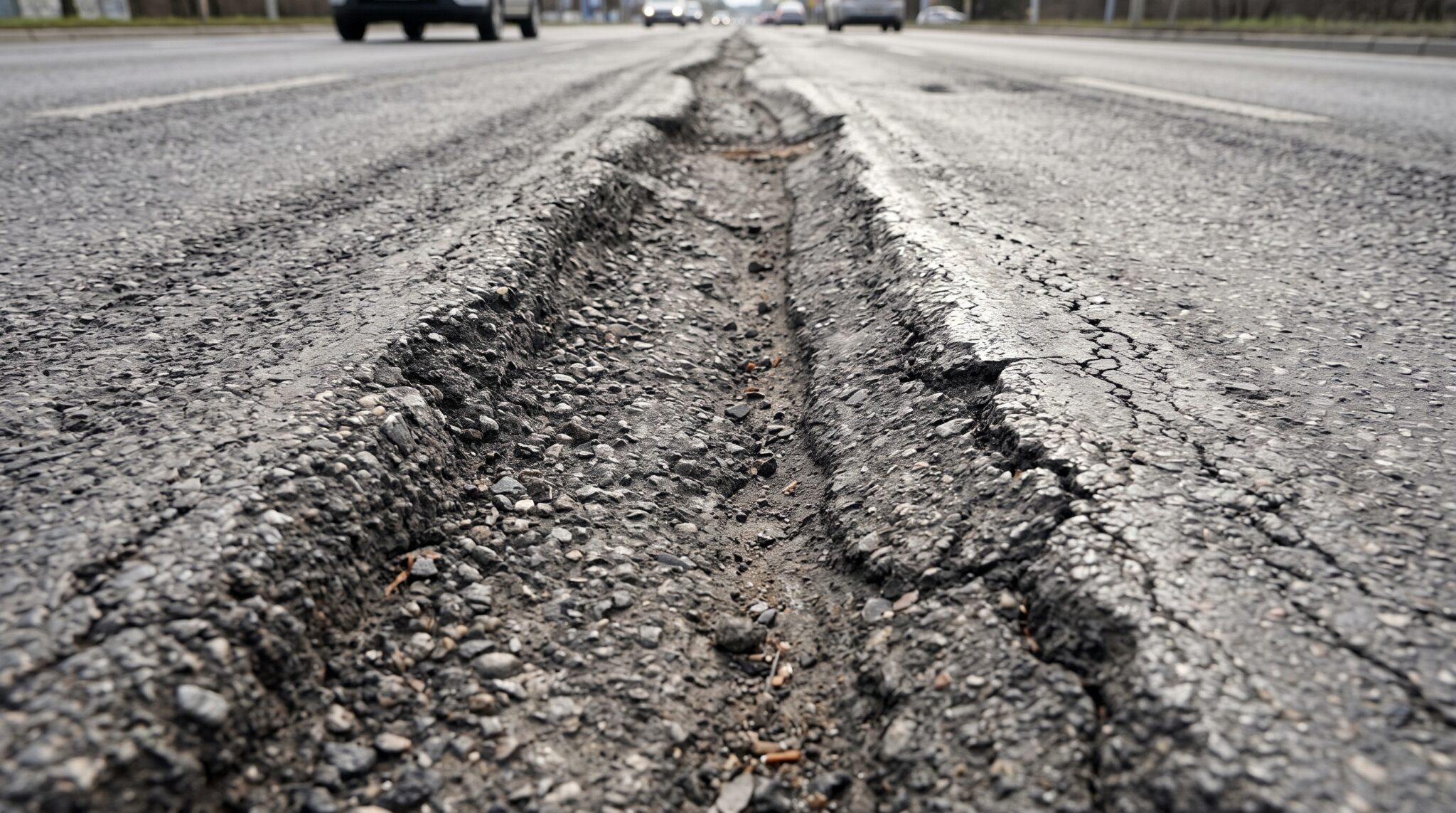
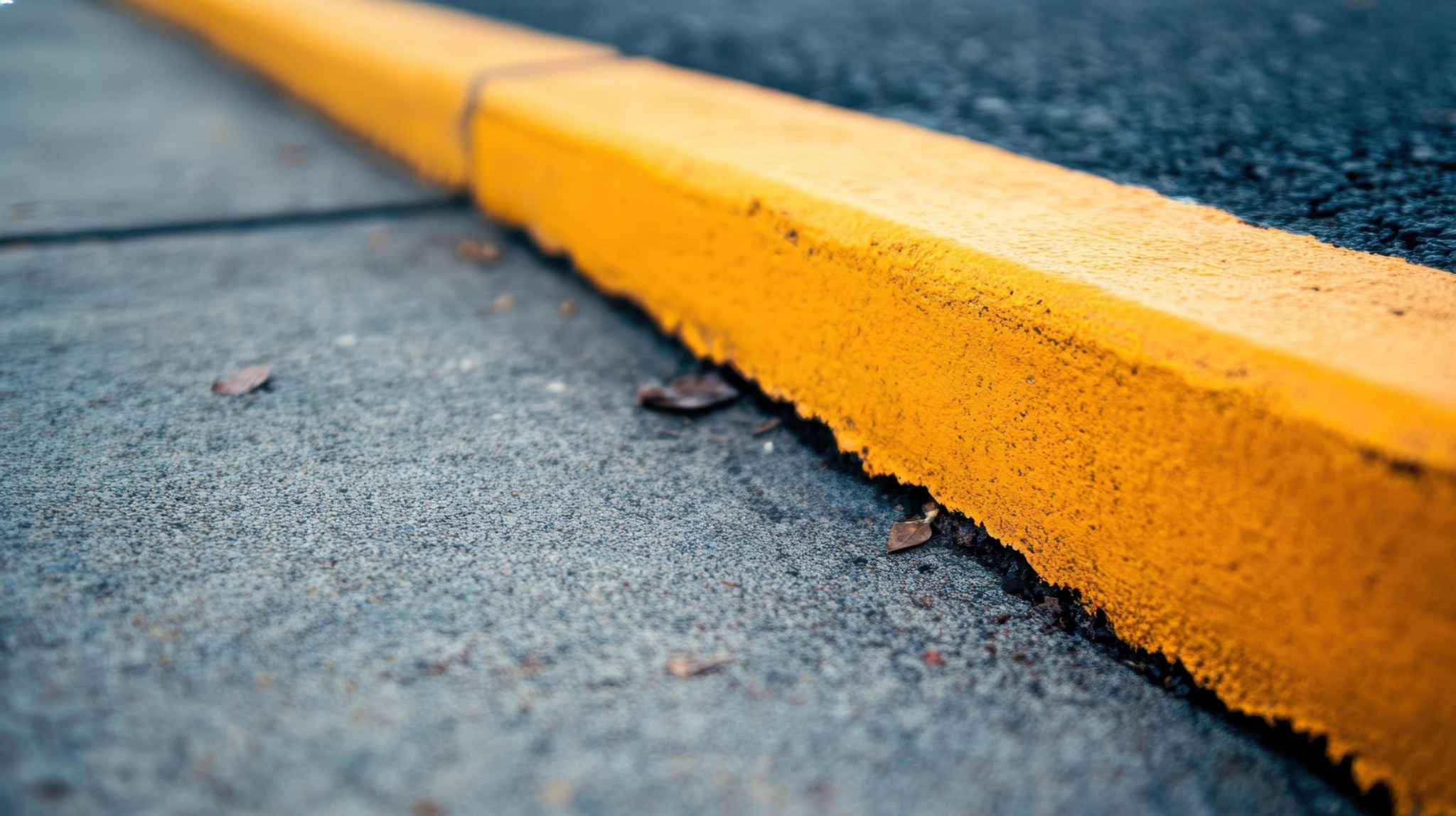
Technical Limits: What Sealcoating CANNOT Fix Technical audit integrity demands honesty regarding material capabilities. Sealcoating is a protective layer only millimeters thick; therefore, it is not a fix for structural failures. It will not repair large-scale cracks, level areas with sinking due to poorly compacted bases, and will not stop “alligator cracking” if the substrate has already failed. Identifying these pathologies before application is crucial: applying sealcoat over failed asphalt is a waste of resources that will result in premature material peeling.
What Sealcoating Cannot Fix: Technical Clarity and Real Expectations
It is essential to understand that asphalt sealcoating is a preventive treatment, not a structural repair. To maximize its lifespan, we must be honest about its limits. Sealcoating will not seal deep cracks (larger than 1/4 inch), level depressions where water ponds, or restore the integrity of a collapsed gravel base. If the asphalt shows “alligator cracking,” sealing is merely a temporary aesthetic fix; the real solution requires deep patching. Acknowledging these limitations before application not only saves operational costs but also ensures the substrate is truly fit to receive the protective layer, preventing premature peeling.
Optimal Application Techniques
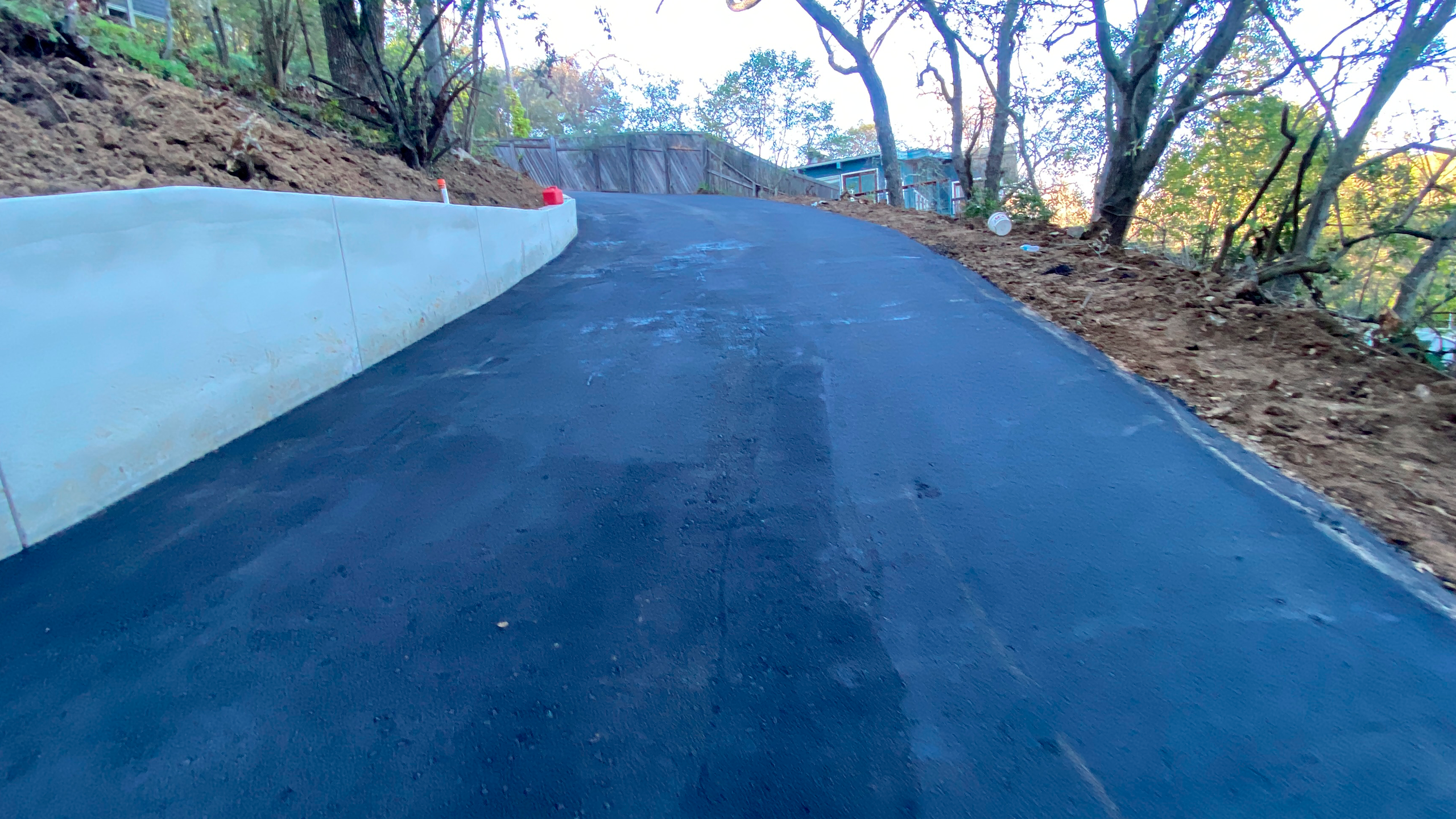
The application process plays a crucial role in determining the lifespan of the asphalt sealcoat. Follow manufacturer guidelines meticulously, ensuring the proper application temperature, thickness, and curing time. Utilize professional equipment and techniques to achieve uniform coverage and avoid uneven application, which can lead to premature wear and degradation.
Regular Maintenance
Regular maintenance is key to preserving the integrity of your asphalt sealcoat over time. Implement a proactive maintenance schedule that includes routine inspections, cleaning, and minor repairs. Promptly address any issues such as cracks, potholes, or surface damage to prevent them from escalating and compromising the effectiveness of the sealcoat.
Protective Measures
Implement additional protective measures to safeguard your asphalt sealcoat against harsh environmental factors and heavy traffic. Install barriers or bollards to prevent vehicular damage and minimize exposure to abrasive materials. Consider applying a surface treatment or topcoat for added protection against UV rays, oil spills, and chemical damage.
Climate Considerations
Climate can significantly impact the lifespan of your asphalt sealcoat. In regions with extreme temperature fluctuations or severe weather conditions, additional precautions may be necessary to prolong its durability. Consult with local experts or contractors to tailor your maintenance approach to the specific climate challenges in your area.
Sealcoat longevity depends directly on the geographical context. In regions with high UV radiation indices, such as the southern U.S., oxidation accelerates polymer brittleness, requiring formulas with reinforced carbon black additives. Conversely, in northern areas prone to freeze-thaw cycles, flexibility is the priority: the sealer must expand and contract without fracturing. Coastal proximity also introduces salinity, which can degrade adhesion if industrial pressure washing is not performed beforehand. Adjusting the mix according to these local climatic variables is what distinguishes a standard application from professional-grade protection.
Professional Expertise
When in doubt, seek professional expertise to ensure the optimal performance and longevity of your asphalt sealcoat. Experienced contractors possess the knowledge, skills, and resources to assess your pavement condition, recommend appropriate maintenance strategies, and execute sealcoat applications with precision and efficiency.
The Critical Curing Factor: Traffic Schedule and Protection
Sealcoat longevity can be compromised within the first 48 hours if curing times are not respected. The process of water evaporation in the emulsion is what allows the asphalt particles to fuse (coalescence). We recommend a minimum of 24 hours for foot traffic and 48 to 72 hours for heavy vehicular traffic, depending on relative humidity. Opening the area prematurely, especially in shaded or high-humidity conditions, can cause permanent tire marks and top-layer peeling. Successful curing is the final critical step in ensuring your maintenance investment hits the 3-to-5-year lifespan mark.
The Future of Your Pavement: From Reactive Management to Preventive Excellence
Maximizing your asphalt’s lifespan is not a matter of luck, but of technical precision and high-specification materials. By implementing a sealcoating strategy based on material science and climatic context, you are not just enhancing your property’s aesthetics; you are protecting a critical structural asset against the inevitable deterioration of time. Remember that the cost of prevention is always a fraction of the cost of reconstruction. By choosing the right timing, materials, and professionals, you ensure that your road infrastructure remains functional, safe, and visually flawless for decades.