The Evolution of Driveway Materials: Why Asphalt Still Leads the Pack

Driveway materials have evolved significantly over the years, adapting to changing needs, aesthetics, and technologies. From simple dirt paths to sophisticated, durable surfaces, homeowners and businesses today have a variety of options to choose from. However, despite the competition, asphalt remains the leading choice for driveways across the globe. This article explores the evolution of driveway materials, comparing options, and explaining why asphalt continues to dominate.


driveway material and his history

Initially, driveways were merely compacted dirt paths, used primarily to create a designated route for carriages and later, automobiles. Over time, materials like gravel became popular for their affordability and ease of installation. However, as cars became more common and durable roads were in demand, alternatives like concrete and asphalt entered the scene.

Gravel was a favorite for rural areas, but urban driveways required smoother and more robust surfaces. By the mid-20th century, asphalt became the material of choice, known for its combination of durability, affordability, and ease of repair.


Comparing Modern Driveway Materials

  1. Gravel Driveways: Gravel is still a budget-friendly option and works well in rural or secondary driveways. However, its high maintenance needs and lack of smoothness make it less ideal for modern homes and businesses.

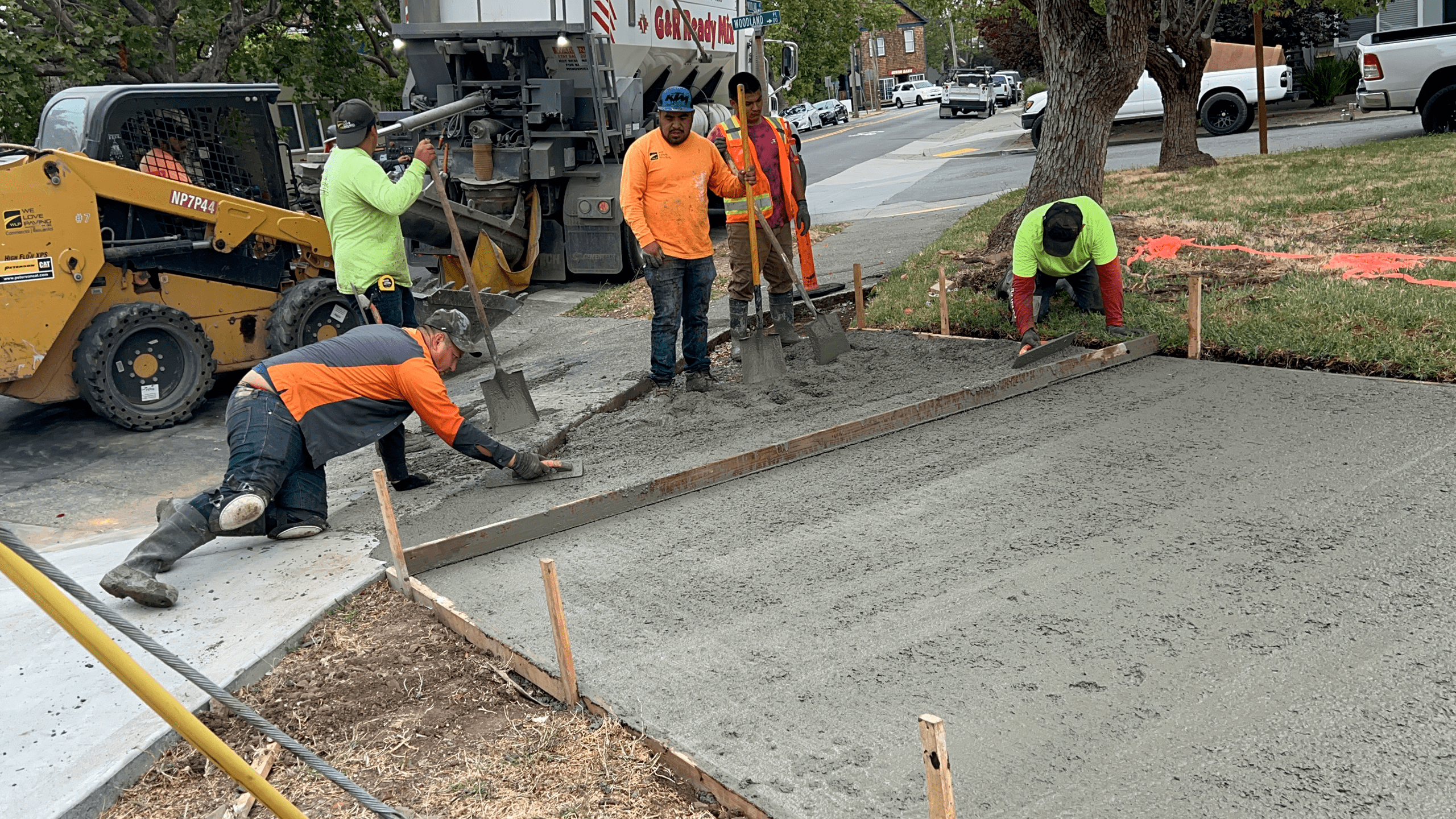
  2. Concrete Driveways: Concrete offers a sleek and durable surface, lasting decades if properly maintained. It is resistant to heavy loads and provides a clean, modern appearance. However, the cost of installation and its tendency to crack in extreme temperatures make it less appealing than asphalt in some regions.

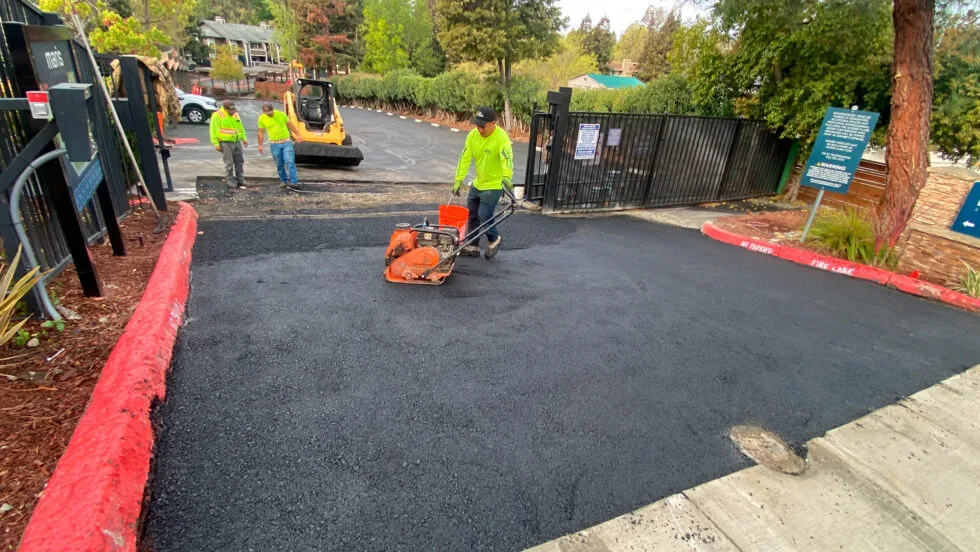
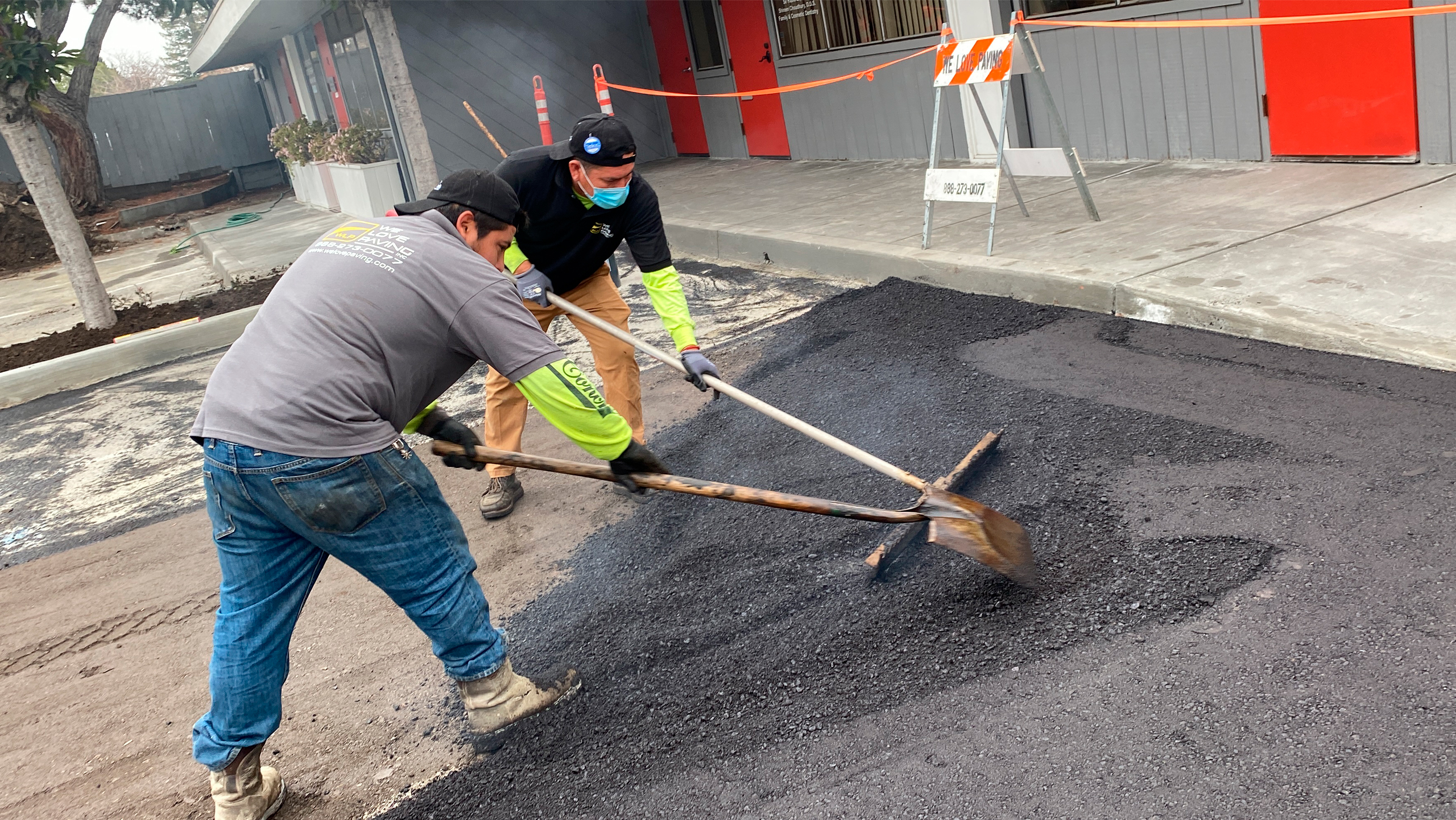
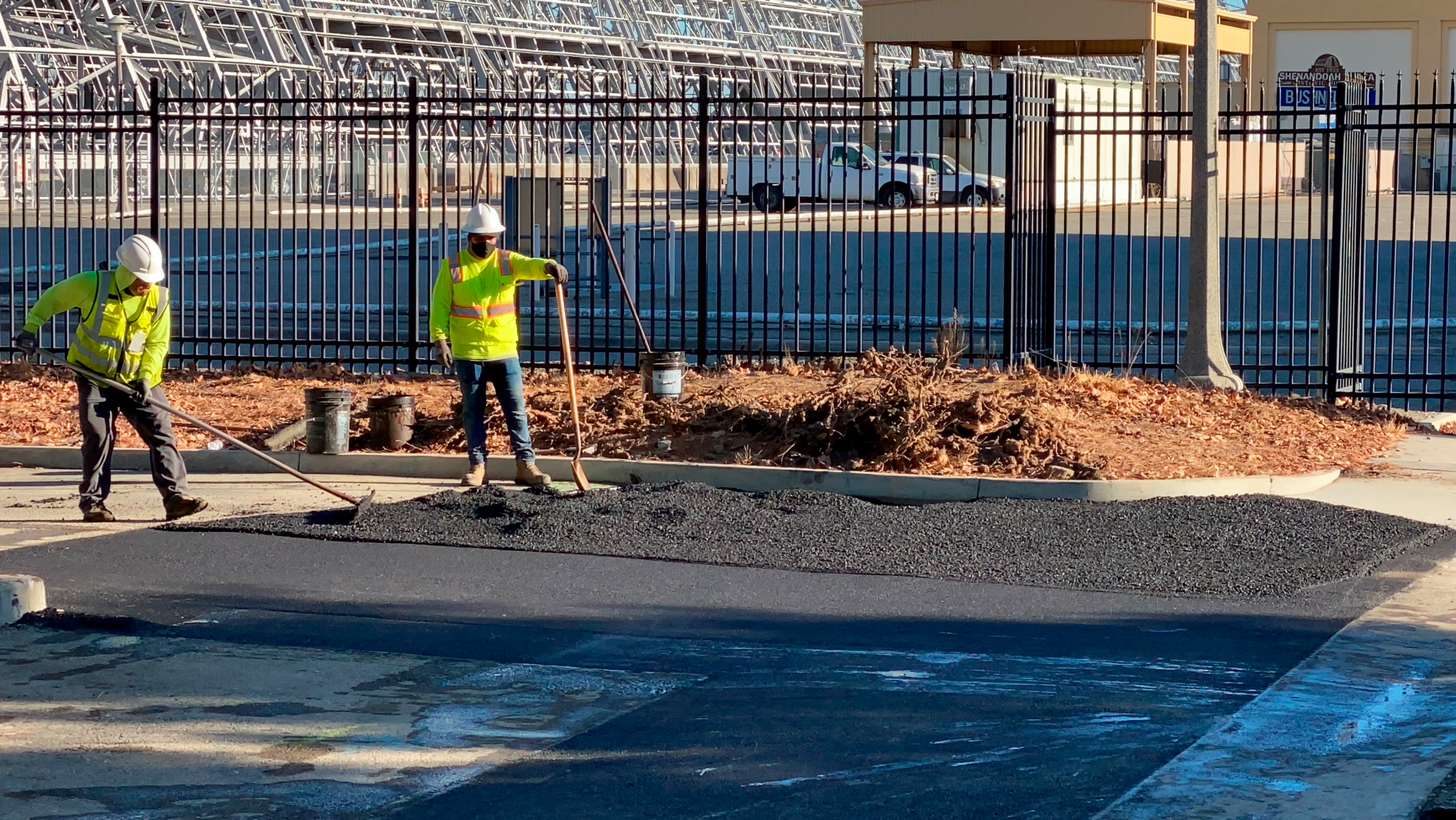
  3. Asphalt Driveways: Asphalt strikes a perfect balance between cost and performance. It’s smooth, durable, and cost-effective compared to concrete. Additionally, asphalt is highly flexible, making it less prone to cracking in areas with fluctuating temperatures.

  4. Brick and Paver Driveways: For those focused on aesthetics, brick and pavers offer a decorative look. While visually appealing, these materials are often more expensive and labor-intensive to maintain than asphalt or concrete.

  5. Permeable Driveways: Newer environmentally friendly options like permeable pavers are gaining attention. These materials allow water to seep through, reducing runoff and helping recharge groundwater. However, they are costlier and require specialized installation.


Why Asphalt Still Leads the Pack

1. Affordability

Among driveway materials, asphalt is one of the most cost-effective choices. Its installation costs are significantly lower than concrete or decorative pavers, making it accessible for most budgets.

2. Durability and Longevity

Asphalt driveways can last 15–20 years with proper maintenance. Unlike gravel, which shifts over time, or concrete, which is prone to cracking, asphalt offers a robust surface that can withstand daily wear and tear.

3. Quick Installation

One of the biggest advantages of asphalt is how quickly it can be installed. Driveway materials like concrete require longer curing times, whereas asphalt can often be ready for use within 24–48 hours after installation.

4. Maintenance and Repair

Driveways made from asphalt are easy to maintain. Small cracks can be sealed before they expand, and periodic seal coating extends the life of the surface. Compared to other driveway materials, asphalt is more forgiving and cost-efficient when it comes to repairs.

5. Aesthetic Appeal

The rich, dark color of asphalt driveways complements almost any property style. While concrete can stain and discolor over time, asphalt retains its sleek appearance with proper care.

6. Environmental Advantages

Modern asphalt often incorporates recycled materials, making it more environmentally friendly than other options. Additionally, its ability to absorb heat can help reduce snow and ice buildup in colder climates.


Emerging Trends in Driveway Materials

While asphalt remains a top choice, innovations in driveway materials are emerging. These include sustainable options like rubberized asphalt and solar-integrated surfaces. However, even with these advancements, asphalt continues to lead the market due to its proven reliability and value.


Conclusion

As driveway materials have evolved, asphalt has consistently proven itself as the best option for homeowners and businesses alike. Its balance of cost, durability, and ease of maintenance makes it an unbeatable choice. While alternatives like concrete and permeable pavers have their merits, asphalt driveways remain the industry standard for a reason.

If you’re considering upgrading or installing a driveway, We Love Paving is here to help. Contact us today for expert advice and professional asphalt services tailored to your needs!

Share

WHO IS FRED?

Fred, Regional Operations Manager, comes from a family of immigrant roots and a story built on sacrifice, discipline, and hard work. Growing up, Fred watched his parents work long hours and weekends to create a better future teaching him the values of perseverance, determination, and doing things the right way every single time.
We Love Paving began with Fred’s father, who started doing what he knew best: paving. Over the years, he built experience alongside respected professionals in the industry, refining his methods and developing a reputation for quality work that speaks for itself. As his clientele grew, so did the vision one built not only on skill, but on integrity and pride in every job.

Posts that might interest you

How Close to My Property Line Can I Pour Concrete?

How Close to My Property Line Can I Pour Concrete?

June 28, 2024

Pouring concrete close to your property line is a common issue for homeowners looking to enhance their outdoor spaces. Whether it’s for a driveway, patio, or walkway, understanding the legal and practical considerations is crucial to avoid disputes with neighbors and comply with local regulations. This guide explores the key factors influencing how close you

How to Fix a Crumbling Concrete Driveway: The Ultimate Repair Guide

How to Fix a Crumbling Concrete Driveway: The Ultimate Repair Guide

June 27, 2024

When a concrete driveway starts to crumble, it’s more than a cosmetic issue—it’s a warning sign that the surface is losing its structural integrity. Left untreated, it can lead to major damage, higher repair costs, and safety hazards. Whether you’re a homeowner or manage a commercial property, this guide will show you how to restore

Do You Need a Permit to Replace a Driveway? A Comprehensive Guide

Do You Need a Permit to Replace a Driveway? A Comprehensive Guide

June 25, 2024

Replacing a driveway is a significant home improvement project that can enhance curb appeal, increase property value, and improve functionality. However, before you start tearing up your old driveway and pouring new concrete or laying pavers, it’s crucial to understand the legal and regulatory requirements involved. One of the most common questions homeowners have is

Steps Involved in Asphalt Paving

Steps Involved in Asphalt Paving

June 25, 2024

Asphalt paving is a necessary part of the construction industry. It’s a versatile material used to build roads, parking lots, and driveways. Understanding the steps involved in asphalt paving will help you choose the right pavement for your needs. Asphalt is an extremely durable material that withstands traffic and the elements. It is also environmentally

The Cost of Asphalt Cutting Per Linear Foot: What to Expect

The Cost of Asphalt Cutting Per Linear Foot: What to Expect

June 24, 2024

When it comes to construction and repair projects, asphalt cutting is often a necessary task, whether for roadworks, driveways, or other paved surfaces. Understanding the cost involved in asphalt cutting per linear foot can help you budget more accurately for your project. This article will break down the factors affecting these costs and provide a

The Best Base for an Asphalt Driveway: A Comprehensive Guide

The Best Base for an Asphalt Driveway: A Comprehensive Guide

June 24, 2024

What Do You Lay Under Asphalt?

What Do You Lay Under Asphalt?

June 24, 2024

The Process of Asphalt Paving

The Process of Asphalt Paving

June 19, 2024

Asphalt Paving is a complex process that involves numerous stages. A good paving contractor will be willing to walk you through their work processes and answer any questions. Inquire about an asphalt paving contractor’s license, worker’s compensation, and liability insurance. Ask them to provide references and project examples. Also, ask about their education and training.

Understanding the Concrete Business: A Comprehensive Overview

Understanding the Concrete Business: A Comprehensive Overview

June 18, 2024

The term “concrete business” encompasses a wide range of activities within the construction industry. From the production and delivery of ready-mixed concrete to the construction of roads, buildings, and other infrastructure projects, businesses involved in concrete play a crucial role in shaping the built environment. This article delves into the definition of a concrete business,

How Much Does it Cost to Pave One Mile of Road in California?

How Much Does it Cost to Pave One Mile of Road in California?

June 17, 2024

Paving a mile of road in California is a complex process influenced by various factors, including materials, labor, equipment, environmental regulations, and the geographical characteristics of the area. Understanding the costs involved requires breaking down these factors and examining them in detail. This blog delves into the intricacies of road paving in California, providing a

Previous Next