Asphalt paving is a necessary part of the construction industry. It’s a versatile material used to build roads, parking lots, and driveways. Understanding the steps involved in asphalt paving will help you choose the right pavement for your needs.
Asphalt is an extremely durable material that withstands traffic and the elements. It is also environmentally friendly.
Asphalt is a versatile material
Asphalt is an incredibly versatile material that can be used for a variety of projects. This includes roads, driveways and parking lots, as well as airport runways, taxiways and bicycle paths. Compared to concrete, asphalt has superior wear resistance and can withstand heavy vehicle traffic. It also has the ability to absorb vibrations and reduce noise pollution, resulting in quieter roadways. This is a huge benefit for urban areas and residential communities.
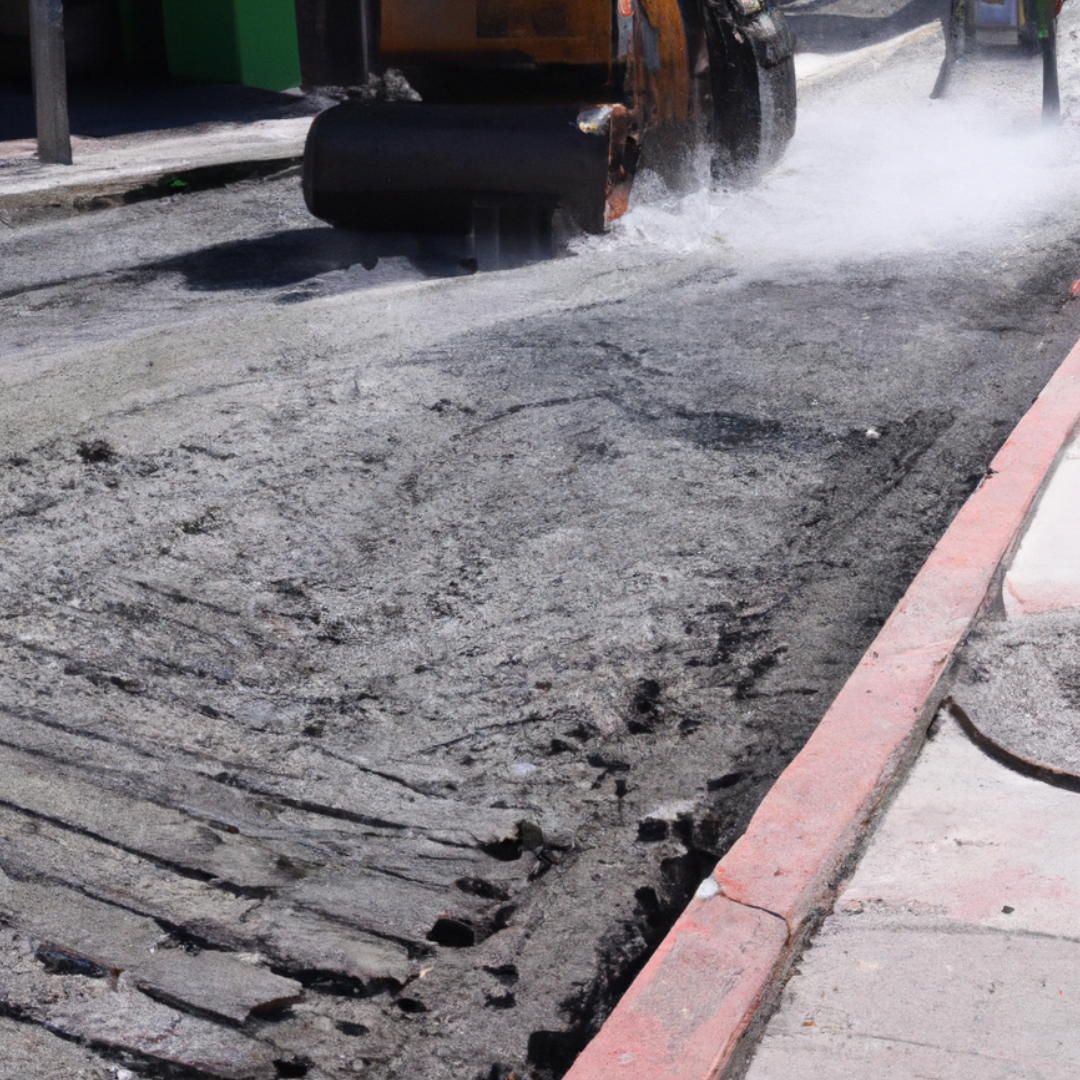
The process of making asphalt involves mixing aggregates, binders and fillers. The binders are usually bitumen, but it is possible to use other ingredients as well. Fillers are usually sand, gravel or crushed stone. The aggregate is heated and mixed in a large mixer to ensure that it is properly blended with the binder. The mixture is then rolled and compacted to the desired thickness. The process is usually supervised by a certified quality control inspector to ensure that the mixture meets specific requirements.
The internal structure of asphalt is unknown, but it can be described as a micelle system with weak bonds and a polar resin coating. The molar mass and the polarity of the components determine the mobility of asphaltene micelles. The more polar the resins and aromatics are, the more the micelles can move around. The distances between the micelles are also important, and this determines the fluidity of asphalt. Plasticity is the ability of asphalt to deform without breaking. It is measured by a technique called “test elongation.” The higher the ductility, the better the asphalt.
It is durable
Asphalt paving is a popular choice for roads, driveways, and parking lots because of its durability and cost-effectiveness. It is also environmentally friendly. Its composition can be engineered to reduce sound vibrations, making it a popular choice for cities and residential areas that value a quieter environment. It is also easy to maintain, and requires fewer repairs than other paving materials.
Whether you’re constructing a large highway or a small residential driveway, asphalt is an ideal material for your next project. Its durable structure can withstand heavy traffic and harsh weather conditions, while it is relatively inexpensive to install. However, it’s important to use the right mixture for your specific needs. Different applications require a different mix, which can affect its durability and performance.
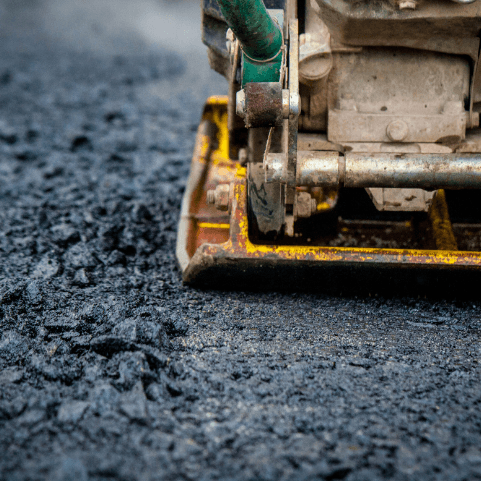
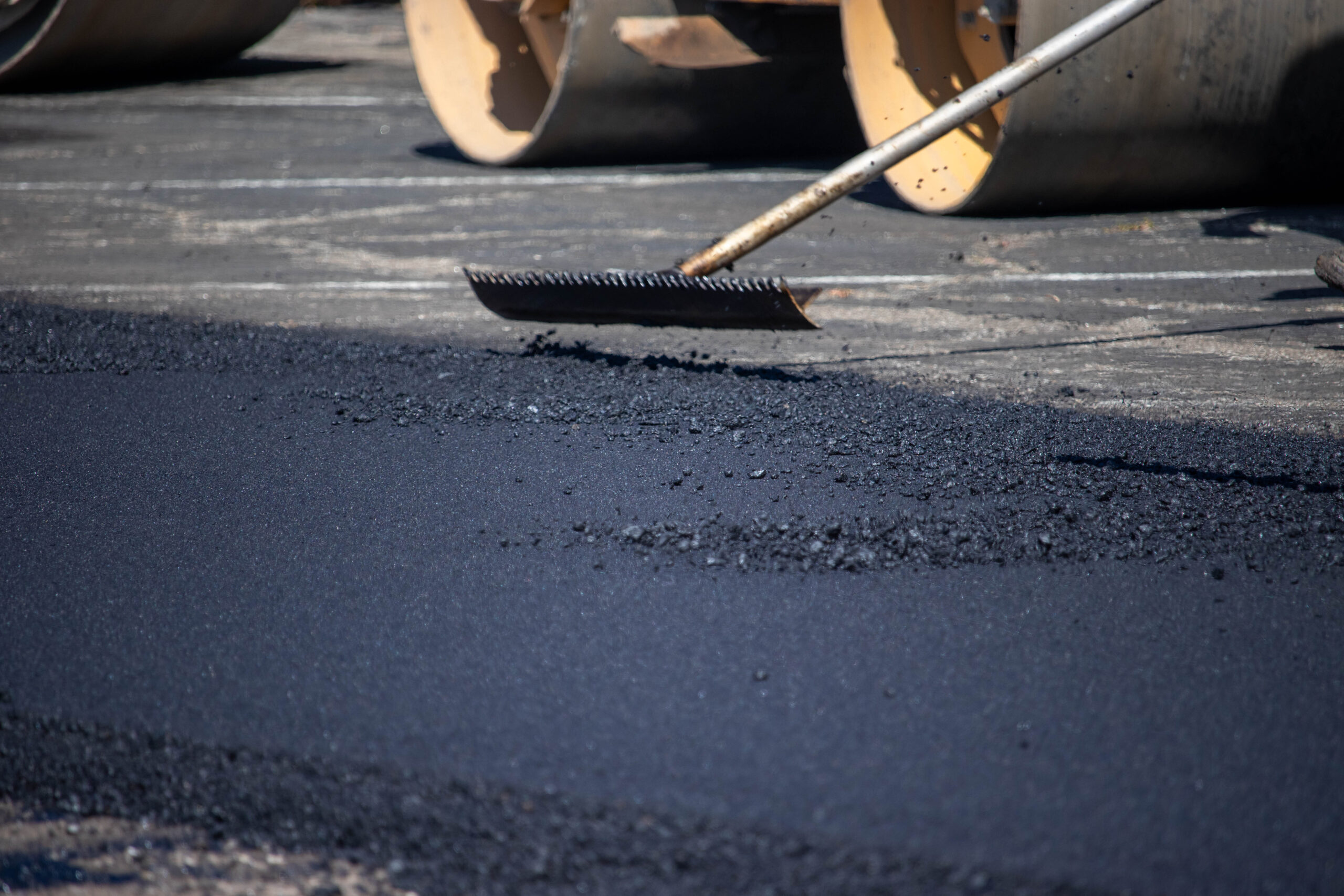
A good asphalt mix is composed of bitumen and aggregates. The bitumen, which is derived from crude oil, serves as a glue that holds the aggregates together. The aggregates are usually a combination of sand, gravel, and crushed stone. The mixture is then heated, mixed, and poured onto the road surface. The layer is then rolled and compacted, which helps it become dense.
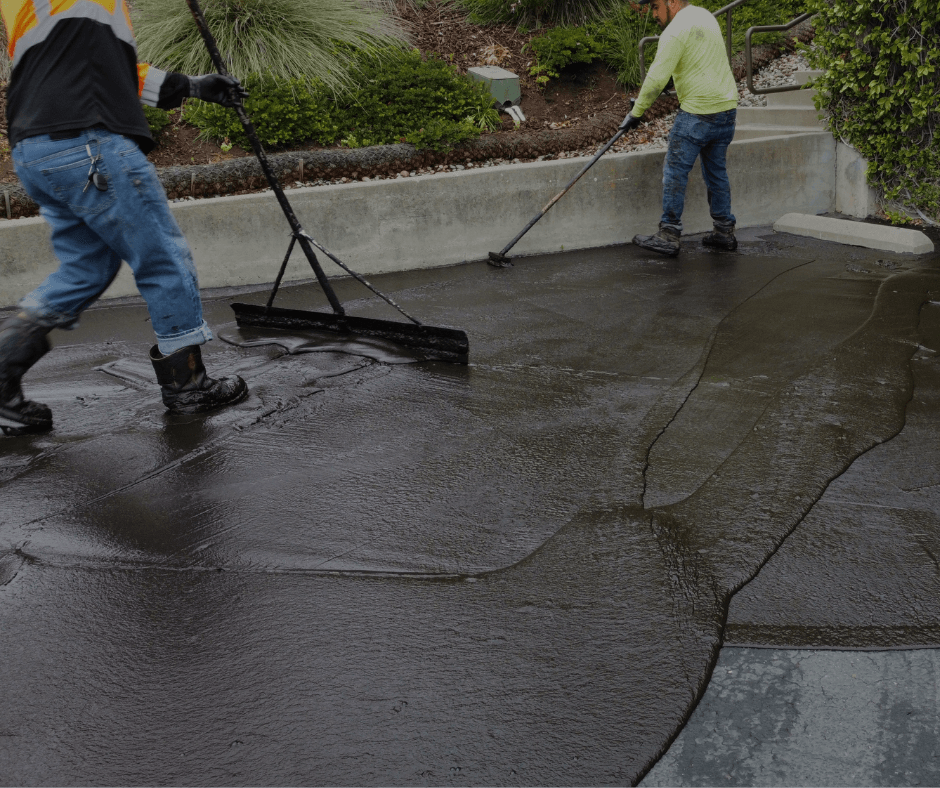
Another factor in asphalt’s durability is its ability to resist oxidation. Oxidation is caused by excessive sun exposure, which can weaken the material over time. To counter this, it is recommended to do regular maintenance and seal coat your asphalt surfaces.
It is easy to maintain
Asphalt is one of the easiest types of pavement to maintain, especially when properly taken care of. Having a good maintenance plan is critical to keep your property in its best shape, prevent costly repairs, and extend its lifespan. Here are a few tips to help you.
To keep your asphalt looking new, you’ll need to clear away surface debris and keep water from pooling. Regularly wash the surface with an asphalt-safe cleaner to remove oil, chemicals and other stains. You’ll also want to avoid salt and other chemical de-icing agents, which are corrosive to asphalt.
It’s a good idea to let the new asphalt cure for a couple of days before parking any heavy vehicles on it. If you don’t allow the pavement to cool, it will leave an impression from your vehicle tires and can damage the surface.
Ensure that your asphalt has a proper drainage system to prevent standing water on the surface. This can weaken the asphalt, causing cracking and other damages. It’s also important to repair any small cracks in the asphalt before they get bigger. Otherwise, they’ll turn into potholes and create tripping hazards for your family and guests.
During the off-season, routine preventative paver maintenance is essential to a smooth, efficient operation. It’s a great time to inspect the plate thickness, run a slide track test, and check for debris and heat elements.
It is environmentally friendly
Asphalt pavements are an essential part of our transportation infrastructure, but they also contribute to a variety of environmental issues. To reduce this impact, the asphalt industry is working to develop new materials and techniques that prioritize environmental responsibility while delivering high-quality pavement surfaces.
Asphalt is made of aggregates, which are rocks, sand, and slag. It is also bound together with bitumen, a dark viscous substance that comes from petroleum byproducts. As a result, asphalt pavement is 100% recyclable and can be used as a base material for other types of construction. Asphalt also does not leach into water supplies, unlike other materials that can contaminate our drinking water and cause health problems.
As the demand for eco-conscious asphalt solutions increases, many paving companies are adopting sustainable practices to minimize the environmental footprint of their work and help make our world a better place. This includes utilizing recycled materials, implementing low-temperature asphalt mixes, and using porous asphalt designs that allow water and other liquids to flow freely through the pavement.
In addition, asphalt is a great choice for green construction because it uses less energy during the production process than concrete and emits fewer greenhouse gases during installation. Furthermore, asphalt’s durability reduces the need for maintenance and replacement, further minimizing environmental impacts. Additionally, the smooth surface of asphalt reduces traffic noise, leading to quieter neighborhoods and less pollution.