Asphalt vs. Paving: Which Is Cheaper? A Comprehensive Comparison

We Love Paving services in San Jose. Professional paving contractor serving San Jose and Silicon Valley areas.
Estimation Tools

Calculate costs in seconds

Fast, accurate estimates that help you close more jobs. Less guesswork, more profit.

Are you considering paving a driveway or parking lot and wondering which option is more cost-effective: asphalt or concrete paving? It’s a common question among homeowners and property managers looking to balance budget considerations with quality and durability. In this guide, we’ll explore the factors that influence the cost of asphalt and concrete paving, empowering you to make an informed decision for your project.

Understanding the Cost Factors

Before comparing the cost of asphalt and concrete paving, it’s essential to understand the factors that influence pricing for both options. These factors include materials, labor, equipment, site preparation, and project size. Additionally, local market conditions, contractor rates, and accessibility can impact the overall cost of a paving project.

Cost of Asphalt Paving

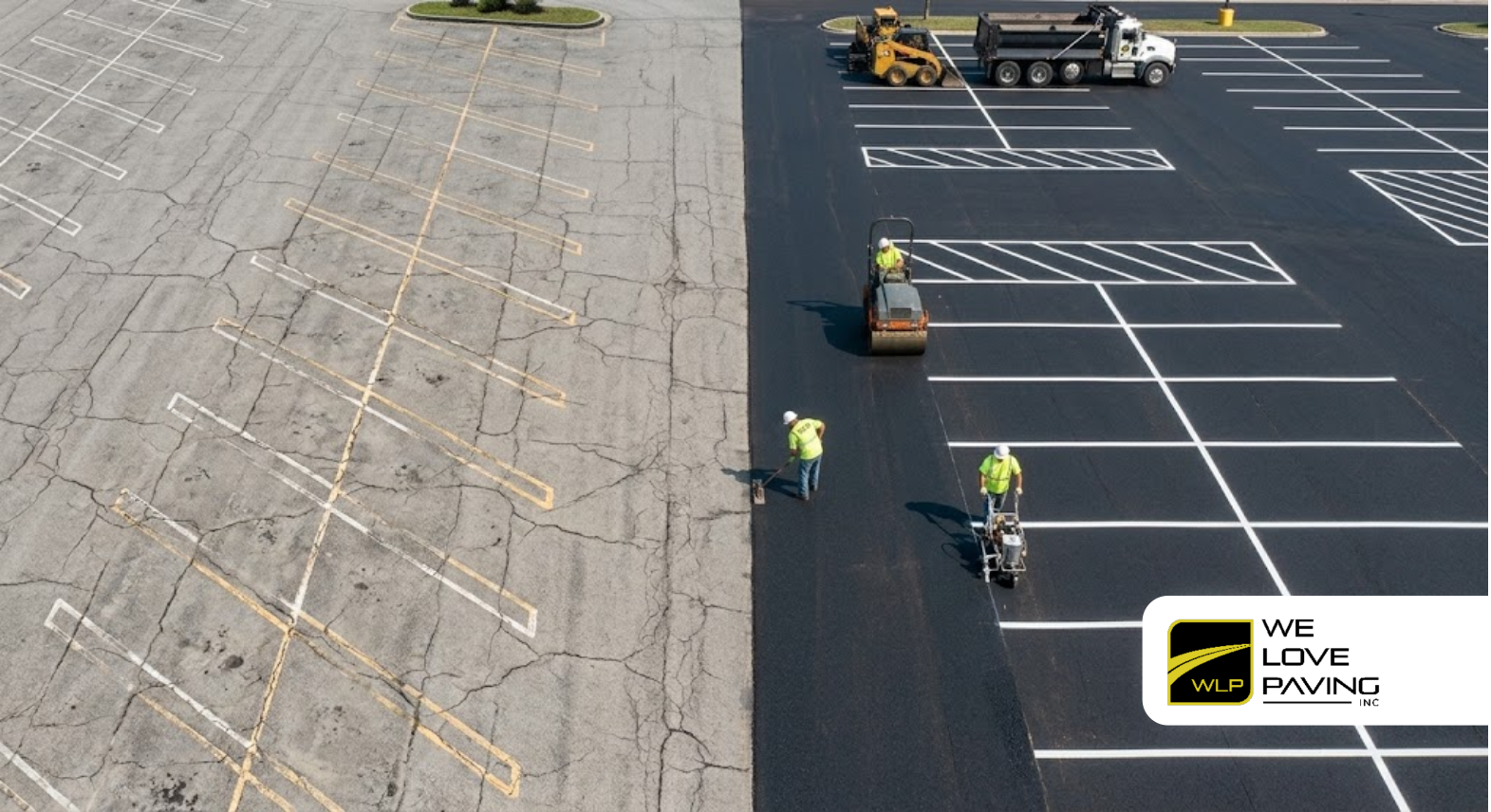
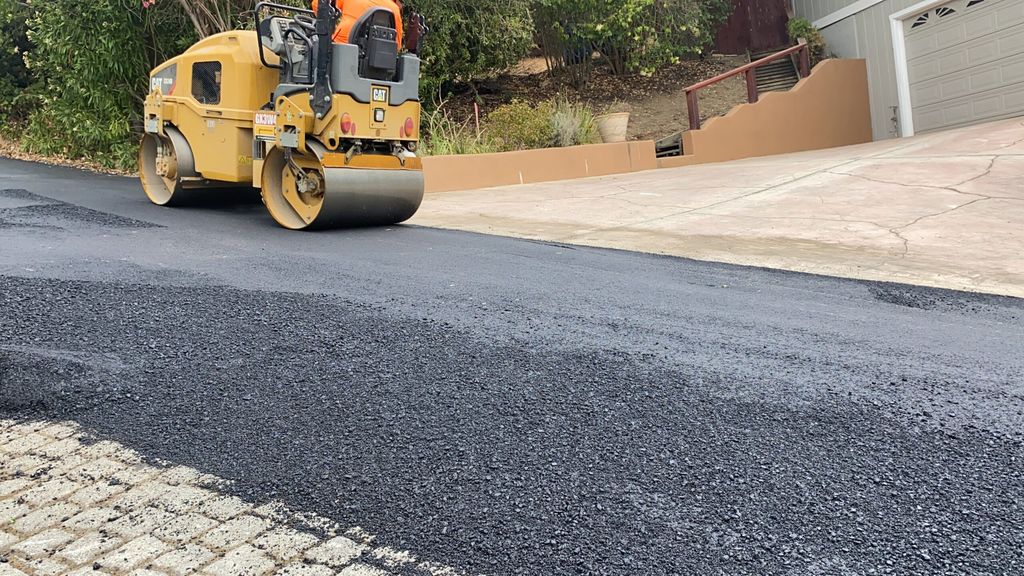
Asphalt paving is generally more affordable than concrete paving, primarily due to the lower cost of materials and faster installation process. Asphalt is a petroleum-based product that is readily available and less expensive than concrete. Additionally, asphalt paving requires less labor and equipment, resulting in lower installation costs. However, it’s important to consider ongoing maintenance and repair costs, as asphalt surfaces may require more frequent maintenance and repairs compared to concrete.

Cost of Concrete Paving

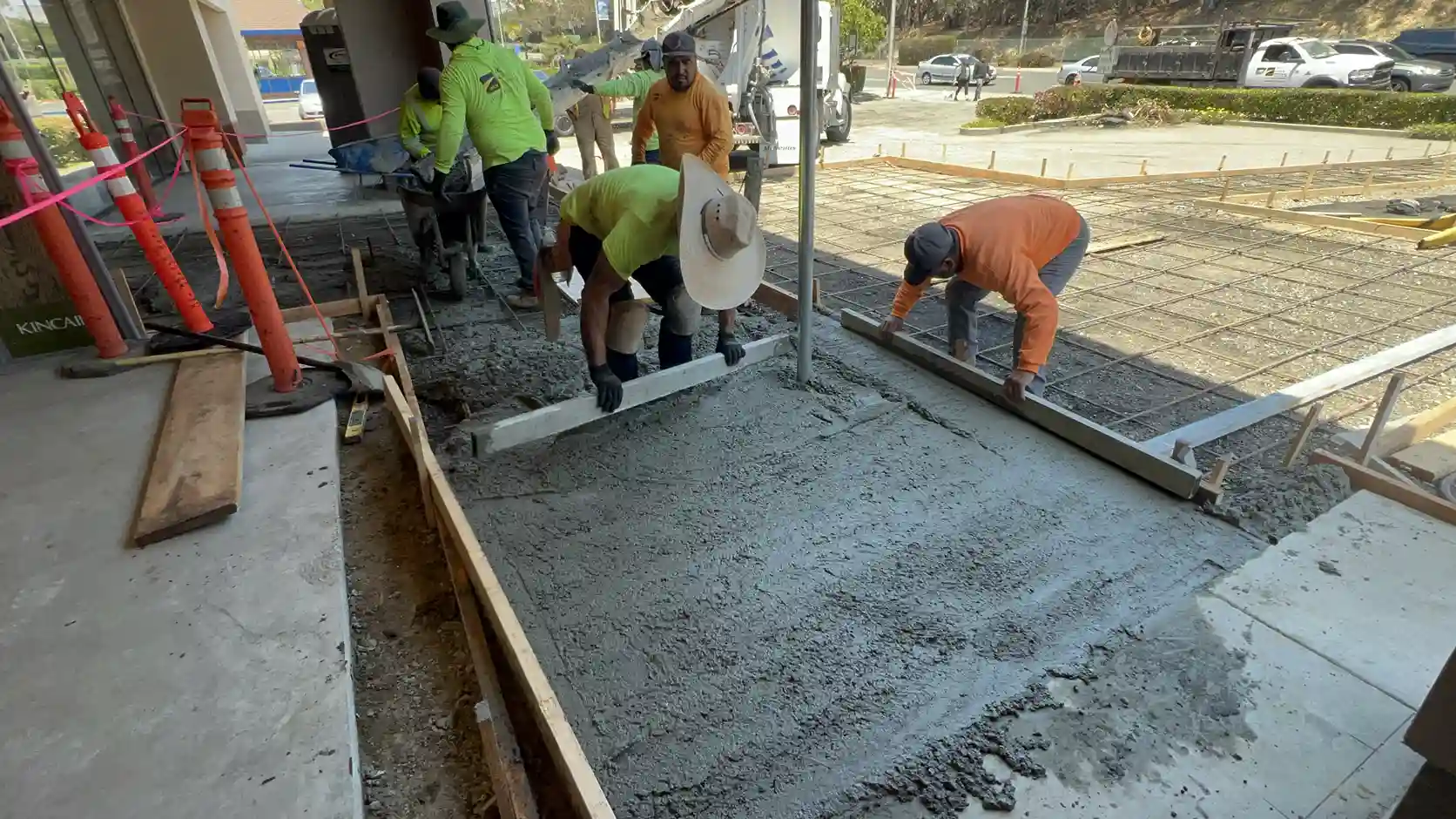
While concrete paving may have a higher initial cost than asphalt, it offers several long-term benefits that can justify the investment. Concrete is a durable and low-maintenance material that can withstand heavy traffic, extreme weather conditions, and prolonged exposure to sunlight. Additionally, concrete surfaces have a longer lifespan than asphalt, reducing the need for frequent repairs and replacement. While concrete paving may require a higher upfront investment, it can result in cost savings over the lifespan of the driveway or parking lot.

Comparing Installation Costs

When comparing installation costs for asphalt and concrete paving, it’s essential to consider both material and labor expenses. Asphalt paving typically costs less per square foot than concrete, making it an attractive option for budget-conscious homeowners and property managers. Additionally, asphalt paving projects can be completed more quickly than concrete, minimizing disruptions to your property and reducing labor costs. However, it’s important to weigh these upfront savings against the long-term maintenance and repair costs associated with asphalt surfaces.

Considering Long-Term Maintenance

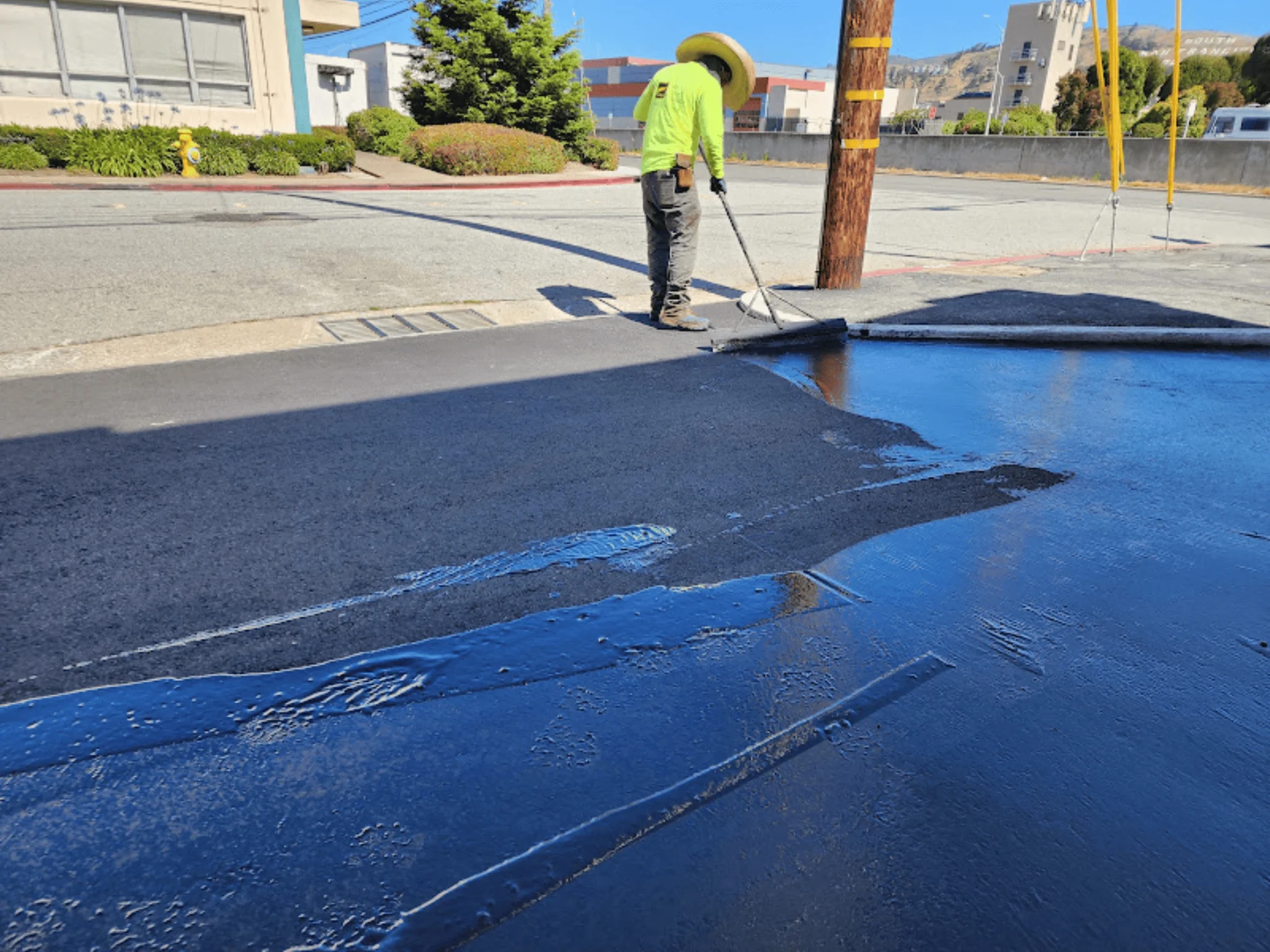
Another factor to consider when comparing the cost of asphalt and concrete paving is long-term maintenance expenses. While asphalt paving may have lower upfront costs, it typically requires more frequent maintenance and repairs to maintain its appearance and structural integrity. Common maintenance tasks for asphalt surfaces include sealing cracks, filling potholes, and applying sealant or protective coatings. Concrete paving, on the other hand, requires less maintenance and is less susceptible to damage from heavy traffic, sunlight, and weather conditions.

Empowering Customers to Make Informed Decisions

Ultimately, the decision between asphalt and concrete paving should be based on a combination of factors, including budget, aesthetic preferences, durability, and long-term maintenance considerations. By understanding the cost factors associated with both options and consulting with reputable paving contractors, you can make an informed decision that meets your needs and budget requirements.

In conclusion

while asphalt paving may be cheaper than concrete upfront, it’s essential to consider the long-term costs and benefits of each option. By weighing factors such as material costs, labor expenses, installation time, and maintenance requirements, you can choose the paving solution that offers the best value and performance for your project. Whether you opt for asphalt or concrete paving, investing in a quality installation by a reputable contractor will ensure a durable and attractive surface that enhances the value and functionality of your property.

Need Immediate Help?

Let's Talk About Your Project

Don't wait until minor damage turns into major expenses. Our team of experts is ready to provide you with guaranteed solutions. Contact us now for direct advice from a professional.

Frequently Asked Questions (FAQ)

Got Questions? Find Your Answers Here!!

Is asphalt or concrete cheaper for driveway paving?

Asphalt paving is significantly cheaper than concrete, typically costing 30% to 40% less per square foot initially. This price advantage stems from lower raw material costs as a petroleum-based product and a faster installation process that requires less specialized labor and heavy machinery compared to concrete.

How do long-term maintenance costs differ between materials?

Asphalt requires frequent maintenance every 3 to 5 years, including crack sealing and protective sealcoating to prevent potholes. Conversely, concrete is a low-maintenance material that better withstands heavy traffic and UV exposure, eliminating the need for periodic structural fillers or surface reapplications despite its higher initial investment.

Why is asphalt installation faster than concrete paving?

Asphalt installation is faster because the material hardens through cooling, allowing vehicle traffic within 24 hours. Concrete requires a complex chemical curing process that takes up to 7 days to reach full strength, which significantly increases logistical downtime and labor expenses for the property manager or homeowner.

Which paving material offers the best long-term ROI?

While asphalt is budget-friendly upfront, concrete offers superior long-term value due to a 30 to 50-year lifespan. Asphalt surfaces usually last only 15 to 20 years, meaning the initial savings are often offset by the cumulative costs of required maintenance, repairs, and the need for earlier replacement.

How do San Jose weather conditions impact paving costs?

In San Jose’s climate, extreme heat can soften asphalt, leading to rutting or deformations without specific thermal sealants. Concrete remains structurally stable during Silicon Valley's temperature fluctuations, reducing repair costs associated with climate-induced surface damage, though it may be more susceptible to cracking if the soil shifts significantly.

Professional customer review project by We Love Paving in Northern California, California. Verified local construction quality.

Fred / Founder

Fred, Founder and Regional Operations Manager at We Love Paving, comes from a family that values hard work and discipline. Growing up watching his parents work long hours with integrity and dedication, Fred learned early on that quality paving isn’t just about asphalt, it’s about consistency, accountability, and doing the job right.

Share

Posts That Might Interest You

Is Asphalt Hard to Maintain?

Is Asphalt Hard to Maintain?

May 20, 2026

Asphalt is a popular material for driveways, parking lots, and roadways due to its durability, cost-effectiveness, and ease of installation. However, like any material, it requires maintenance to ensure longevity and optimal performance. In this blog post, we will explore the challenges and best practices of asphalt maintenance to determine whether it is indeed hard

Signs Your Parking Lot Needs Maintenance Fast

Signs Your Parking Lot Needs Maintenance Fast

May 18, 2026

A parking lot usually tells you when something is starting to go wrong. The problem is that many property owners get used to seeing gradual deterioration and stop noticing the warning signs until the damage becomes expensive. In commercial properties, pavement rarely collapses overnight. What usually happens is slower and less dramatic at first. A

Pavement vs Concrete for Commercial Properties

Pavement vs Concrete for Commercial Properties

May 18, 2026

Choosing between asphalt pavement and concrete is not always straightforward for commercial property owners. Both materials can work well, but the right choice usually depends on how the property operates on a daily basis and how much long-term maintenance the owner is realistically prepared to manage. A busy retail center with constant vehicle turnover will

The Great Debate: Is 2 Inches of Gravel Enough for a Driveway?

The Great Debate: Is 2 Inches of Gravel Enough for a Driveway?

May 16, 2026

When it comes to building a driveway, one of the key decisions homeowners face is determining the appropriate thickness of the gravel base layer. While some may argue that 2 inches of gravel is sufficient to support the weight of vehicles and provide a stable foundation, others advocate for thicker layers to ensure long-term durability

Next

Estimation Tools

Calculate costs in seconds

Fast, accurate estimates that help you close more jobs. Less guesswork, more profit.