Slurry Seal 101: The Pavement Glow-Up You Didn’t Know Your Business Needed

Let’s talk about slurry seal. It might sound like something you’d order at a fancy coffee shop, but trust us, it’s way cooler (and more important for your pavement’s health). Think of it as a spa day for your asphalt—a little TLC that keeps it looking fresh, feeling strong, and turning heads.


1. What Even Is Slurry Seal?

Imagine your pavement shouting, “I’m cracking under the pressure!” Slurry seal is the soothing balm that shuts that down. It’s a mixture of:

  • Asphalt emulsion (the glue that binds everything together)
  • Fine aggregates (like the exfoliating scrub for your pavement)
  • Water (to keep things nice and spreadable)

When applied, it creates a protective layer that:

  • Fills small cracks and gaps.
  • Prevents water damage.
  • Restores that jet-black “new asphalt” look.

2. Why Should You Care?

We get it: Pavement maintenance doesn’t top anyone’s list of exciting topics. But ignoring it is like skipping dentist appointments—you’re asking for trouble (and big bills).

Here’s why slurry seal is your pavement’s best friend:

  • Saves Money: It’s cheaper to maintain than to replace. Think of it as preventative care for your asphalt.
  • Boosts Curb Appeal: Freshly sealed pavement is like a facelift for your property.
  • Extends Lifespan: Slurry seal can add years to your asphalt’s life. More time driving, less time fixing.

3. The Signs Your Pavement Needs a Slurry Seal Intervention

How do you know when it’s time to call in the slurry squad? Look out for:

  • Fading Color: If your pavement’s blacktop has faded to gray, it’s crying out for help.
  • Fine Cracks: These tiny lines might look harmless, but they’re an open invitation for water to cause chaos.
  • Rough Texture: If your pavement feels more like sandpaper than smooth asphalt, it’s time for some slurry love.

4. Why DIY Is a No-Go

We know what you’re thinking: “Can’t I just do this myself?” Sure, if you want to end up on a YouTube fails compilation. Slurry seal is an art and a science. Professionals (like us at We Love Paving) ensure:

  • Even Application: No streaks, bumps, or uneven coverage.
  • Proper Timing: Applied too early or too late, and it’s a waste.
  • Quality Materials: We use top-notch stuff that lasts longer.

5. The Slurry Seal Process: Quick and Painless

Here’s how it works:

  1. Clean It Up: We clear debris and prep the surface.
  2. Fix the Cracks: Small repairs first, because slurry seal isn’t a miracle worker.
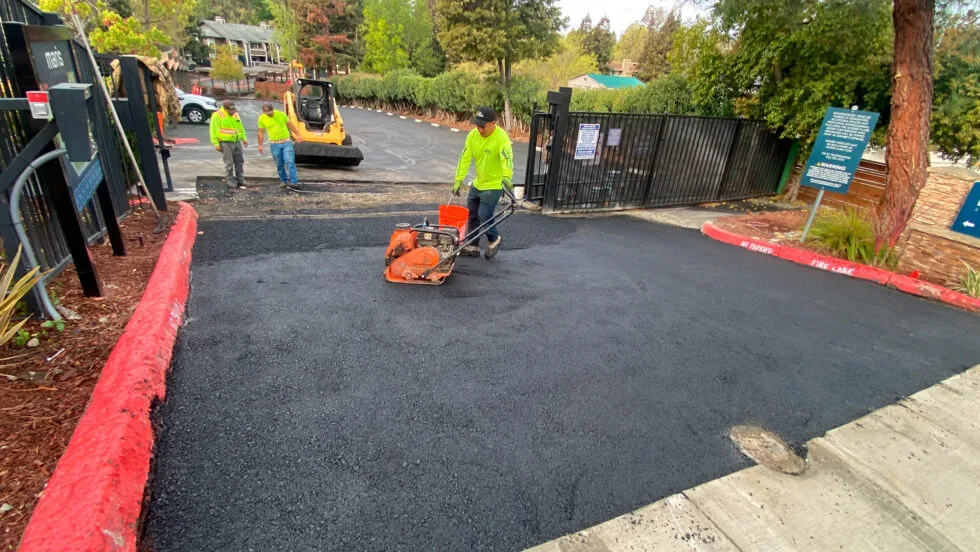
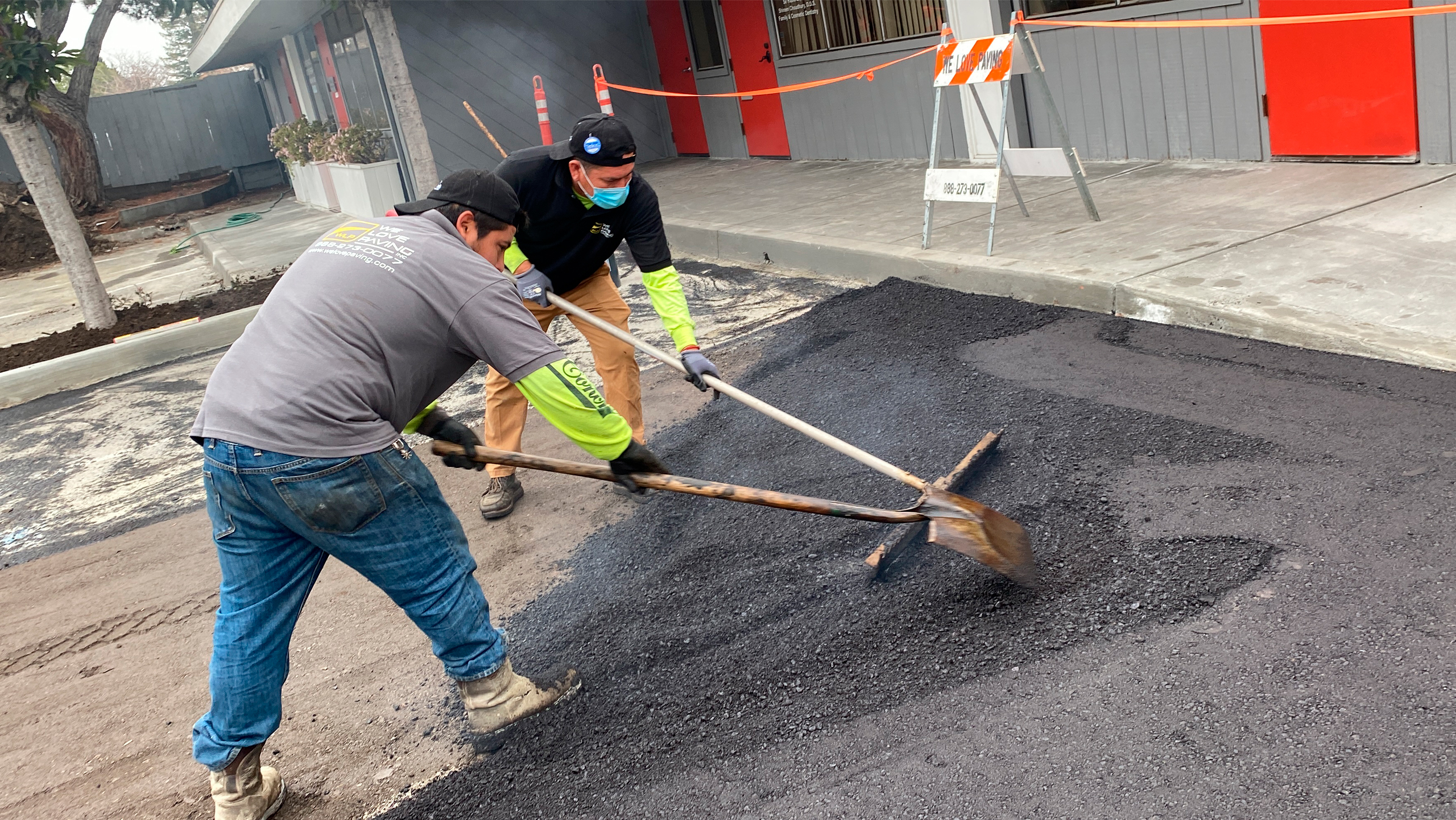
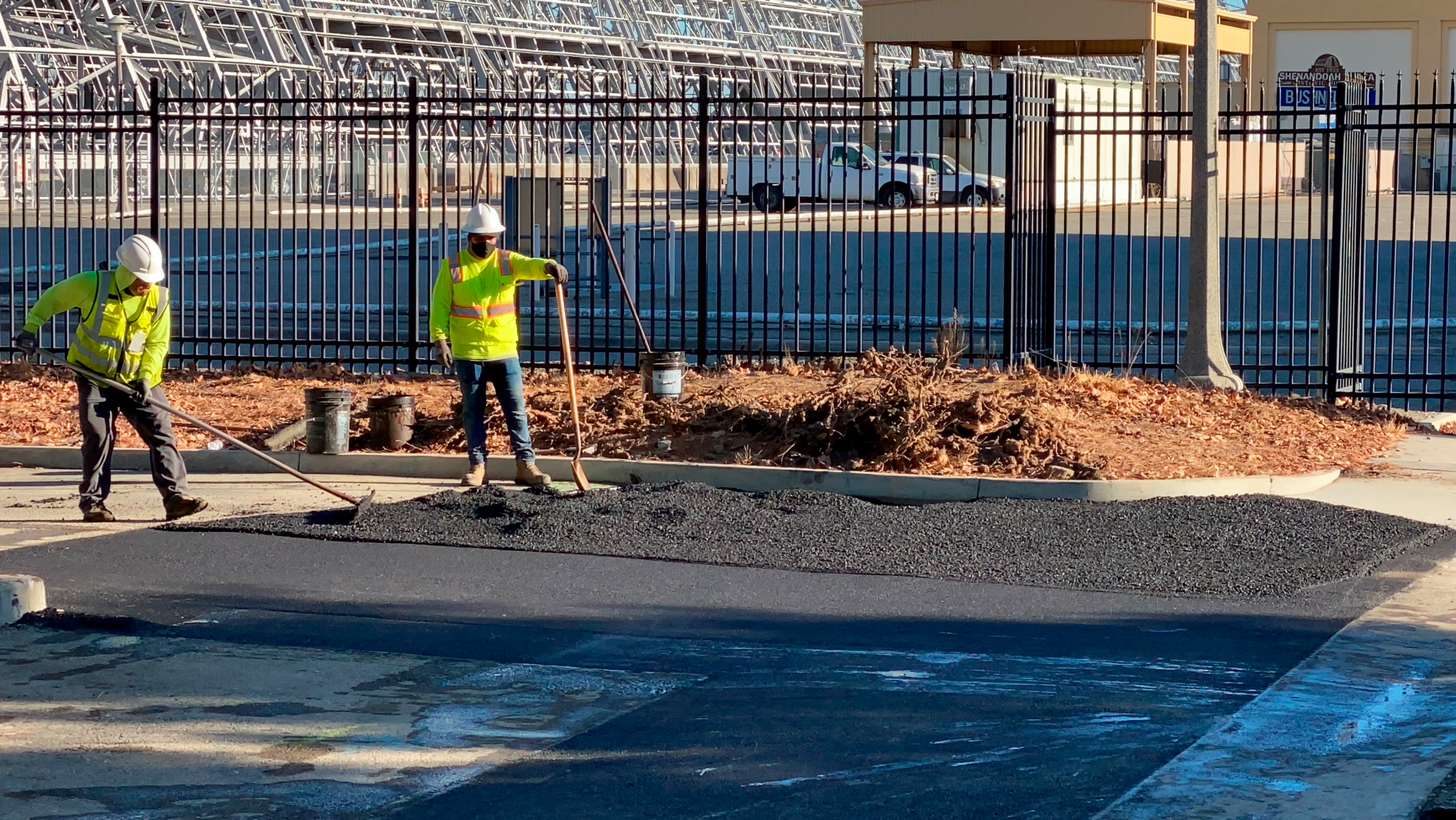
  3. Apply the Seal: A smooth, even coat goes down.
  4. Let It Cure: Give it 24-48 hours, and you’re good to go!

6. Why We Love Paving Loves Slurry Seal

At We Love Paving, we’re passionate about keeping your asphalt in tip-top shape. Slurry seal is one of the most effective ways to protect your investment and make your property shine. Plus, it’s eco-friendly, cost-effective, and downright satisfying to see the transformation.


The Bottom Line

Slurry seal isn’t just maintenance; it’s a makeover for your pavement. Don’t wait for cracks to turn into craters—show your asphalt some love today.

Ready to give your pavement the glow-up it deserves? Contact We Love Paving and let’s make your pavement the talk of the town.

Share

WHO IS FRED?

Fred, Regional Operations Manager, comes from a family of immigrant roots and a story built on sacrifice, discipline, and hard work. Growing up, Fred watched his parents work long hours and weekends to create a better future teaching him the values of perseverance, determination, and doing things the right way every single time.
We Love Paving began with Fred’s father, who started doing what he knew best: paving. Over the years, he built experience alongside respected professionals in the industry, refining his methods and developing a reputation for quality work that speaks for itself. As his clientele grew, so did the vision one built not only on skill, but on integrity and pride in every job.

Posts that might interest you

How Close to My Property Line Can I Pour Concrete?

How Close to My Property Line Can I Pour Concrete?

June 28, 2024

Pouring concrete close to your property line is a common issue for homeowners looking to enhance their outdoor spaces. Whether it’s for a driveway, patio, or walkway, understanding the legal and practical considerations is crucial to avoid disputes with neighbors and comply with local regulations. This guide explores the key factors influencing how close you

How to Fix a Crumbling Concrete Driveway: The Ultimate Repair Guide

How to Fix a Crumbling Concrete Driveway: The Ultimate Repair Guide

June 27, 2024

When a concrete driveway starts to crumble, it’s more than a cosmetic issue—it’s a warning sign that the surface is losing its structural integrity. Left untreated, it can lead to major damage, higher repair costs, and safety hazards. Whether you’re a homeowner or manage a commercial property, this guide will show you how to restore

Do You Need a Permit to Replace a Driveway? A Comprehensive Guide

Do You Need a Permit to Replace a Driveway? A Comprehensive Guide

June 25, 2024

Replacing a driveway is a significant home improvement project that can enhance curb appeal, increase property value, and improve functionality. However, before you start tearing up your old driveway and pouring new concrete or laying pavers, it’s crucial to understand the legal and regulatory requirements involved. One of the most common questions homeowners have is

Steps Involved in Asphalt Paving

Steps Involved in Asphalt Paving

June 25, 2024

Asphalt paving is a necessary part of the construction industry. It’s a versatile material used to build roads, parking lots, and driveways. Understanding the steps involved in asphalt paving will help you choose the right pavement for your needs. Asphalt is an extremely durable material that withstands traffic and the elements. It is also environmentally

The Cost of Asphalt Cutting Per Linear Foot: What to Expect

The Cost of Asphalt Cutting Per Linear Foot: What to Expect

June 24, 2024

When it comes to construction and repair projects, asphalt cutting is often a necessary task, whether for roadworks, driveways, or other paved surfaces. Understanding the cost involved in asphalt cutting per linear foot can help you budget more accurately for your project. This article will break down the factors affecting these costs and provide a

The Best Base for an Asphalt Driveway: A Comprehensive Guide

The Best Base for an Asphalt Driveway: A Comprehensive Guide

June 24, 2024

What Do You Lay Under Asphalt?

What Do You Lay Under Asphalt?

June 24, 2024

The Process of Asphalt Paving

The Process of Asphalt Paving

June 19, 2024

Asphalt Paving is a complex process that involves numerous stages. A good paving contractor will be willing to walk you through their work processes and answer any questions. Inquire about an asphalt paving contractor’s license, worker’s compensation, and liability insurance. Ask them to provide references and project examples. Also, ask about their education and training.

Understanding the Concrete Business: A Comprehensive Overview

Understanding the Concrete Business: A Comprehensive Overview

June 18, 2024

The term “concrete business” encompasses a wide range of activities within the construction industry. From the production and delivery of ready-mixed concrete to the construction of roads, buildings, and other infrastructure projects, businesses involved in concrete play a crucial role in shaping the built environment. This article delves into the definition of a concrete business,

How Much Does it Cost to Pave One Mile of Road in California?

How Much Does it Cost to Pave One Mile of Road in California?

June 17, 2024

Paving a mile of road in California is a complex process influenced by various factors, including materials, labor, equipment, environmental regulations, and the geographical characteristics of the area. Understanding the costs involved requires breaking down these factors and examining them in detail. This blog delves into the intricacies of road paving in California, providing a

Previous Next