SThe outdoor spaces of your Sacramento property—whether it’s a stylish patio of paving slabs or a functional asphalt driveway—are the first thing visitors notice. Over time, the intense California sun and shifting soil can take a toll, leading to cracks, uneven surfaces, and a weathered appearance.
Reviving these spaces doesn’t just improve aesthetics; it prevents safety hazards and extends the life of your investment. In this comprehensive guide, we’ll walk you through the essential steps to repair both paving slabs and asphalt surfaces effectively.
1. Assessment and Preparation: The Foundation of Repair
Before jumping into repairs, you must understand the extent of the damage. Whether you are dealing with a cracked stone slab or a crumbling asphalt patch, preparation is 80% of the work.
- Inspect the Damage: Look for hairline cracks, deep fissures, or “alligator cracking” in asphalt. For slabs, check if they are loose or sunken.
- Clean the Area: Remove weeds, moss, and debris. Use a pressure washer for paving slabs and a stiff broom or air blower for asphalt surfaces to ensure the repair material bonds correctly.
- Gather Your Tools: You’ll need safety gear (gloves/goggles), a hammer and chisel for slabs, and specialized crack filler or “cold patch” compound for asphalt.
2. Repairing Paving Slabs: Precision and Stability
Paving slabs are popular in Sacramento for patios and walkways. When they fail, it’s usually due to base erosion or heavy impact.
- Removing Damaged Slabs: If a slab is badly cracked, use a hammer and chisel to break it out carefully without damaging surrounding stones.
- Leveling the Base: Add a fresh layer of sand or mortar to the base. This is crucial in Sacramento’s climate to prevent future shifting.
- Setting the Slab: Place the new or cleaned slab, ensuring it sits flush with the rest of the surface. Use a rubber mallet for adjustments.
- Jointing: Fill the gaps with jointing sand or mortar to lock everything in place.
To ensure long-lasting adhesion of the sealant, utilize the routing technique. This involves slightly widening the crack with a router or specialized tool to create a clean, uniform channel. This allows the repair material to penetrate deeper, preventing it from popping out during Sacramento’s intense temperature fluctuations.
3. Reviving Asphalt Surfaces: Durability and Sealing
Asphalt is a resilient material, but it requires specific techniques to repair once it begins to oxidize or crack.
- Addressing Cracks: For small cracks in asphalt, use a high-quality liquid crack filler. This prevents water from seeping into the subbase—the leading cause of potholes in Sacramento.
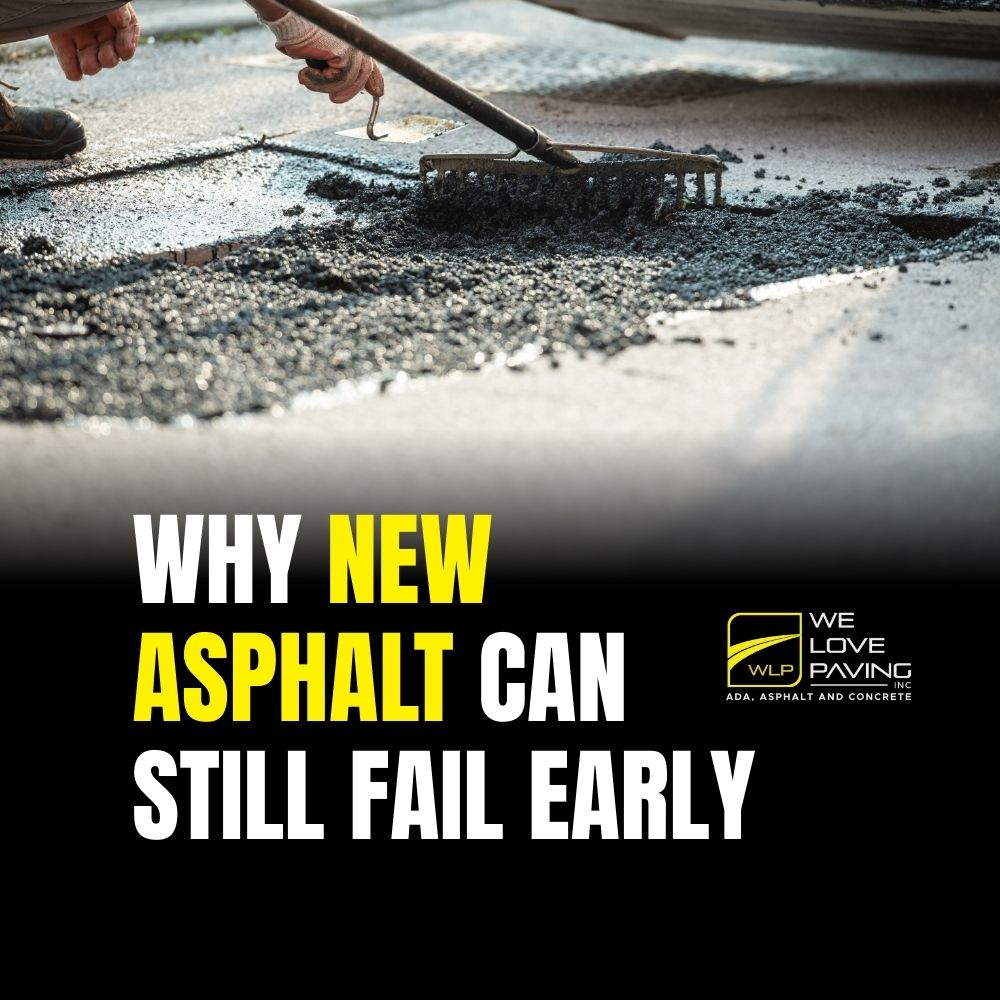
- Patching Potholes: For deeper holes, use an asphalt cold patch product. Fill the hole, overfilling slightly, and then compact it thoroughly using a hand tamper or the weight of a vehicle.
- The Importance of Compaction: Just like with paving slabs, the stability of asphalt relies on how well the material is packed down. A loose patch will fail quickly under traffic loads.
4. Addressing Common Causes of Deterioration
Why do Sacramento’s outdoor spaces need so much love?
- Extreme Heat: High temperatures cause asphalt to soften and paving slabs to expand, leading to buckling.
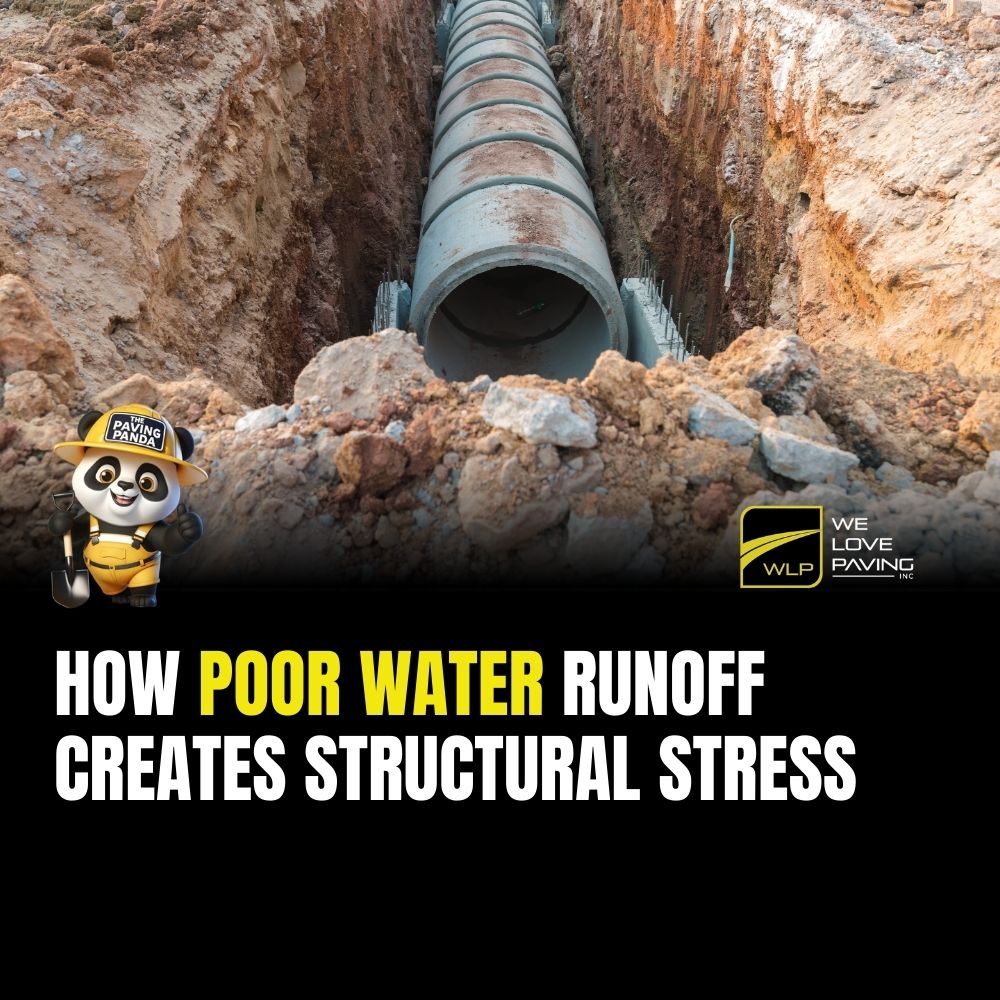
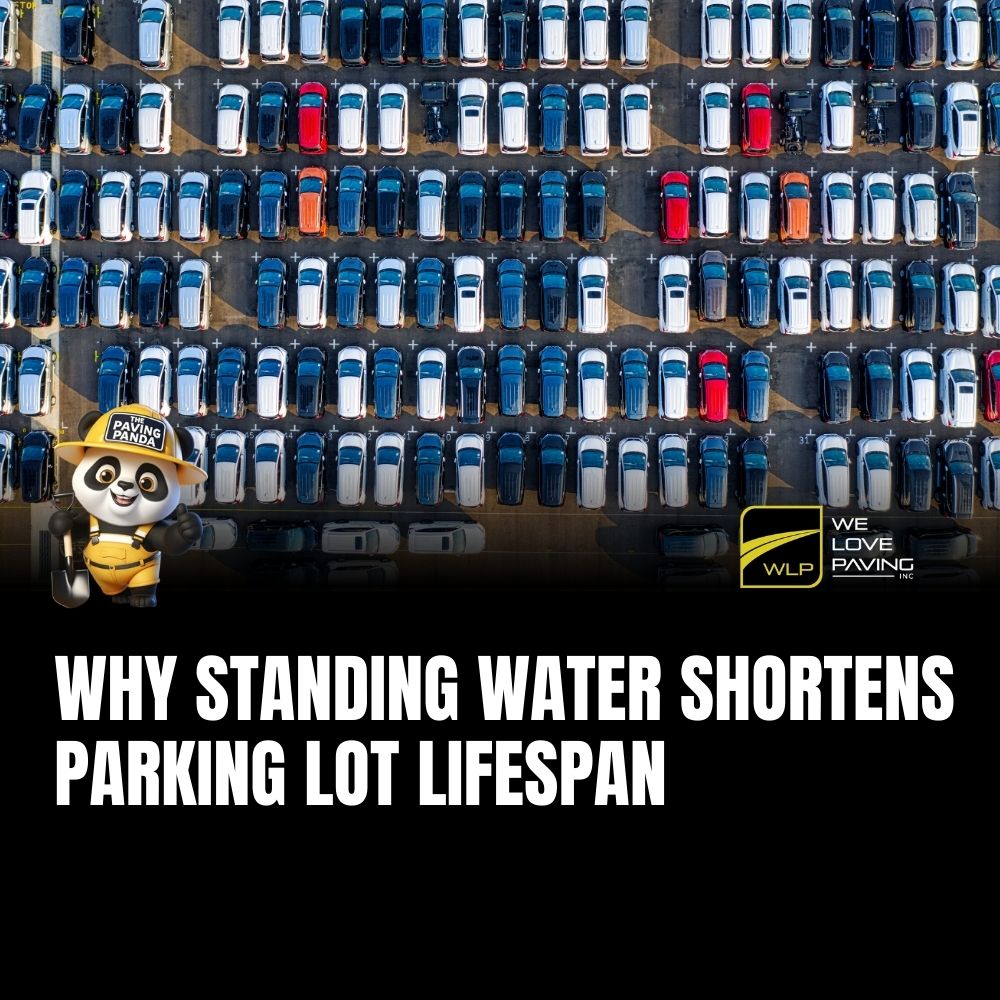
- Water Infiltration: Even with little rain, improper drainage can wash away the subbase of your slabs or cause “pumping” in asphalt roads.
- Heavy Loads: Vehicles parked on surfaces not rated for their weight will cause rapid cracking.
Beyond the weather, high traffic volume in areas near Downtown Sacramento or busy commercial strips accelerates wear. If your slabs are located in high-traffic walkways or loading zones, the repair must prioritize high-durability materials to prevent the slabs from sinking again under constant structural pressure.
5. Finishing Touches: Protection for the Long Haul
Once the repairs are complete, protection is key.
- For Slabs: Consider a breathable sealer to prevent staining and weed growth in the joints.
- For Asphalt: Sealcoating is your best defense. Applying a sealcoat to asphalt surfaces every 2-3 years protects the binder from UV rays and moisture, keeping the surface dark and flexible.
Whether you’re repairing a decorative walkway or a heavy-duty road, the principles remain the same: clean thoroughly, repair with quality materials, and protect for the future. By following this guide, you can restore the beauty and functionality of your Sacramento property, ensuring it remains safe and attractive for years to come.