Asphalt, the ubiquitous black substance that paves our roads, withstands a barrage of challenges from weather, heavy traffic, and time itself. However, even the most durable asphalt succumbs to wear and tear over the years, necessitating repair to maintain safe and smooth driving surfaces. In this comprehensive investigation, we delve deep into the intricate process of reviving old asphalt, exploring a myriad of techniques, equipment, materials, and considerations essential for effective repairs.
The Prelude: Assessment
Before embarking on the journey of asphalt repair, a meticulous assessment sets the stage for success. Engineers and contractors conduct thorough inspections, scrutinizing the surface for cracks, potholes, and signs of distress. This keen examination categorizes the damage, allowing for tailored repair solutions to be implemented.
Crack Sealing: Bridging the Gaps
Cracks, akin to fault lines on a map, are the first signs of distress in aging asphalt. To prevent these fissures from expanding and causing further damage, crack sealing emerges as a crucial intervention. The process begins with a diligent cleaning of the cracks, ensuring no debris obstructs the repair. Subsequently, specialized equipment, ranging from hot pour applicators to cold pour fillers, injects sealants into the crevices, forming a barrier against moisture intrusion and thwarting the progression of deterioration.
Pothole Patching: Filling the Voids
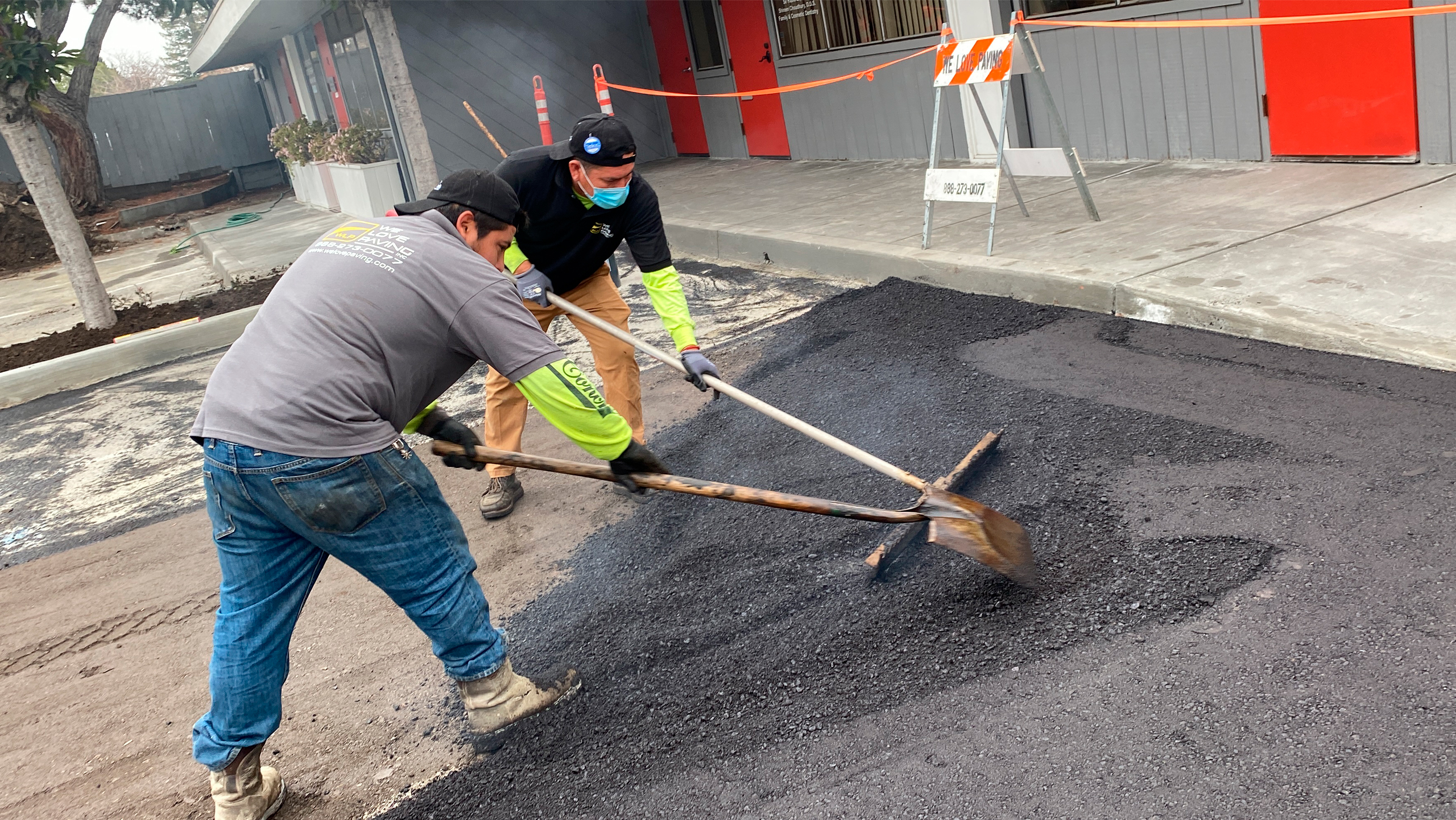
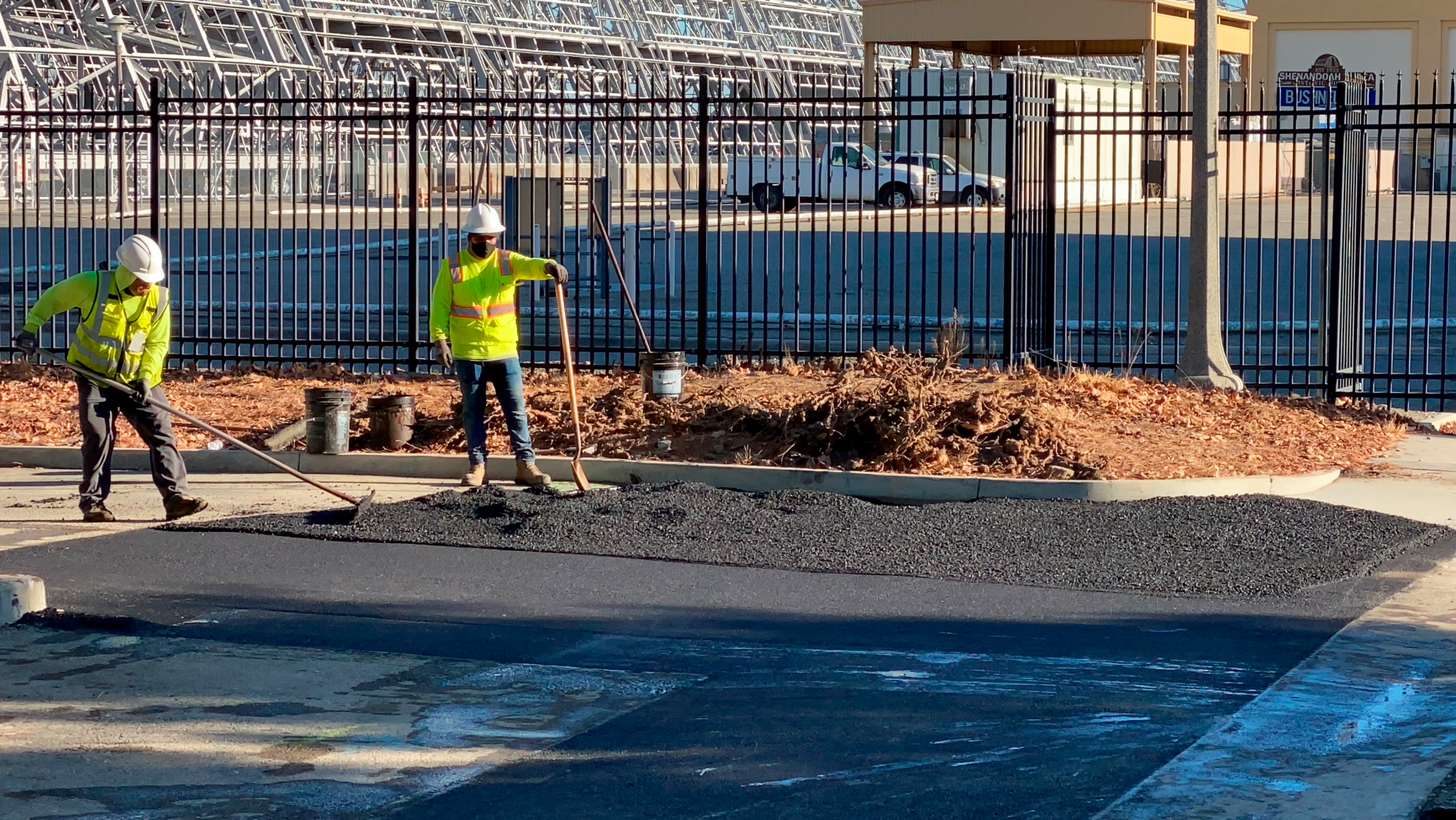
Potholes, the bane of motorists, demand swift and effective remedies. Patching these voids in the asphalt tapestry requires a blend of precision and finesse. Initial steps involve excavation and cleaning, ridding the pothole of loose debris and detritus. A tack coat is then applied to foster adhesion between the existing pavement and the patch material. Hot mix asphalt or cold patch compounds are meticulously placed and compacted, culminating in a seamless amalgamation that restores the road’s integrity and smoothness.
Surface Repairs: Renewing the Canvas
Surface imperfections, ranging from rutting to depressions, mar the aesthetics and functionality of asphalt pavements. Addressing these issues demands a repertoire of techniques, from overlays to rejuvenating treatments. Asphalt overlays provide a fresh wearing surface, breathing new life into tired roads. Alternatively, treatments like chip seals and slurry seals offer cost-effective solutions for minor defects, enhancing durability and skid resistance.
Infrared Asphalt Repair: Heating the Path to Restoration
Infrared technology revolutionizes asphalt repair, offering a rapid and efficient solution to rejuvenate worn surfaces. This innovative method harnesses infrared heaters to heat the damaged asphalt, rendering it pliable for scarification and re-leveling. Once reshaped, the asphalt undergoes compaction, yielding a seamless repair that seamlessly integrates with the existing pavement, akin to a phoenix rising from the ashes.
Equipment and Materials: Tools of the Trade
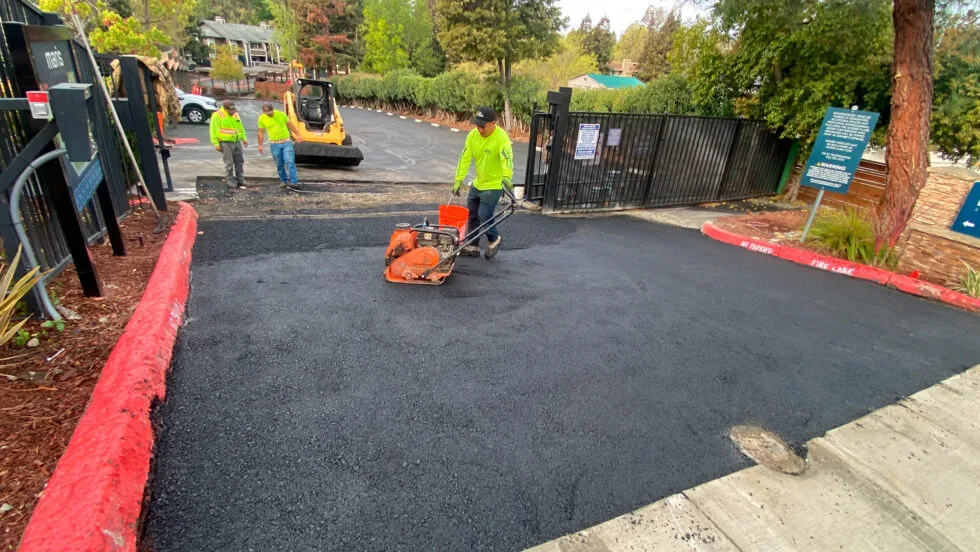
Behind every successful repair operation lies a plethora of equipment and materials, meticulously chosen to meet the demands of the task at hand. Crack sealing machines, pothole patching equipment, and infrared heaters form the arsenal of asphalt repair. These tools, coupled with high-quality materials such as hot mix asphalt, sealants, and tack coats, ensure precision and durability in every repair endeavor.
Quality Control: Ensuring Excellence
Quality control serves as the linchpin of asphalt repair, dictating the longevity and effectiveness of the interventions. Adequate compaction, meticulous material selection, and thorough surface preparation constitute the pillars of quality assurance. By adhering to stringent standards and protocols, repair crews uphold the integrity of the pavement, safeguarding against premature deterioration and ensuring the longevity of the repairs.
Environmental Considerations: Paving the Sustainable Path
In an era of heightened environmental awareness, asphalt repair endeavors to minimize ecological footprint while maximizing efficacy. Recycling initiatives breathe new life into old asphalt, repurposing reclaimed materials to pave the way for sustainable infrastructure. Additionally, the adoption of warm mix asphalt and environmentally friendly additives reduces energy consumption and emissions, aligning repair practices with the ethos of environmental stewardship.
Cost Considerations: Balancing the Ledger
While the pursuit of excellence in asphalt repair is paramount, fiscal prudence remains a guiding principle. Contractors and policymakers weigh the costs and benefits of repair methods, conducting life cycle cost analyses to inform decision-making. By striking a balance between upfront expenditures and long-term savings, stakeholders optimize resource allocation, ensuring the efficient allocation of taxpayer dollars and private investments.
Conclusion: Navigating the Road Ahead
Repairing old asphalt is an intricate dance between art and science, blending technical expertise with environmental stewardship and fiscal acumen. By embracing innovation, adhering to stringent quality control measures, and championing sustainability, stakeholders pave the way for resilient infrastructure that withstands the test of time. As roads are revitalized and communities thrive, the journey towards safer, smoother, and more sustainable transportation networks unfolds, laying the foundation for a brighter future.