If you want to keep your property looking pristine while saving money on costly repairs, proper asphalt driveway maintenance is absolutely essential. A newly paved driveway adds immense curb appeal and value to your home. However, exposure to harsh weather, UV rays, and heavy vehicles can take a toll over time. By implementing a consistent asphalt driveway maintenance routine, you can significantly extend the lifespan of your pavement and keep it looking brand new.
In this comprehensive guide, we will walk you through the most effective strategies to protect your pavement. From basic cleaning to professional treatments, these expert tips will ensure your surface stands the test of time.
Table of Contents
- 1. Regular Cleaning and Debris Removal
- 2. Inspect and Fill Cracks Promptly
- 3. The Importance of Routine Sealcoating
- 4. Manage Water Runoff Effectively
- 5. Treat Oil and Chemical Stains Immediately
- 6. Avoid Unnecessary Heavy Loads
- 7. Know When to Hire the Professionals
1. Regular Cleaning and Debris Removal
The foundation of effective asphalt driveway maintenance starts with keeping the surface clean. Leaves, pine needles, and dirt can trap moisture against the asphalt. Over time, this trapped moisture can seep into microscopic pores, weakening the structural integrity of the pavement.
Make it a habit to sweep your driveway weekly. For a deeper clean, use a pressure washer on a low setting or a high-powered hose to blast away stubborn dirt. Keeping the surface clear of debris prevents organic matter from breaking down and eroding the asphalt binder.
2. Inspect and Fill Cracks Promptly
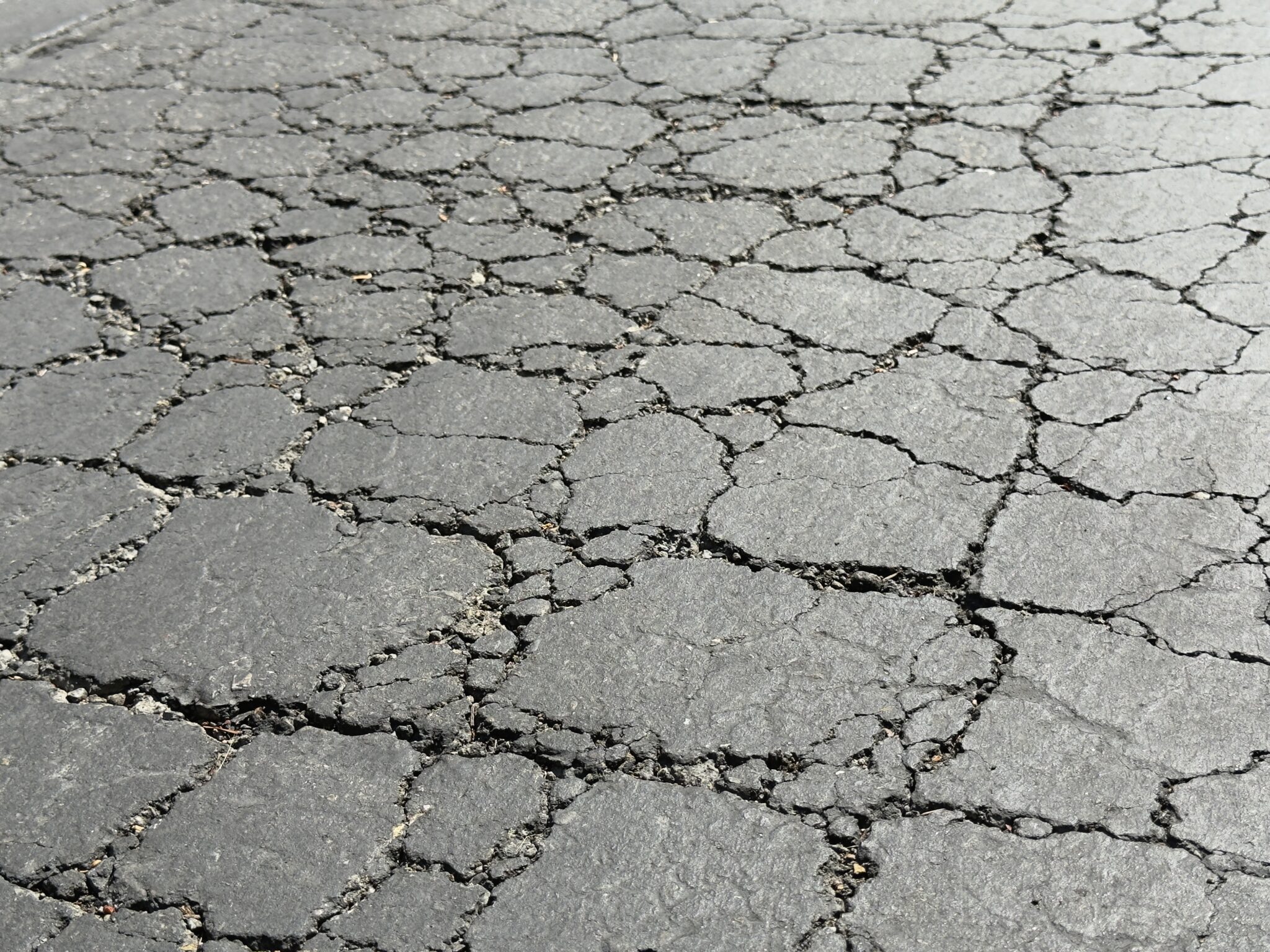
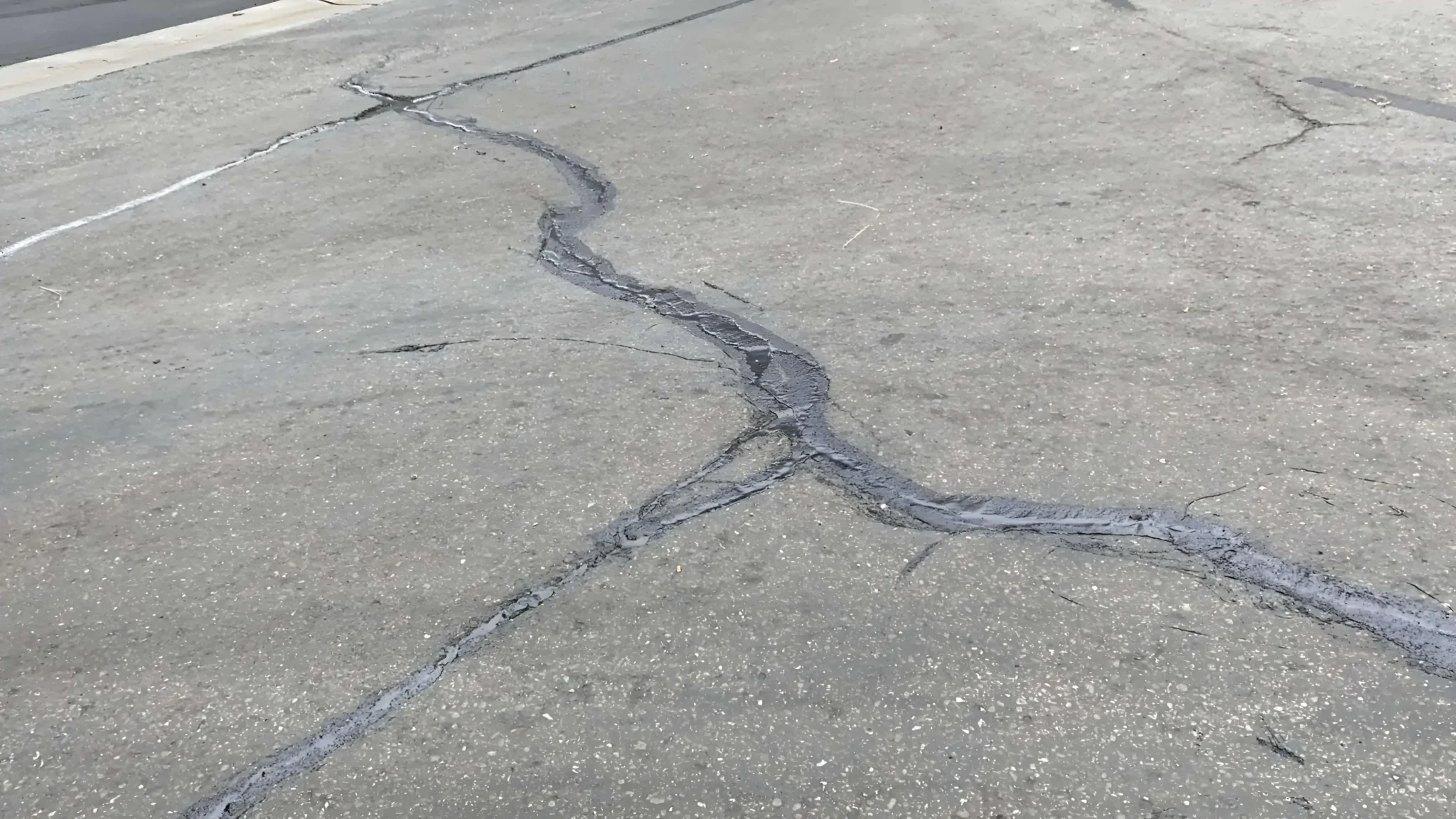
Even with the best asphalt driveway maintenance practices, small cracks may eventually appear due to ground movement and temperature fluctuations. Leaving these cracks untreated is an invitation for water infiltration. When water enters a crack and freezes, it expands, turning a minor fissure into a large pothole.
Inspect your driveway at the start of every season. If you spot cracks that are less than half an inch wide, you can fill them yourself using a high-quality rubberized asphalt crack filler. For larger cracks or spiderweb-like patterns (alligator cracking), more intensive repairs will be required.
3. The Importance of Routine Sealcoating
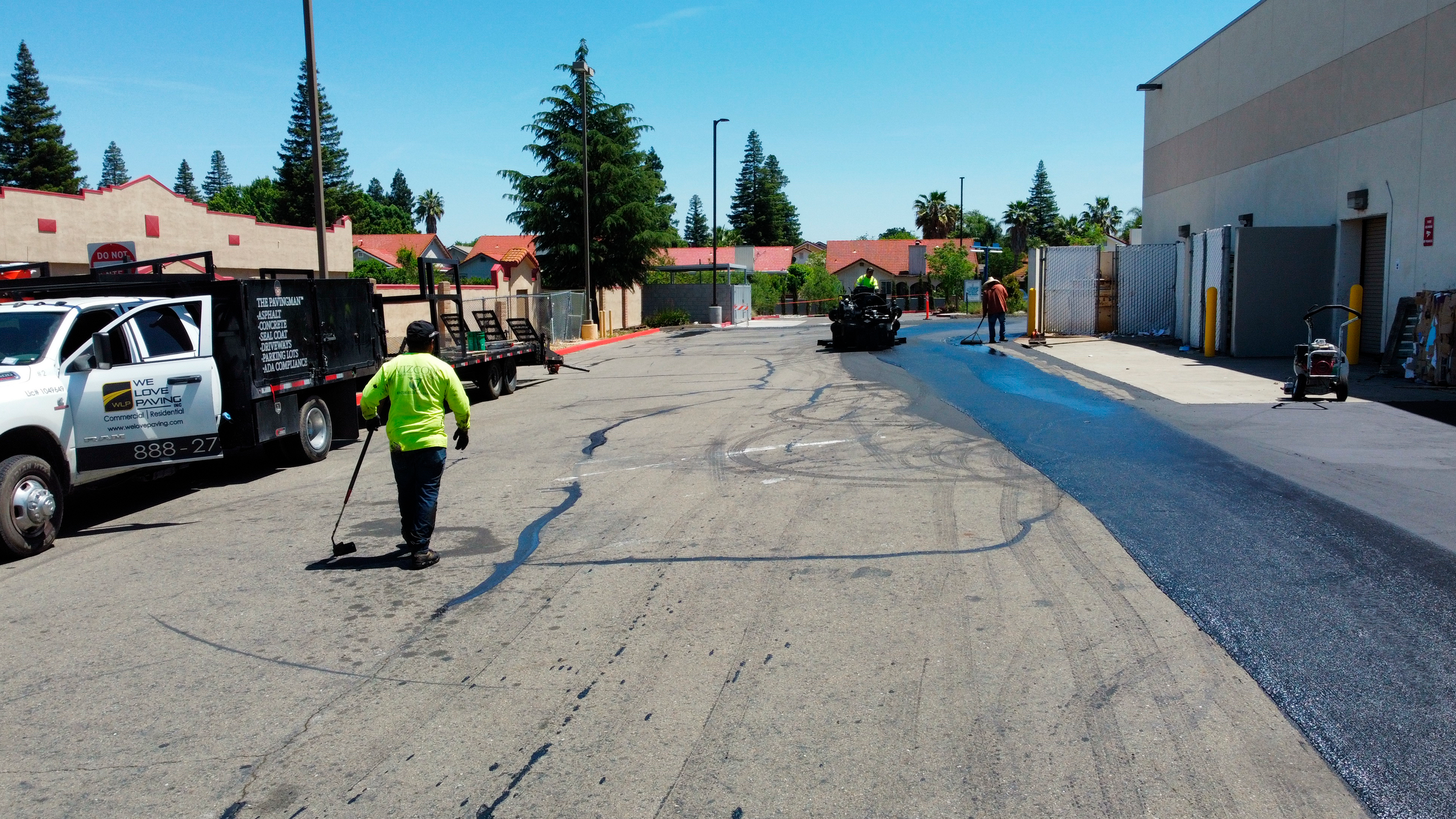
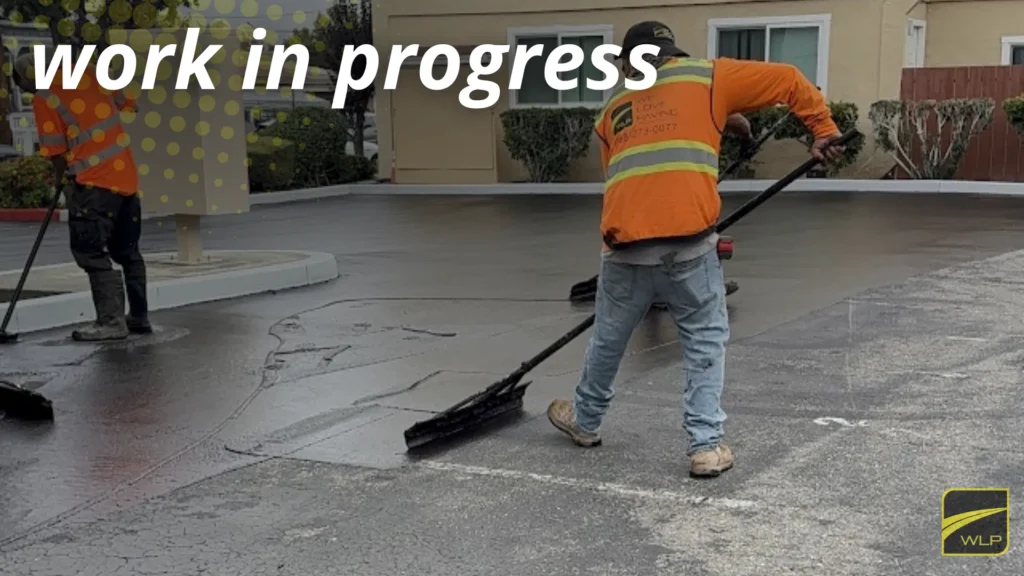
When discussing long-term asphalt driveway maintenance, we cannot overstate the importance of a protective seal. Sealcoating acts as a barrier against the sun’s damaging UV rays, vehicle fluids, and water penetration. It also restores that rich, dark black finish that makes a driveway look freshly installed.
As a general rule, you should apply a sealcoat every two to three years. If you are unsure about the process or want a flawless finish, it is highly recommended to rely on expert sealcoating services. Professionals have the right equipment and commercial-grade materials to ensure maximum protection.
4. Manage Water Runoff Effectively
Standing water is the ultimate enemy of pavement. A critical aspect of proactive asphalt driveway maintenance involves evaluating how water flows around your property. If puddles form on your driveway after a rainstorm, your pavement is at risk of deterioration.
Ensure that your gutters and downspouts direct water away from the driveway edges. Additionally, trim back landscaping and edging so that water can easily flow off the sides of the asphalt rather than pooling on the surface.
5. Treat Oil and Chemical Stains Immediately
Vehicle leaks, such as motor oil, transmission fluid, and gasoline, are chemically similar to the tar used in asphalt. Because of this, they can actually dissolve the binder holding your driveway together. Ignoring these stains is a major mistake in any asphalt driveway maintenance plan.
If a spill occurs, absorb the excess liquid immediately with kitty litter or sawdust. Once absorbed, sweep it away and scrub the stain using a specialized asphalt cleaner or a mixture of dish soap and warm water. For extensive damage caused by long-term chemical leaks, you may need a professional patching service.
6. Avoid Unnecessary Heavy Loads
Residential driveways are designed to support the weight of standard passenger vehicles. However, heavy construction equipment, fully loaded moving trucks, and large dumpsters can cause indentations and rutting, especially on hot summer days when the asphalt is softer.
To practice good asphalt driveway maintenance, avoid parking exceptionally heavy vehicles on your pavement for extended periods. If you must have a dumpster delivered, ask the company to place plywood underneath the wheels or skids to distribute the weight evenly across the surface.
7. Know When to Hire the Professionals
While DIY care goes a long way, some issues require an expert touch. If your driveway is suffering from severe potholes, extensive alligator cracking, or drainage issues, standard asphalt driveway maintenance won’t be enough to solve the problem.
In these cases, bringing in contractors for proper asphalt paving solutions is the smartest choice. Experts can perform deep patching, resurfacing, or complete replacement if the foundation has failed. According to the National Asphalt Pavement Association, timely professional interventions are the most cost-effective way to manage pavement lifecycles.
Final Thoughts on Pavement Care
Mastering asphalt driveway maintenance is all about being proactive. By keeping the surface clean, addressing cracks early, and maintaining a solid sealcoat schedule, you will protect your investment for decades to come. Remember, a little effort today saves you from an expensive replacement tomorrow.