How to Ensure ADA Compliance in Construction Projects

The Americans with Disabilities Act (ADA) is a landmark piece of legislation designed to ensure that individuals with disabilities have equal access to public spaces, businesses, and facilities. For construction projects, adhering to ADA guidelines is not just a legal obligation but a demonstration of inclusivity and forward-thinking design. Failing to comply can lead to costly lawsuits, fines, and damage to your business’s reputation. In this blog, we’ll break down the key steps to ensure your construction projects meet ADA requirements and how partnering with experts like WELOVEPAVING can make compliance seamless.

What is ADA Compliance in Construction?

ADA compliance in construction means designing and building spaces that are accessible to everyone, including individuals with mobility challenges, visual impairments, or other disabilities. This involves adhering to specific guidelines set by the ADA Standards for Accessible Design, covering aspects such as:

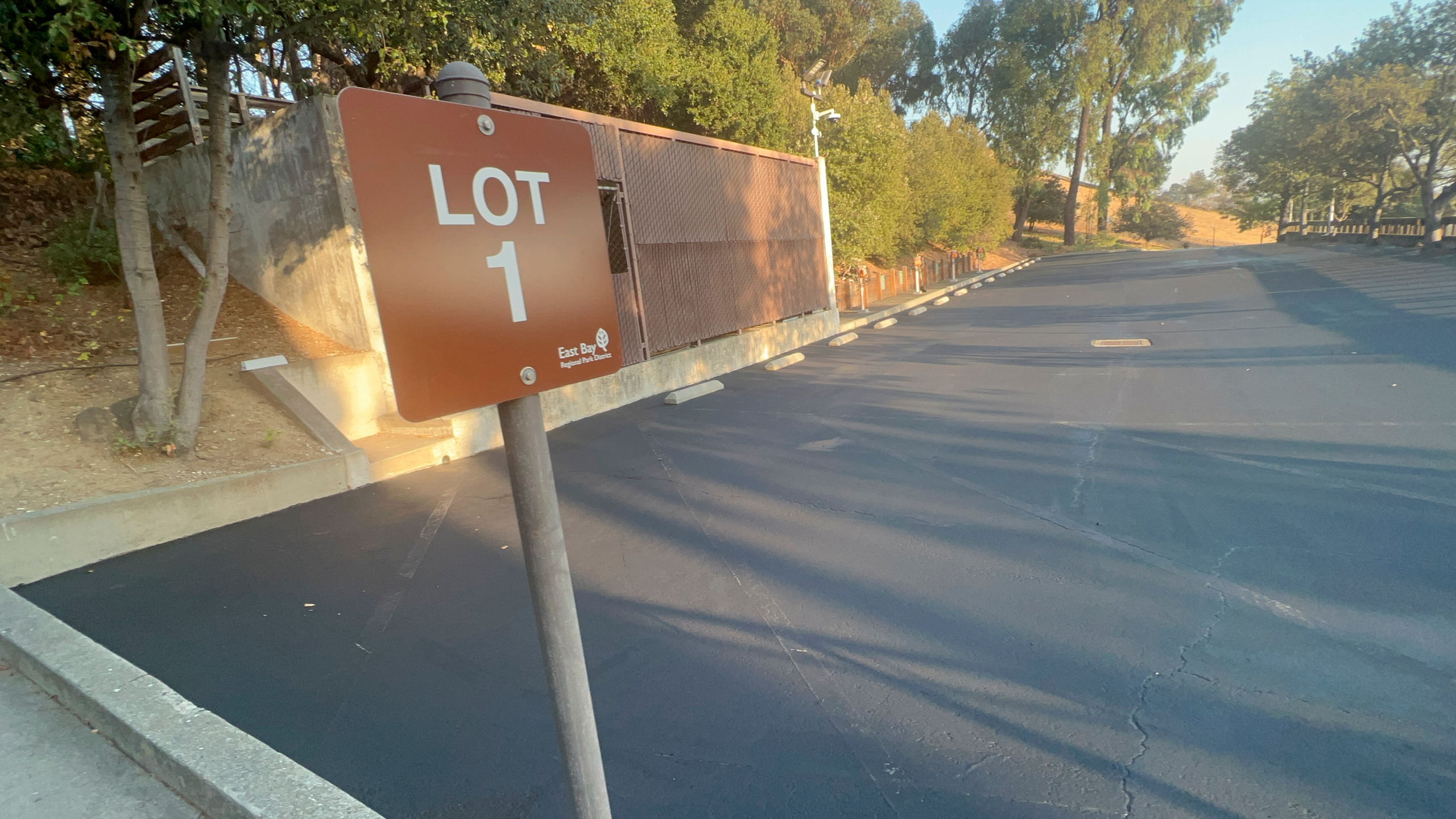
  • Parking lots: Accessible parking spaces, proper signage, and compliant slopes.

  • Ramps and pathways: Appropriate width, gradient, and handrails for ease of access.

  • Restrooms: Features like grab bars, accessible sinks, and appropriate stall sizes.

  • Entrances and doorways: Ensuring they are wide enough and free of barriers.

Key Steps to Ensure ADA Compliance

  1. Understand ADA Standards Early Incorporate ADA guidelines into your project planning phase. Familiarize yourself with local and federal regulations to ensure compliance from the start. Common resources include the ADA Standards for Accessible Design and local building codes.

  2. Conduct a Site Assessment Before starting any construction or renovation project, perform a thorough assessment of the site to identify potential accessibility issues. This helps prioritize upgrades and ensures your design aligns with ADA requirements.

  3. Design for Accessibility Collaborate with architects and engineers who have experience with ADA compliance. Include features like accessible parking spaces, smooth pathways, and compliant entry points in your plans.

  4. Hire Specialists in ADA Compliance Partnering with professionals who specialize in ADA compliance, such as WELOVEPAVING, ensures every aspect of your project meets the required standards. From paving and seal coating to creating accessible pathways, experienced contractors understand the nuances of compliance.

  5. Use Quality Materials High-quality materials can make a significant difference in maintaining ADA compliance over time. For example, durable paving materials reduce the risk of cracks or uneven surfaces that could create accessibility issues.

  6. Train Your Team Ensure that everyone involved in the construction process understands ADA requirements. Regular training sessions can help avoid costly mistakes during implementation.

  7. Conduct Final Inspections Before opening your facility, conduct a thorough inspection to verify compliance. This step can prevent costly retrofits and ensure your project passes accessibility audits.

Common ADA Mistakes to Avoid

  • Improper Slopes in Parking Lots: Slopes exceeding 2% can make spaces inaccessible for wheelchair users.

  • Missing or Incorrect Signage: Lack of proper signage for accessible parking or pathways can lead to non-compliance.

  • Narrow Doorways: Doors less than 32 inches wide can hinder accessibility.

  • Non-Compliant Ramps: Ramps with steep gradients or no handrails fail to meet ADA standards.

Benefits of ADA Compliance

  • Legal Protection: Avoid lawsuits and fines by adhering to the law.

  • Broader Customer Base: Accessible spaces attract more customers, including individuals with disabilities and their families.

  • Enhanced Reputation: Demonstrating a commitment to inclusivity can boost your business’s public image.

How WELOVEPAVING Can Help

At WELOVEPAVING, we specialize in helping businesses and property owners achieve full ADA compliance. Our services include:

  • Designing and implementing accessible parking lots and pathways.

  • Seal coating to maintain smooth and compliant surfaces.

  • Addressing non-compliance issues with expert-driven solutions.

By choosing WELOVEPAVING, you’re not only ensuring ADA compliance but also creating a safer and more welcoming environment for everyone.

Conclusion

ADA compliance is essential for any construction project. By understanding the standards, planning accordingly, and partnering with experienced professionals, you can ensure your projects are accessible and inclusive. If you’re ready to make your property ADA compliant, contact WELOVEPAVING today and take the first step toward accessibility and success.

Share

WHO IS FRED?

Fred, Regional Operations Manager, comes from a family of immigrant roots and a story built on sacrifice, discipline, and hard work. Growing up, Fred watched his parents work long hours and weekends to create a better future teaching him the values of perseverance, determination, and doing things the right way every single time.
We Love Paving began with Fred’s father, who started doing what he knew best: paving. Over the years, he built experience alongside respected professionals in the industry, refining his methods and developing a reputation for quality work that speaks for itself. As his clientele grew, so did the vision one built not only on skill, but on integrity and pride in every job.

Posts that might interest you

How Close to My Property Line Can I Pour Concrete?

How Close to My Property Line Can I Pour Concrete?

June 28, 2024

Pouring concrete close to your property line is a common issue for homeowners looking to enhance their outdoor spaces. Whether it’s for a driveway, patio, or walkway, understanding the legal and practical considerations is crucial to avoid disputes with neighbors and comply with local regulations. This guide explores the key factors influencing how close you

How to Fix a Crumbling Concrete Driveway: The Ultimate Repair Guide

How to Fix a Crumbling Concrete Driveway: The Ultimate Repair Guide

June 27, 2024

When a concrete driveway starts to crumble, it’s more than a cosmetic issue—it’s a warning sign that the surface is losing its structural integrity. Left untreated, it can lead to major damage, higher repair costs, and safety hazards. Whether you’re a homeowner or manage a commercial property, this guide will show you how to restore

Do You Need a Permit to Replace a Driveway? A Comprehensive Guide

Do You Need a Permit to Replace a Driveway? A Comprehensive Guide

June 25, 2024

Replacing a driveway is a significant home improvement project that can enhance curb appeal, increase property value, and improve functionality. However, before you start tearing up your old driveway and pouring new concrete or laying pavers, it’s crucial to understand the legal and regulatory requirements involved. One of the most common questions homeowners have is

Steps Involved in Asphalt Paving

Steps Involved in Asphalt Paving

June 25, 2024

Asphalt paving is a necessary part of the construction industry. It’s a versatile material used to build roads, parking lots, and driveways. Understanding the steps involved in asphalt paving will help you choose the right pavement for your needs. Asphalt is an extremely durable material that withstands traffic and the elements. It is also environmentally

The Cost of Asphalt Cutting Per Linear Foot: What to Expect

The Cost of Asphalt Cutting Per Linear Foot: What to Expect

June 24, 2024

When it comes to construction and repair projects, asphalt cutting is often a necessary task, whether for roadworks, driveways, or other paved surfaces. Understanding the cost involved in asphalt cutting per linear foot can help you budget more accurately for your project. This article will break down the factors affecting these costs and provide a

The Best Base for an Asphalt Driveway: A Comprehensive Guide

The Best Base for an Asphalt Driveway: A Comprehensive Guide

June 24, 2024

What Do You Lay Under Asphalt?

What Do You Lay Under Asphalt?

June 24, 2024

The Process of Asphalt Paving

The Process of Asphalt Paving

June 19, 2024

Asphalt Paving is a complex process that involves numerous stages. A good paving contractor will be willing to walk you through their work processes and answer any questions. Inquire about an asphalt paving contractor’s license, worker’s compensation, and liability insurance. Ask them to provide references and project examples. Also, ask about their education and training.

Understanding the Concrete Business: A Comprehensive Overview

Understanding the Concrete Business: A Comprehensive Overview

June 18, 2024

The term “concrete business” encompasses a wide range of activities within the construction industry. From the production and delivery of ready-mixed concrete to the construction of roads, buildings, and other infrastructure projects, businesses involved in concrete play a crucial role in shaping the built environment. This article delves into the definition of a concrete business,

How Much Does it Cost to Pave One Mile of Road in California?

How Much Does it Cost to Pave One Mile of Road in California?

June 17, 2024

Paving a mile of road in California is a complex process influenced by various factors, including materials, labor, equipment, environmental regulations, and the geographical characteristics of the area. Understanding the costs involved requires breaking down these factors and examining them in detail. This blog delves into the intricacies of road paving in California, providing a

Previous Next