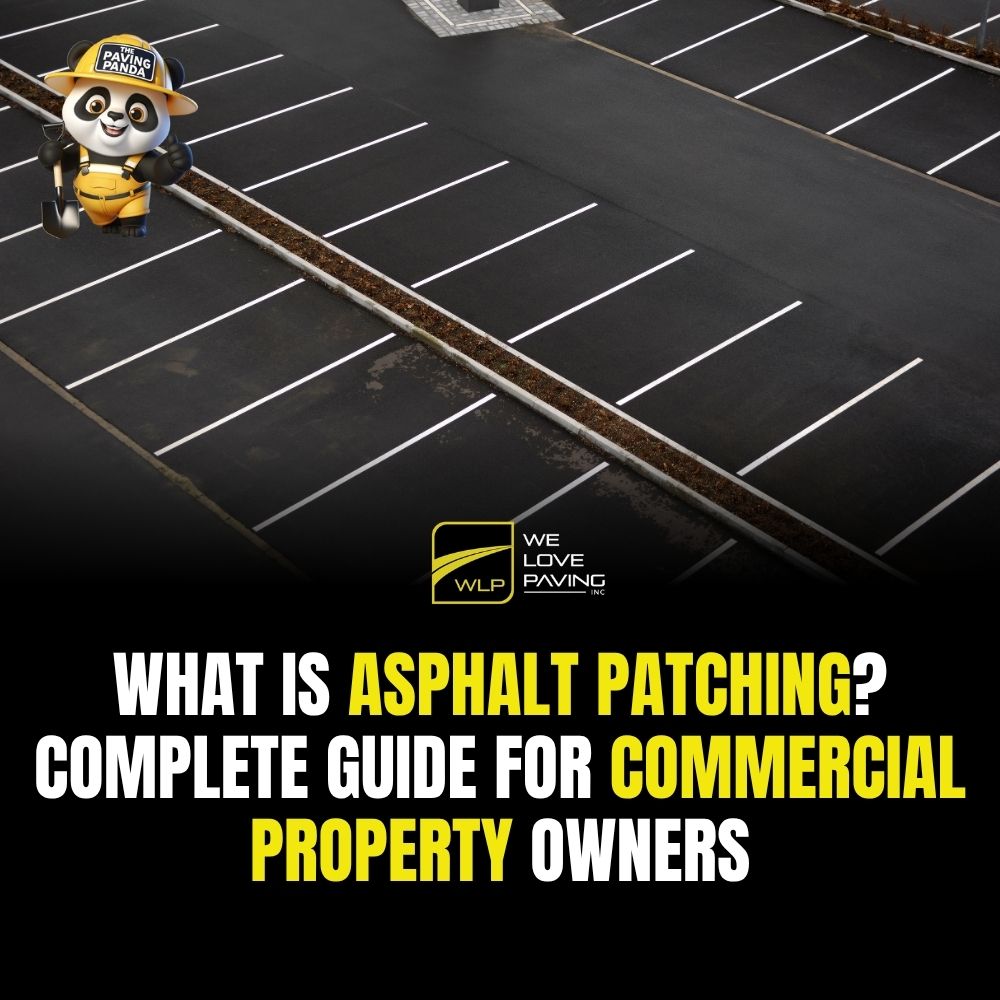
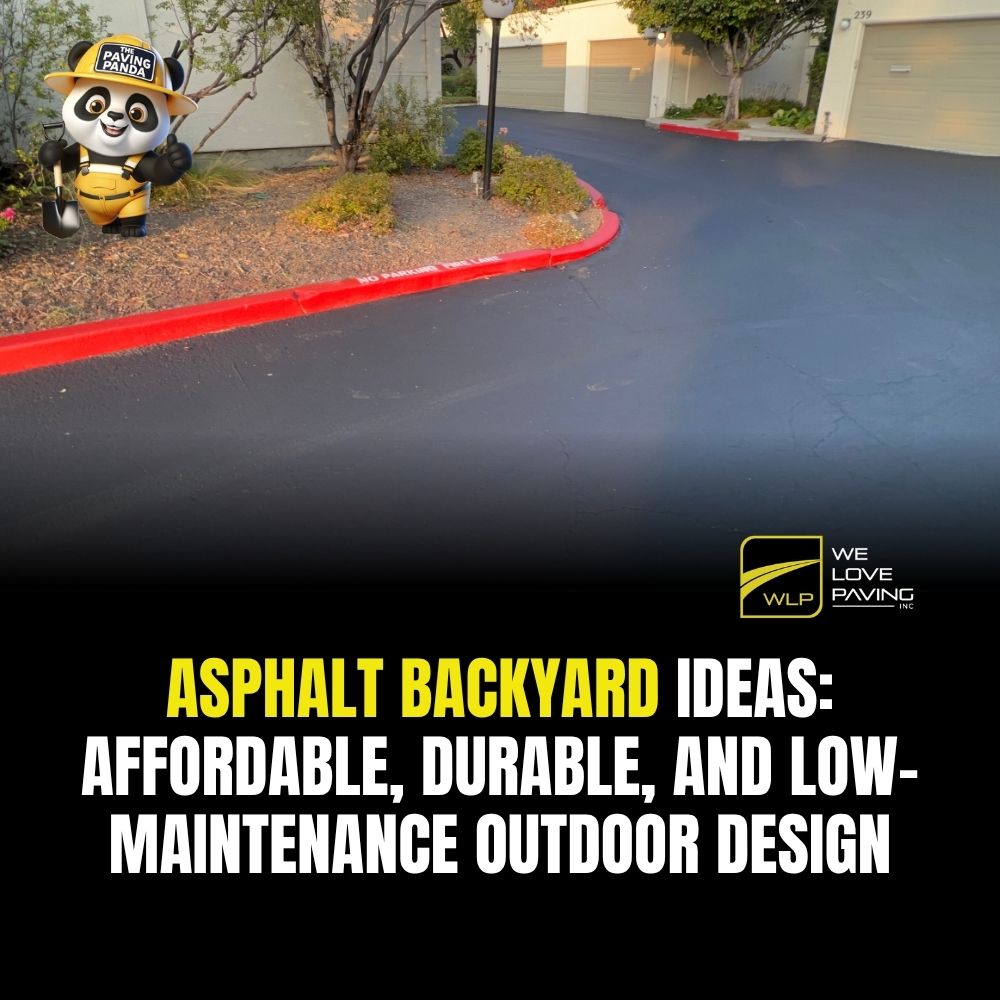
Sealcoating is one of the most important maintenance steps for any asphalt parking lot — but most property managers aren’t sure how often it should actually be done.
The short answer:
-
Every 2–3 years for high-traffic commercial properties
-
Every 3–5 years for low-traffic areas
-
After any major resurfacing or patching project
-
Never sooner than 6–12 months after new asphalt installation
Below is the full breakdown so you can plan your pavement maintenance properly and avoid unnecessary damage or premature deterioration.
Why Sealcoating Matters
Asphalt is flexible, but it’s extremely vulnerable to:
-
UV rays
-
Water intrusion
-
Oil, gas, and chemical spills
-
Oxidation
-
Heavy vehicle stress
Sealcoat acts as a protective barrier, slowing down aging and preventing surface damage that later turns into potholes, alligator cracking, and costly overlays.
Without sealcoat, asphalt oxidizes and becomes brittle — which shortens its life dramatically.
Recommended Sealcoating Frequency
1. High-Traffic Commercial Properties
Examples: shopping centers, fast food, retail plazas, hospitals, schools.
Recommended: Every 2–3 years
These properties suffer from constant vehicle movement, turning, braking, and heavy delivery trucks — all of which wear down the asphalt faster.
2. Medium-Traffic Properties
Examples: office parks, industrial buildings, hotels.
Recommended: Every 3 years
Most PMs don’t realize how quickly oxidation happens.
Even medium use breaks down unsealed asphalt quickly.
3. Low-Traffic Properties
Examples: churches, storage facilities, private lots.
Recommended: Every 3–5 years
Still important — just not as frequently.
4. New Asphalt
WAIT at least 6–12 months before sealcoating.
Fresh asphalt needs time to cure and release oils (petroleum-based binders).
Applying sealcoat too early can trap oils and ruin the surface.
Signs Your Parking Lot Needs Sealcoating
Even if you don’t remember the last service date, watch for:
-
Faded asphalt color (light gray instead of black)
-
Surface drying or brittleness
-
Visible hairline cracks
-
Small potholes forming
-
Water pooling or slow drainage
-
Striping starting to disappear
If more than 30% of your lot shows these signs, sealcoating is likely overdue.
What Happens If You Don’t Sealcoat?
Skipping sealcoating leads to:
-
Faster oxidation
-
Cracking and alligator patterns
-
Water infiltration
-
Potholes
-
Base layer damage
-
Higher long-term repair costs
-
Premature resurfacing or full replacement
One of the biggest hidden costs in commercial real estate is deferred pavement maintenance.
How Long Does Sealcoat Take to Dry?
-
Dry to the touch: 3–6 hours
-
Light traffic: 12–24 hours
-
Full cure: 24–48 hours (depending on weather)
In California summers, sealcoat dries faster — in cooler months, slower.
Best Time of Year to Sealcoat
Sealcoat performs best when temperatures are:
-
Above 60°F,
-
Low humidity,
-
Plenty of sun.
In states like California, the ideal time is late spring through early fall.
Sealcoating + Striping = Best Results
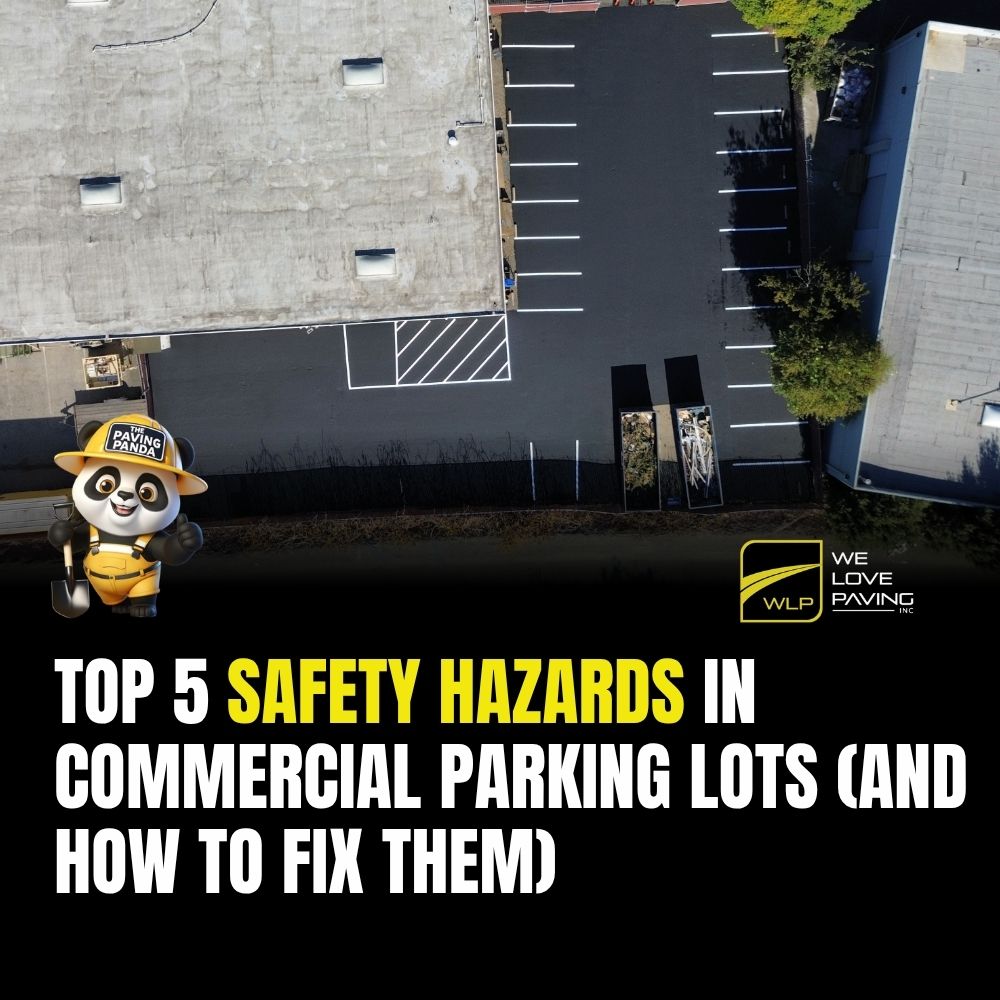
Sealcoat always requires new striping afterward.
This improves:
-
ADA visibility
-
Traffic flow
-
Tenant satisfaction
-
Curb appeal
-
Property value perception
Faded lines are one of the top liability risks for commercial properties.
How Sealcoating Saves You Money
Sealcoating on schedule can:
-
Extend asphalt life by 5–10 years
-
Reduce long-term repair costs by 40–60%
-
Prevent expensive base damage
-
Lower liability from cracks and trip hazards
-
Maintain ADA compliance
It’s one of the highest-ROI maintenance tasks for any property manager.
Final Answer: How Often Should You Sealcoat a Parking Lot?
-
High Traffic: Every 2–3 years
-
Medium Traffic: Every 3 years
-
Low Traffic: Every 3–5 years
-
New Asphalt: Wait 6–12 months
Consistent maintenance is the key to making asphalt last.
Need a Sealcoating Estimate or Schedule?
At We Love Paving, we help property managers plan sealcoat work with minimal disruption to tenants, ADA access, and commercial operations.
If you’d like, I can share a free maintenance plan template for your property.