How Long Does Asphalt Last in Sacramento, California? What Property Owners Actually See in the Field

We Love Paving services in Livermore. Professional paving contractor serving Livermore and Peninsula areas.
Estimation Tools

Calculate costs in seconds

Fast, accurate estimates that help you close more jobs. Less guesswork, more profit.

Asphalt doesn’t fail on a fixed schedule. In commercial and residential properties across Sacramento, its lifespan is shaped less by a calendar and more by heat cycles, traffic load, drainage conditions, and how consistently the surface is maintained.

When property managers ask “how long does asphalt last?”, they’re usually trying to plan budgets and avoid surprise failures—especially in parking lots where wear tends to show up unevenly rather than all at once.

In practice, asphalt in Sacramento behaves differently than in cooler coastal regions. High summer temperatures, long dry periods, and occasional heavy rain events all influence how quickly the surface oxidizes and breaks down.


Asphalt lifespan is a range, not a fixed number

In most real-world commercial and residential settings, asphalt lifespan typically falls within a broad range:

  • Light-use residential driveways: often 15–25 years
  • Commercial parking lots: often 12–20 years
  • Heavily trafficked or poorly drained areas: can degrade much sooner

The variation comes from how asphalt responds to stress over time. It does not “expire” uniformly; instead, it gradually loses flexibility, allowing cracks, raveling, and surface wear to appear.

In Sacramento specifically, prolonged heat exposure tends to accelerate surface oxidation, which makes asphalt more brittle and more prone to cracking under repeated vehicle loads.


What actually shortens asphalt life in Sacramento conditions

Several environmental and operational factors influence how long asphalt remains functional before major rehabilitation is needed.

Key contributors include:

  • Heat and UV exposure: Accelerates oxidation and surface drying
  • Heavy vehicle traffic: Repeated load stress in loading zones and drive lanes
  • Drainage issues: Standing water weakens base layers over time
  • Delayed maintenance: Small cracks evolve into structural deterioration
  • High-use turning areas: Tire shear causes surface breakdown faster than straight lanes

Sacramento’s long dry season can be misleading. While there’s less constant rainfall damage, the lack of moisture also contributes to drying and surface rigidity, which increases susceptibility to cracking when stress is applied.


Early signs asphalt is aging faster than expected

Most asphalt doesn’t fail suddenly—it sends visible signals first. Property managers often notice these during routine site walks before major issues develop.

Common early indicators include:

  • Fine surface cracking (often called “hairline” or alligator patterns)
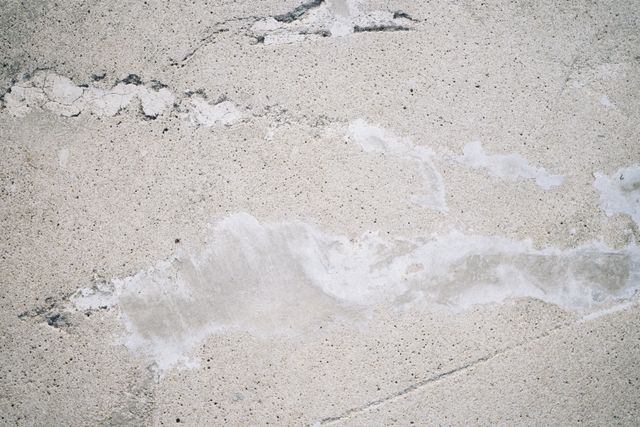
  • Faded, gray coloration indicating oxidation
  • Loose aggregate or sandy texture on the surface
  • Slight depressions in high-traffic areas
  • Water pooling in previously flat zones
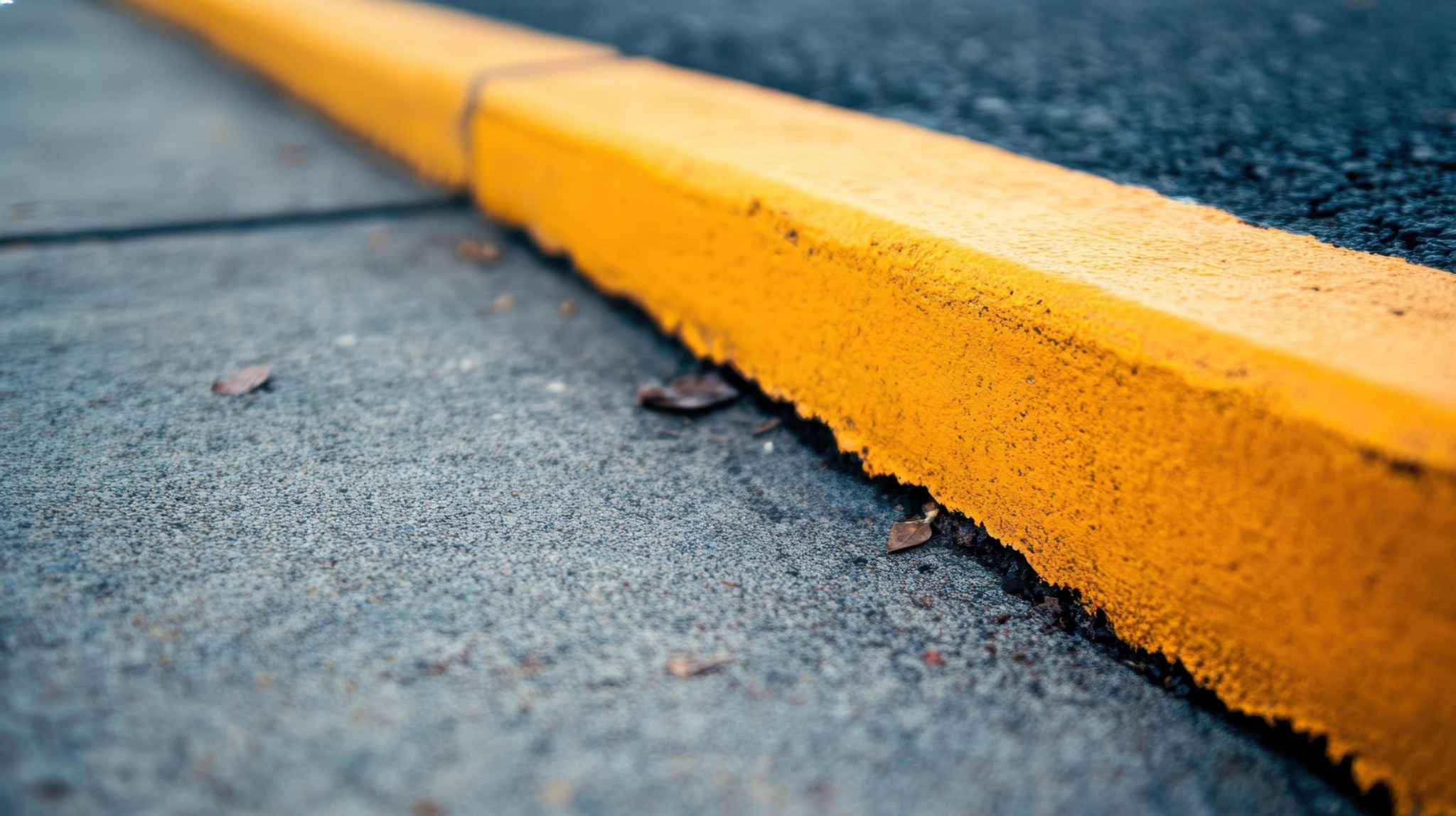
  • Edge breakdown near curbs or landscaping transitions

These signs don’t always mean immediate reconstruction is needed, but they do suggest the pavement is moving into a higher maintenance phase where preventive action matters more than reactive repair.


Maintenance habits that extend asphalt performance

Asphalt lifespan is strongly influenced by how it is maintained during its mid-life years. Even modest upkeep can slow deterioration significantly.

Practical maintenance behaviors include:

  • Sealing surface oxidation at appropriate intervals
  • Addressing cracks before they widen and allow moisture intrusion
  • Keeping drainage paths clear and functional
  • Repairing localized failures instead of waiting for spread
  • Monitoring high-stress turning areas in parking lots

Sealcoating, when applied at the right time in the pavement lifecycle, helps slow oxidation and protects the surface from gradual breakdown. However, it is most effective as a preventive measure—not a repair for already failing pavement.


When asphalt stops being “maintenance” and becomes planning

There’s a point in every pavement lifecycle where patching and sealing no longer provide meaningful improvement. Instead, the surface begins to show widespread fatigue, often across multiple zones at once.

At that stage, property managers typically shift from routine maintenance decisions to long-term planning considerations such as resurfacing or phased reconstruction.

This transition is usually driven less by age alone and more by:

  • Frequency of recurring cracks
  • Increasing repair coverage area
  • Loss of surface consistency across the site
  • Ongoing drainage inefficiencies

Recognizing this shift early helps avoid reactive decision-making during peak failure periods.


Closing perspective for property owners

Asphalt lifespan in Sacramento is best understood as a moving target shaped by heat exposure, traffic behavior, and how consistently the surface is maintained. Two properties built in the same year can show completely different conditions depending on how they are used and cared for.

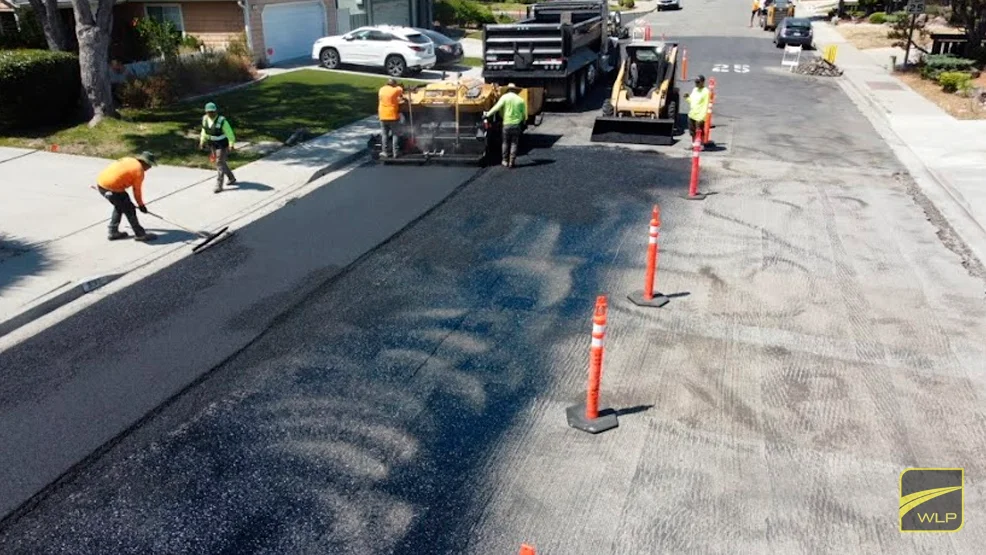
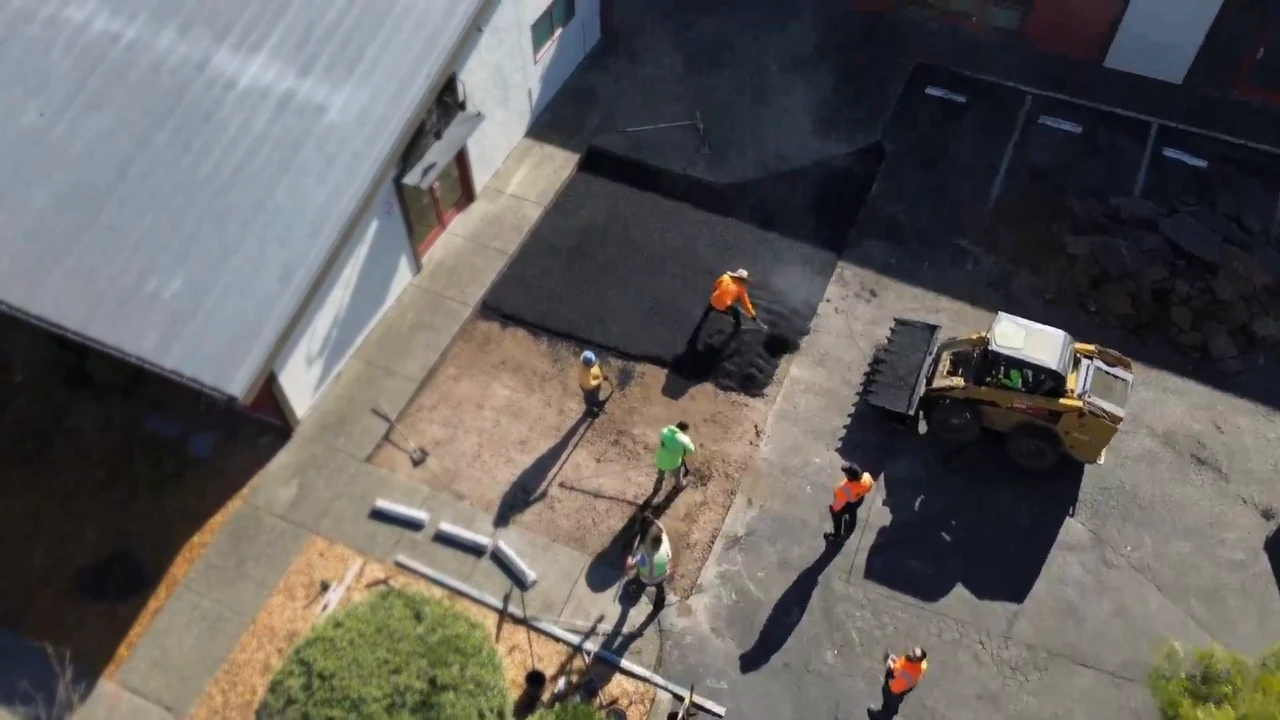
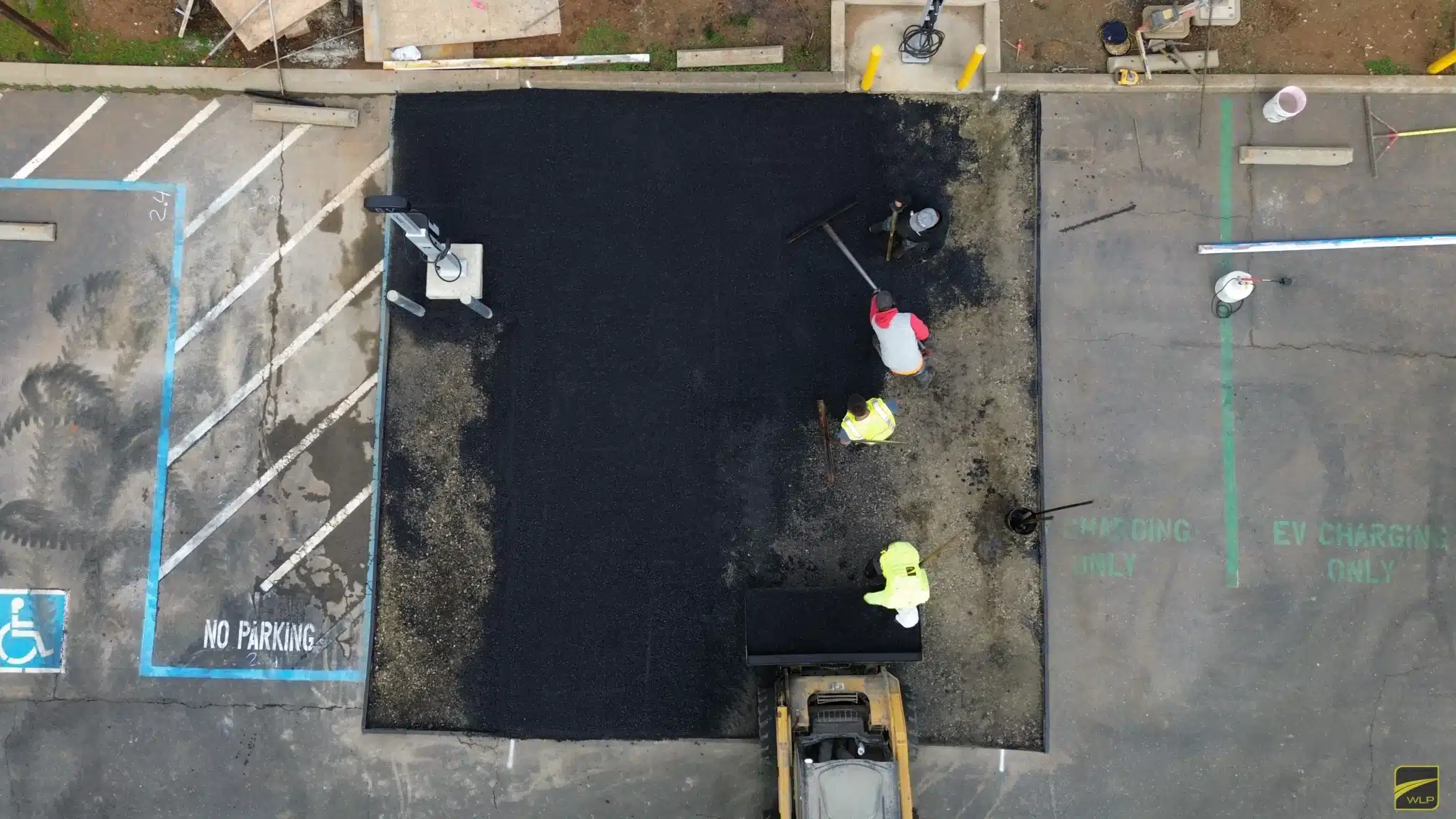
Aerial view of a paving crew and machinery resurfacing a residential road with fresh asphalt. Project by We Love Paving in Northern California, CA.

Need Immediate Help?

Let's Talk About Your Project

Don't wait until minor damage turns into major expenses. Our team of experts is ready to provide you with guaranteed solutions. Contact us now for direct advice from a professional.

Frequently Asked Questions (FAQ)

Got Questions? Find Your Answers Here!!

What is the average life expectancy of asphalt paving in Sacramento?

The average life expectancy of asphalt paving in Sacramento ranges from twenty to twenty-five years with proper maintenance. Sacramento’s extreme summer temperatures and expansive clay soils require specialized hot-mix designs to prevent premature cracking. Implementing professional sealcoating every three years can extend this functional lifespan by up to thirty percent effectively.

How does the Sacramento climate impact asphalt durability?

Sacramento’s climate impacts asphalt durability through intense UV radiation and peak summer temperatures often exceeding one hundred degrees. These conditions cause the asphalt binder to oxidize and become brittle, leading to surface raveling. Utilizing high-albedo sealants helps mitigate thermal absorption, preventing ninety percent of the structural damage caused by excessive heat.

Why is sealcoating essential for Sacramento asphalt pavements?

Sealcoating is essential for Sacramento asphalt because the process shields the surface from oil spills and moisture penetration. In the Central Valley, untreated asphalt loses its flexibility within five years due to oxidation. Applying a coal-tar or asphalt emulsion sealcoat every thirty-six months reduces long-term maintenance costs by sixty percent.

What factors determine the lifespan of a driveway in Sacramento?

Driveway lifespan in Sacramento is determined by subgrade compaction, drainage efficiency, and the quality of the aggregate base. Expansive clay soil requires a six-inch compacted rock base to prevent structural shifting. Proper engineering ensures that ninety-five percent of structural failures are avoided, allowing the pavement to remain functional for decades.

How does drainage influence asphalt longevity in Northern California?

Drainage influences asphalt longevity by preventing water from saturating the aggregate base and weakening the subgrade soil. In Northern California, standing water causes eighty percent of premature pothole formations. Installing a minimum one percent slope ensures that runoff is managed correctly, protecting the asphalt’s structural integrity during heavy winter rains.

Professional customer review project by We Love Paving in Northern California, California. Verified local construction quality.

Fred / Founder

Fred, Founder and Regional Operations Manager at We Love Paving, comes from a family that values hard work and discipline. Growing up watching his parents work long hours with integrity and dedication, Fred learned early on that quality paving isn’t just about asphalt, it’s about consistency, accountability, and doing the job right.

Share

Posts That Might Interest You

Sacramento Paving Solutions: Can You Put Asphalt Over Dirt?

Sacramento Paving Solutions: Can You Put Asphalt Over Dirt?

May 21, 2026

In Sacramento, California, where the weather is mostly warm and the urban landscape is continually evolving, maintaining durable and attractive driveways, pathways, and parking areas is essential. One common question that homeowners and property managers often ask is whether it’s possible to put asphalt directly over dirt. This comprehensive guide will explore the feasibility, benefits,

Is Asphalt Hard to Maintain?

Is Asphalt Hard to Maintain?

May 20, 2026

Asphalt is a popular material for driveways, parking lots, and roadways due to its durability, cost-effectiveness, and ease of installation. However, like any material, it requires maintenance to ensure longevity and optimal performance. In this blog post, we will explore the challenges and best practices of asphalt maintenance to determine whether it is indeed hard

Signs Your Parking Lot Needs Maintenance Before Small Problems Spread

Signs Your Parking Lot Needs Maintenance Before Small Problems Spread

May 18, 2026

The signs your parking Lot needs maintenance rarely appear all at once. A parking lot usually warns you in stages. First, the striping fades. Then small cracks appear. Water starts sitting in the same low area after rain. A pothole forms near the entrance. The surface looks dry, gray, and brittle. Tenants, customers, residents, or

Pavement vs Concrete: Which Is Better for Your Commercial Property?

Pavement vs Concrete: Which Is Better for Your Commercial Property?

May 18, 2026

“Pavement vs concrete” is a common comparison, but it starts with a technical problem. Concrete is pavement too. A commercial parking lot, driveway, loading area, or access road can be paved with asphalt, concrete, pavers, or other hard-surface materials. So the real question is not pavement vs concrete. The useful question is asphalt pavement vs

Next

Estimation Tools

Calculate costs in seconds

Fast, accurate estimates that help you close more jobs. Less guesswork, more profit.

{ "@context": "https://schema.org", "@graph": [ { "@type": "WebPage", "@id": "https://www.welovepaving.com/technical-steps-professional-asphalt-paving/#webpage", "url": "https://www.welovepaving.com/technical-steps-professional-asphalt-paving/", "name": "The Definitive Guide: Critical Steps in Professional Asphalt Paving", "description": "Technical guide and engineering protocol for high-durability asphalt installation, maintenance, and mix specifications.", "datePublished": "2026-04-25" }, { "@type": "FAQPage", "@id": "https://www.welovepaving.com/technical-steps-professional-asphalt-paving/#faq", "mainEntityOfPage": "https://www.welovepaving.com/technical-steps-professional-asphalt-paving/#webpage", "mainEntity": [ { "@type": "Question", "name": "What is the average life expectancy of asphalt paving in Sacramento?", "acceptedAnswer": { "@type": "Answer", "text": "In Sacramento, the average life expectancy of well-constructed asphalt pavement ranges from 15 to 30 years. Longevity depends heavily on climate, traffic volume, material quality, and consistent routine maintenance practices." } }, { "@type": "Question", "name": "How does the Sacramento climate impact asphalt durability?", "acceptedAnswer": { "@type": "Answer", "text": "Sacramento experiences extreme summer heat with temperatures frequently exceeding 90°F, causing asphalt to soften. In the winter, cooler temperatures lead to contraction. This continuous expansion and contraction cycle can result in cracks and potholes over time." } }, { "@type": "Question", "name": "Why is sealcoating essential for Sacramento asphalt pavements?", "acceptedAnswer": { "@type": "Answer", "text": "Sealcoating is essential because it shields the asphalt surface from UV rays, water infiltration, and oxidation. Applying a sealcoat every 3 to 5 years significantly extends the functional lifespan of the pavement and reduces long-term repair costs." } }, { "@type": "Question", "name": "What factors cause premature failure in Sacramento asphalt?", "acceptedAnswer": { "@type": "Answer", "text": "Premature failures, such as cracking and potholes within the first 5 years, are typically caused by inadequate subgrade preparation, substandard materials, or a lack of routine maintenance. Areas with heavy commercial traffic require more robust asphalt solutions." } }, { "@type": "Question", "name": "What technological innovations improve asphalt performance in fluctuating temperatures?", "acceptedAnswer": { "@type": "Answer", "text": "Modern innovations like Polymer-Modified Asphalt enhance flexibility and crack resistance against temperature swings. Additionally, Warm Mix Asphalt (WMA) allows for installation at lower temperatures, leading to reduced emissions and better overall workability." } } ] } ] }