Why “competition” in paving looks different on the ground
When people think about competition in paving, they usually imagine pricing wars between contractors. In reality, the competitive dynamics of paving services in San Jose are shaped less by who is cheapest and more by who can reliably execute work under real-world constraints: traffic, access limitations, tenant activity, and scheduling pressure from commercial properties.
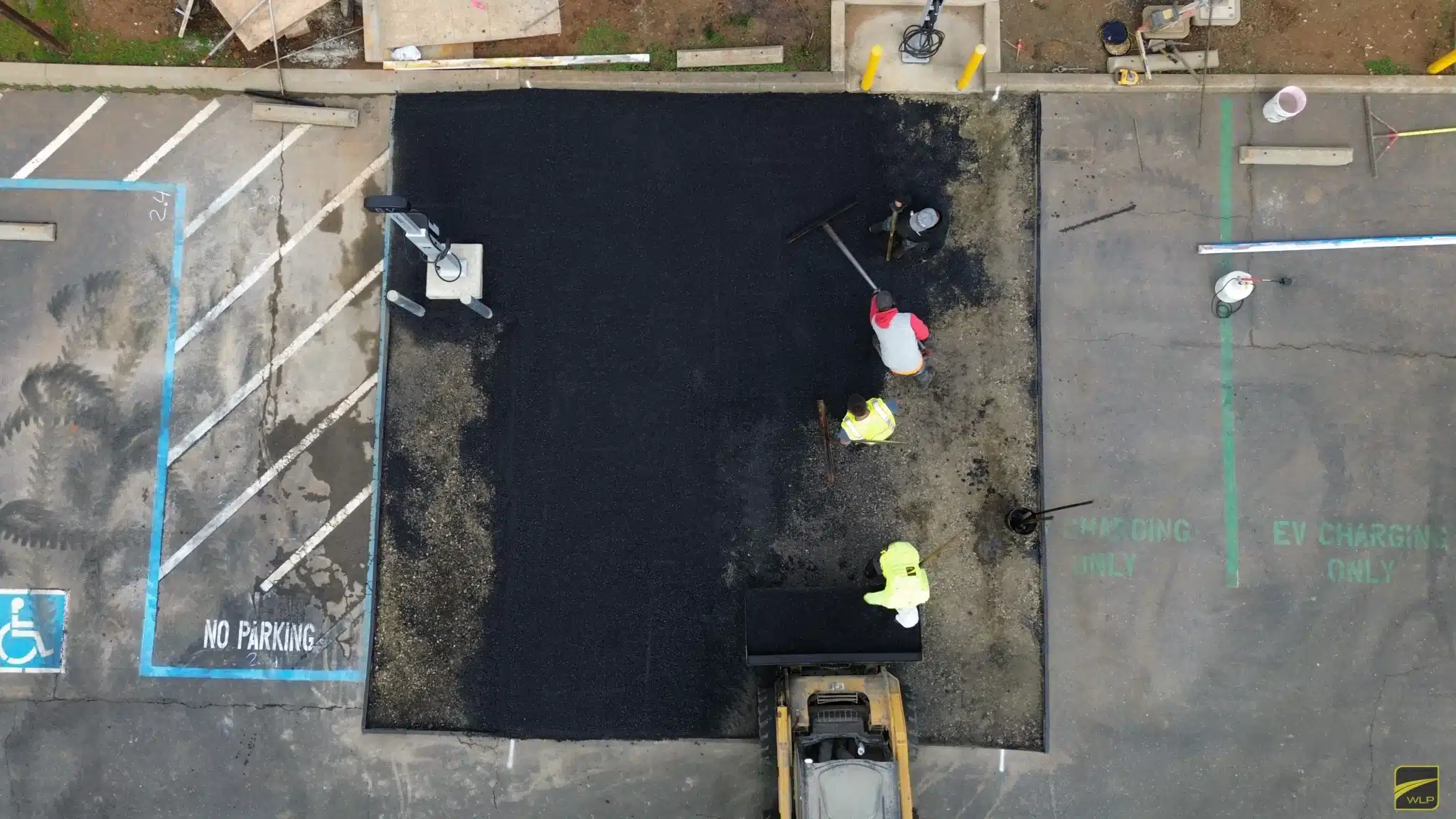
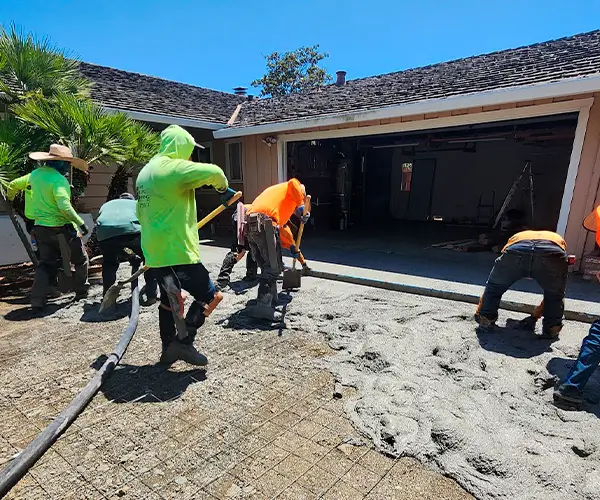
A parking lot project rarely exists in isolation. It is tied to business operations, delivery schedules, customer access, and in many cases, HOA or property management coordination. Contractors are not just competing on price they are competing on timing reliability, coordination ability, and how little disruption they create on active sites.
In dense commercial environments, the contractor who can phase work without shutting down operations often wins over the lowest bid.
The hidden pressure points that shape contractor competition
One of the strongest drivers of competition is scheduling density. In San Jose, many paving crews are booked weeks in advance during peak construction periods. Contractors with stronger planning systems gain a structural advantage because they can actually deliver within promised timelines.
Another major factor is site complexity. Properties with high traffic flow, delivery zones, and mixed-use access points require more coordination than simple open lots. These projects naturally favor contractors who regularly handle operational environments like retail centers, industrial parks, and HOA communities.
Material logistics also influence competition. Asphalt plant proximity, haul times, and delivery sequencing can determine which contractors can realistically accept a job without delays.
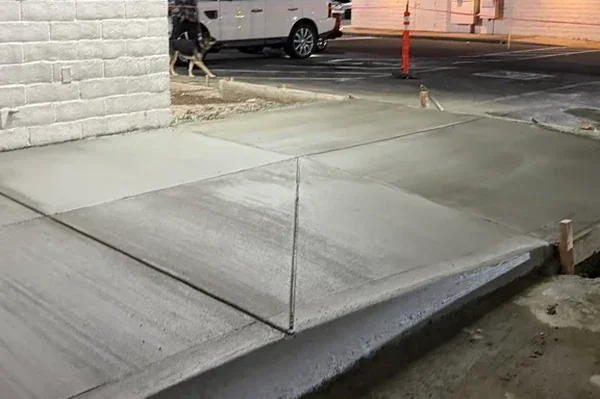
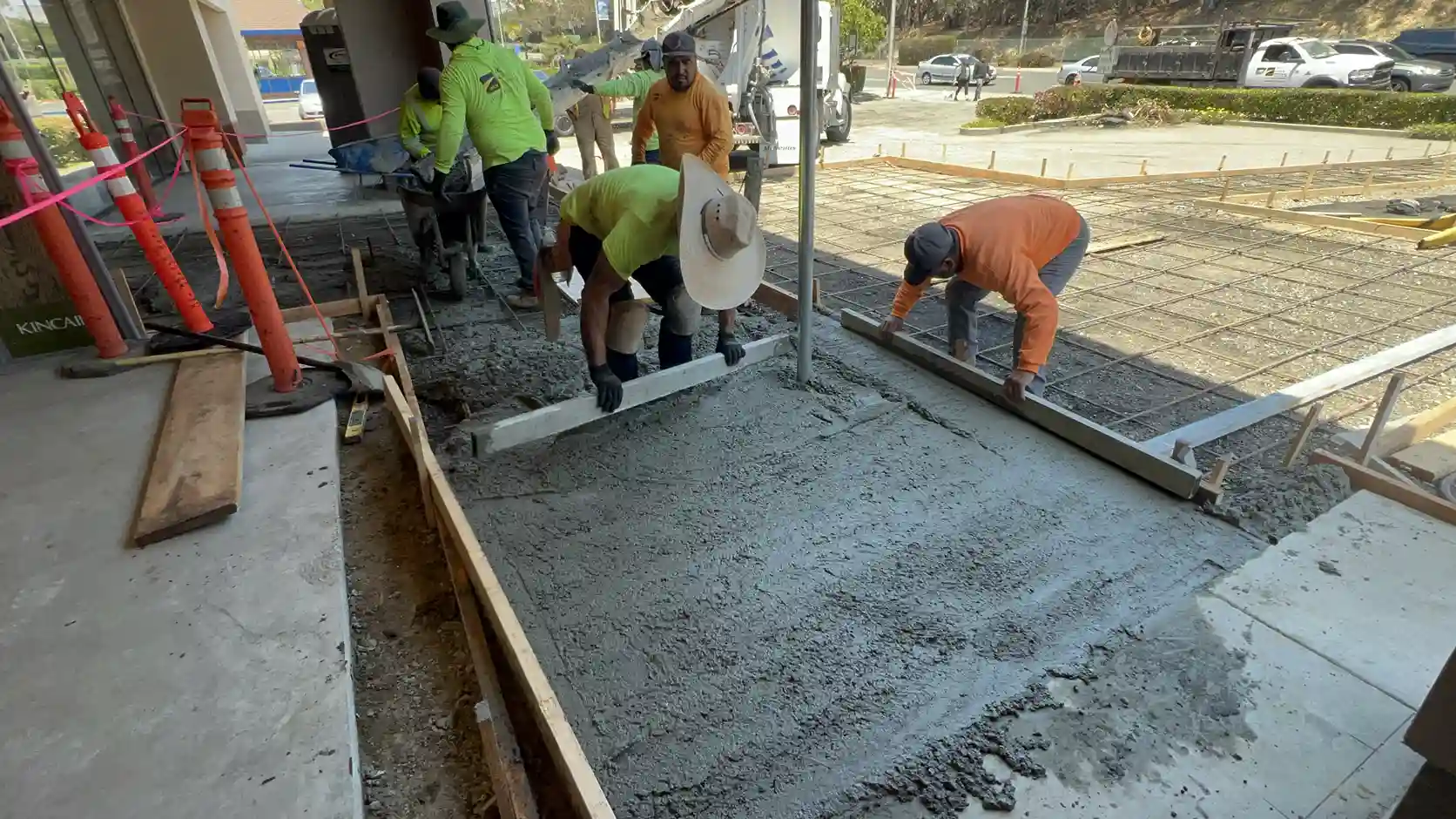
In more complex environments, accessibility considerations can also shape planning. When pedestrian routes, ramps, or access pathways are part of the project scope, coordination with ADA upgrades often becomes part of understanding how the site functions as a whole rather than a standalone task.
How property conditions influence bidding behavior
Not all parking lots are evaluated equally during the bidding process. Contractors adjust pricing and execution plans based on visible site conditions such as:
- Surface cracking patterns and depth
- Drainage behavior during rain events
- High-wear traffic zones like entrances and loading areas
- Previous patch quality and repair history
- Striping visibility and layout complexity
When these conditions combine, they change how a project is scoped from the beginning.
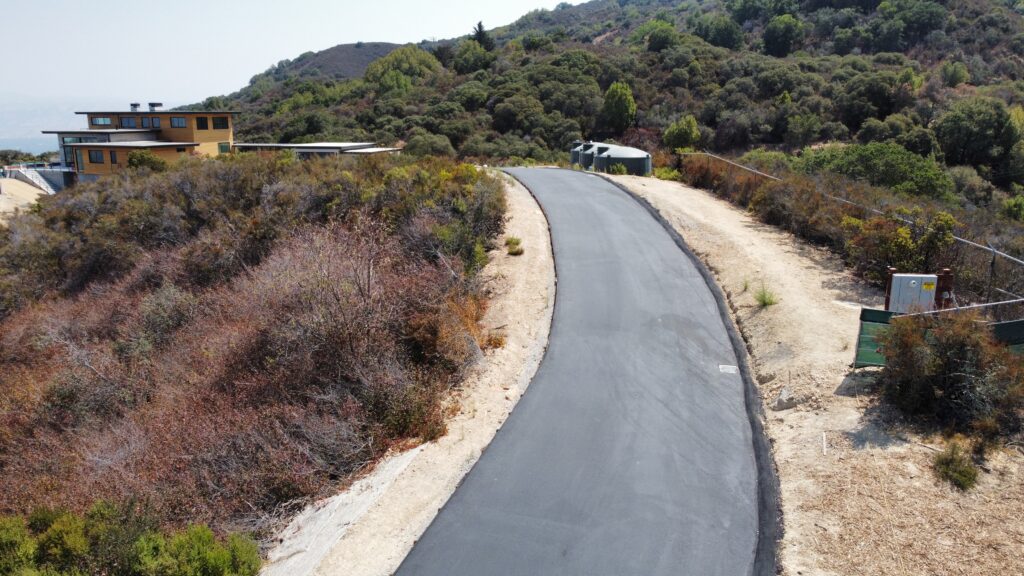
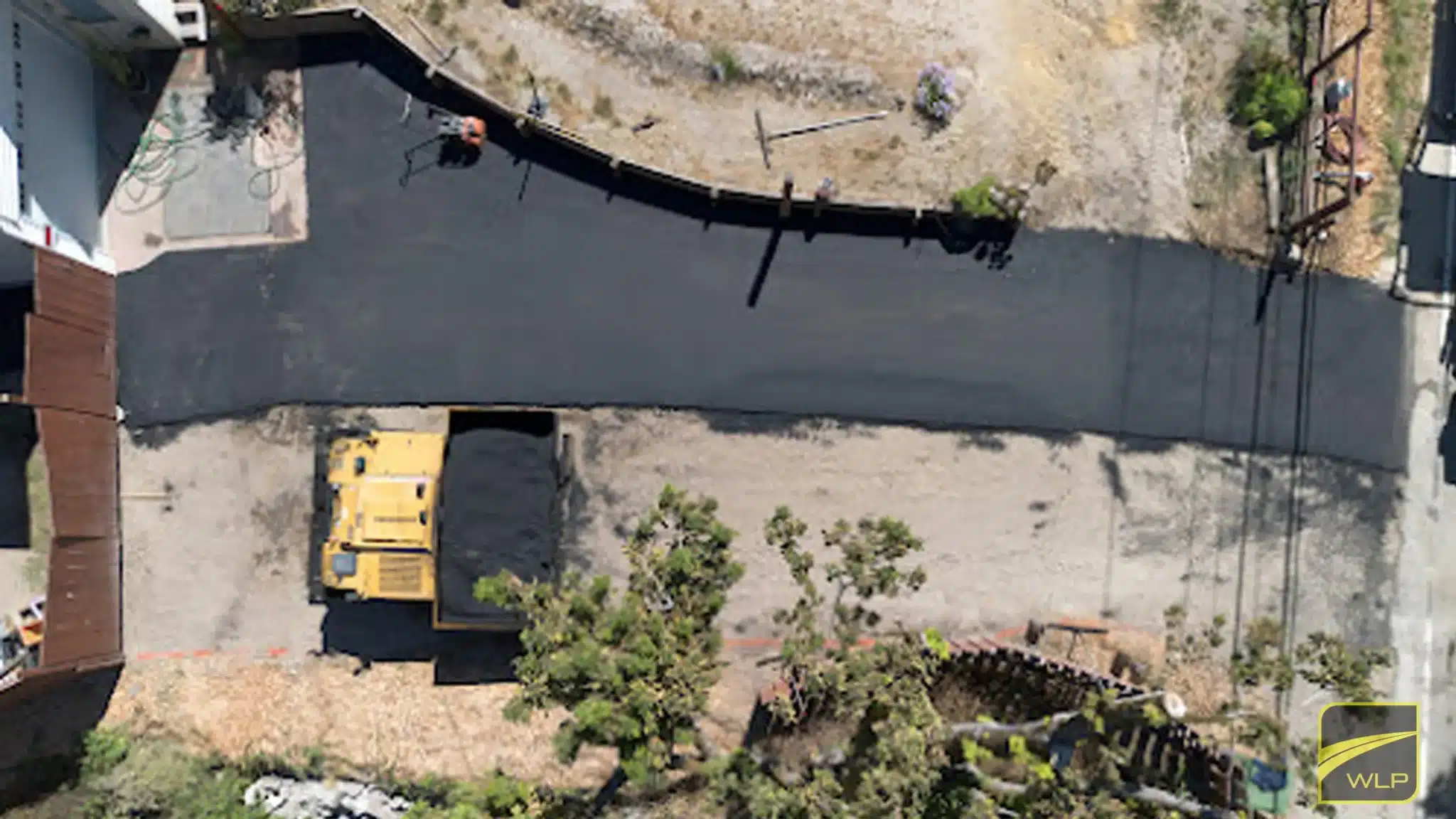
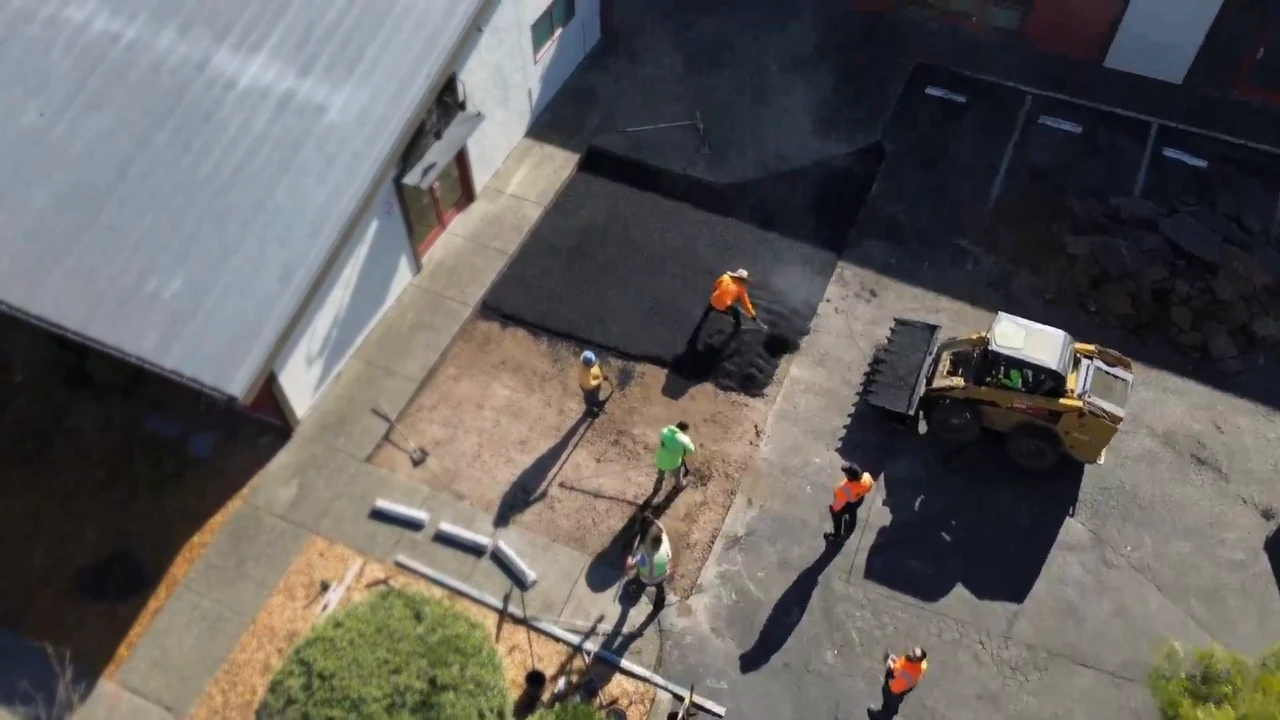
For example, when surface degradation reaches multiple layers of the pavement structure, asphalt paving may involve more than resurfacing it can include base evaluation, removal planning, and phased reconstruction sequencing.
Similarly, worn markings or unclear traffic organization can shift project priorities. In many commercial lots, parking lot striping becomes part of the broader discussion about usability, circulation, and safety visibility rather than just aesthetics.
Operational capability vs pricing pressure
A common misconception is that the lowest bid wins most projects. In practice, operational capability often matters more than price alone.
Contractors are evaluated on their ability to:
- Phase construction around tenant activity
- Maintain consistent crew availability
- Adapt to unexpected subsurface conditions
- Coordinate multi-day work windows
- Minimize disruption during active business hours
More established operators tend to win work not because they are cheapest, but because they reduce uncertainty for property managers.
This is where lifecycle thinking becomes important. Instead of reacting to isolated damage, many properties benefit from structured parking lot maintenance approaches that reduce emergency repairs and improve long-term planning stability.
Market segmentation inside paving services
The paving market is not one competitive pool. It is divided into operational tiers:
- Small repair-focused crews handling localized patching
- Mid-size contractors managing resurfacing and full lot projects
- Large commercial operators working with retail centers, HOAs, and industrial properties
Each segment competes differently. Smaller contractors often win on responsiveness and flexibility. Larger firms win on capacity, scheduling reliability, and handling complex multi-phase projects.
This segmentation also influences how property managers form expectations about cost, timing, and disruption levels.
Research on parking lot impressions shows that early visual conditions such as cleanliness, markings, and surface uniformity often influence how stakeholders evaluate overall property quality before deeper inspection occurs.
What property managers actually compare (beyond price)
In real-world decision-making, price is only one variable. Property managers and facility teams often prioritize:
- Ability to coordinate phased access
- Experience with similar property types
- Clarity of scope and communication
- Reliability during execution windows
- Minimization of tenant disruption
These priorities often outweigh small differences in bid amounts because operational interruption has its own cost structure that is not always visible in proposals.
In many cases, properties shift toward a preventive maintenance mindset, where long-term planning reduces reactive repair cycles and stabilizes budgeting over time.
Closing perspective
Competitive dynamics in paving are ultimately shaped by how commercial properties function day to day. In active environments, the real differentiator is not just cost or equipment it is the ability to align construction sequencing with real operational demands like traffic flow, tenant access, and long-term maintenance planning.
At We Love Paving, this perspective is often applied through a practical lens that focuses on how pavement conditions interact with property usability over time, rather than treating each project as an isolated construction event.