Napa stands as a testament #1

We Love Paving services in San Jose. Professional paving contractor serving San Jose and Stanford areas.
Estimation Tools

Calculate costs in seconds

Fast, accurate estimates that help you close more jobs. Less guesswork, more profit.

Growth and Prosperity

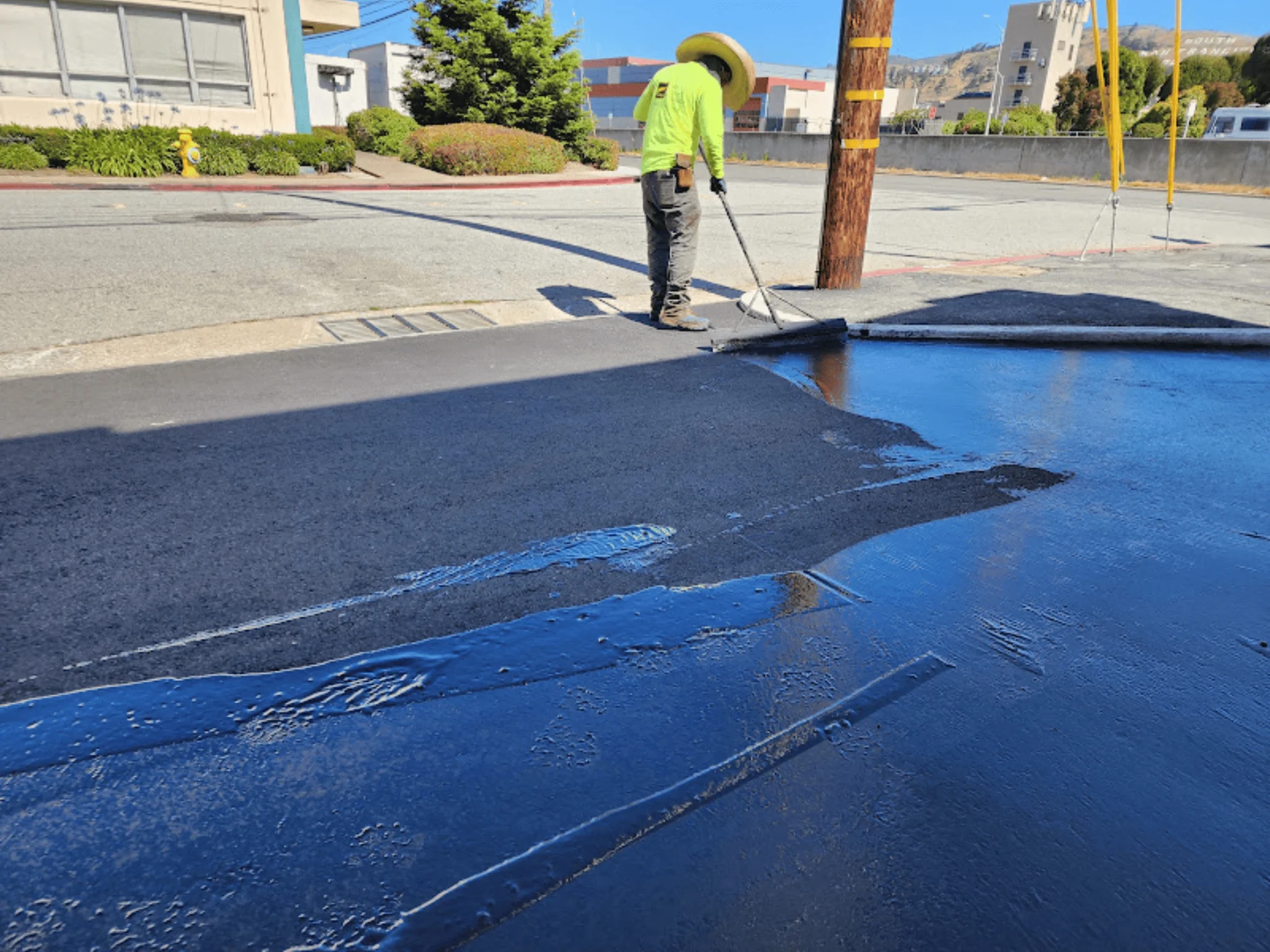
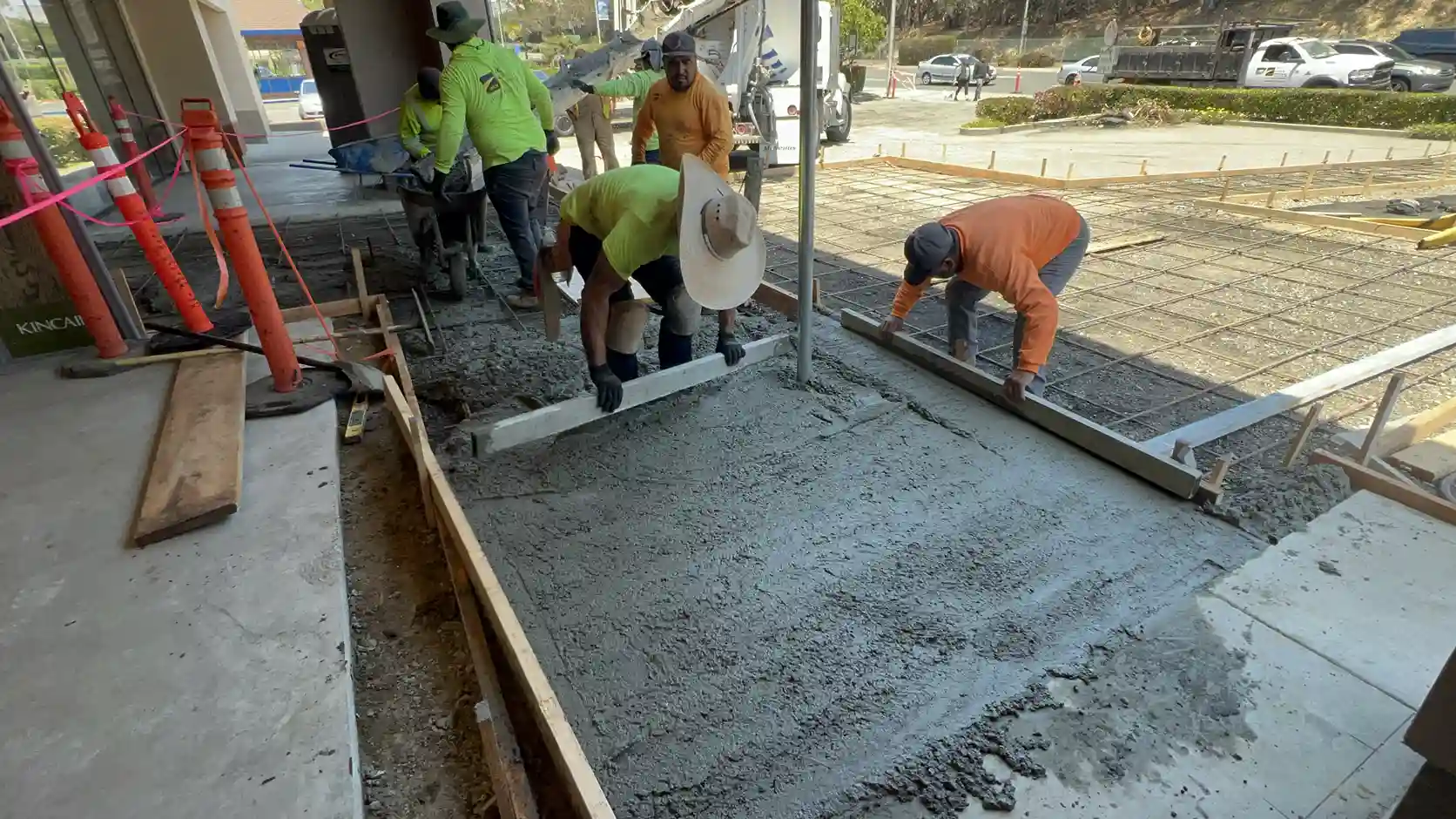
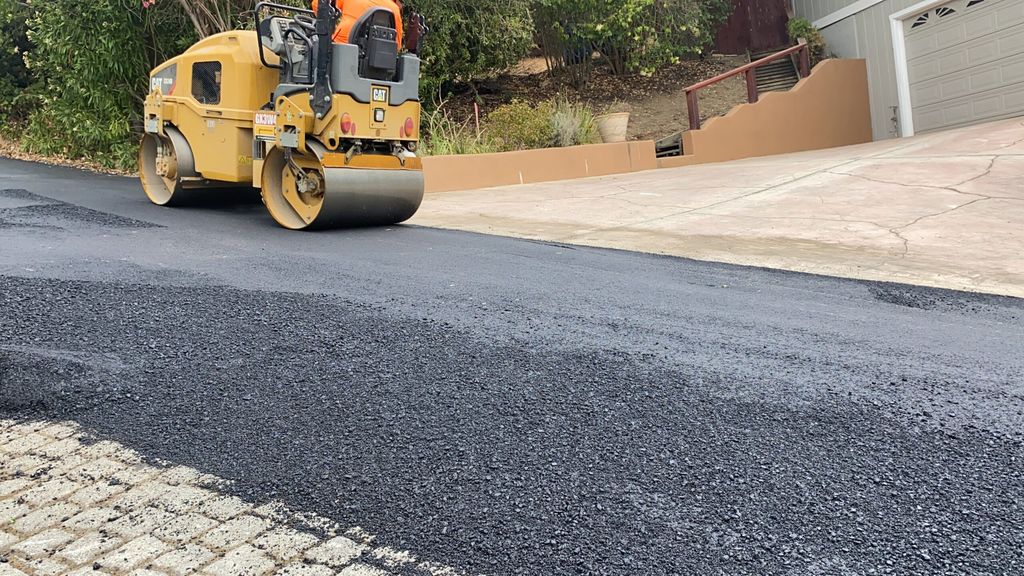
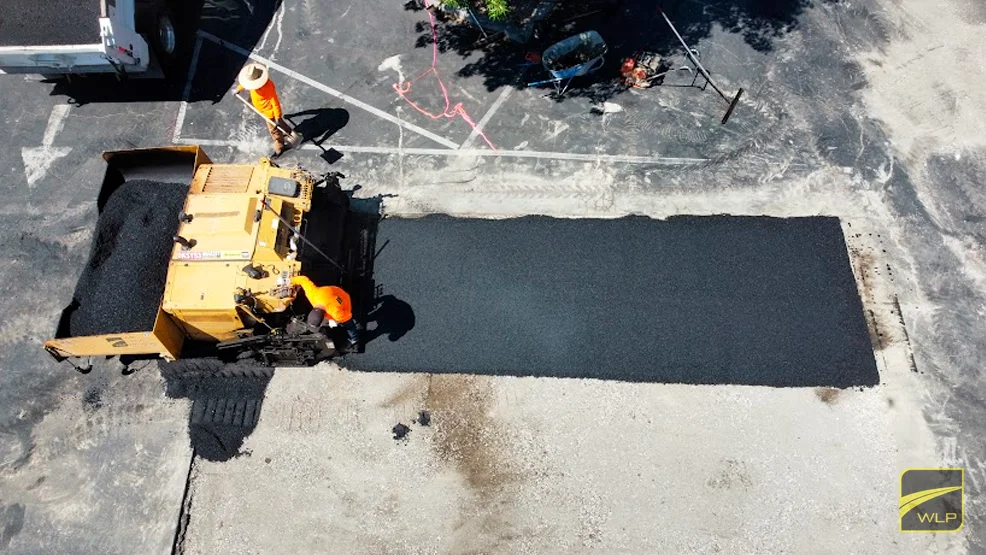
The city of Napa stands as a testament to growth and opportunity. With its picturesque landscapes and thriving hospitality sector, Napa has become a magnet for tourists and residents alike. Amidst this backdrop of prosperity, We Love Paving emerges as a key player in shaping the city’s future, particularly through its ambitious plans to construct new parking lots throughout Napa.

Nestled amidst the rolling vineyards and scenic vistas, Napa’s hospitality industry reigns supreme, drawing visitors from far and wide. The influx of tourists fuels a vibrant economy, with the hospitality, arts, and entertainment sectors contributing significantly to the city’s revenue streams. One notable source of income is the Transient Occupancy Tax (TOT), generated primarily through hotel stays. This revenue not only fills the coffers of Napa’s general fund but also holds the promise of supporting affordable and workforce housing initiatives, thanks to the voter-approved housing measure in November 2018.

With the potential to earmark a portion of TOT receipts for economic development endeavors, Napa finds itself at a crossroads of opportunity. Enhanced business attraction activities and strategic downtown investments could further bolster the city’s economic landscape, attracting regional businesses and fostering employment growth. Moreover, initiatives aimed at streamlining permitting processes and offering incentives to small businesses could serve as catalysts for entrepreneurial success within Napa’s borders.

Reasonable Allocation of TOT

Yet, as Napa charts its course toward progress, it must tread carefully, balancing its obligations to residents with the imperative of economic expansion. The judicious allocation of TOT receipts represents a delicate balancing act, wherein the city seeks to nurture its flourishing hospitality sector while also nurturing the seeds of future growth.

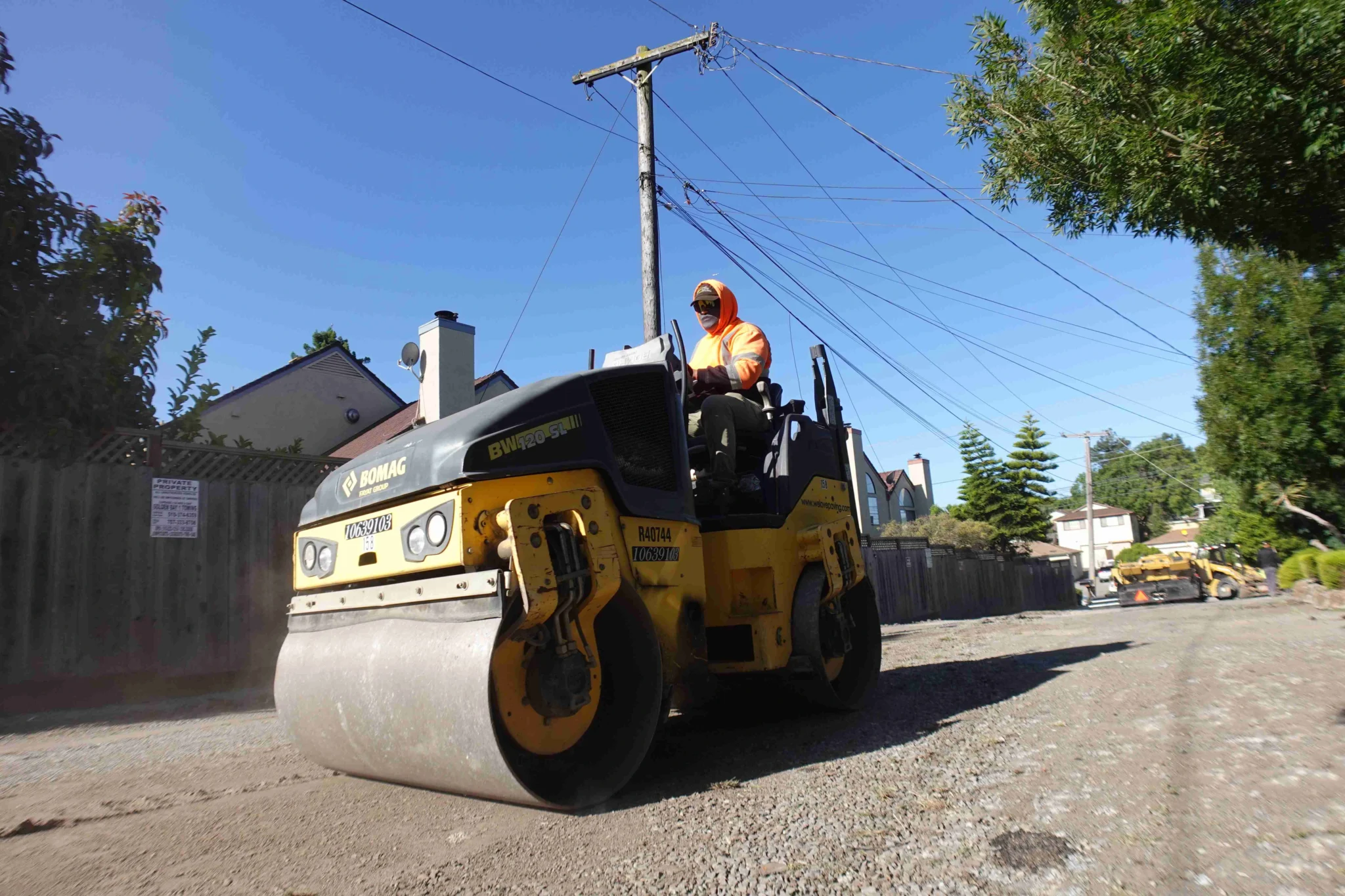
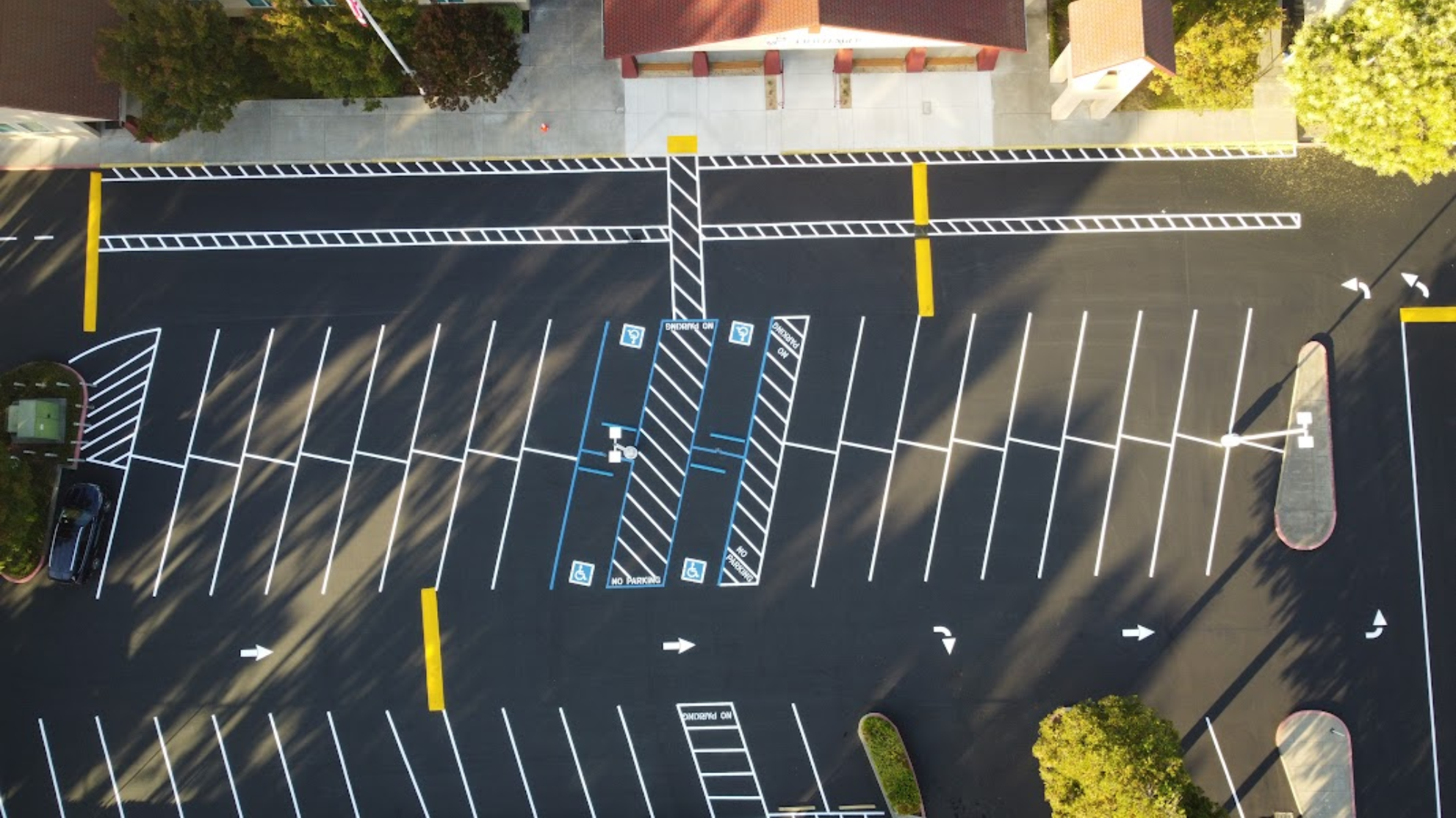
Against this backdrop of dynamic growth and economic promise, We Love Paving steps into the spotlight, poised to leave an indelible mark on Napa’s urban landscape. As the company embarks on its mission to construct new parking lots throughout the city, it not only paves the way for enhanced accessibility but also becomes an integral part of Napa’s narrative of growth and prosperity.

Spirit of Innovation and Progress

In the ever-evolving tapestry of Napa’s story, We Love Paving stands as a testament to the spirit of innovation and progress that defines this vibrant city. As construction crews work tirelessly to lay the foundations for a brighter future, Napa’s trajectory toward greatness seems all but assured. And with each new parking lot that graces its streets, the city takes another step forward on its journey toward becoming a beacon of opportunity and prosperity in the heart of California’s wine country.

Need Immediate Help?

Let's Talk About Your Project

Don't wait until minor damage turns into major expenses. Our team of experts is ready to provide you with guaranteed solutions. Contact us now for direct advice from a professional.

Frequently Asked Questions (FAQ)

Got Questions? Find Your Answers Here!!

How does the hospitality sector impact Napa’s local economy?

The hospitality industry in Napa fuels a vibrant economy through the Transient Occupancy Tax (TOT) generated from hotel stays. These tax revenues support the city’s general fund and finance affordable housing initiatives following the voter-approved measure of November 2018, ensuring economic growth and prosperity for local residents.

What role does We Love Paving play in Napa’s urban development?

We Love Paving serves as a key player in Napa's future by constructing new parking lots throughout the city to enhance urban accessibility. As a professional paving contractor, the company supports Napa’s thriving hospitality sector, driving innovation and infrastructure progress while fostering regional business attraction and employment growth.

How does Napa finance its affordable and workforce housing projects?

Napa generates funding for affordable and workforce housing initiatives primarily through the Transient Occupancy Tax (TOT) collected from visitors. Following the specific voter-approved housing measure in November 2018, Napa allocates these resources to balance hospitality expansion with the immediate housing needs of the city's essential residents and workforce.

What incentives are available for small businesses in Napa?

Napa bolsters its economic landscape by streamlining permitting processes and offering strategic incentives to small businesses and entrepreneurs within the city. Utilizing Transient Occupancy Tax receipts for economic development endeavors allows Napa to attract regional businesses, foster diverse employment opportunities, and maintain a competitive edge in California’s wine country.

Why is parking infrastructure critical for Napa’s tourism growth?

The construction of new parking lots by We Love Paving enhances urban accessibility and supports Napa’s trajectory toward long-term prosperity. These infrastructure projects accommodate the high volume of tourists attracted to the hospitality sector, ensuring that Napa remains a beacon of opportunity while modernizing the city’s foundation for future growth.

Professional customer review project by We Love Paving in Northern California, California. Verified local construction quality.

Fred / Founder

Fred, Founder and Regional Operations Manager at We Love Paving, comes from a family that values hard work and discipline. Growing up watching his parents work long hours with integrity and dedication, Fred learned early on that quality paving isn’t just about asphalt, it’s about consistency, accountability, and doing the job right.

Share

Posts That Might Interest You

The Great Debate: Is 2 Inches of Gravel Enough for a Driveway?

The Great Debate: Is 2 Inches of Gravel Enough for a Driveway?

May 16, 2026

When it comes to building a driveway, one of the key decisions homeowners face is determining the appropriate thickness of the gravel base layer. While some may argue that 2 inches of gravel is sufficient to support the weight of vehicles and provide a stable foundation, others advocate for thicker layers to ensure long-term durability

Why Is Parking So Expensive for Property Owners?

May 15, 2026

Many commercial property owners underestimate how expensive parking areas become once maintenance, accessibility, and pavement deterioration start overlapping at the same time. At first, parking lot costs usually appear manageable. Small cracks, faded striping, drainage problems, or isolated surface wear may not seem urgent while the property continues operating normally. Over time, however, those smaller

ADA Compliant Checklist for Parking Lots

ADA Compliant Checklist for Parking Lots

May 15, 2026

Many commercial properties develop accessibility problems gradually without property owners realizing how much conditions have changed over time. Parking lots, sidewalks, ramps, and pedestrian access routes constantly experience wear from traffic movement, weather exposure, drainage shifts, and surface aging. Because these changes happen slowly, accessibility concerns are often overlooked until inspections, complaints, or liability risks

Biggest Mistakes Made by a Landlord With Parking Lots

Biggest Mistakes Made by a Landlord With Parking Lots

May 15, 2026

Many property owners focus heavily on tenant spaces, landscaping, and building appearance while overlooking one of the most heavily used parts of the property: the parking lot. The problem is that pavement deterioration rarely stays cosmetic for long. Small surface issues gradually begin affecting traffic flow, drainage behavior, pedestrian safety, tenant perception, and operational costs

Next

Estimation Tools

Calculate costs in seconds

Fast, accurate estimates that help you close more jobs. Less guesswork, more profit.