What’s Changing?
California is stepping up its oversight of pavement conditions on commercial properties. While much of the existing focus has been on roads and public right-of-ways, private commercial surfaces (parking lots, drive aisles, loading zones) are increasingly on the regulatory radar. The new push emphasizes:
-
Preventive maintenance rather than reactive fixes
-
Documentation of pavement condition and repairs
-
Accessibility, safety and long-term service life of paved surfaces
Though full statewide regulatory text may still be rolling out, municipal codes and industry guidance already point toward tighter expectations. For example, local property-maintenance codes include mandates that parking surfaces must be kept free of cracks, potholes and unsafe conditions. City of Diamond Bar+1
Why It Matters for Commercial Property Owners
For owners and managers of commercial real estate, this regulatory shift brings both risk and opportunity:
-
Risk: Poorly maintained pavement can lead to citations, liability claims, increased insurance premiums, and reputation damage. If regulations now require documentation of maintenance schedules and conditions, properties that skip upkeep may face penalties.
-
Opportunity: By proactively addressing pavement condition, you position your property as safe, well-managed and compliant. That can drive tenant satisfaction, reduce repair costs and protect your asset value.
Key Areas to Monitor
Here are some of the pavement maintenance areas that commercial properties should be especially aware of under the tightened regulatory environment:
1. Surface Condition & Repair
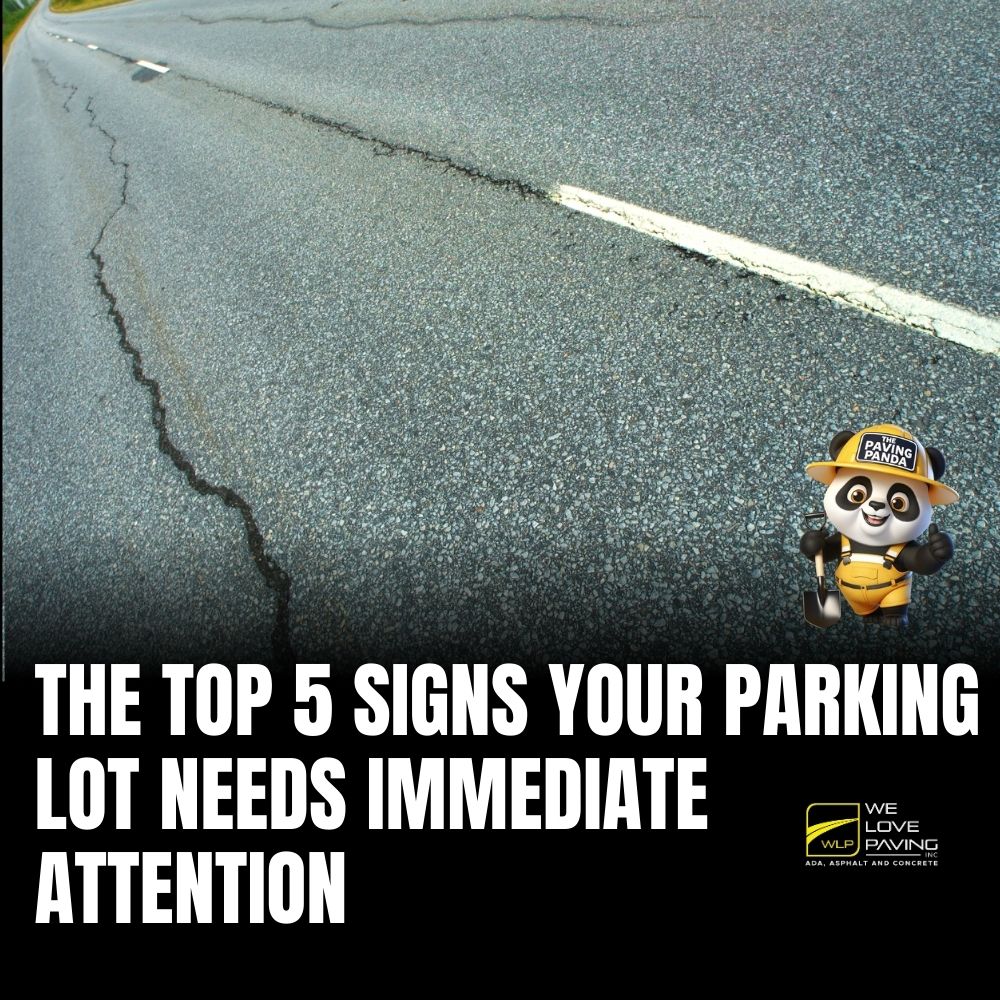
Cracks, potholes and surface failures are not only unsightly—they allow water intrusion, base degradation and rapid deterioration. Many regulatory-style manuals treat these as imminent hazards once they reach a threshold. Caltrans+1
2. Drainage & Ponding Prevention
Standing water or poor drainage accelerates asphalt failure. Regulations may require proper slope, clean drainage, and elimination of water accumulation.
3. Striping, Markings & Accessibility
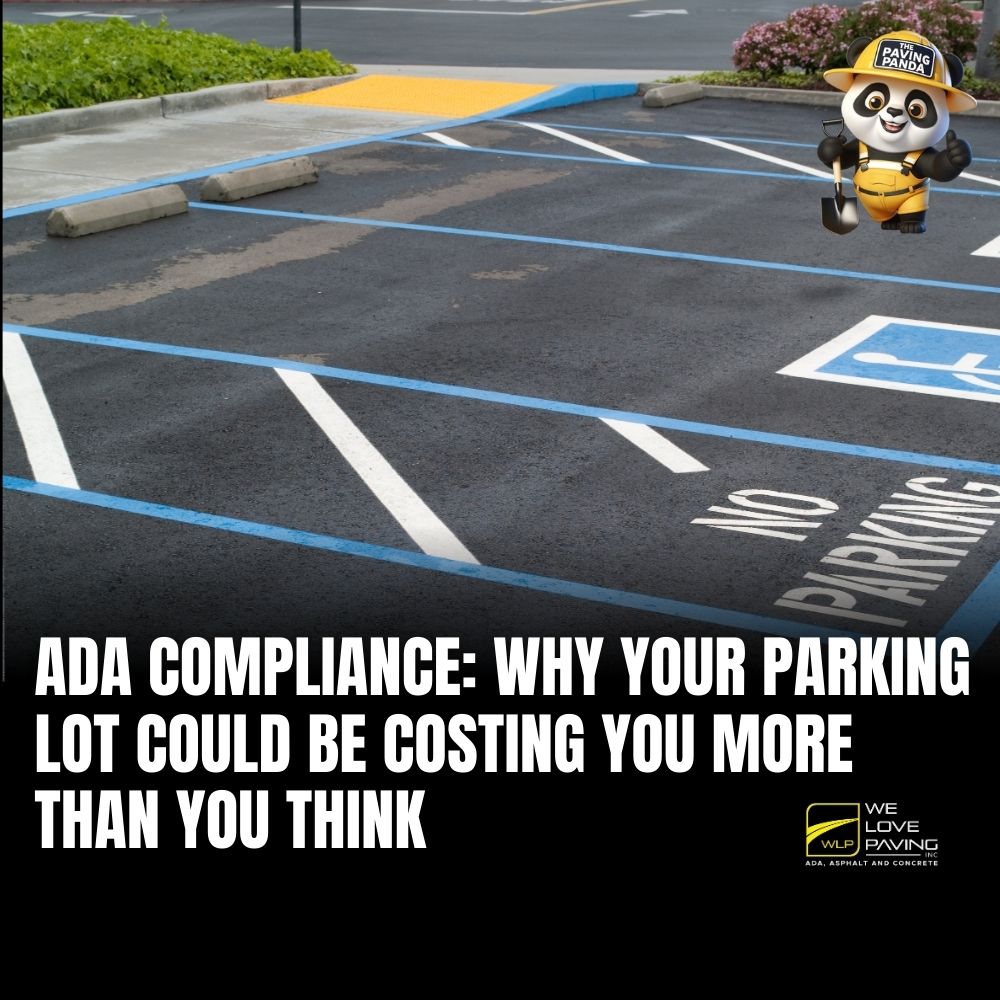
Markings fade over time, but many jurisdictions treat faded striping—especially on accessible parking stalls or loading zones—as a maintenance deficiency. Clear, visible markings and signage matter for both compliance and safety.
4. Documentation & Maintenance Records
The new emphasis is less on “fix when it breaks” and more on “documented maintenance plan + proof of upkeep.” Property owners should keep service records, inspection logs and photos of repairs.
How We Love Paving Can Help
At We Love Paving, we understand the new regulatory environment and what commercial property owners must do to stay ahead. Here’s how we help:
-
Condition assessments: We audit your paved surfaces, identify risk zones and provide a prioritized action plan.
-
Maintenance programs: Scheduled services like crack sealing, sealcoating, striping and patching to preserve pavement life and keep you compliant.
-
Documentation support: We provide records of maintenance work, dates, scope and condition before/after to help you meet documentation expectations.
-
Quality execution & warranty: Work done right the first time using premium materials and professional crews.
What You Should Do Next
-
Schedule a pavement condition audit this quarter to assess your property’s current state.
-
Verify your maintenance history and records – make sure you have documentation of recent work (last 12-24 months).
-
Plan for preventive maintenance rather than waiting for major failures. Preventive work is generally less disruptive, less expensive, and aligns with regulatory expectations.
-
Budget accordingly. With the regulatory environment shifting, neglecting pavement may lead to higher costs down the line.
Final Thoughts
With California tightening its focus on pavement maintenance for commercial properties, taking a proactive stance is more important than ever. By addressing issues early, documenting your upkeep, and working with a trusted partner like We Love Paving, you’ll protect your property, your tenants and your bottom line.
Stay ahead. Stay compliant. Build with confidence.
📞 Contact us today to request your property’s pavement condition audit and develop a plan tailored for your risk profile.