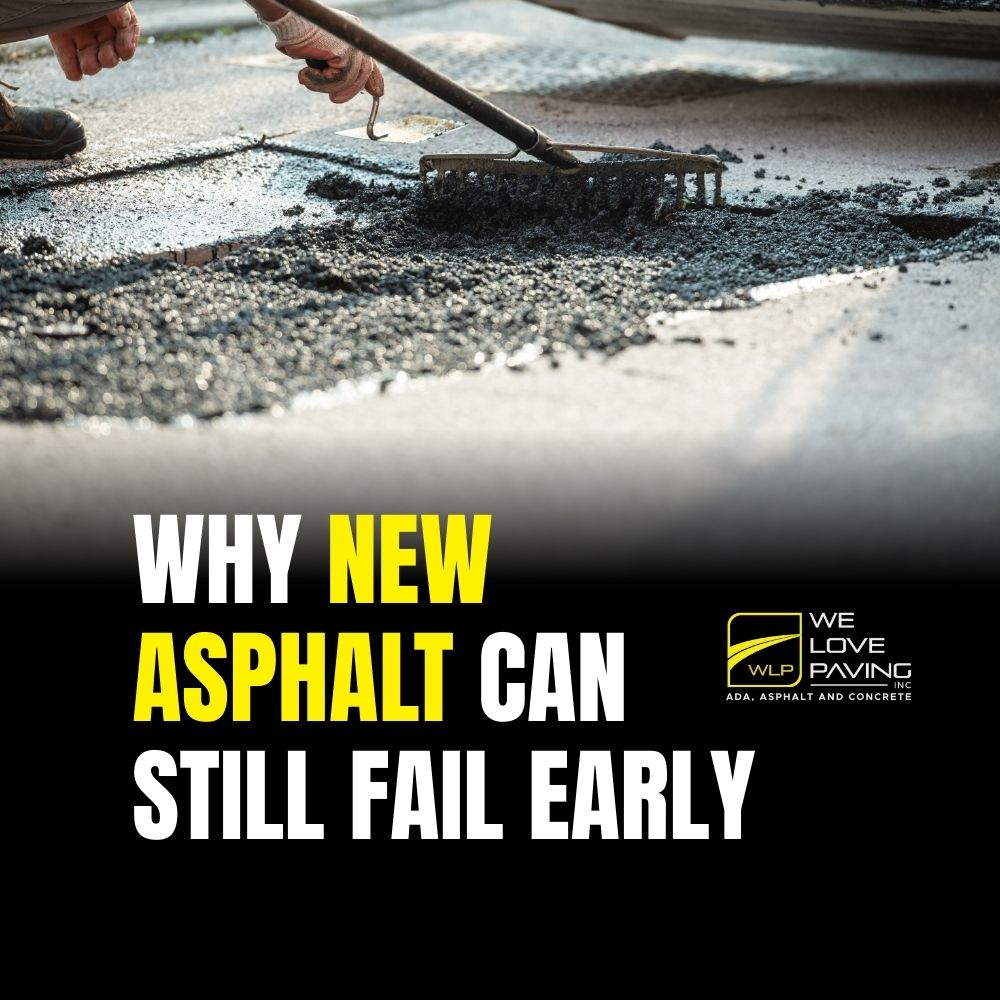
Proper drainage is a critical factor in ensuring the durability and longevity of asphalt surfaces, whether it’s a driveway, parking lot, or road. Poor drainage can lead to water pooling, cracks, and potholes, significantly reducing the lifespan of the asphalt. In this blog, we’ll explore the importance of drainage, its impact on asphalt longevity, and practical solutions to maintain your surfaces effectively.
Why Drainage Matters for Asphalt
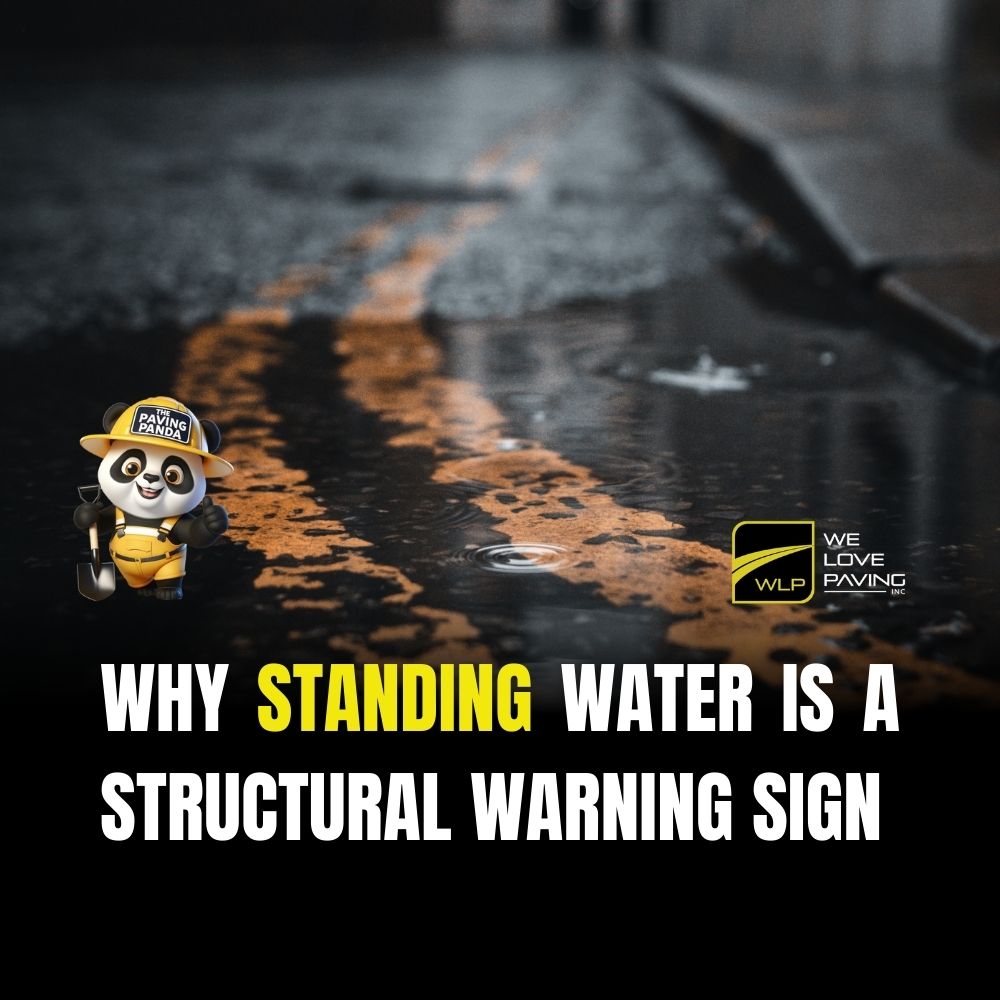
Water is one of the most damaging elements for asphalt. Water can seep into the asphalt’s base layer, causing erosion and weakening the foundation. Over time, this leads to cracks, potholes, and surface deformations.
Key problems caused by poor drainage:
- Cracking: Water penetration weakens the asphalt, leading to cracks.
- Potholes: Accumulated water erodes the base, creating voids that result in potholes.
- Surface Rutting: Standing water can wear down the asphalt surface over time.
- Freeze-Thaw Damage: In colder climates, water freezes and expands, causing severe cracking.
How Proper Drainage Enhances Longevity
Proper drainage systems ensure that water flows away from the asphalt surface and base layers.
- Prevents Water Accumulation: Reduces the risk of pooling and seepage.
- Minimizes Erosion: Protects the subgrade from water damage.
- Reduces Maintenance Needs: Fewer cracks and potholes mean lower repair costs.
- Improves Safety: Eliminates standing water, reducing the risk of hydroplaning or icy patches.
Designing Effective Drainage for Asphalt
Here are the main elements to consider when designing for asphalt surfaces:
1. Surface Slope
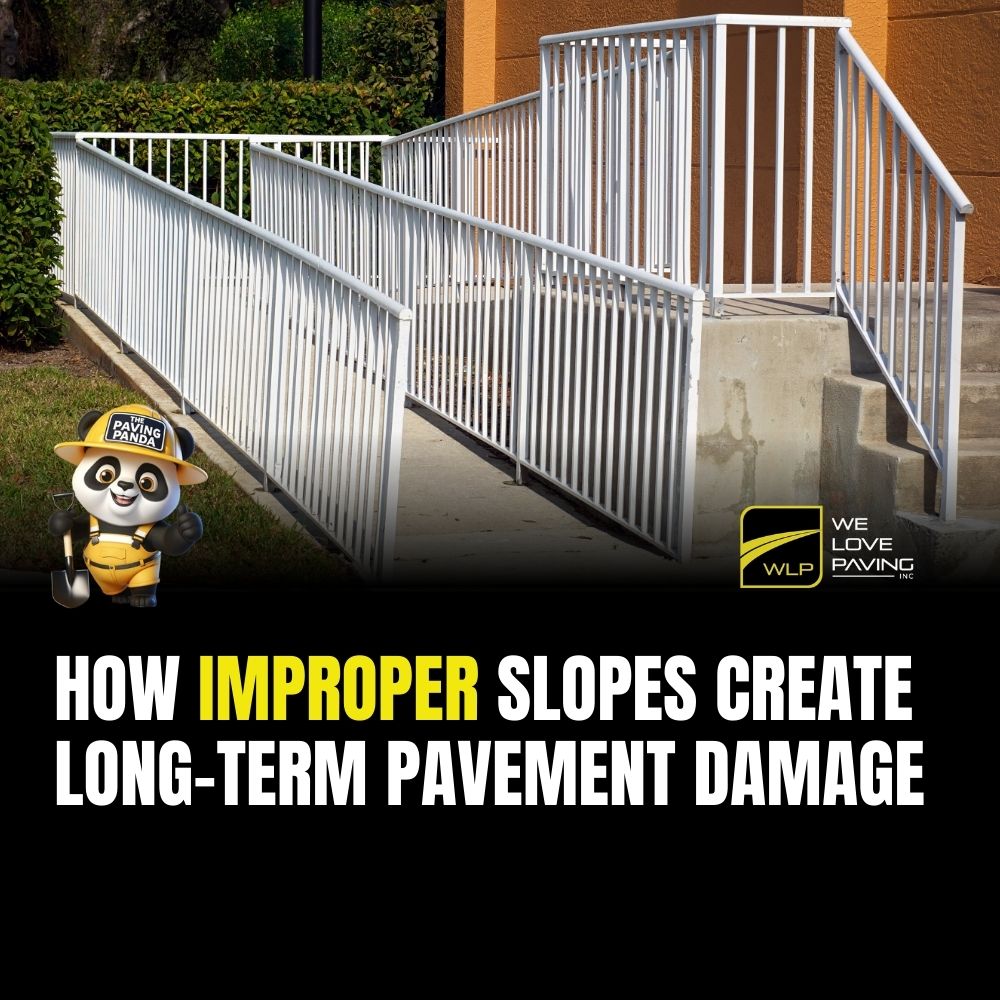
Ensure that the asphalt is sloped appropriately (typically 1-2%) to direct water systems like curbs or catch basins.
2. Channels
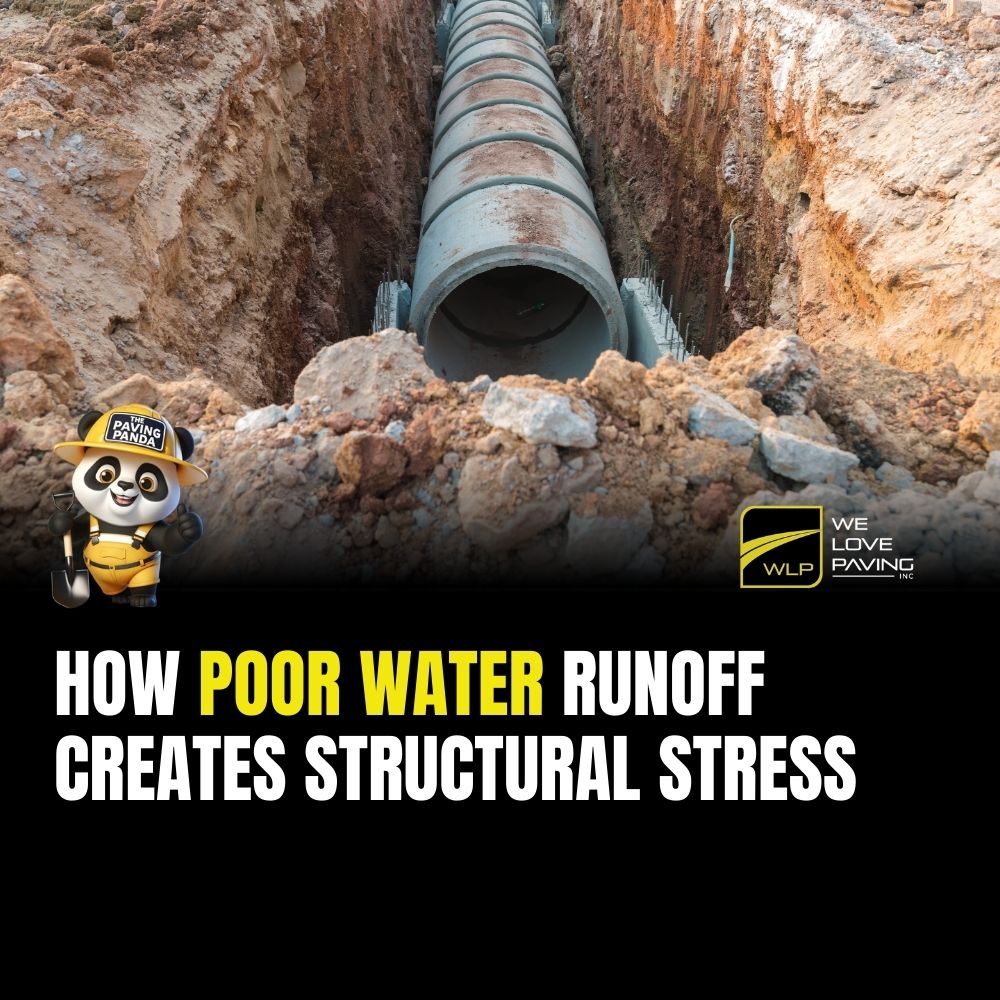
Install channels or swales along the edges to collect and direct water away from the surface.
3. Permeable Asphalt
For areas prone to heavy rainfall, consider permeable asphalt, which allows water to pass through the surface into a system below.
4. Regular Maintenance
Keep drains, gutters, and channels clear of debris to maintain their efficiency.
Best Practices for Maintaining Asphalt drain
- Inspect Regularly: Conduct routine inspections to identify issues early.
- Clear Debris: Remove leaves, dirt, and other debris from drains and channels.
- Reseal Asphalt: Seal coating protects against water infiltration.
- Repair Cracks Promptly: Small cracks allow water to seep in and should be sealed quickly.
- Upgrade When Necessary: If your current system is insufficient, consider professional upgrades.
Best Practices for Maintaining Asphalt
- Inspect Regularly: Conduct routine inspections to identify drainage issues early.
- Clear Debris: Remove leaves, dirt, and other debris from drains and channels.
- Reseal Asphalt: Seal coating protects against water infiltration.
- Repair Cracks Promptly: Small cracks allow water to seep in and should be sealed quickly.
- Upgrade When Necessary: If your current drainage system is insufficient, consider professional upgrades.
Conclusion
Investing in proper drainage for asphalt surfaces is not just about avoiding damage; it’s about extending the lifespan of your investment and maintaining safety. Whether you’re dealing with driveways, parking lots, or roadways, addressing drainage issues early can save thousands of dollars in repairs and ensure your asphalt lasts for decades.
If you’re experiencing problems or need professional advice, We Love Paving is here to help. Contact us today to discuss how we can improve the durability and performance of your asphalt surfaces.