Annual Pavement Maintenance Checklist for Property Managers

Annual Pavement Maintenance Checklist for Property Managers

As a property manager, keeping your pavement in top condition isn’t just about appearances — it’s about safety, compliance, and protecting your investment. A well-maintained parking lot or driveway reduces liability risks, improves curb appeal, and saves money in the long run. To help you stay on track, here’s an annual pavement maintenance checklist every property manager should follow.

1. Inspect for Cracks and Potholes

Walk through the entire property and look for surface cracks, uneven spots, and potholes. Small cracks can quickly spread with rain and temperature changes, leading to costly repairs if ignored.


2. Evaluate Drainage

Check for standing water after rainfall. Poor drainage can weaken pavement structure and accelerate damage. Make sure drains are clear and that water flows away from the surface.


3. Schedule Sealcoating

Sealcoating acts as a protective layer against UV rays, chemicals, and traffic wear. Most properties benefit from sealcoating every 2–3 years, but evaluating annually ensures you don’t miss the right timing.


4. Refresh Striping and Markings

Faded parking lines, ADA markings, and directional arrows not only look unprofessional but also pose safety risks. Repainting these annually improves organization, compliance, and curb appeal.


5. Check ADA Compliance

Ensure that accessible parking spaces, signage, and ramp areas meet ADA requirements. Non-compliance can lead to costly fines and lawsuits.


6. Assess Lighting and Safety Features

Good lighting increases visibility and safety in parking areas. Inspect all fixtures and replace any that are broken or outdated.


7. Plan for Budgeting and Repairs

Document your findings and schedule preventive maintenance or major repairs in your annual budget. Taking a proactive approach avoids unexpected emergencies.

Staying proactive with pavement maintenance is one of the smartest investments a property manager can make. A well-kept parking lot not only extends the lifespan of your pavement but also protects tenants, visitors, and your budget from costly surprises. By following this annual checklist, you’ll keep your property safe, compliant, and attractive all year long.

We help property managers like you keep their pavements safe, compliant, and looking their best. Whether you need crack repairs, sealcoating, or a full parking lot restoration, our team is ready to assist.

Call us today at (888) 273-0077 to schedule a free assessment and get expert recommendations tailored to your property.

Share

WHO IS FRED?

Fred, Regional Operations Manager, comes from a family of immigrant roots and a story built on sacrifice, discipline, and hard work. Growing up, Fred watched his parents work long hours and weekends to create a better future teaching him the values of perseverance, determination, and doing things the right way every single time.
We Love Paving began with Fred’s father, who started doing what he knew best: paving. Over the years, he built experience alongside respected professionals in the industry, refining his methods and developing a reputation for quality work that speaks for itself. As his clientele grew, so did the vision one built not only on skill, but on integrity and pride in every job.

Posts that might interest you

First Impressions Start in the Parking Lot: How Maintenance Impacts Your Business Image

October 9, 2025

Before a customer walks through your doors, they’ve already judged your business. That judgment doesn’t start with your staff, your signage, or your lobby — it starts in the parking lot. Cracks, potholes, faded lines, and puddles all communicate something powerful, even if it’s unintentional: “This property isn’t maintained.” Whether you manage a retail center,

Preventive vs. Reactive: The Two Types of Property Managers (Which One Are You?)

Preventive vs. Reactive: The Two Types of Property Managers (Which One Are You?)

October 9, 2025

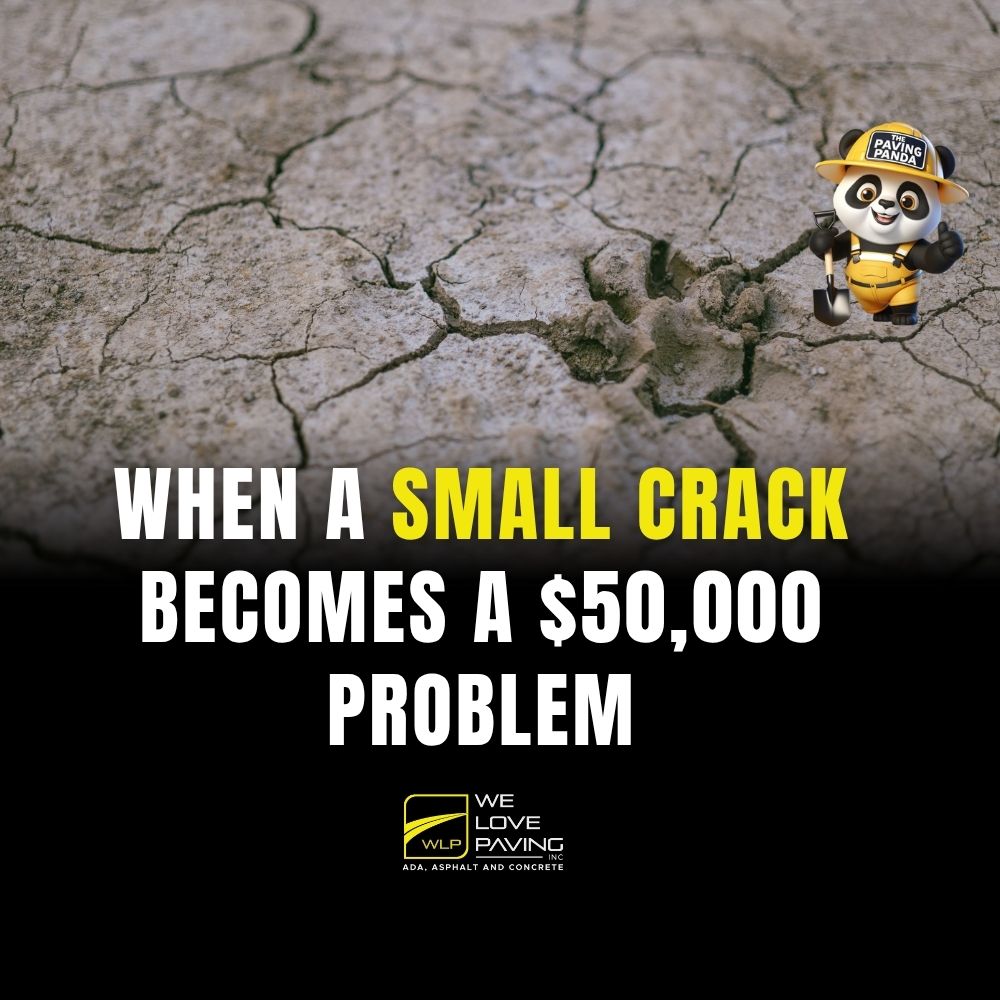
When a Small Crack Becomes a $50,000 Problem

When a Small Crack Becomes a $50,000 Problem

October 9, 2025

Paving for Automotive Dealerships: Custom Striping and Display Area Enhancements in California

Paving for Automotive Dealerships: Custom Striping and Display Area Enhancements in California

October 9, 2025

🧱 How Cracks and Joints Create a Domino Effect in Pavement Deterioration

🧱 How Cracks and Joints Create a Domino Effect in Pavement Deterioration

October 8, 2025

⚖️ Proactive Pavement Maintenance: The Key to Reducing Lawsuits and Accidents in Parking Lots

⚖️ Proactive Pavement Maintenance: The Key to Reducing Lawsuits and Accidents in Parking Lots

October 8, 2025

💰 The Real ROI of Preventive Maintenance: How to Double Your Pavement’s Lifespan with 30% Less Spending

💰 The Real ROI of Preventive Maintenance: How to Double Your Pavement’s Lifespan with 30% Less Spending

October 8, 2025

⚖️ Is Your Property Liability-Free? Pavement Hazards That Can Get You Sued

⚖️ Is Your Property Liability-Free? Pavement Hazards That Can Get You Sued

October 6, 2025

💰 How to Create a Pavement Budget for Your community

💰 How to Create a Pavement Budget for Your community

October 6, 2025

Lifecycle Costing: The Smart Way to Budget for Asphalt Maintenance

Lifecycle Costing: The Smart Way to Budget for Asphalt Maintenance

October 6, 2025

When it comes to pavement maintenance, the biggest mistake property managers and HOA boards make isn’t ignoring the asphalt — it’s budgeting the wrong way. Most budgets focus on reacting to damage instead of preventing it. And that single habit can multiply your long-term costs by 5 to 10 times. Let’s break down how lifecycle

Previous Next