Annual Pavement Maintenance Checklist for Property Managers

Annual Pavement Maintenance Checklist for Property Managers

As a property manager, keeping your pavement in top condition isn’t just about appearances — it’s about safety, compliance, and protecting your investment. A well-maintained parking lot or driveway reduces liability risks, improves curb appeal, and saves money in the long run. To help you stay on track, here’s an annual pavement maintenance checklist every property manager should follow.

1. Inspect for Cracks and Potholes

Walk through the entire property and look for surface cracks, uneven spots, and potholes. Small cracks can quickly spread with rain and temperature changes, leading to costly repairs if ignored.


2. Evaluate Drainage

Check for standing water after rainfall. Poor drainage can weaken pavement structure and accelerate damage. Make sure drains are clear and that water flows away from the surface.


3. Schedule Sealcoating

Sealcoating acts as a protective layer against UV rays, chemicals, and traffic wear. Most properties benefit from sealcoating every 2–3 years, but evaluating annually ensures you don’t miss the right timing.


4. Refresh Striping and Markings

Faded parking lines, ADA markings, and directional arrows not only look unprofessional but also pose safety risks. Repainting these annually improves organization, compliance, and curb appeal.


5. Check ADA Compliance

Ensure that accessible parking spaces, signage, and ramp areas meet ADA requirements. Non-compliance can lead to costly fines and lawsuits.


6. Assess Lighting and Safety Features

Good lighting increases visibility and safety in parking areas. Inspect all fixtures and replace any that are broken or outdated.


7. Plan for Budgeting and Repairs

Document your findings and schedule preventive maintenance or major repairs in your annual budget. Taking a proactive approach avoids unexpected emergencies.

Staying proactive with pavement maintenance is one of the smartest investments a property manager can make. A well-kept parking lot not only extends the lifespan of your pavement but also protects tenants, visitors, and your budget from costly surprises. By following this annual checklist, you’ll keep your property safe, compliant, and attractive all year long.

We help property managers like you keep their pavements safe, compliant, and looking their best. Whether you need crack repairs, sealcoating, or a full parking lot restoration, our team is ready to assist.

Call us today at (888) 273-0077 to schedule a free assessment and get expert recommendations tailored to your property.


Share

WHO IS FRED?

Fred, Regional Operations Manager, comes from a family of immigrant roots and a story built on sacrifice, discipline, and hard work. Growing up, Fred watched his parents work long hours and weekends to create a better future teaching him the values of perseverance, determination, and doing things the right way every single time.
We Love Paving began with Fred’s father, who started doing what he knew best: paving. Over the years, he built experience alongside respected professionals in the industry, refining his methods and developing a reputation for quality work that speaks for itself. As his clientele grew, so did the vision one built not only on skill, but on integrity and pride in every job.

Posts that might interest you

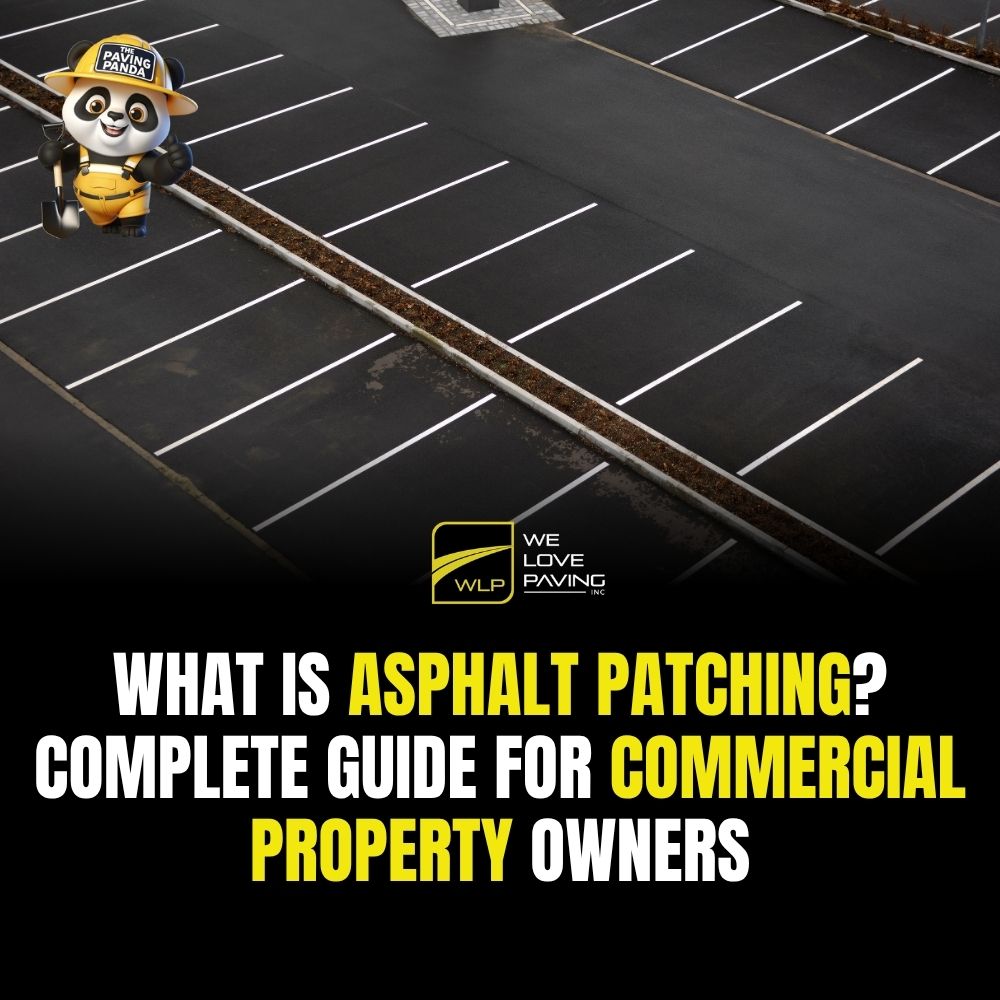
What Is Asphalt Patching? Complete Guide for Commercial Property Owners

What Is Asphalt Patching? Complete Guide for Commercial Property Owners

November 11, 2025

Asphalt Backyard Ideas: Affordable, Durable, and Low-Maintenance Outdoor Design

Asphalt Backyard Ideas: Affordable, Durable, and Low-Maintenance Outdoor Design

November 5, 2025

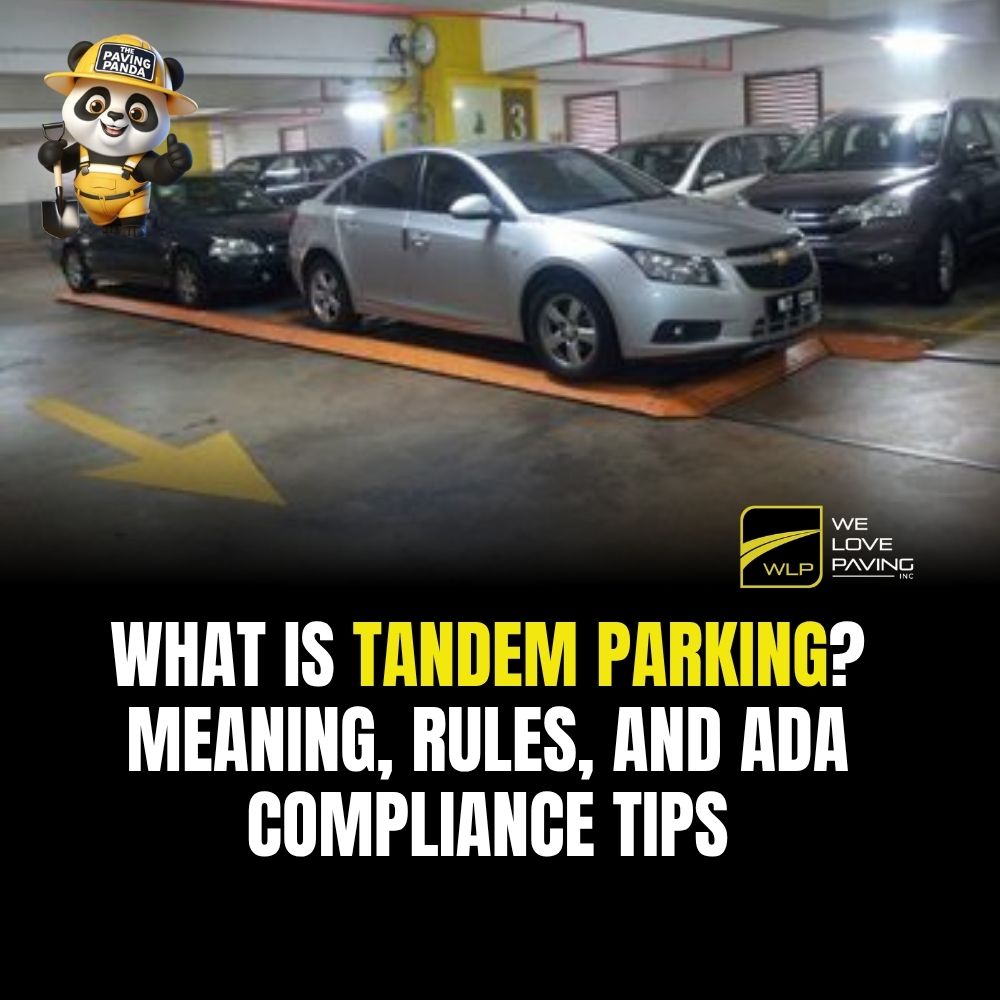
What Is Tandem Parking? Meaning, Rules, and ADA Compliance Tips

What Is Tandem Parking? Meaning, Rules, and ADA Compliance Tips

November 5, 2025

What Is Tandem Parking? Tandem parking refers to two or more vehicles parked end-to-end within a single elongated parking space. In this setup, one car must move to let the other exit, similar to cars sharing a narrow driveway. It’s a design solution often used in space-limited properties, such as multi-family buildings, apartment complexes, or

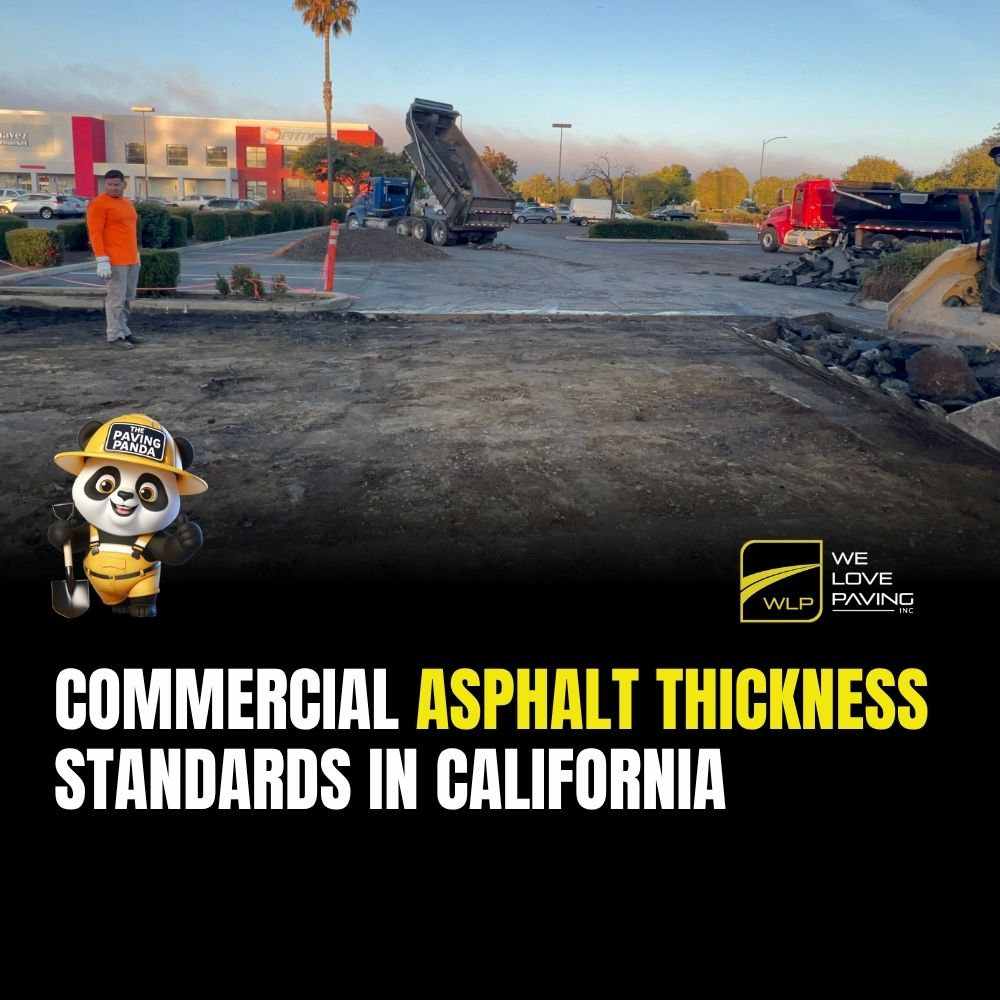
Commercial Asphalt Thickness Standards in California

Commercial Asphalt Thickness Standards in California

November 4, 2025

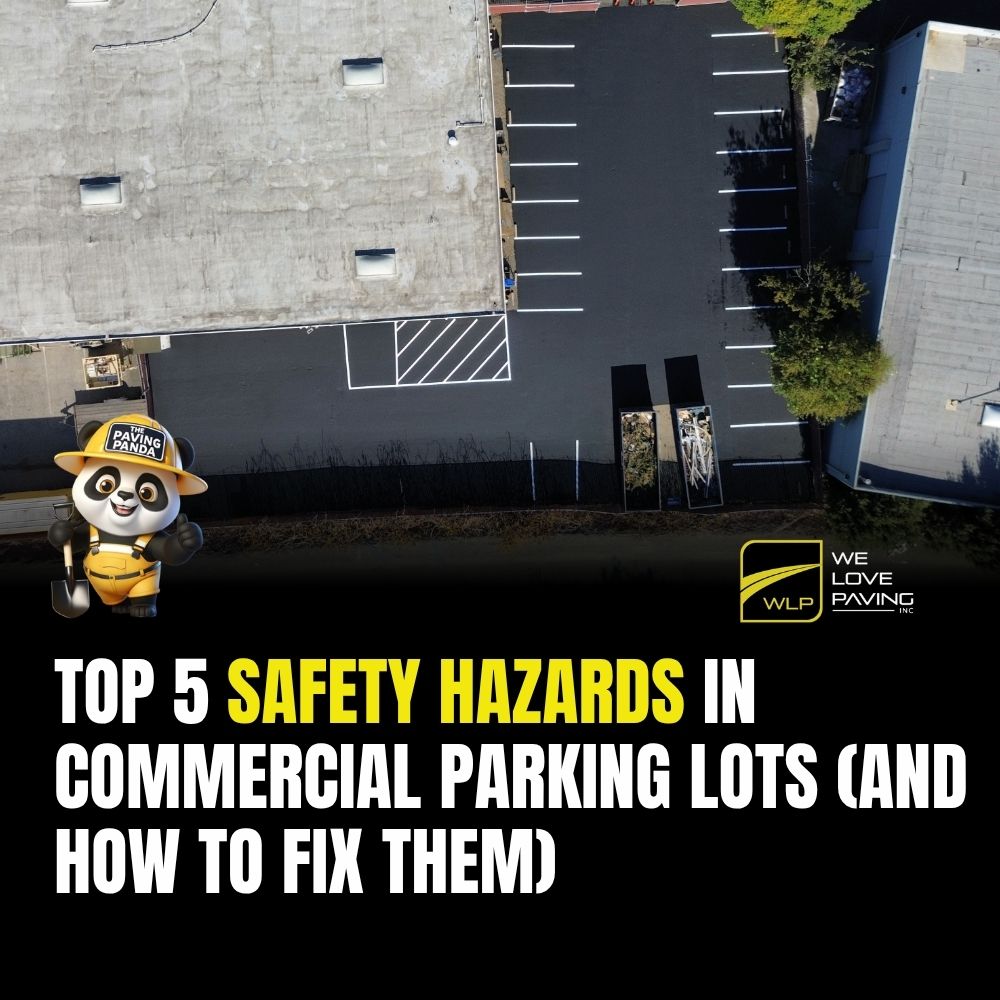
Top 5 Safety Hazards in Commercial Parking Lots (and How to Fix Them)

Top 5 Safety Hazards in Commercial Parking Lots (and How to Fix Them)

November 1, 2025

Your parking lot is more than a place to park — it’s the first and last part of your property that every visitor experiences.And if it’s not maintained properly, it can quickly become a liability nightmare. From trip hazards to poor visibility, these seemingly small issues can lead to accidents, lawsuits, and damaged reputations.Here are

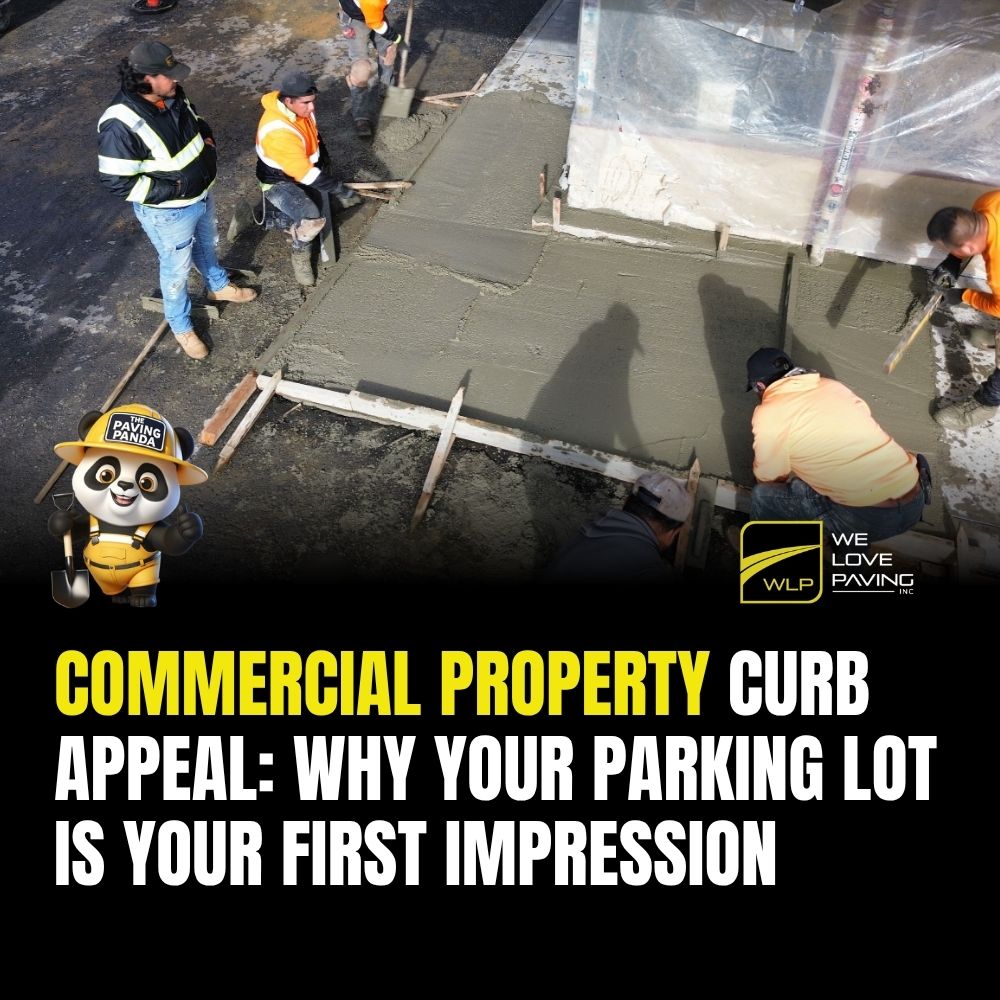
Commercial Property Curb Appeal: Why Your Parking Lot Is Your First Impression

Commercial Property Curb Appeal: Why Your Parking Lot Is Your First Impression

November 1, 2025

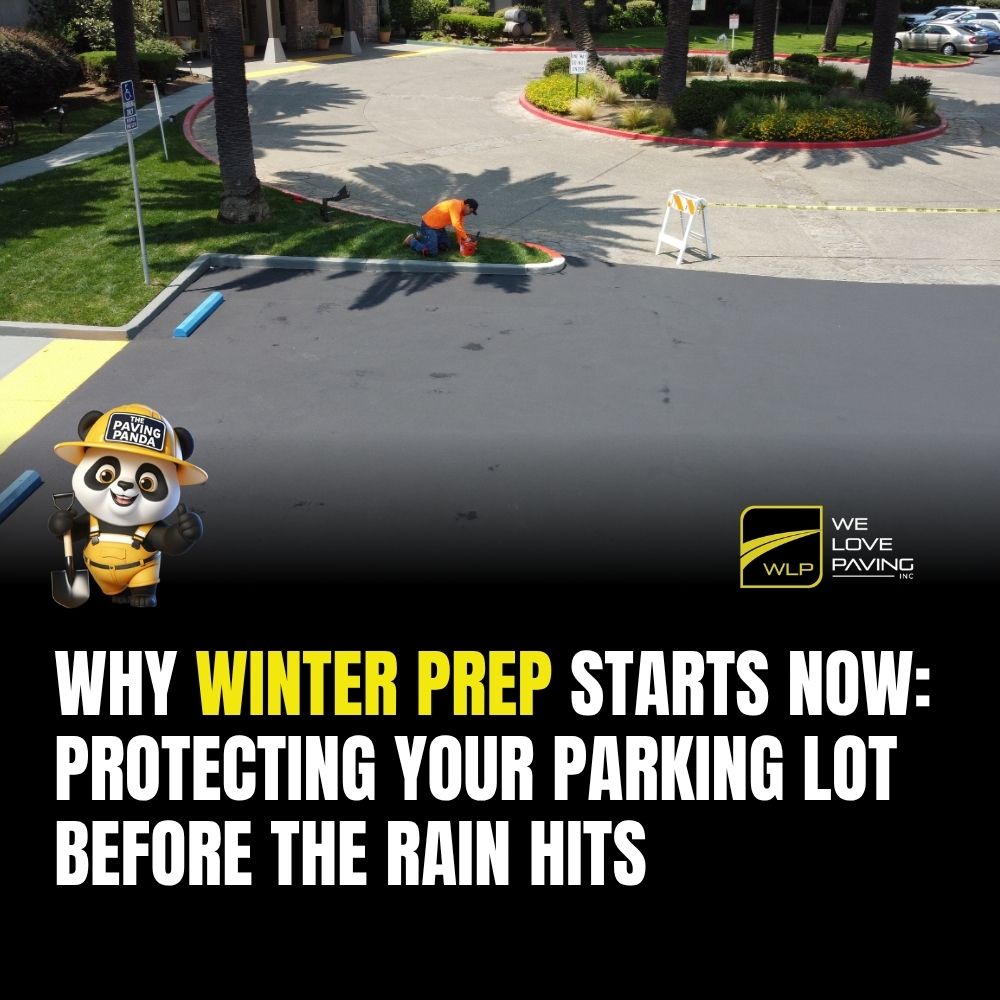
Why Winter Prep Starts Now: Protecting Your Parking Lot Before the Rain Hits

Why Winter Prep Starts Now: Protecting Your Parking Lot Before the Rain Hits

November 1, 2025

Pavement Density Testing: Why Compaction Is the #1 Factor in Asphalt Longevity

October 30, 2025

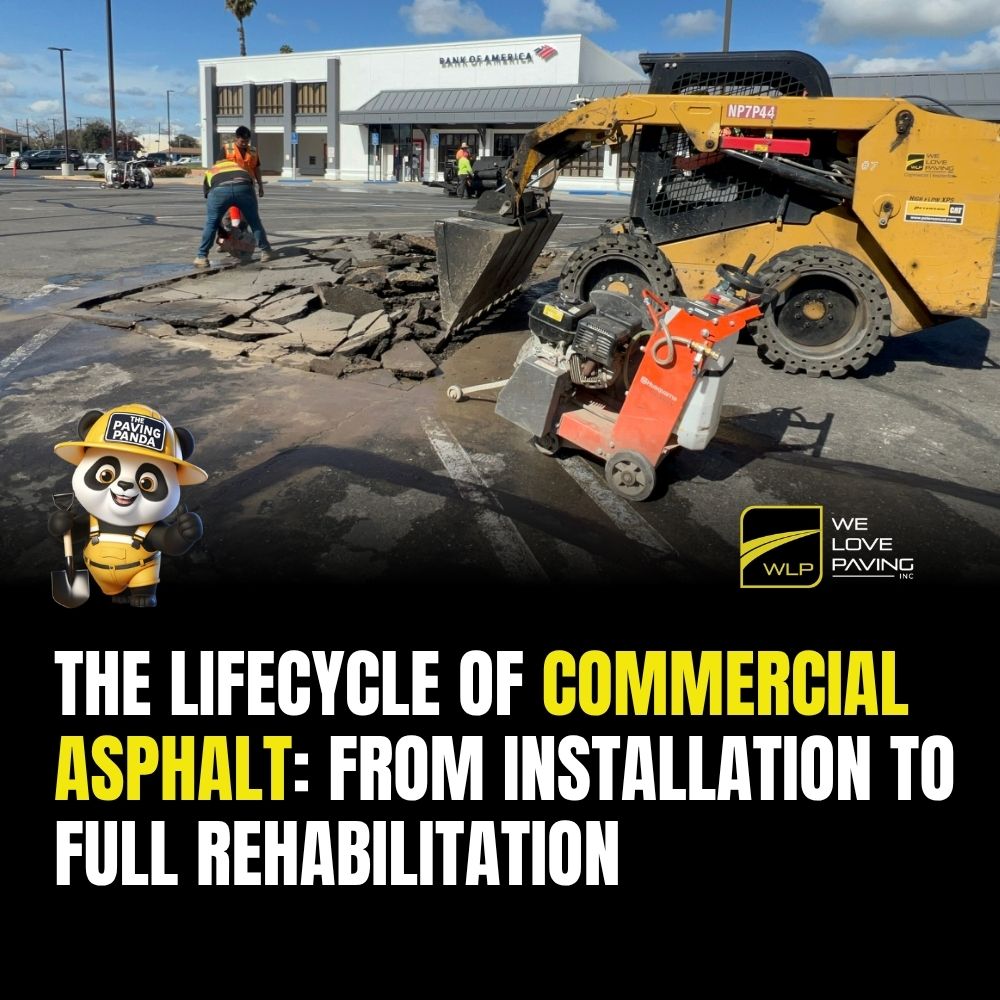
The Lifecycle of Commercial Asphalt: From Installation to Full Rehabilitation

The Lifecycle of Commercial Asphalt: From Installation to Full Rehabilitation

October 30, 2025

Why Understanding Pavement Lifecycle Matters Every parking lot and roadway has a lifespan — but how long it lasts depends on how it’s designed, installed, and maintained.For property owners and facility managers, understanding the lifecycle of asphalt pavement is key to planning budgets, extending surface life, and avoiding costly full replacements. At We Love Paving,

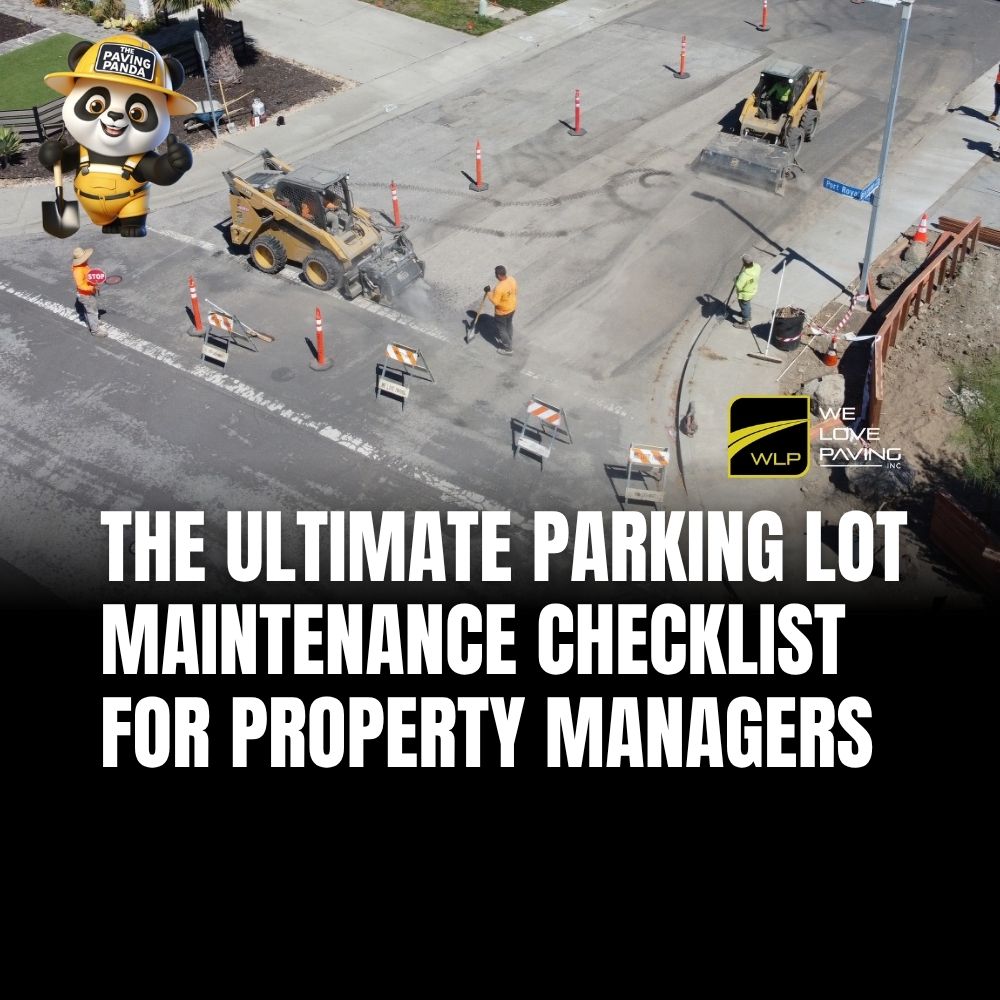
The Ultimate Parking Lot Maintenance Checklist for Northern California Property Managers

The Ultimate Parking Lot Maintenance Checklist for Northern California Property Managers

October 27, 2025

Previous Next